Street food is the great culinary equalizer. By definition, it’s the ready-to-eat food or drink sold by vendors in streets and public places, but in reality, it’s much more than that: it’s the truest reflection of a culture’s identity. While fine dining shows you how a city dresses up, street food shows you how it actually lives. Think of the sizzling Pad Thai carts illuminating the night in Bangkok, the bustling, spice-filled taco stands in Mexico City, or the iconic hot dog carts anchoring the corners of New York. Globally, these pavement-level bites define a nation’s palate.
While Argentina is globally famous for its white-tablecloth steakhouses and premium cuts of meat, the real, everyday heartbeat of our cuisine is found on the streets, specifically within the vibrant Buenos Aires street food scene.
For us, Argentine street food isn’t just about grabbing a quick snack to survive the day. It’s standing shoulder-to-shoulder with locals outside a soccer stadium, or eating a juicy sandwich while taking in the striking contrast of the river views at the Costanera. To me, this is the true joy of traveling: skipping the polished, curated tourist spots to dive headfirst into the authentic, messy, and wonderful day-to-day life of the city.
In this guide, curated by our local Sherpa experts who walk these streets every day, we are going to answer the most important questions for any food-loving traveler: What do Porteños eat on the go? Where can you find the best bites in the city?
The Choripán: A Whole Ritual
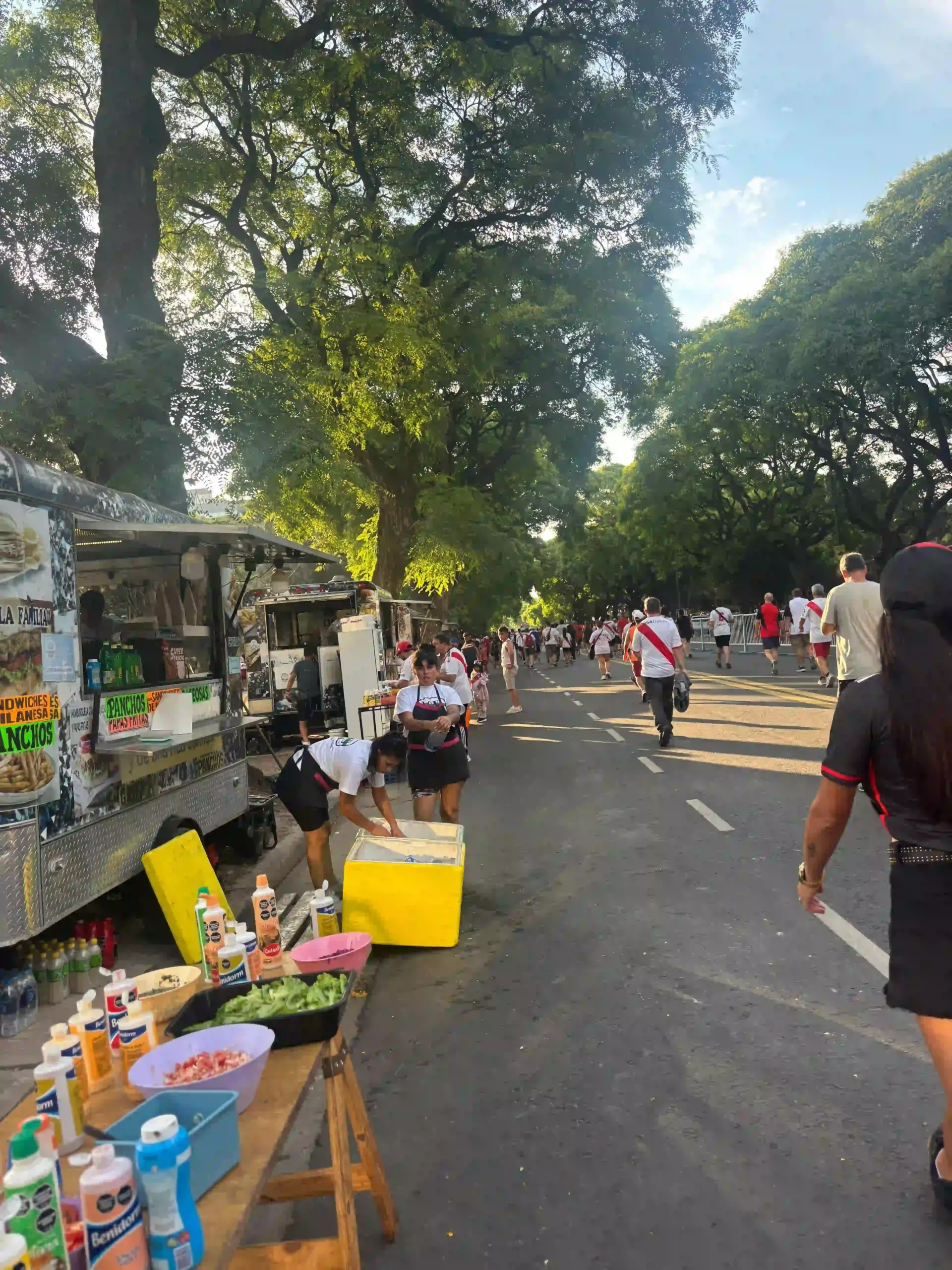
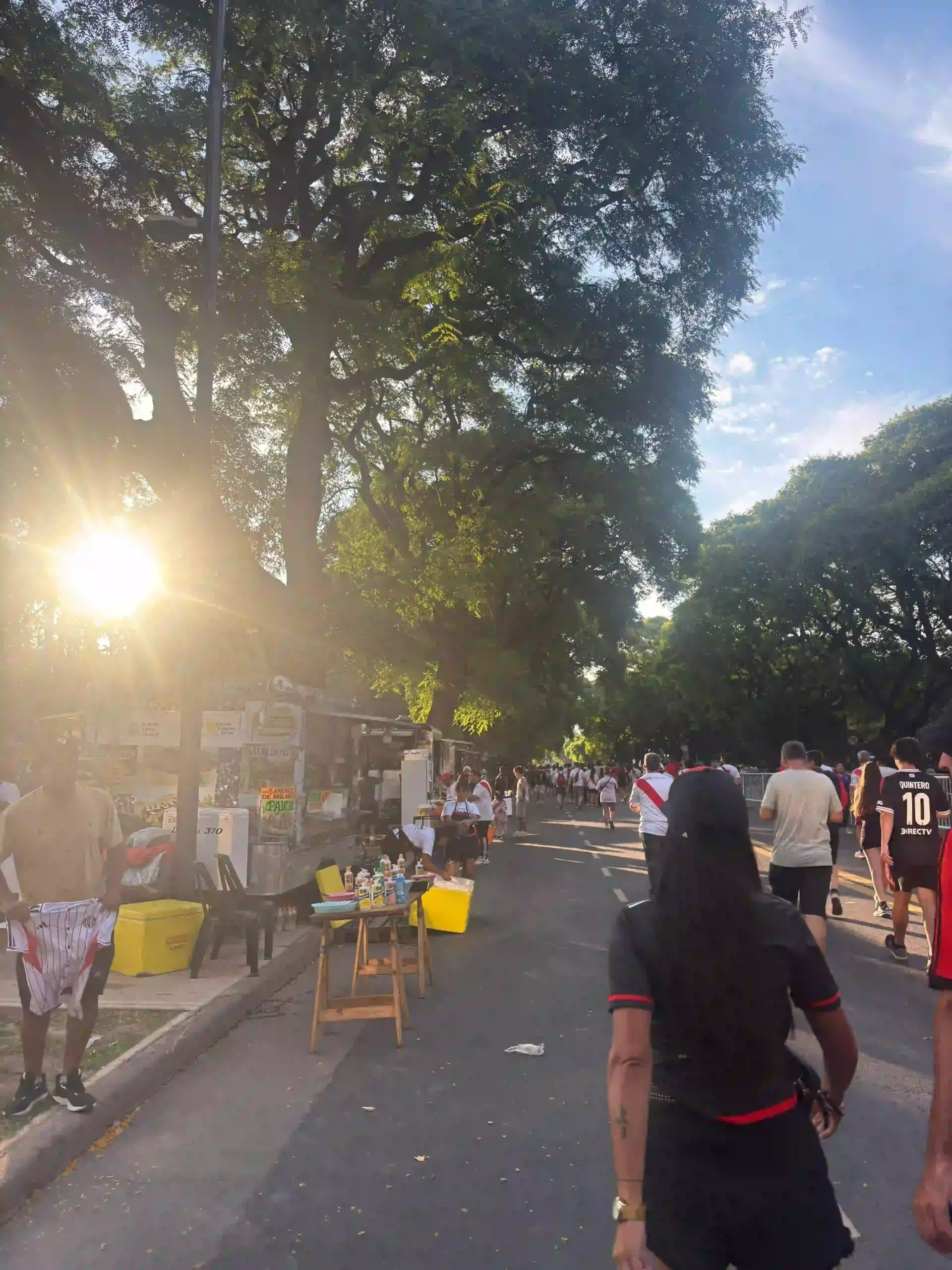
Unlike other global capitals, Buenos Aires doesn’t have food carts on every single corner. Here,street food is a destination in itself. You will find it clustered in very specific ecosystems like parks, festivals and, most importantly, outside soccer stadiums.
The street menu in Argentina is unapologetically carnivorous and almost always sandwiched between bread.
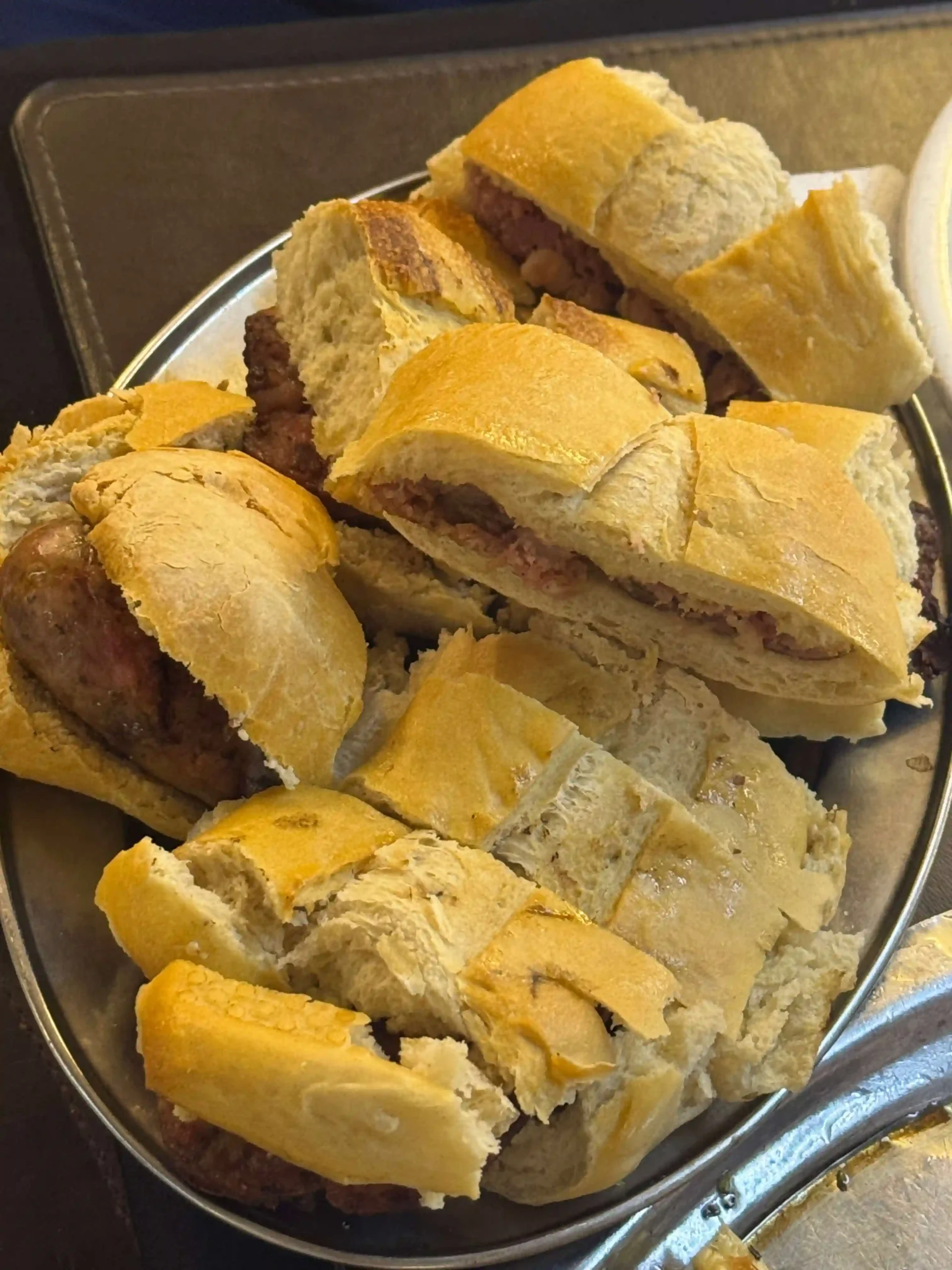
Simply put, a Choripán (affectionately called a Chori) is a grilled pork sausage (chorizo) split down the middle and served in a crusty bread roll (pan). In the words of our guides, it is everything street food should be: simple, hearty, and incredibly flavorful. But eating one is… gloriously messy.

For us locals, the Chori is deeply linked to the soccer stadium ritual. It’s the fuel while waiting outside with friends. When your team wins, eating a Chori on the way out of the stands is kind of a trophy. When you lose, it is the perfect consolation prize.
What to Put on It: The «Best Salad in the Country»
Eating a dry Choripán is considered a rookie mistake. You have to dress it up. In fact, our Sherpa guide Denis jokingly refers to a fully loaded Chori as «the best salad in this country» because of the heavy spoonfuls of toppings required.
The holy trinity of Argentine street food condiments includes:
- Chimichurri: The absolute classic. A tangy, herby mix of parsley, garlic, olive oil, oregano, and vinegar.
- Salsa Criolla: A fresh, vibrant, and acidic mix of finely diced tomatoes, onions, and bell peppers (my personal favorite).
- Provenzal: A punchy, sharp mix of raw garlic and parsley.
- Lettuce and Tomato: If you want to take the «salad» joke literally, ask for your chori completo. The crisp lettuce and fresh tomato slices add the perfect fresh crunch to balance out the rich, grilled sausage.
Where to try the Best Choripan in Buenos Aires
Costanera Sur (The Classic ‘Carritos’)
Located right along the river promenade in Puerto Madero, the carritos offer a scene that is fundamentally Argentine in its beautiful contradictions. On one side, you have humble, smoke-billowing food stands; just steps away, the gleaming glass towers of the city’s most exclusive and expensive real estate.
When you order from these traditional sidewalk grills, you just need to embrace a leap of faith. The aesthetic here is proudly unpolished. Instead of looking for pristine stainless-steel counters or official framed paperwork, you surrender to the street ritual.
- The Local Insider’s Tip: Don’t overthink your choice. Simply scan the promenade and walk toward the cart with the longest line. A massive, hungry crowd means high food turnover, which is the only quality control you will ever need!
La Choripanería (The Market Vibe)
Located inside the historic Mercado de San Telmo, this is the place to visit for an excellent, bustling market experience. It perfectly blends the traditional street flavor with a comfortable setting.

CHORI (The Modern Route)
Located in Palermo, spots like this offer gourmet, modern versions of the classic. It’s ideal for those looking for high-quality ingredients in a trendy atmosphere (they even offer fantastic vegetarian options).
Empanadas: The Handheld Feast
While the choripán rules the stadiums and the riverfront, the empanada is the undisputed ruler of the everyday life. These savory, half-moon pastries are a staple of the Argentine diet. While they are great on-the-go food for grabbing a quick lunch or a late-night bite after a bar, their cultural importance goes much deeper. Argentine empanadas are a centerpiece of family gatherings, the perfect comfort food for a cozy night in, and the go-to order when gathering with friends.
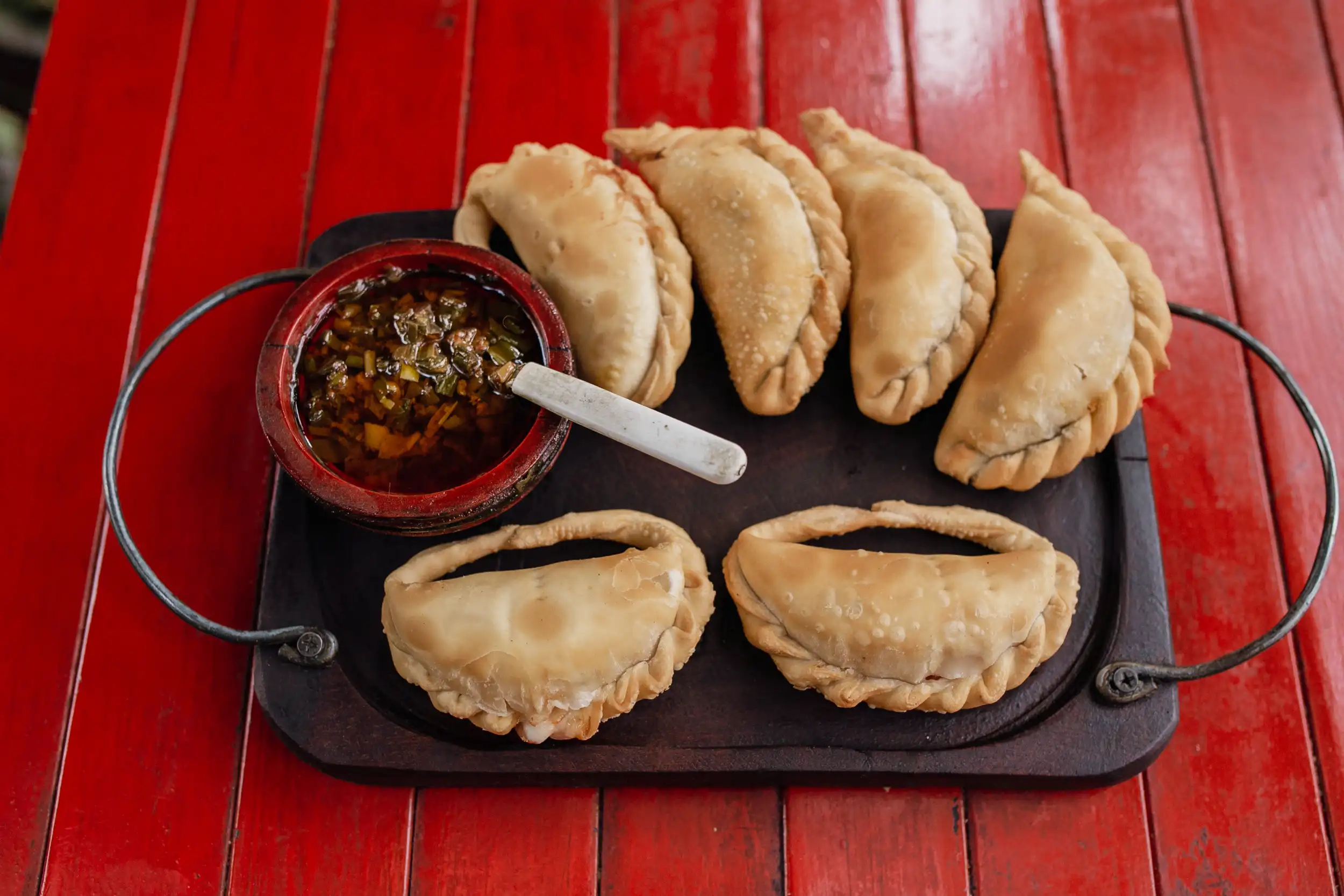
At their core, empanadas are simple: a delicate dough filled with a variety of ingredients, folded, and either baked (al horno) or fried (fritas). Every province in Argentina claims to have the best recipe: the spicy, potato-laced versions from Salta; the savory masterpieces made with hand-cut beef (carne cortada a cuchillo) from Tucumán (a personal favorite); the sweet and highly controversial beef with raisins from Córdoba; and countless other regional variations.
The true beauty of the Buenos Aires street food scene is that the city acts as a melting pot where you can find all these regional styles. But with so many options baking in the same oven, how do you know which flavor you are about to bite into?
This is where the repulgue comes in.
The repulgue is a masterpiece of non-verbal, non-written communication. Each flavor has its own specific fold or shape. It’s an edible, unspoken code that every Argentine learns from childhood, ensuring you always grab exactly what you crave.
Where to Eat the Best Empanadas
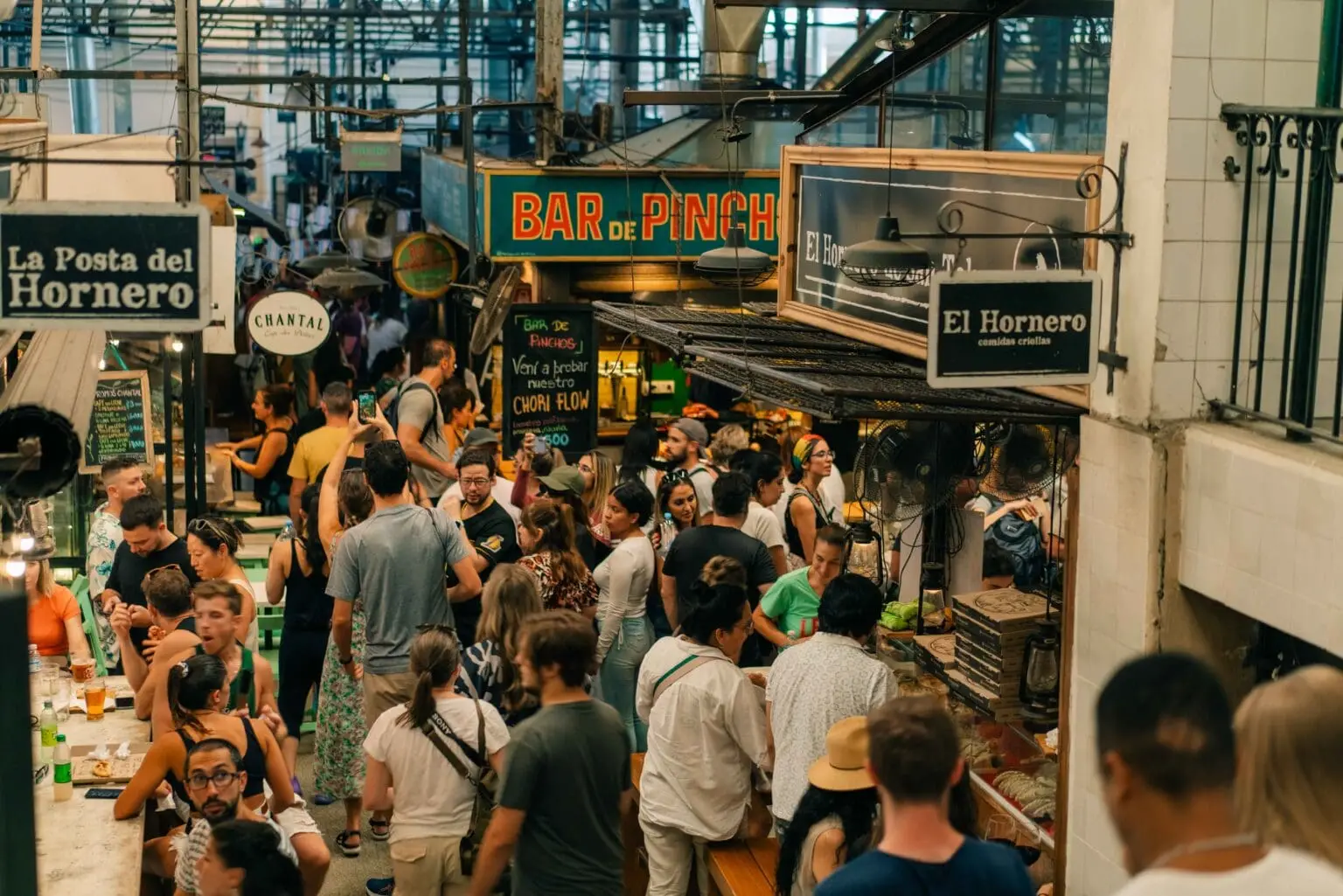
La Posta del Hornero
While you might see «El Hornero» stalls in different markets around the city, our guide Katherine highly recommends going straight to the source. La Posta del Hornero is their central factory, run by a family originally from the northern province of Salta. As Katherine insists, «Salta-style empanadas are simply the best.» Expect them to be perfectly baked, packed with flavor, and incredibly juicy.
PICSA
Though famous for their thick, Argentine-style pizza, you absolutely cannot skip their juicy empanadas. Their fried ham and cheese option is the perfect bite to grab while wandering through the Palermo neighborhood.
El Gauchito de San Telmo (The Historic Classic)
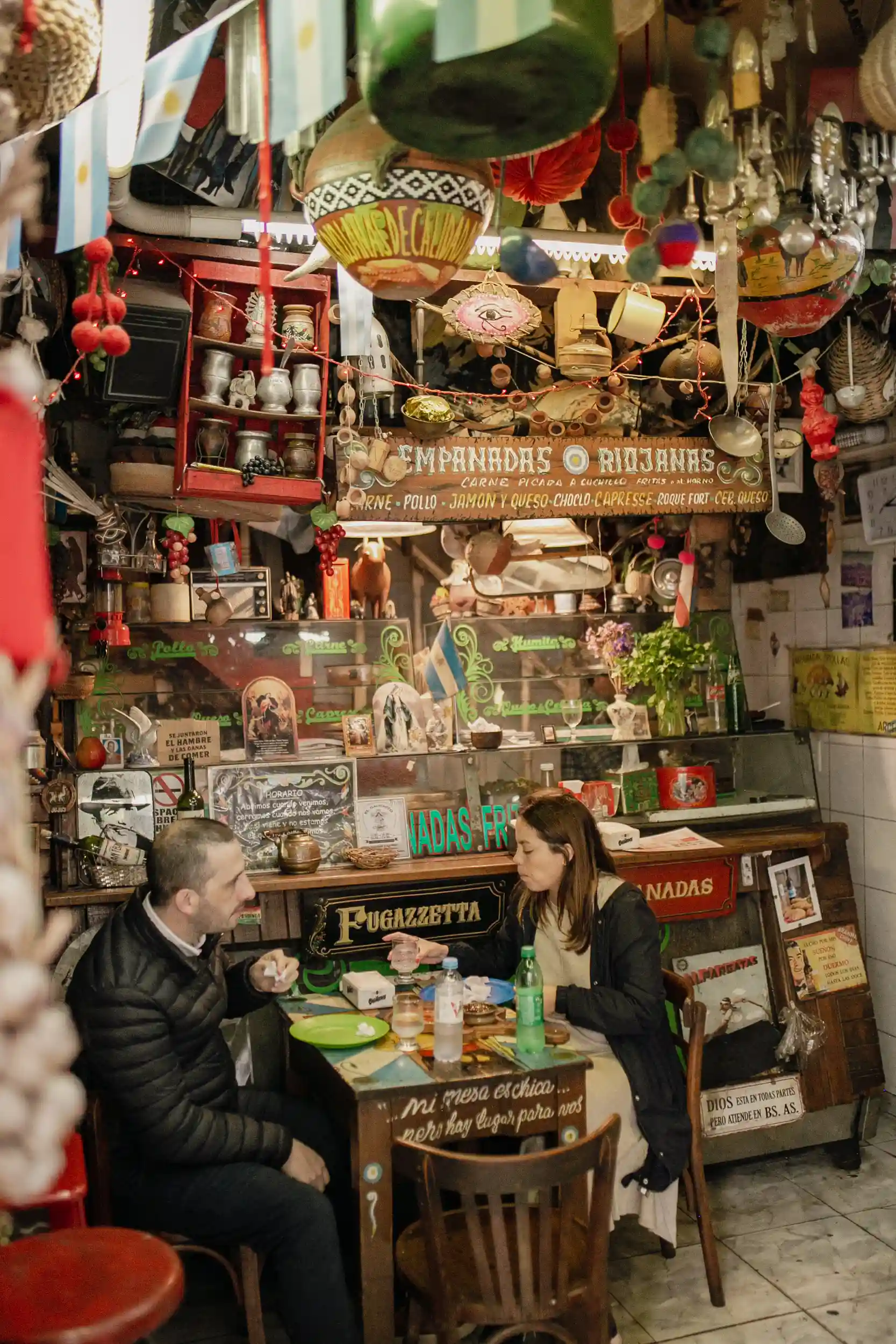
Tucked away in the historic San Telmo district, this beloved, no-frills local spot is a cultural experience in itself. The space is wonderfully tiny and immerses you instantly in true Argentine folklore. It is authentically and rustically decorated with fileteado porteño (our traditional artistic painting style), faded photos of local idols, and holy cards of popular saints. In fact, the shop gets its name from the legendary folk saint, Gauchito Gil, whose iconic red shrines are proudly displayed as part of the decor. It’s exactly the kind of place where you grab a couple of traditional beef empanadas to eat with your hands while exploring the old cobblestone streets and antique markets.
Sándwiches de Carrito
If you thought the choripán was the only thing sizzling on the street grills, think again. Step up to any street food cart, and you will be greeted by a lot of different grilled meats waiting to be sandwiched between two pieces of crusty bread.
Our Sherpa guides are incredibly passionate about these carnivorous heavyweights. As our guide Stan perfectly describes eating at these carts during fairs or massive events: «It complements the ritual».
Here is the definitive lineup of the sándwiches de carrito you must try:
La Bondiola (Pork Shoulder): This is a crowd-pleaser and a firm favorite among our guides. It’s a thick cut of pork shoulder that is seasoned and slow-grilled until the edges are crispy but the inside is tender. If well prepared, it practically falls apart on its own, melting into a pulled-pork texture.
El Vaciopán (Flank Steak): Vacío is a beloved, traditional cut in any Argentine asado. When allowed to cook slowly over the coals for enough time, the meat becomes incredibly juicy, tender, and deeply flavorful. Stuffed into a crusty bun (pan), it becomes the vaciopán, a rich, beefy masterpiece.
El Matambrito (Pork Flank): The matambre de cerdo is a very thin cut of pork that cooks quickly over the hot coals. This fast grilling over high heat results in a sandwich with an unbeatable, crunchy charred texture on the outside while staying rich and flavorful on the inside.
Where to Eat Them: Trust the Smoke and the Crowd
Unlike traditional restaurants, there isn’t one specific famous cart you need to pin on your map. The true magic of the sándwiches de carrito is that they are an ever-present part of the city’s landscape. You will find them lined up along the Costanera, or feeding hungry crowds outside local fairs and events. To find the best sandwich, simply apply the golden rule we gave you for the choripán: follow the smoke and look for the longest line.
Chipá: The Cheesy On-the-go Savior
Originating from the northeast of Argentina and strongly influenced by Guaraní culture, a chipá is a small, baked cheese roll. The secret to its unique texture? It is made with cassava flour (harina de mandioca).
Packed with semi-hard local cheeses, the exterior is slightly crispy while the inside manages to be incredibly airy and intensely cheesy all at once.
While you might occasionally hear a street vendor selling them from a basket, you don’t need to hunt for them on the street. The chipá is a bakery staple; you can walk into any panadería in the city to get your fix.
If you prefer a savory start to your day, the local move is to walk in, order un cuarto (a quarter kilo) of chipá, and wander the streets.
Fair warning: your paper bag will emit a very strong, unapologetic cheese smell, but it is the absolute best companion for a morning walk. It’s also the ultimate late-night savior. Speaking from personal experience, and many long nights out with friends, stopping by a 24-hour bakery to grab a warm bag of chipá before heading home is arguably one of the best decisions you can make.
The Crucial Rule of Chipá: You must eat them warm (calentitos). If you let them get cold, they turn rock hard. But whatever you do, never put them in the microwave to reheat them, or they will become unpleasantly rubbery. Eat them fresh on the go, preferably paired with a mate, a combination that hits the spot perfectly (or as we say here, ¡va como piña!).
Sándwiches de Miga: The Delicate Obsession
While not cooked over a roaring street fire, the sándwich de miga, a direct descendant of the Italian tramezzino, is a crucial pillar of Argentine on-the-go eating. Walk past the window of any traditional panadería (bakery), and you will see perfectly stacked, geometric towers of these delicate, crustless sandwiches.
The miga refers to the crumb of the bread, which is baked into massive loaves and sliced razor-thin. The bread is then generously brushed with mayonnaise (butter is better!), ensuring the sandwich is incredibly moist. In fact, their texture is exactly what makes them so delicious: they literally melt in your mouth, and hilariously, they are famous for immediately sticking to the roof of your mouth. It’s part of the experience!
While you will see endless combinations of ingredients, everyone universally gravitates toward the classic Jamón y Queso (ham and cheese). However, if you want to reach top-tier sandwich status, look for the gourmet options filled with jamón crudo y rúcula (prosciutto and arugula).
Where to Eat them
These sandwiches are the mandatory stars of any casual gathering or Argentine birthday party. Ideally, this would be a great food to try at a cumpleañito. But if you are visiting Buenos Aires and, obviously, don’t have an invitation to one, don’t worry. My recomendation is to skip the sad, pre-packaged ones at the kiosk. Just walk into a neighborhood bakery, order a fresh one, and enjoy them while wandering the city or sitting in a plaza.
Hungry for more? The streets are just the beginning. Explore our ultimate guide to Traditional Argentine Food and complete your travel bucket list.
Discover Buenos Aires Through Its Food
Exploring the local, authentic food of Argentina is the greatest way to connect with the country’s cultural heritage. It is how you get a true taste of Argentine life. That is our mission at Sherpa Food Tours: we want you to know Argentina, taste Argentina, and truly live Argentina.
Buenos Aires is a beautiful, eclectic, and chaotic city; and beyond the classic views, there is a hidden, everyday heartbeat that most tourists never get to see. That is exactly what we want to show you.
When you join us, you are signing up for four fundamental things:
- A Delicious Culinary Journey: You will taste the absolute pillars of our food culture, including a perfectly loaded choripán and the juiciest empanadas (and yes, we always have fantastic vegetarian options available!).
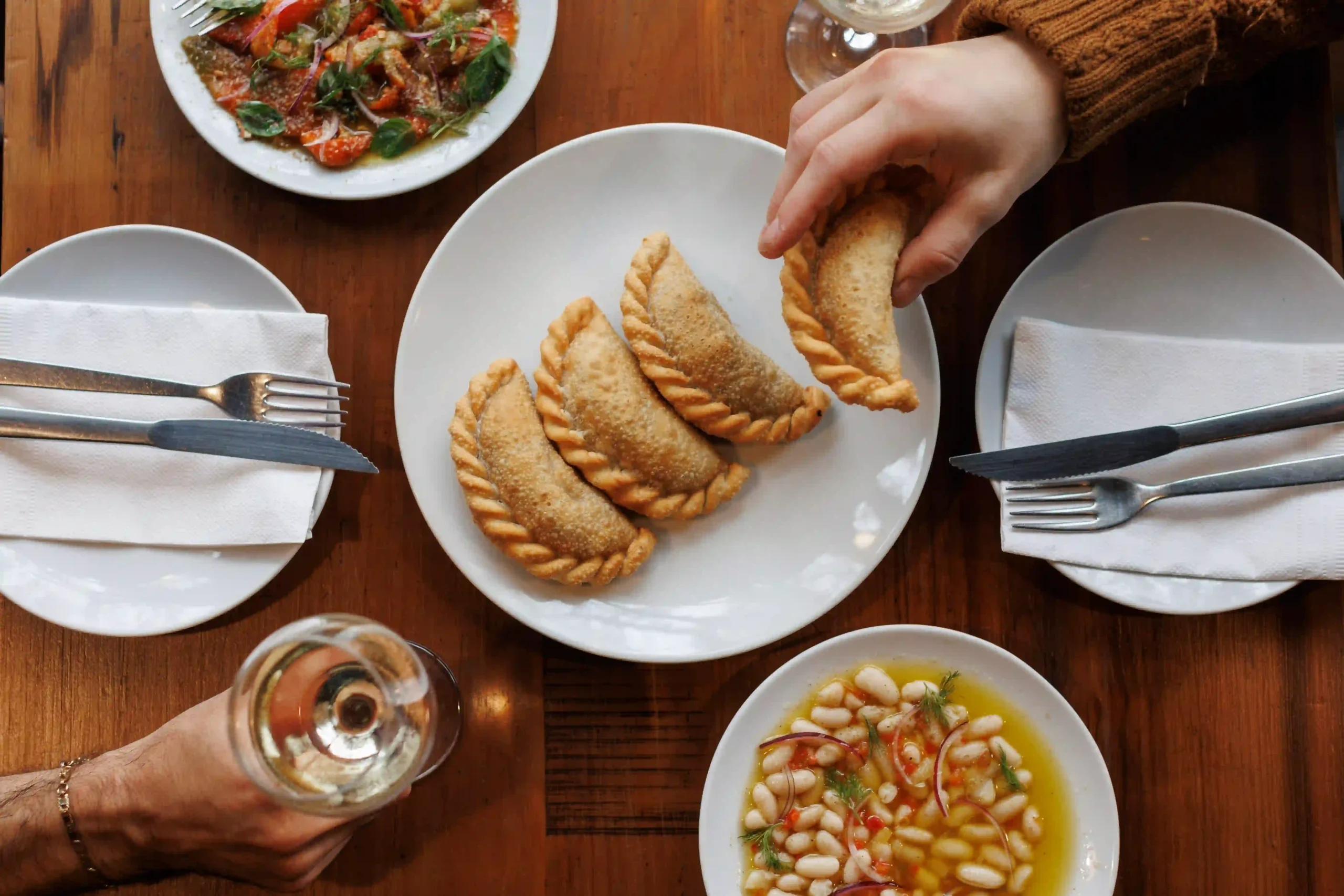
- Cultural Immersion: This isn’t just a tasting; it’s a deep dive into our identity. We show you the rituals, the repulgues, and the unspoken rules of eating like a true local.
- A Walk with Local Experts: We guide you through the real city. Whether we are wandering through the vibrant, graffiti-filled streets of Palermo or navigating the historic, bustling aisles of the San Telmo Market, we give you our unfiltered, local perspective.
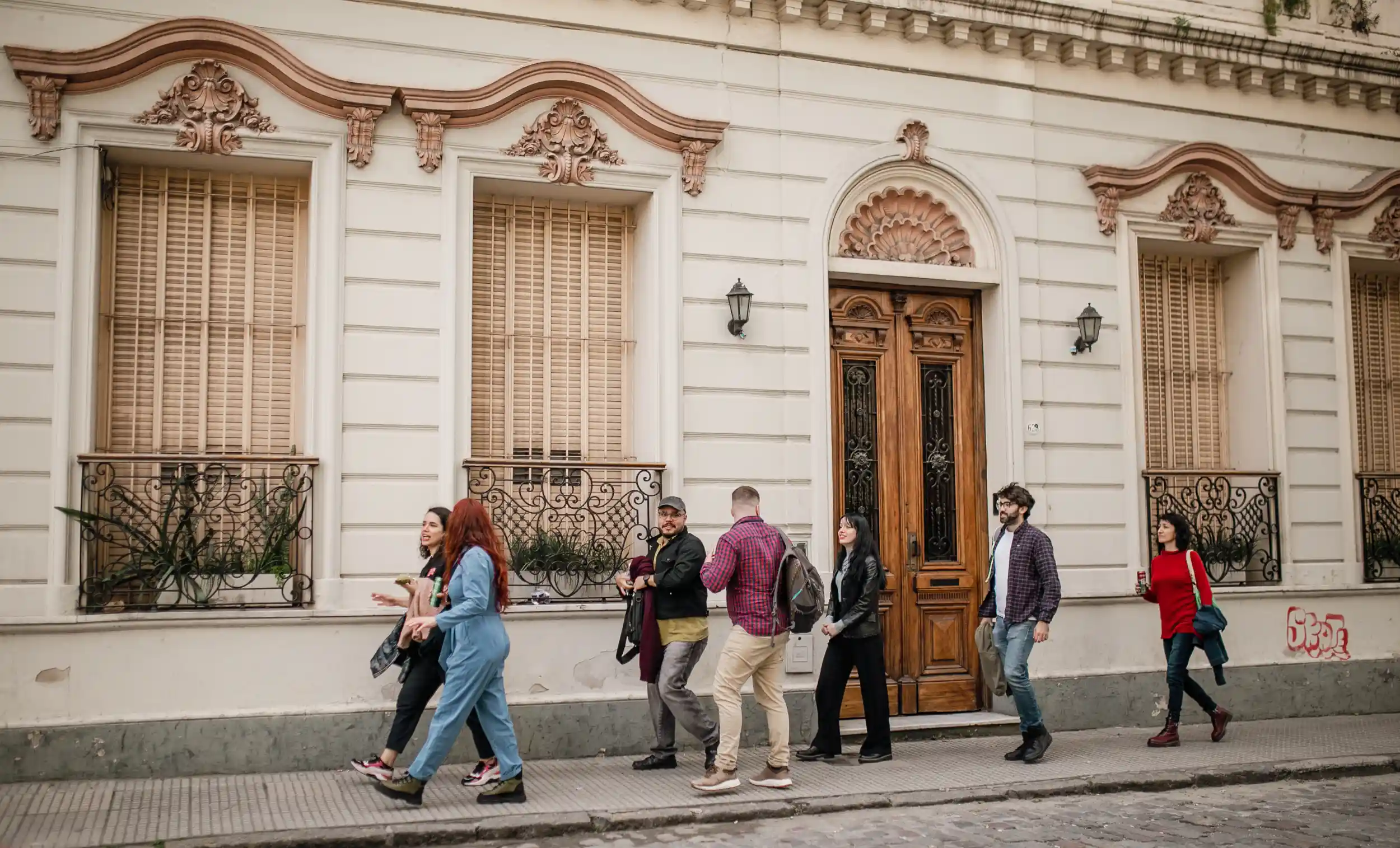
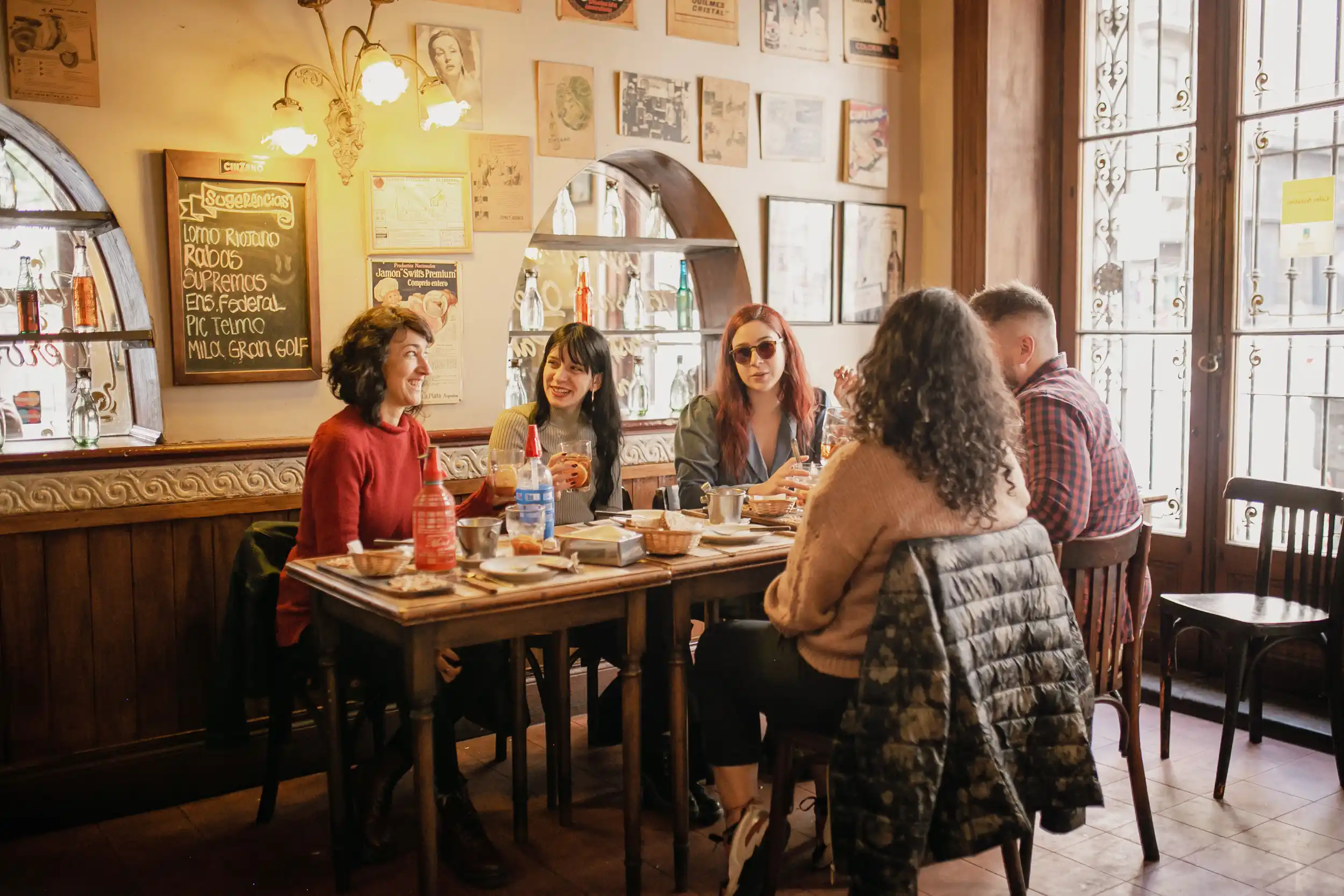
A Shared Social Experience: Food is meant to be shared. Our tours are the perfect opportunity to meet fellow food-loving travelers from around the world, share stories, and connect over incredible bites and great conversations.
Curious about the people behind the tours and how this crazy culinary adventure started? Discover our story here.
Let’s hit the streets!