Autor: Alex Pels

  • The 10 Best Things to Do in Buenos Aires

    The 10 Best Things to Do in Buenos Aires

    Often referred to as the Paris of South America, Buenos Aires is a city that captivates with its vibrant culture, rich history, and dynamic lifestyle. From the thrill of a football match to the elegance of a tango performance, this city offers a diverse range of activities that cater to every interest. Whether you’re a foodie, a history buff, or an adventure seeker, Buenos Aires has something for you. Here’s our guide to the ten best activities in Buenos Aires that you simply can’t miss.

    1. Food Tour

    Location: Palermo, San Telmo, Recoleta, Various Neighborhoods
    Website:
    Sherpa Food Tours

    Dive into the culinary heart of Buenos Aires with a guided food tour. These tours take you through the city’s most iconic neighborhoods and restaurants, offering a taste of everything from empanadas to gourmet ice cream. Local guides share stories of the city’s food culture, making it a delicious way to experience Buenos Aires. Each tour is tailored to showcase the best bites in the area, whether you’re exploring the cobblestone streets of San Telmo or the modern cultural center of Palermo. This is a must for food enthusiasts looking to understand the flavors that define Argentina – and to try the best empanadas in the world!

    sherpa food tours things to do in buenos aires

    2. Fogón Asado 

    Location: Palermo Hollywood, Uriarte 1423
    Website: Fogón Asado

    For a truly immersive Argentine experience, Fogón Asado offers a modern take on the traditional barbecue, or asado. This isn’t just a meal—it’s a culinary event that takes you through different cuts of meat, all grilled to perfection right before your eyes. The interactive aspect allows you to learn about Argentine grilling techniques and flavors while enjoying each delicious bite. Located in the heart of Palermo Hollywood, Fogón Asado is perfect for those who want to have the best time experiencing Argentine cuisine in a social, interactive setting.

    3. The Argentine Experience

    Location: Palermo, Fitz Roy 2110
    Website: The Argentine Experience

    The Argentine Experience combines fine dining with hands-on cultural education. This interactive dinner party invites you to learn how to make empanadas, mix cocktails like the famous mate-infused gin and tonic, and understand the nuances of Argentine cuisine. It’s more than just a meal; it’s an evening filled with storytelling, laughter, and cultural exchange. Ideal for couples, groups, and solo travelers, The Argentine Experience offers a fun and engaging way to dive into local traditions.

    Bonus tip:

    Not 20 minutes away from The Argentine Experience, you’ll find a mural of Frida Kahlo. It’s well worth a visit for any art lover!

    4. Criolla Cooking Class

    Location: Villa Crespo, Address provided upon booking
    Website: Criolla Cooking

    Step into a local’s kitchen and learn the art of Argentine cooking with Criolla. This intimate cooking class in Villa Crespo gives you the opportunity to prepare traditional dishes like empanadas and dulce de leche pancakes under the guidance of a skilled chef. The small class sizes ensure personalized attention, making it an ideal way to immerse yourself in Argentine culinary traditions. After the cooking, enjoy the fruits of your labor with a communal meal, complete with wine and great company.

    For those interested in exploring Buenos Aires through the lens of its dynamic street art and cultural movements, Furia Tours offers guided walking tours that dive deep into the city’s alternative scenes. These tours take you off the beaten path, showcasing hidden murals, the studios of local artists, street performers, museums off the beaten track, and vibrant neighborhoods like Palermo and La Boca. With knowledgeable guides leading the way, you’ll gain a new appreciation for the city’s artistic pulse and cultural diversity. Furia Tours is perfect for those looking to experience Buenos Aires beyond its touristy facade.

    6. Polo Day Tour

    Location: Various Polo Clubs outside Buenos Aires

    Argentina is famous for its polo, and there’s no better place to experience this elite sport than in Buenos Aires. While Buenos Aires is a big city, a day trip to play polo still takes you to the outskirts of the city, where you can watch a thrilling polo match, visit stables, and even try your hand at playing. The tour typically includes a traditional Argentine asado, allowing you to enjoy the countryside while indulging in some delicious food. This is an ideal activity for those looking to combine sports, culture, and gastronomy in one unforgettable day.

    7. Cementerio de la Recoleta

    Location: Recoleta, Junín 1760

    More than just a cemetery, Cementerio de la Recoleta is a journey through Argentina’s rich history. This sprawling site is the final resting place of some of the country’s most iconic figures, including Eva Perón. The elaborate tombs and mausoleums, many of which are works of art, tell the story of Argentina’s political and social elite. A guided tour is highly recommended to fully appreciate the historical and architectural significance of this Buenos Aires landmark. It’s a serene, reflective place that offers a unique perspective on the city’s past.

    8. Tango: Classes, Theatre, and Milonga

    Location: Various Locations

    Tango is the heartbeat of Buenos Aires, and there are countless ways to experience this passionate dance. Take to the dance floor with a tango class in a traditional dance studio, watch a professional tango show in a grand theatre, or visit a milonga where locals dance late into the night. Whether you’re a seasoned dancer or a complete beginner, engaging with tango culture is a quintessential Buenos Aires experience. Each setting offers a different perspective on the dance, from its origins in the city’s working-class neighborhoods to its status as a global symbol of Argentine culture. Tango dancers are true Argentine artists, and will transport you with their purposeful movements to carefully curated live music. The best tango show in our opinion is Secreto Tango Society

    Insider tip:

    See if you’re lucky enough to catch a tango show at the city’s famous Teatro Colón. With stunning architecture and surrounded by some of Buenos Aires’ best art museums, this is a must-visit for anyone seeking a true cultural experience.

    9. Football Match

    Location: Various Stadiums

    In Buenos Aires, football is more than just a game—it’s a religion. Watching a live match at one of the city’s legendary stadiums, such as La Bombonera (home to Boca Juniors) or El Monumental (home to River Plate), is an electrifying experience. The passion of the fans, the intensity of the game, and the vibrant atmosphere in the stands combine to create an unforgettable event for visitors of all ages. Whether you’re a football fanatic or just curious, attending a match is an essential Buenos Aires experience that immerses you in the city’s fervent sports culture.

    10. San Telmo Market

    Location: San Telmo, Defensa 961

    To round out your Buenos Aires adventure, visit the San Telmo Market, a bustling hub of antiques, local crafts, and food stalls. Located in the historic San Telmo neighborhood, this market is a feast for the senses, offering everything from vintage treasures to artisanal goods. The food court is a must-visit, serving up traditional Argentine snacks and international flavors. The market is particularly lively on Sundays, when the entire neighborhood turns into a vibrant street fair. It’s a perfect place to soak up the local atmosphere, find unique souvenirs, and enjoy some street food.

    Bonus tip:

    When visiting the San Telmo Market, you can take a casual 20 minute stroll down to the Casa Rosada – Argentina’s federal government office. Housed in a pink palace, it is home to the presidential offices, and is located just on the Plaza de Mayo. 

    Need a quick break from all those cultural and foodie activities? Discover where to find the best leather goods and local boutiques in our guide to the best shopping areas in Buenos Aires.

  • What to eat in Buenos Aires and Where: A guide for foodies

    What to eat in Buenos Aires and Where: A guide for foodies

    Iconic Buenos Aires Food Experiences and Dishes to try during your stay

    When people think about typical Buenos Aires Food, the first thing that comes to mind is usually steak and wine (Malbec, amirite?). However, there’s a lot more to Buenos Aires cuisine.

    Try some choripán during a walk through the Costanera, have a slice of pizza on Avenida Corrientes or enjoy a fantastic cup of coffee with pastries at any of the incredible cafés the city has to offer.

    This guide covers the must-try dishes and foods any visitor should enjoy during their stay in Buenos Aires, and where to do it.

    Asado and Parrillas

    We have to start with what we are famous for! If you want some of that world-famous Argentine steak, head to one of these parrillas (steakhouses) for a taste of the best meat in the entire world (despite what Uruguay may claim).

    • Parrilla Peña (Rodríguez Peña 682): This steak house is closer to Recoleta which makes it the perfect stop when deciding to explore the neighborhood. Low key local vibes and premium quality steak.
    • RS Esquina (Roseti 1596): If you are feeling alternative and want to explore Chacarita, the up and coming neighborhood in Buenos Aires, why not have some pasture-raised beef while you are at it!
    • Cabaña Las Lilas (Av. Alicia Moreau de Justo 516): Elegant, top-notch and failure-free steakhouse in Puerto Madero.

    Wine Tasting in Buenos Aires

    Thirsty for some of that famous Malbec? Look no further! Wine bars have been popping all over town in recent years, to fill a growing demand for a more sophisticated wine experience. 

    Our Palermo Food Tour features a wine-tasting stop, where you get to sample signature regional wines in a classic porteño setting, while also sampling local dishes (give it a try – we promise you won’t be sorry!).

    If you are looking for a wine bar, these are our Buenos Aires faves:

    • Pain et Vin (Gorriti 5132): owned and served by a married couple, Pain et Vin was the original wine bar, and still one of the best. With a hand-picked wine selection paired with heavenly bread, this comfy, intimate place is a delightful spot for connoisseurs and beginners alike.
    • Vico Wine Bar (Gurruchaga 1149): One of the largest wine selections in Buenos Aires in a classy setting. This is a must for wine lovers.
    • Cava Jufre (Jufré 201): If you are looking for a more personal wine experience, go out of your traditional Palermo setting to visit La Cava Jufre in a more relaxed alternative vibe.

    Pizza porteña on Avenida Corrientes (…and elsewhere!)

    Avenida Corrientes is home to some of the best pizzerias in town. The street also houses many theaters (and fancies itself the Argentine Broadway) and bookstores, making it an ideal location for an evening stroll or lunch break.

    Argentine pizza has a thicker crust and loads of cheese – grab a slice to eat on the go or by the standing counter, or get a table and share a pizza with a friend over some Moscato wine (and do try the fainá, a.k.a. chickpea flour pancake). 

    Pizzerias on Calle Corrientes:

    • Güerrín (Av. Corrientes 1368): the most famous pizzería in Avenida Corrientes, go for hype and stay for the slice.
    • Banchero (Av. Corrientes 1604): Another classic, featuring classic with a retro feel, a good option if you want to grab a table and skip the long wait at Güerrín.
    • Genova (Av. Corrientes 872): unpretentious and reliable, Genova offers a great slice at a decent price. If you are tired of going to the same place as every other tourist, head here.

    It’s not all downtown Avenida Corrientes – consider visiting these pizzerias in other neighborhoods:

    • El Cuartito (Talcahuano 937): hands down the best pizza in Recoleta, what else is there to say?.
    • El Imperio de la Pizza (Av. Corrientes 6891): the Chacarita classic – a pizza so good we know of people who went to a movie in Avenida Corrientes and then hopped onto the subway for dinner at Imperio.
    • Bar Roma: (Anchorena 806): looking for something a bit more modern? Bar Roma’s got you – the place may be old, but they’ve refurbished the building and gave the menu solid makeover. Great pizza, great drinks, great ambience.

    Argentine Empanadas

    Empanadas are a Buenos Aires staple, and any pizzeria worth its salt will offer a decent empanada. The classic flavors are carne (beef), jamón y queso (ham and cheese) and humita (corn).

    If you are looking for something more elevated, try one of the following locations.

    Empanada places to try:

    • La Cocina (Av. Pueyrredón 1508): This is like dying and going to Empanada Heaven. Low-key local vibes, if you are hunting for the perfect empanada this is your stop.
    • EL Hornero (Av. Carlos Calvo 455 local 88 y 89): situated in the San Telmo Market, El Hornero is worth a stop after perusing the nearby stores. Great empanada selection, with several vegetarian options.
    • El Sanjuanino (Posadas 1515): a restaurant by and for locals, this place specializes in regional food, including empanadas (we recommend sticking to the classics here).

    Cafés notables: coffee and pastries

    A typical Argentine breakfast consists of a good cup of coffee and medialunas (croissants, and yes, plural). Dipping a medialuna in your coffee gets you extra argentine-ness points. And because one coffee is not enough, Argentines also enjoy coffee and medialunas as merienda, their mid-afternoon coffee break. You can also switch medialunas for alfajores (dulce de leche-filled cookie sandwiches).

    Buenos Aires is filled with incredible cafés, but if you want a taste of tradition together with your cappuccino, go to one of the cafés notables, which are historical cafés spread throughout the city.

    • Café Tortoni (Av. de Mayo 825): Parisian-style grand café in the heat of the city center. Worth waiting in line for. Do try the churros and hot chocolate!
    • Las Violetas (Av. Rivadavia 3899): Iconic historical café in Almagro, featuring 1020s decor, superb pastries and a lovely atmosphere.
    • La Biela (Av. Pres. Manuel Quintana 596): located right in front of the Recoleta cemetery, La Biela is the perfect spot to grab a cup of coffee after some sightseeing.

    Looking for something more modern? Try these cafés:

    • Atelier Fuerza (Ecuador 1283): we gotta be honest, we added La Fuerza because of the pastries, and the pastries alone. It is actually a bakery, but it’s THE bakery.
    • Zarpado Café (Pasaje Echeverría Local 9): a hole-in-the-wall café in the newly opened pasaje Echeverría, Zarpado is a worthy offering among the up-and-coming Barrio Chino gastro scene.
    • Sastre Café (Av. Díaz Vélez 4674): Tiny spot next to Parque Centenario – take your coffee to go and do try the pastries!

    Choripán: Street meat by the riverside

    Eating a good choripán by the riverside is a favorite pastime for many porteños. The Costanera comes alive during the weekend, as the city dwellers flee the streets for a taste of fresh air and street meat.

    Order a choripán (chorizo sandwich) at one of the many street carts lining up the street at the Costanera. Other sandwich options are bondiola (pork) and lomito (steak). Add chimichurri sauce for an extra kick. If you fancy a choripán, but don’t want to go all the way to the Costanera, you can head to similar street carts in the Bosques de Palermo.

    Not really into food carts? You can also try choripán at Chori in Palermo Soho (Thames 1653).

    Ice Cream with Italian Flair

    It’s no secret that Argentina has a sweet tooth, and with our Italian heritage, gelato quickly became a national passion. Heladerías are open all year round, and we even sell ice cream by the kilo, so you can enjoy it at home too.

    The best heladerías in town are those that combine local flavors with Italian tradition, plus a side of innovation.

    Ice cream shops worth a visit:

    • Scannapieco (Av. Álvarez Thomas 10): classic porteño ice-cream shop, with signature Italian flavors (and a mean crema chantilly!).
    • Rapa Nui (Avenida Santa Fe 772): originally from the South, Rapa Nui has the best chocolate flavors (yes, plural) and berry sorbets.
    • Obrador Florida (Soler 5063): a modern take on ice cream, this place features exotic creations and seasonal flavors only. A bit pricey, but worth it by far.

    Bodegón dishes: homemade-style food

    Bodegones are dinner-style restaurants. Typical bodegones feature vintage wooden decor, football (yes, we don’t call it soccer) memorabilia and family photos. No Buenos Aires food experience is complete without a visit to a bodegón.

    Bodegones offer simple, hearty dishes in generous portions. Go hungry, and ask about the house specialties.

    Typical bodegón dishes are the iconic tortilla with chorizo, milanesas with a side of fries and pasta dishes such as ravioli or cannelloni. Don’t skip dessert: try the flan mixto (with whipped cream and dulce de leche) or dulce de leche pancakes.

    Our bodegón favorites:

    • Los Galgos (Av. Callao 501): Much like El Preferido (part of our Palermo Tour), this is a refurbished bodegón that serves Argentine staple dishes.
    • Cantina Los Amigos ( Loyola 701): Literally named «The Friends» this is a traditional gathering spot for friends and families in the neighborhood of Villa Crespo. Don’t expect fancy, refined dished but rather large portions that can’t be contained in a traditional plate. This place is better enjoyed with a group of people to sample more dishes.
    • Barcelona (Avenida Córdoba 5895): traditional dishes, laid-back atmosphere and very affordable prices. Hot tip: try the apple tarantella for dessert.

    Yerba Mate: that thingie with the straw

    You’ve heard about it, but don’t quite get the hype: what is this yerba mate thing?

    Mate is a typical argentine drink which is consumed following a strict code of rules. You must have an appropriate container (also called mate), which is typically made out of a calabash gourd. Then you add the chopped yerba mate leaves and put a metal straw (bombilla) in. Pour hot water, and then drink (never ever move the bombilla – this is considered poor manners).

    The thing about mate is that you won’t be able to find it at a restaurant – most people have their own mate they drink at home or bring with them to work/school. However, you can try mate as part of the Argentine Experience (a crash course into Argentine cuisine for newcomers).

    The other alternatives are to befriend and Argentine (which is actually quite easy) and get them to share mate with you, or buy your own mate (this makes for a great souvenir as well).

    Gluten Free and Vegan Options

    Gluten Free Buenos Aires Food: what are my options?

    Steakhouses (Parrillas): Don Julio, Las Lilas and Corte Comedor all have gluten-free options. Campobravo is exclusively gluten free.

    Cafés and bakeries: La Union Bakery and Gout Café are completely gluten-free. Felice is also a pretty good gluten-free restaurant and café.

    Ice cream shops: Antiche Tentazioni, Cremolatti and Rapanui have gluten-free options (though Rapanui’s is prepackaged).
    Pizza and Empanadas: Taccout and Jana Gluten Free are the go-to for the gluten-free crowd

    Where to eat vegan in Buenos Aires?

    Bakeries: Sableé Vegana (Belgrano)

    Cafés and Restaurants: Fifí Almacén, Mudra, Loving Hut (all in Palermo) are some top-notch vegan cafés. Ruta Jardín and Fauna are not fully vegan, but have good vegan options. La Reverde (City Center) is a vegan «parrilla», for those who crave cruelty-free vegan steak. Sacro (Palermo) is a great vegan & vegetarian restaurant.

    Pizza: Pizza Vegana (takeaway), Flipper (they have vegan and non vegan, same options for both menues). Güerrín also has a vegan option.

    Ice cream shops: Obrador Florida, Antiche Tentazioni and Rapa Nui, while not entirely vegan, have great vegan flavors.

    Ready to Stop Reading and Start Eating?

    This guide gives you the map, but navigating the massive Buenos Aires food scene can be overwhelming. How do you choose? You don’t have to…

    Why stress about reservations or missing out on a hidden gem when you can experience the best of it all, curated by a local expert?

    Discover Sherpa Buenos Aires Food Tours: Stop guessing and start tasting. Join a Sherpa tour to discover the city’s most authentic, must-try flavors in just a few hours.

    Not ready to book? Use our full Buenos Aires Travel Guide to dive even deeper into specific neighborhoods and culinary secrets.

    Want the ultimate cheat sheet for your trip? Go straight to our curated list of the absolute best restaurants in Buenos Aires.

  • What is asado in Argentina?

    What is asado in Argentina?

    Everything you need to know about Argentina’s most iconic tradition and national dish. Social gathering, assorted grilled meats, and an all-day affair: asado is all that and more, as we will explain in this article.

    What is asado?

    Asado is both a cooking technique and a social event akin to a barbecue. In Argentina, asado is one of the most important national traditions.

    Asado as a barbecue

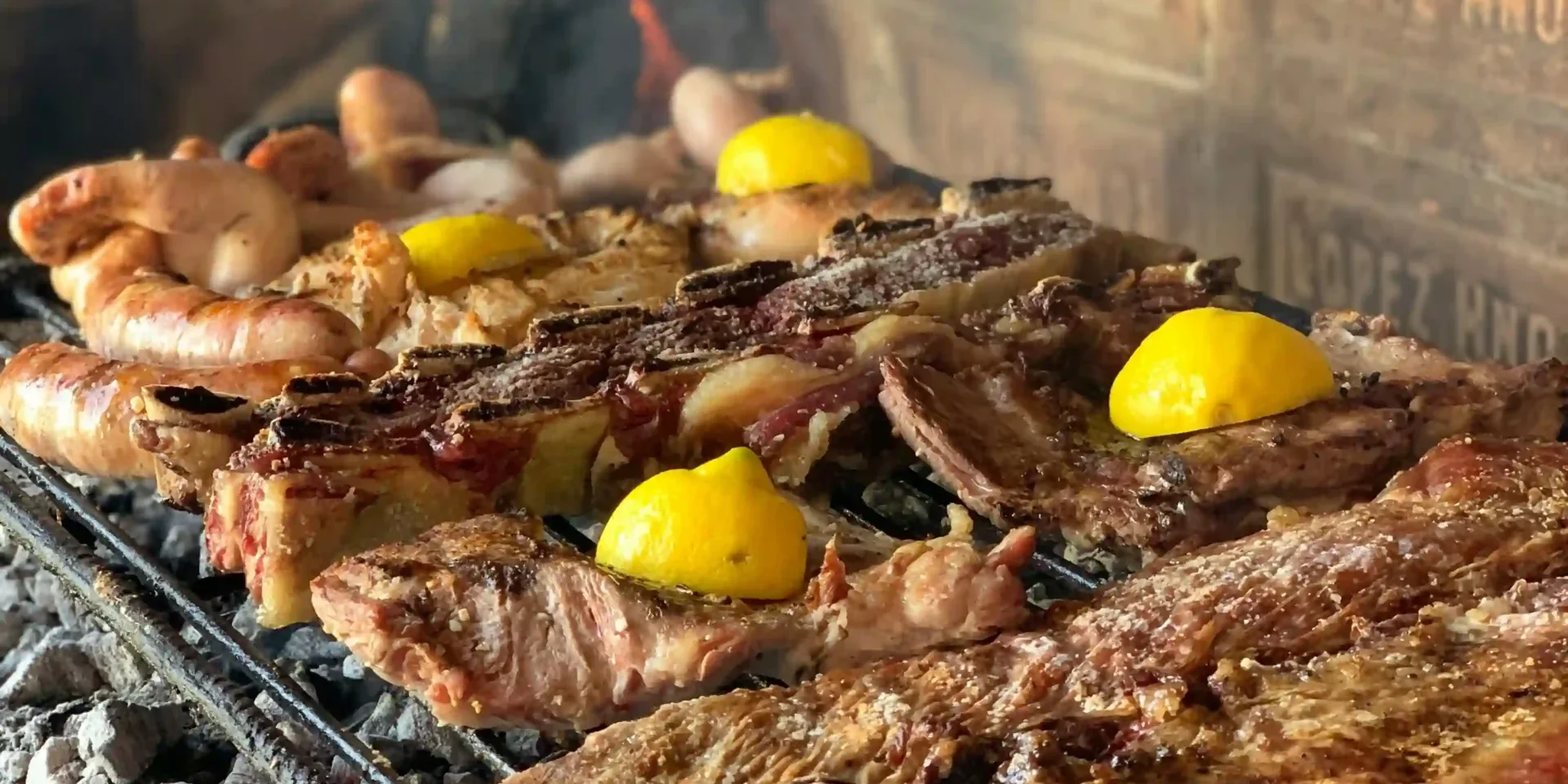
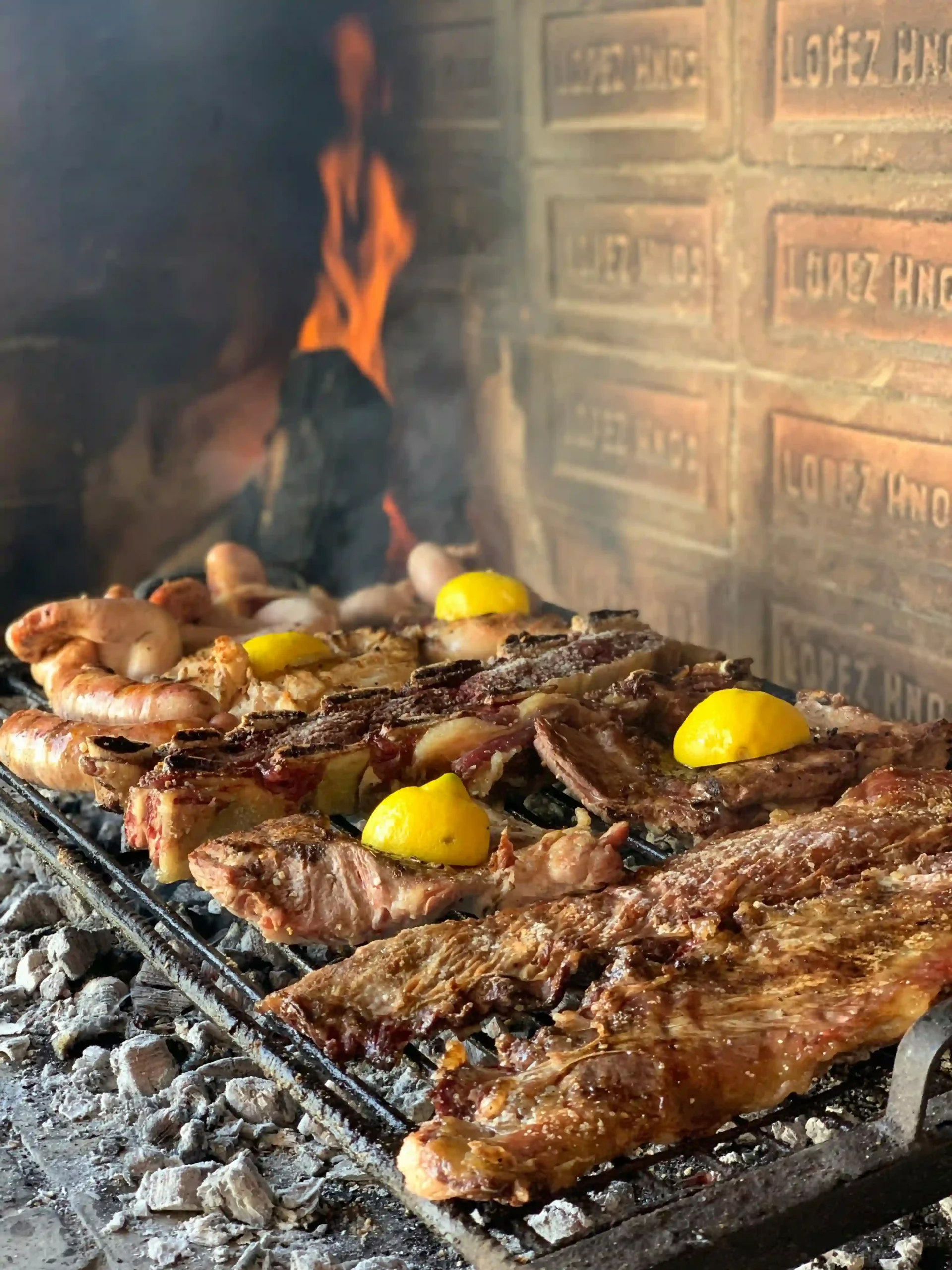
    As a barbecue, asado consists of a variety of grilled meats, primarily beef, although pork and chicken are also used. In addition to the meats, several “embutidos” (sausages) and “achuras” (offal) are served, as well as side dishes, grilled vegetables, and sometimes grilled provoleta cheese.

    Asado beef cuts

    Let’s go over some of the most popular asado meats. There are a lot of options and regional variety. In the city of Buenos Aires and its parrillas, the typical cuts are:

    • Tira de asado (Argentine short rib): the go-to asado meat cut. It has more bone and fat than other cuts but is very flavourful.
    • Vacío (flank steak): an affordable and juicy cut with a thin layer of fat on the sides. It’s quite thin.
    • Entraña (skirt steak): thinner than vacío, with a white layer of fat that gets very crispy once cooked.
    • Lomo (tenderloin): a lean cut with a hefty price tag, usually reserved for fine dining (like high-end parrillas) but seen at asados on special occasions.

    Other popular cuts are tapa de asado (rib cap) and bife de chorizo (sirloin).

    Matambre de cerdo (pork rose meat) and bondiola (pork tenderloin), when used, are prepared with lemon juice and then cooked on the grill as well.

    Asado sausages

    • Chorizo (sausage): everyone’s favorite sausage, chorizo is a traditional pork sausage typically eaten as is or in a “choripán”, that is, a chorizo sandwich. You may add chimichurri for an extra something.
    • Morcilla (blood sausage): not as vital as chorizo, but an asado staple nonetheless. It tastes better served hot, but leftover cold morcilla can be served as picada (we’ll explain the picada later).
    • Salchicha parrillera (thin sausage): If you are not up for a chorizo but still want a sausage, this is the one for you.

    Asado offal (achuras)

    The achuras are always a gamble. When properly prepared, they can be fantastic. If not, well, you can always put them aside.

    • Chinchulines: chitterlings.
    • Mollejas: sweetbreads.
    • Lengua: tongue.
    asado in argentina

    Asado side dishes

    An asado is all about the meats, so the side dishes are usually there to “enhance” the experience.

    • Green salad: simple, easy to whip up, no-nonsense salad featuring tomatoes and lettuce. You can also add carrots and onions.
    • Potato salad: boiled potatoes, boiled eggs, a whole lotta mayonnaise.
    • Vegetales a las brasas (grilled veggies): bell peppers, potatoes, onions, and corn. Wrap these bad boys on foil paper and put them on the grill.
    • Provoleta cheese: a local variation of Provolone cheese, ideal for grilling. Season it with chimichurri or spices and olive oil before cooking.

    Asado sauces

    Argentines don’t season their cuts besides adding salt, but they enjoy adding sauces once the cut has been served. Popular options are chimichurri and salsa criolla, both Argentine in origin.

    What is chimichurri?

    Chimichurri is a sauce made with finely chopped parsley, oregano, garlic, oil, and some vinegar or lemon juice. Chimichurri tastes better when fresh herbs are used. You can spice the sauce up by adding red pepper flakes (ají molido).

    What is salsa criolla?

    Salsa criolla is another uncooked sauce made with thinly sliced onions, bell peppers (red or green), and tomatoes. Olive oil, vinegar, and salt and pepper are also used to add flavor.

    Asado as a social gathering

    An asado is an all-day affair; the designated asador (the person in charge of the grill) starts the fire very early on, just as guests are arriving. While the asador is at work, the others help set the table and prepare the side dishes. When everything is in place, the picada is served.

    What is a picada?

    A picada is an appetizer, usually served on a tray and consisting of a variety of cheeses, cold cuts, bread slices, olives, and other snacks. The verb “picar” means to snack.

    Many ingredients can go into a picada, but salamín (salami), pategrás cheese, and olives are common picada choices, typically served with slices of bread.

    Once people start eating, they also start drinking: expect the first of many Malbec bottles to be opened at this point. Alternatively, people may go for a cocktail, such as Argentina’s infamous fernet con coca, one of our most traditional drinks.

    Asado Entrées

    The parrilla (grill) should be up and running by now, with the first cuts laid out on the grill. Argentines don’t season their meats besides adding salt; pork cuts may be prepared with some lemon juice, and that’s it.

    The first thing out of the grill will be the chorizos (sausages), which are always a huge crowd-pleaser. There’s bound to be bread at the table, so guests can prepare their very own choripán (chorizo sandwich), or “chori” for short. Morcilla (blood sausage) and salchicha parrillera (thin sausage) will also be served at this point.

    Sauces such as chimichurri and salsa criolla can be added to your chori for extra flavor. Neither is spicy, as Argentines aren’t particularly fond of the heat.

    Asado cuts are served

    Next comes the offal and the main asado cuts (although the offal is sometimes served first). By this point, everybody should take their seat. The asador will take the biggest cut out of the grill, serve it on the table, and then cut it. A round of applause for the asador is customary, to congratulate them on an asado well done.

    What’s left is to eat, chat, drink, and eat some more while the rest of the cuts are served. The asador will sit down once everything is out of the grill, but they usually eat a little bit of each cut as they serve them.

    Time for Dessert

    The main event is over, but the feast continues. Coffee and dessert will be served next. Some people serve ice cream (in Argentina, you can buy artisanal ice cream in bulk at any ice cream shop). Others serve tiramisú or maybe a cake such as chocotorta. A mate will probably be passed around.

    At the end of an asado, you should feel full, happy, and ready for a long nap.

    Where can I eat asado in Buenos Aires?

    On to the hard part: the best way to eat asado is to be invited to one. Befriending an Argentine is easy, but if you are in town for just a couple of days, chances are you won’t get your invitation in time.

    However, you can always head to a local parrilla (steakhouse) to enjoy some perfectly cooked asado meats and side dishes. It’s not the same as an asado, but it’s one of the closest things to it.

    Last but not least, we know an Argentine asado is about much more than the meat. It’s a social ritual; it’s about sharing time, stories, and incredible food with other people. At Sherpa, we believe that’s the best way to experience all of Buenos Aires’ gastronomy. Why settle for just one parrilla when you can explore the entire local food scene, with others?

    Join our tours to taste it all, while enjoying the experience with fellow food lovers, just like a real asado.

    Asado questions and trivia

    How do you start a fire for an asado in Argentina?

    Argentines typically use dry wood or charcoal. You assemble a small pile of paper, small branches, and/or straw first, and then light the wood or charcoal on top. Then gradually add more wood or charcoal until there’s enough lit up to use the grill. Charcoal works faster and is more efficient, while wood takes longer but makes for a better aftertaste.

    What is asado a la cruz?

    In the countryside, another way of preparing an asado is by lighting a fire and then “staking” the cut – usually a costillar (rib rack) or another big cut – on a cross-like steel contraption.

    What are the asado cooking points?

    Jugoso: medium-rare, not to be confused with “blue”.
    A punto: true medium, with some pink in the middle.
    Pasado de punto: between medium and well done.
    Cocido: well done.
    Suela: thoroughly cooked. Suela means “shoe sole”.

    What to eat at an asado if I’m vegetarian

    Vegetarians can enjoy provoleta (grilled provolone-type cheese) and roasted vegetables such as red pepper, potatoes, onions and corn. Filled vegetables are also an option, such as red peppers with mozzarella or fried egg on top.

    Vegans can enjoy a variety of grilled veggies with chimichurri or salsa criolla. Green salads are usually safe for vegans to eat too. Be sure to ask the host to wrap your veggies in tin foil so they aren’t touching any of the meat cuts or non-vegan ingredients. In Buenos Aires, some specialty shops and dietéticas (health food shops) sell plant-based vegan meats for the grill. If you are in a pinch, you can buy vegan burgers at big supermarkets from brands such as NotCo and bring them to your asado.

    What to bring to an asado

    If you are invited to an asado, it’s polite to ask the host if there’s anything you can bring. They may ask you to bring a salad, dessert, bread, ice or something to drink. If they say they don’t need anything, bringing a bottle of Malbec is a classy move.