Autor: Guille Borthwick

  • Michelin Tacos in Mexico City: Our Honest Verdict

    Michelin Tacos in Mexico City: Our Honest Verdict

    When you think of the Michelin Guide, you probably picture white tablecloths, tasting menus, and reservations made months in advance. But Mexico City plays by its own rules. When the guide arrived in CDMX, it changed the game completely by awarding stars and recognition to the street food stands and local taquerías. And honestly, it makes perfect sense. In a country with such a rich, complex gastronomy, recognizing the streets is an authentic way to reflect its true culture.

    Because of our obsession with travel and food, we learned early on that the only way to build the travel company we want is by doing the legwork ourselves. We have to try it, eat it, travel, and experience it firsthand to have our own real perspective before we recommend anything to you. So, my business partner and I flew out to Mexico City and spent an entire week eating absolutely everything we could find. (Listen, someone has to do the heavy lifting; I really love my job).

    After countless tortillas and rivers of salsa, we built our own list. Here is our honest guide to the Best taquerías in Mexico City.

    michelin tacos in mexico city

    El Califa de León: The Michelin Starred

    We had to start with the legend. El Califa de León is the place that made the fine-dining world realize what locals have known for decades: a street stand can absolutely go toe-to-toe with a multi-million-dollar kitchen, as long as the recipe and the ingredients are good (and trust me, these are good). Is it the best taco in all of CDMX? Not necessarily. But it has the undeniable grace of being the very first street stand to earn this level of global recognition, and that alone makes it an essential stop.

    As everyone will tell you, the absolute non-negotiable order here is the Gaonera taco. It’s true, just go for it. Named after a famous Mexican bullfighter, it is a masterclass in not overcomplicating things. You get a paper-thin slice of beef filet, cooked to order on a blisteringly hot plancha, seasoned with nothing but salt and a squeeze of fresh lime, all resting on a freshly handmade corn tortilla. There is nowhere to hide with a recipe this simple, and they don’t need to. Unpretentiously great.

    Address: Av. Ribera de San Cosme 56, San Rafael, Cuauhtémoc, CDMX

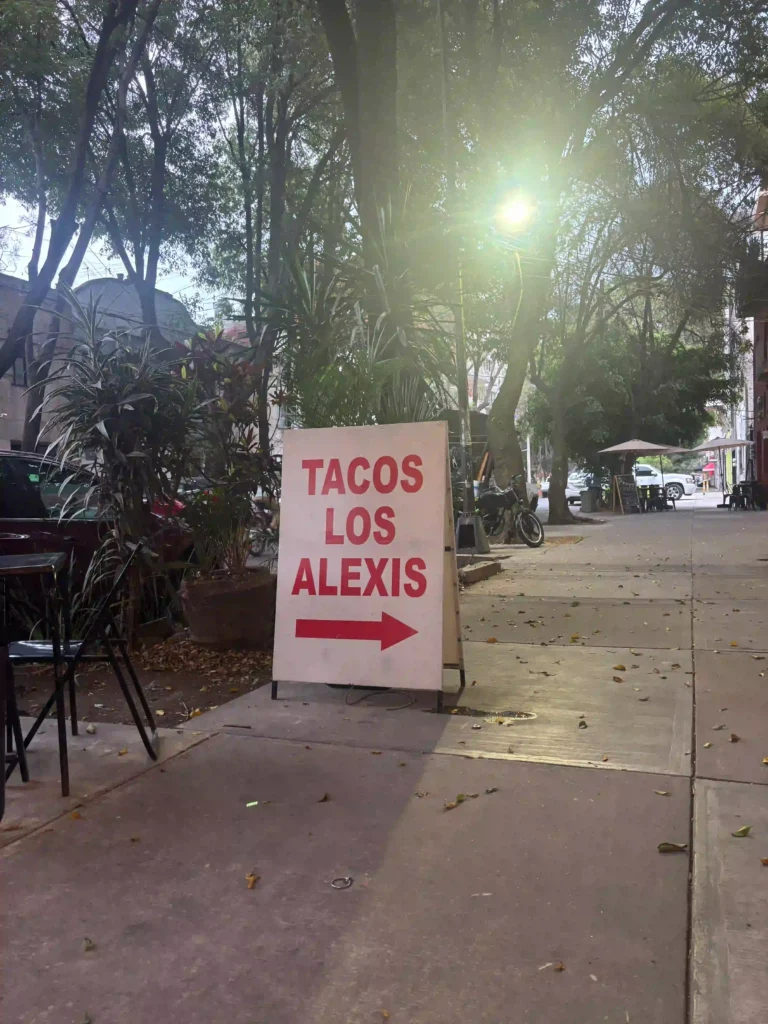
    Tacos Los Alexis: Our Unanimous Favorite

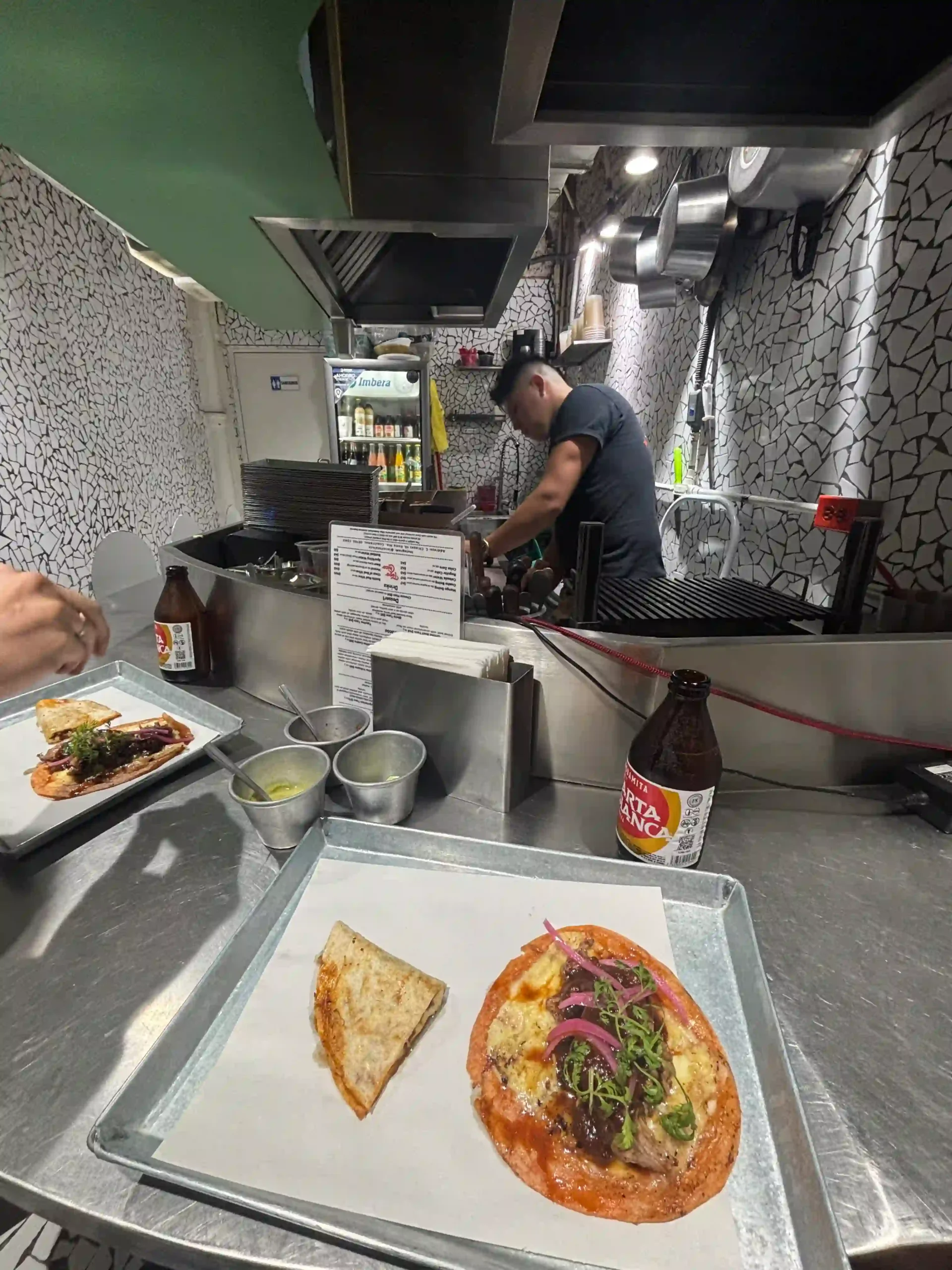
    Alex and I sat right at the bar, and getting to watch the open kitchen in action is a great experience. It is a very local spot that keeps a humble profile, but out of all the places we visited, this was unanimously the favorite for both of us.

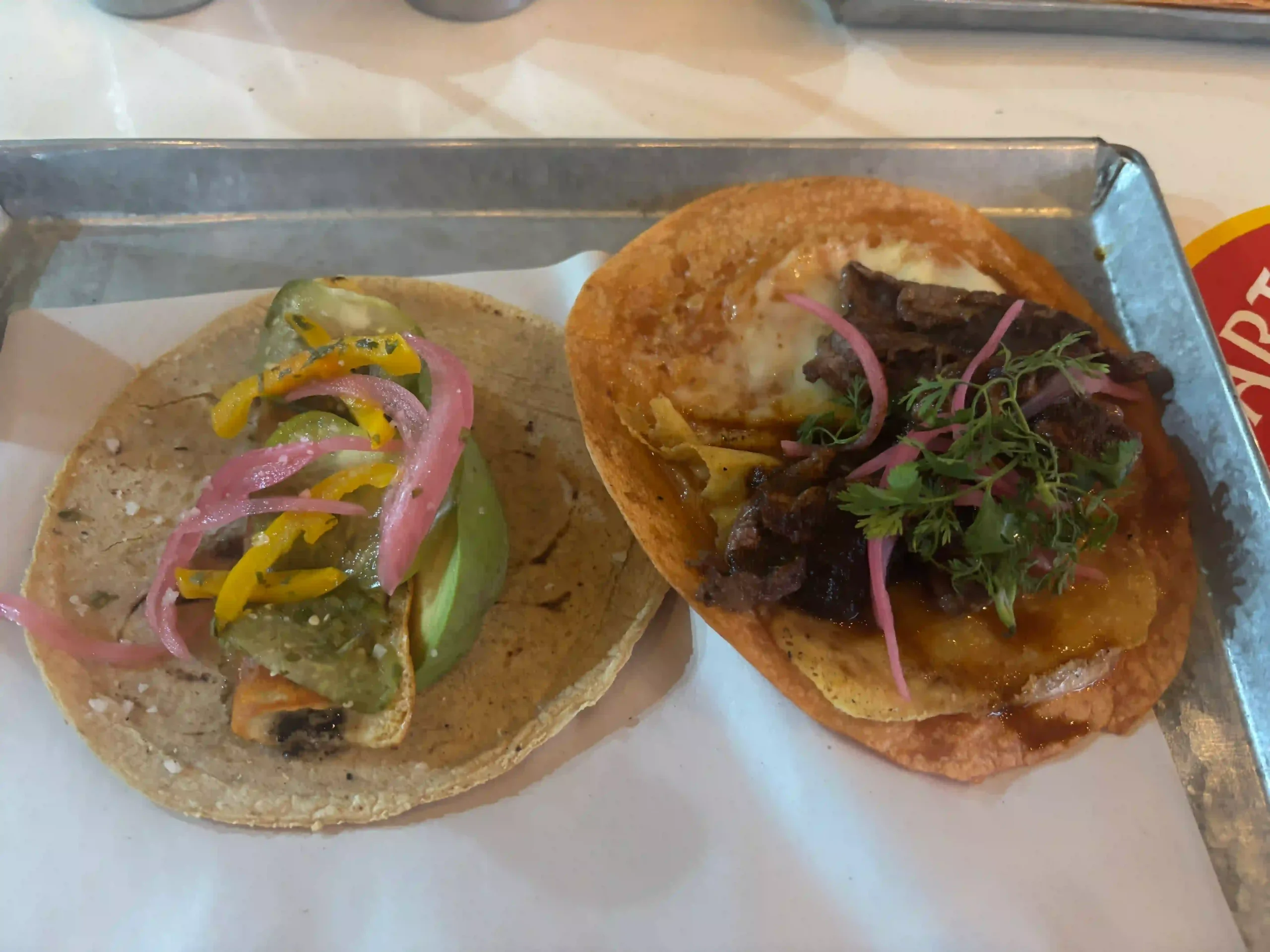
    We ordered the Taco Especial, and the carne asada is simply excellent. But what really blew our minds was their salsa borracha; it is insanely good. While we were eating, we got the chance to talk to Jordan, who works in the kitchen, and it just showed us what a genuinely great, welcoming vibe the whole place has.

    Also, a huge shoutout to their menu: if you don’t eat meat, their vegetarian option is an absolute must. It is honestly one of the best vegetarian tacos I have ever tried.

    Address: C. de Chiapas 46, Roma Norte, Cuauhtémoc, CDMX.

    Barbacoa Gonzalitos: The Northern Classic in Roma Norte

    This was one of my favorites in the city. Barbacoa Gonzalitos has just a few sidewalk tables and some counter seating, but the crowd waiting outside tells you everything you need to know.

    What I really loved about this place is how simple it is. If you want to play it straight down the middle with a safe bet that absolutely delivers, this is your spot.

    gonzalitos tacos northern style

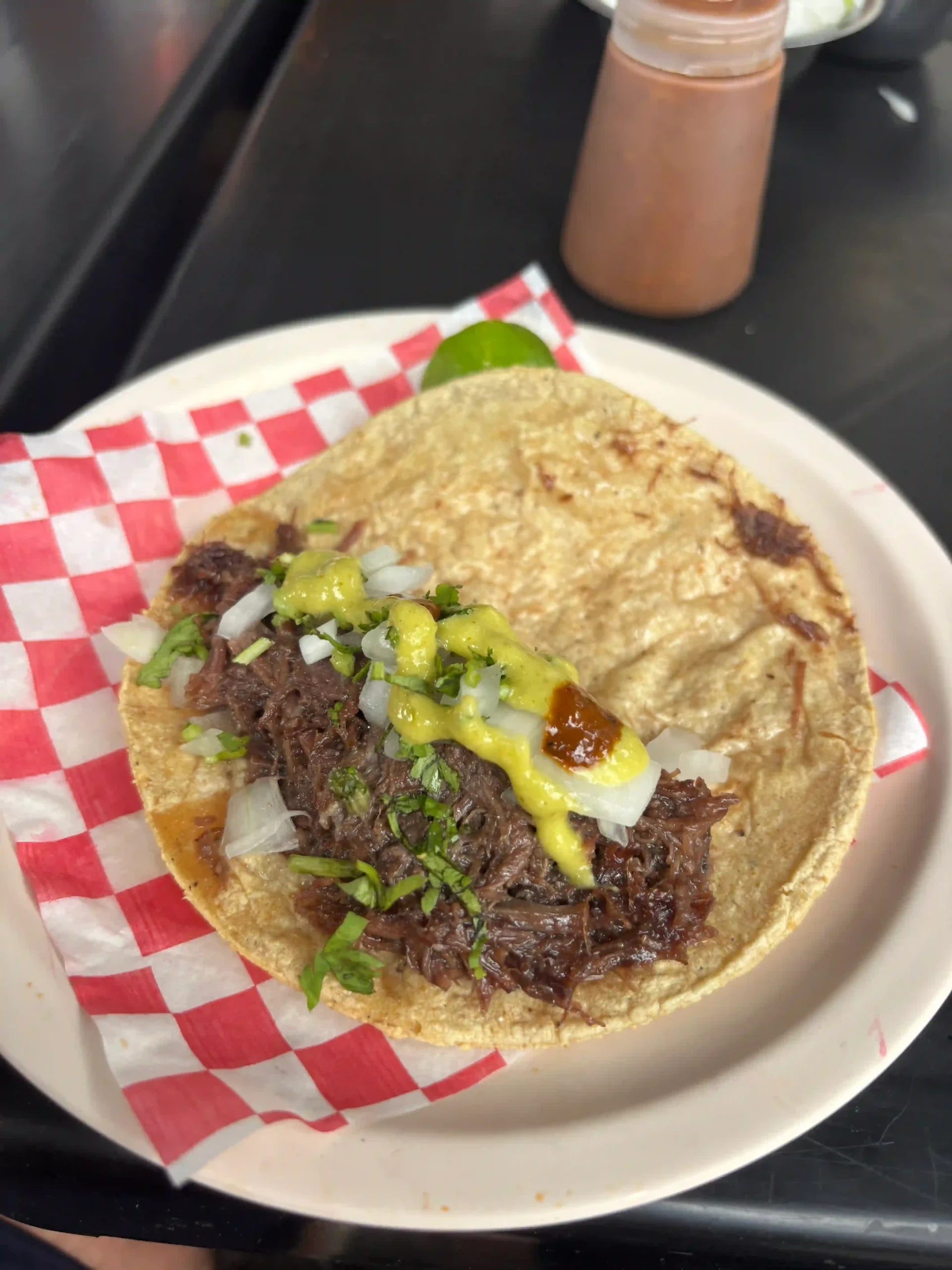
    They specialize in northern-style tacos, and their barbacoa de res (beef barbacoa) is exactly what you picture when you think of a classic street taco. You can get it on either a corn or flour tortilla (if you like it crispy, i recommend you going for the «dorado-style»). Gonzalitos is the taco that never fails: really good meat, fresh onion, cilantro, and a squeeze of lime.

    Address: Calle Colima 76, Roma Norte, Cuauhtémoc, CDMX

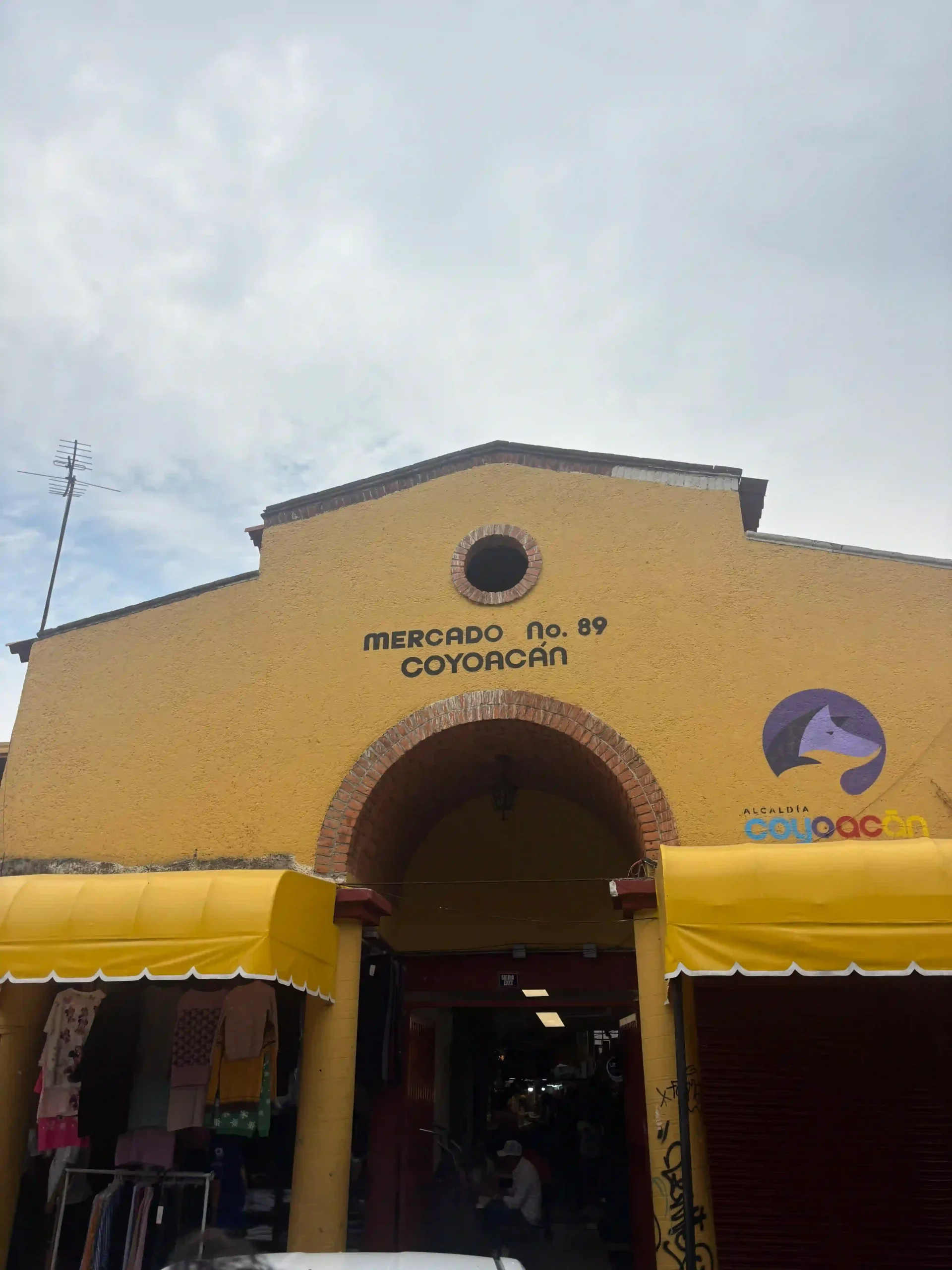
    La 89: Ricos Tacos

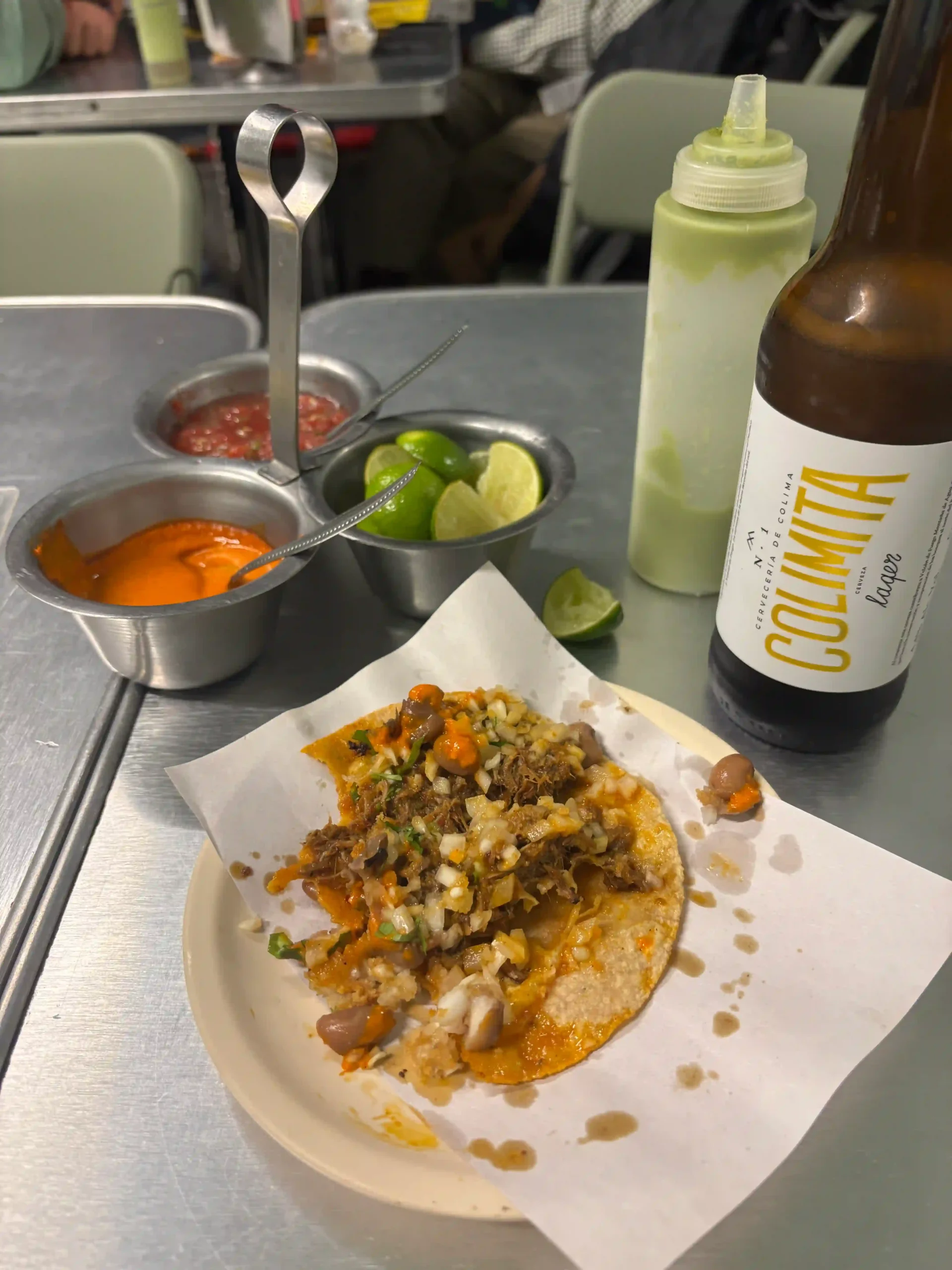
    When we arrived at La 89, the first thing that set the tone was the sign right at the entrance that simply reads: «Ricos Tacos». That straightforward promise tells you exactly what you are about to get into. The place has a great atmosphere and a really solid craft beer selection, which for me is key. We cracked open a cold Cerveza Colimita to start things off and got right down to business.

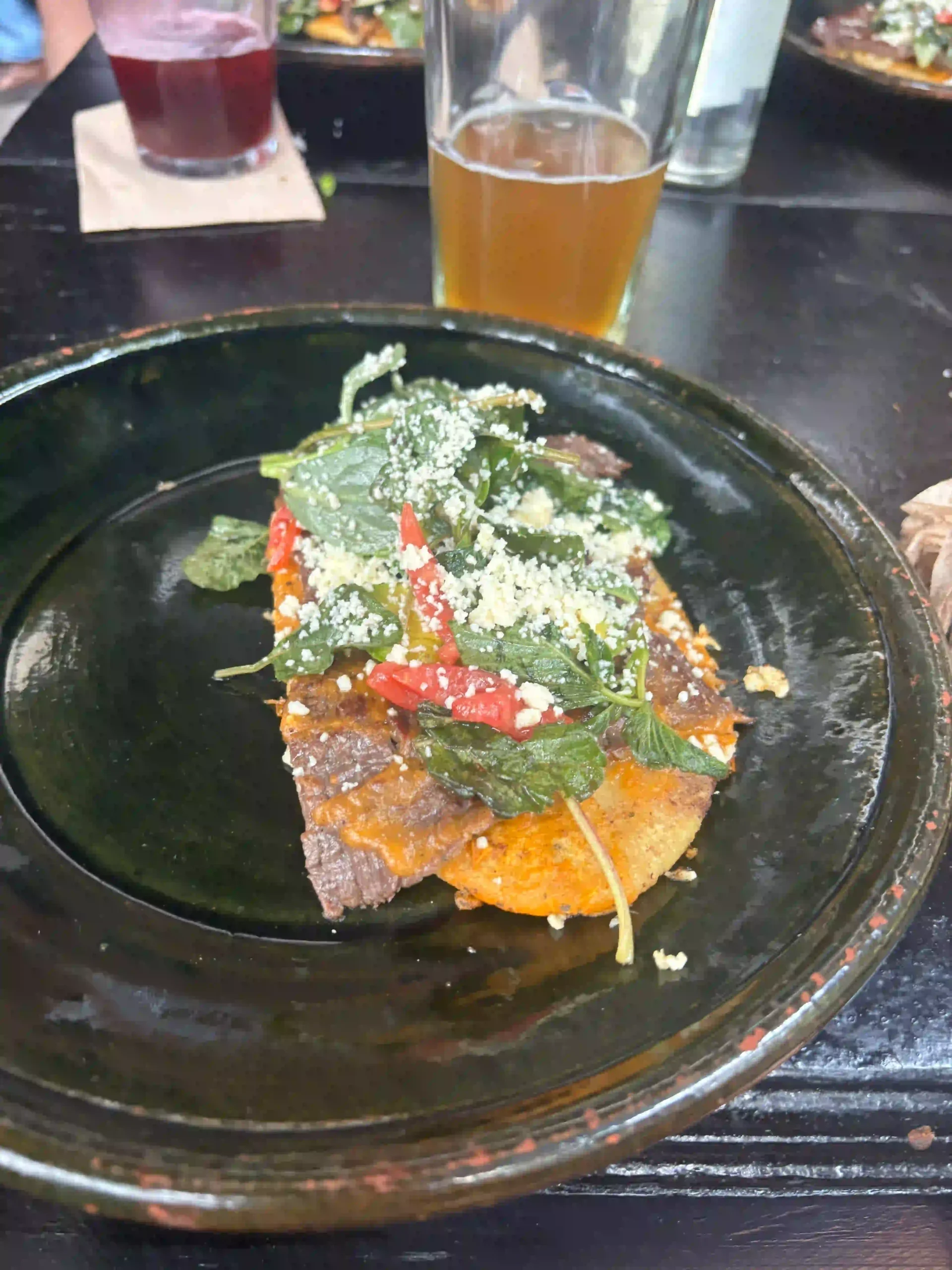
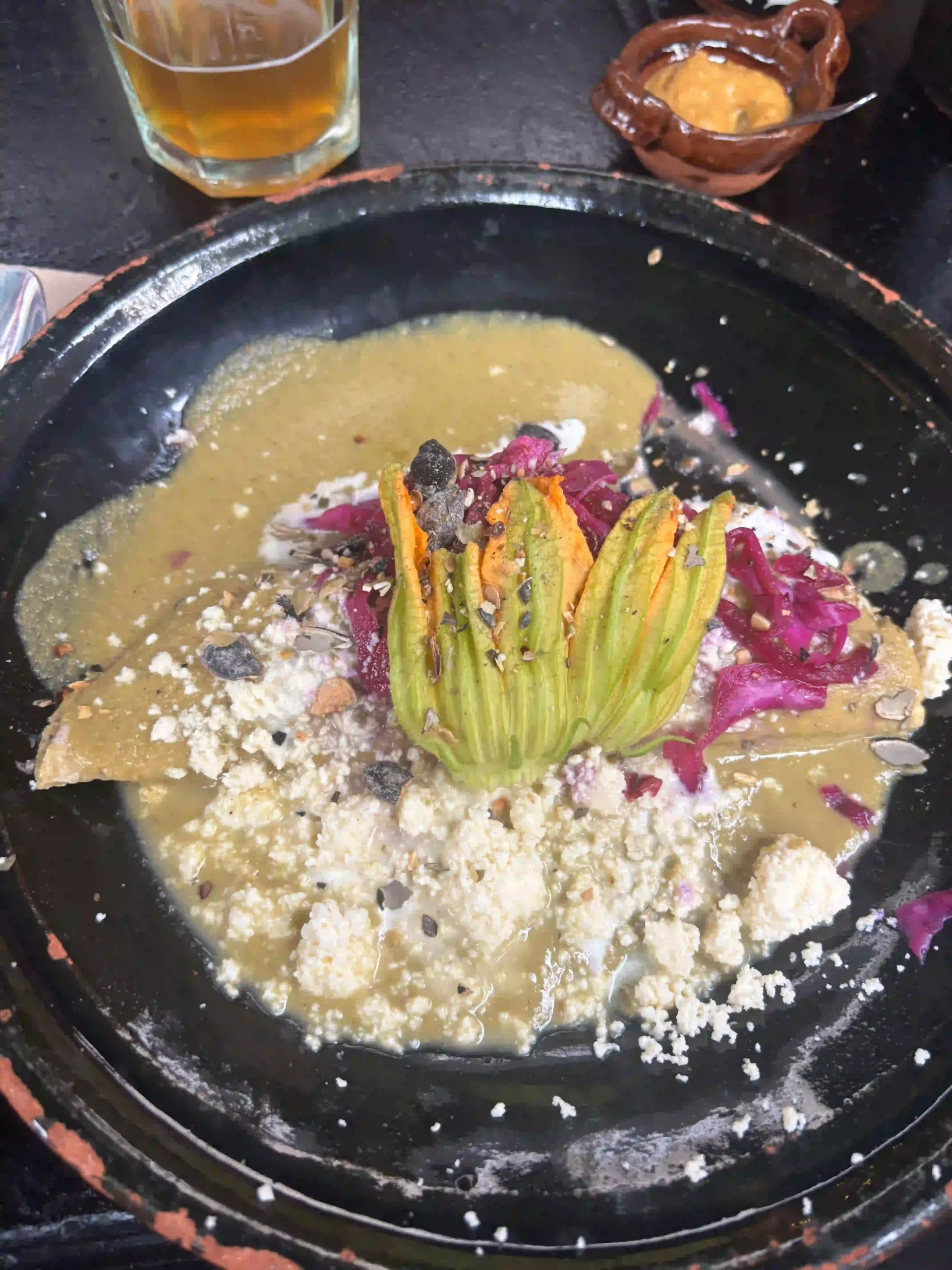
    The specialty here is the birria tacos, and they are absolutely incredible. These are not delicate, «aesthetic» tacos designed to look neat for social media. They are unapologetically loaded and extremely flavorful. They come with a heavy pour of salsa and a lot of everything, but the real magic is that despite all that abundance, you can still distinctly taste every single ingredient on its own. It’s a perfect mix of a great vibe, outstanding birria, and cold beer.

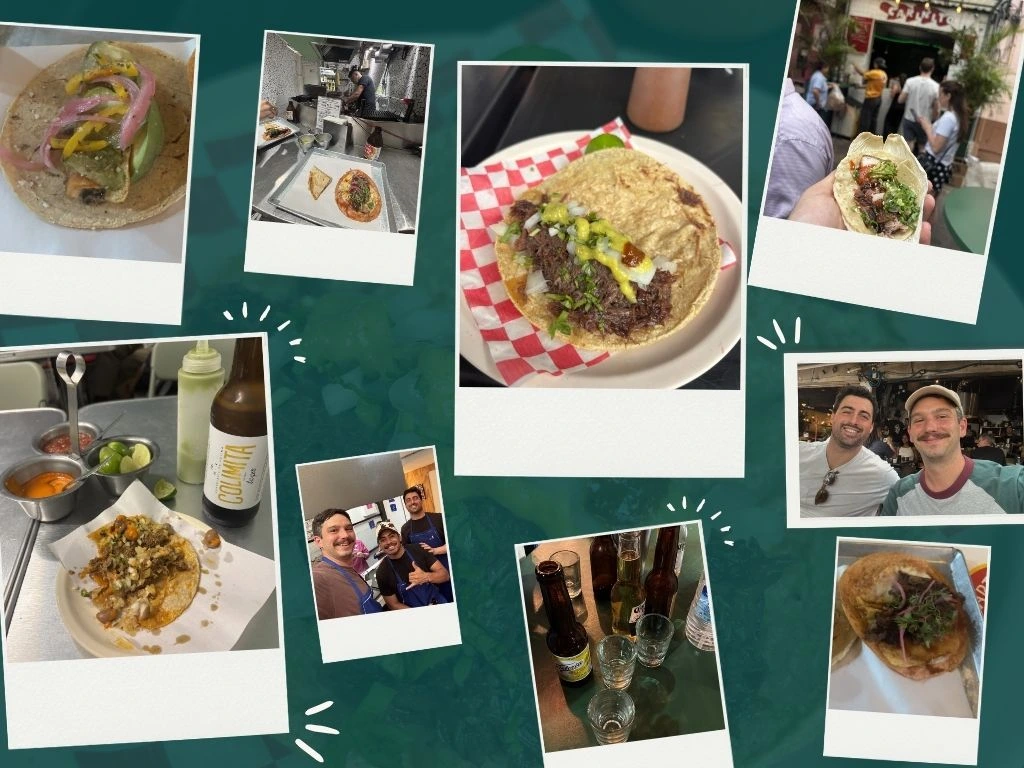
    And honestly, this Michelin Tacos are so good that, as you can probably tell from the picture, my tortilla didn’t even stand a chance of making it intact for the photoshoot….

    la 89 ricos tacos

    Cariñito: The Asian-Mexican Fusion

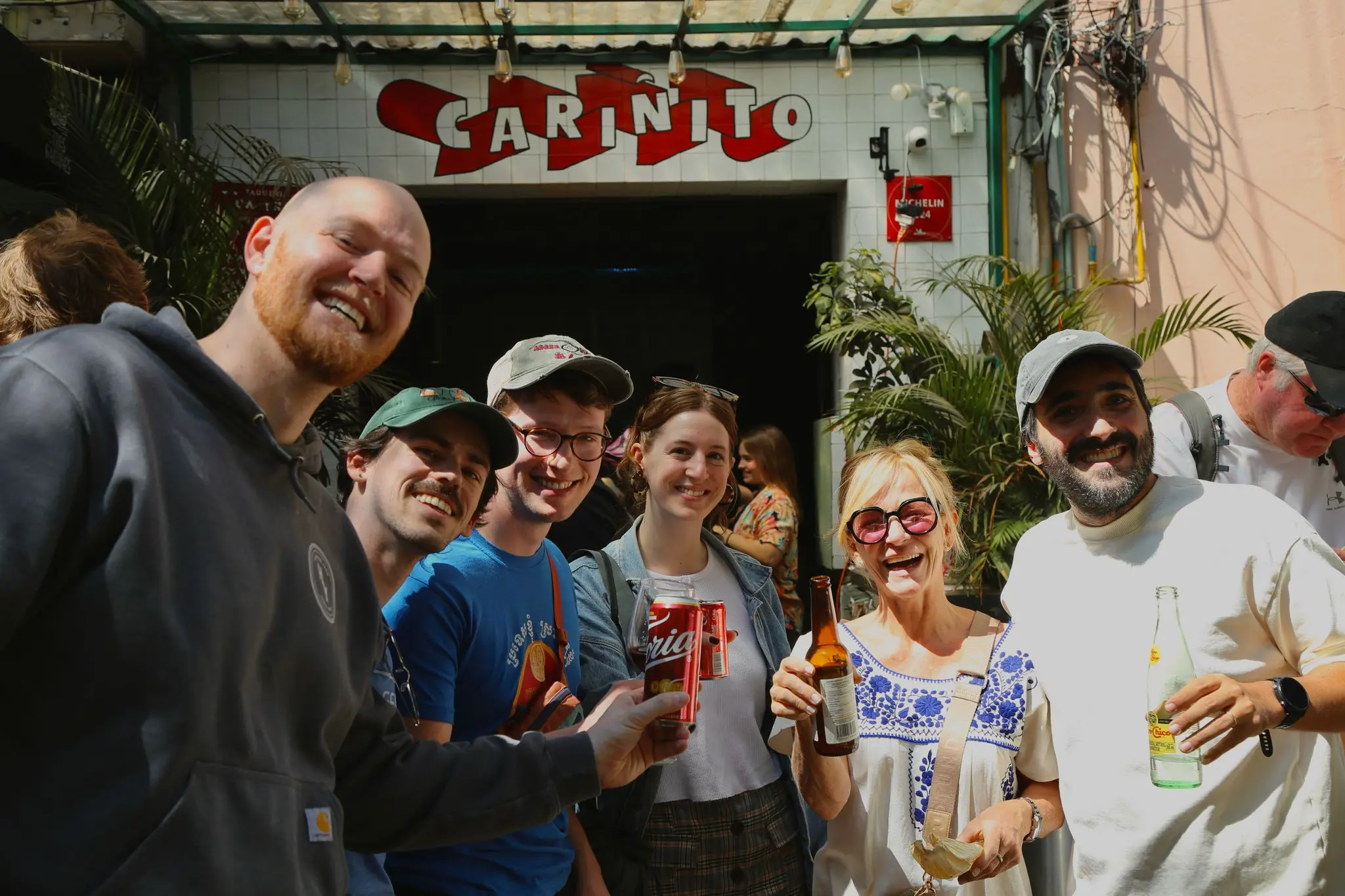
    Great vibe and the incredibly friendly staff.

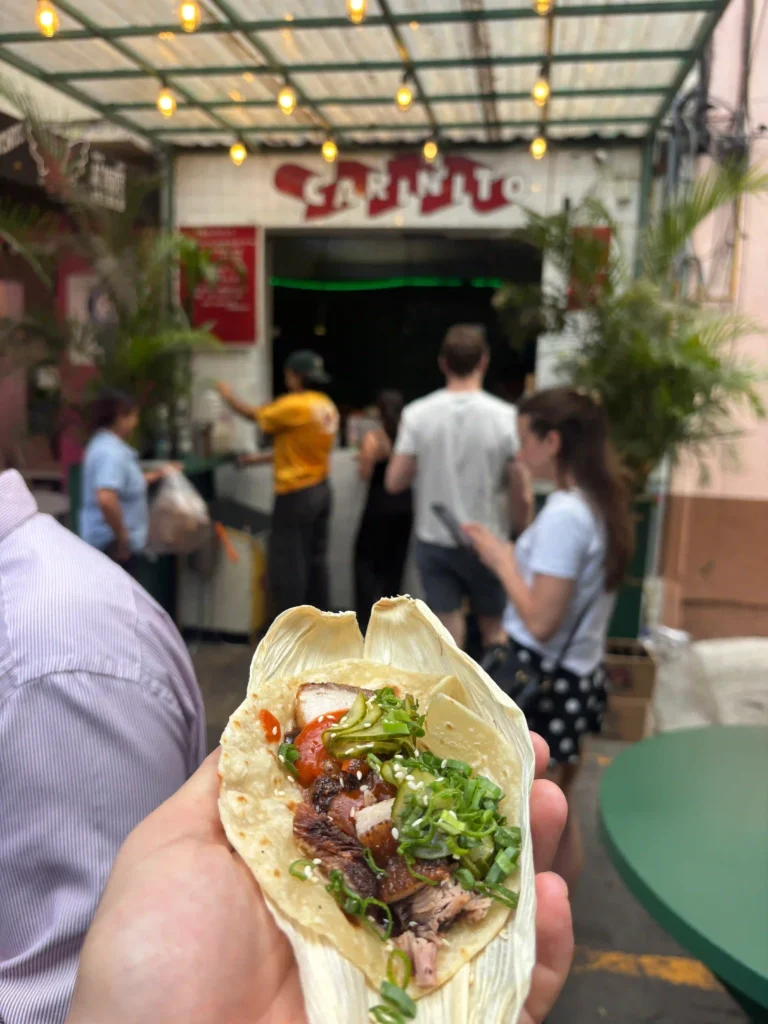
    What they are doing here is a complete departure from the rest of the list: they mix traditional street food formats with bold Asian flavors and ingredients. Honestly, eating here almost feels like having a bao turned into a taco.

    cariñito tacos

    It is exotic, highly innovative and I personally loved it. Still, it does leave you asking: is this what you look for in a taco?

    It definitely doesn’t have that typical, classic street taco flavor. So, if your plan is to visit just one taquería during your trip and you are looking for the traditional Mexican experience, this is not the place for you. But if you are willing to step outside the box and experiment with a completely different flavor profile, you absolutely should give it a go.

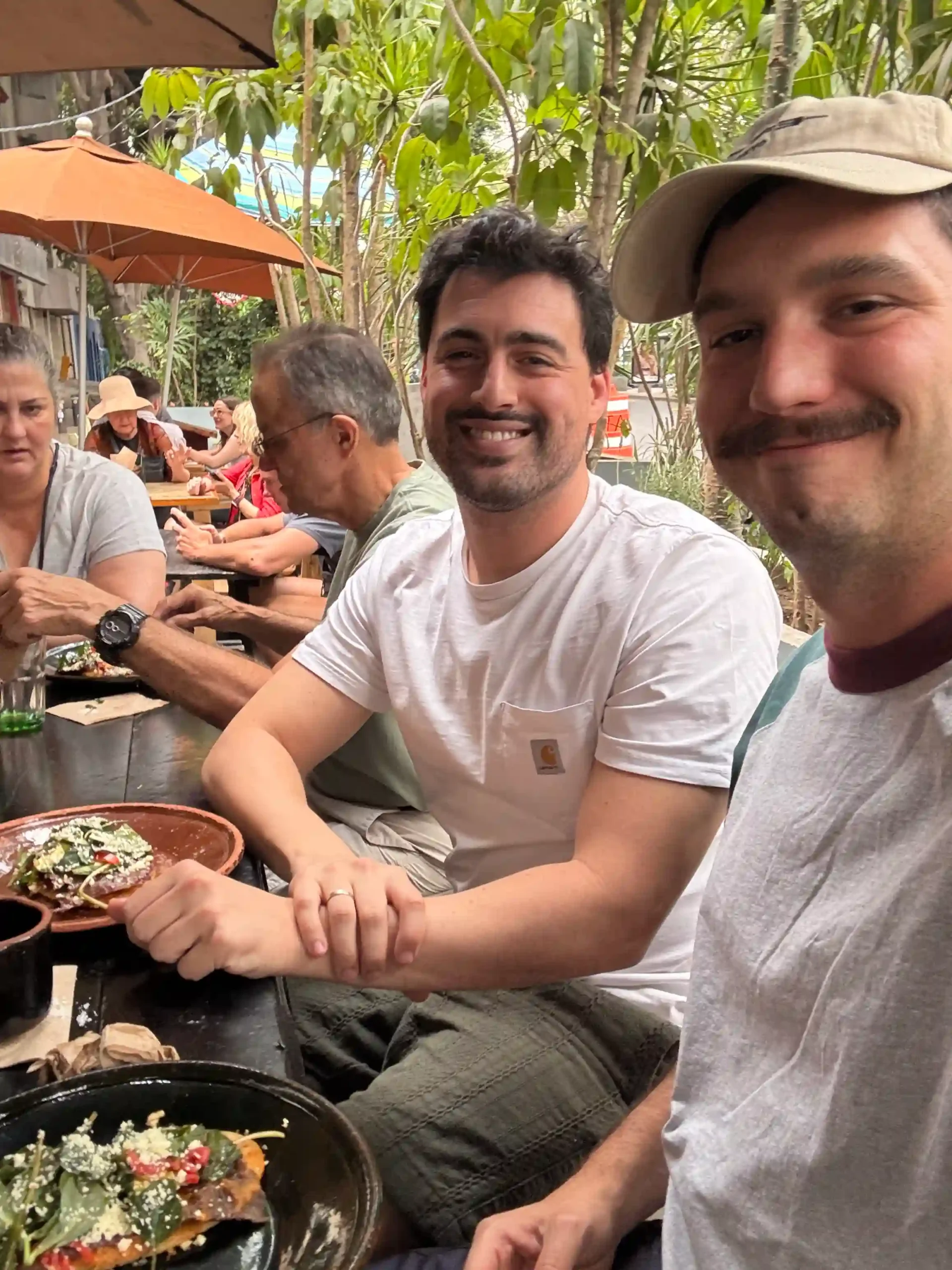
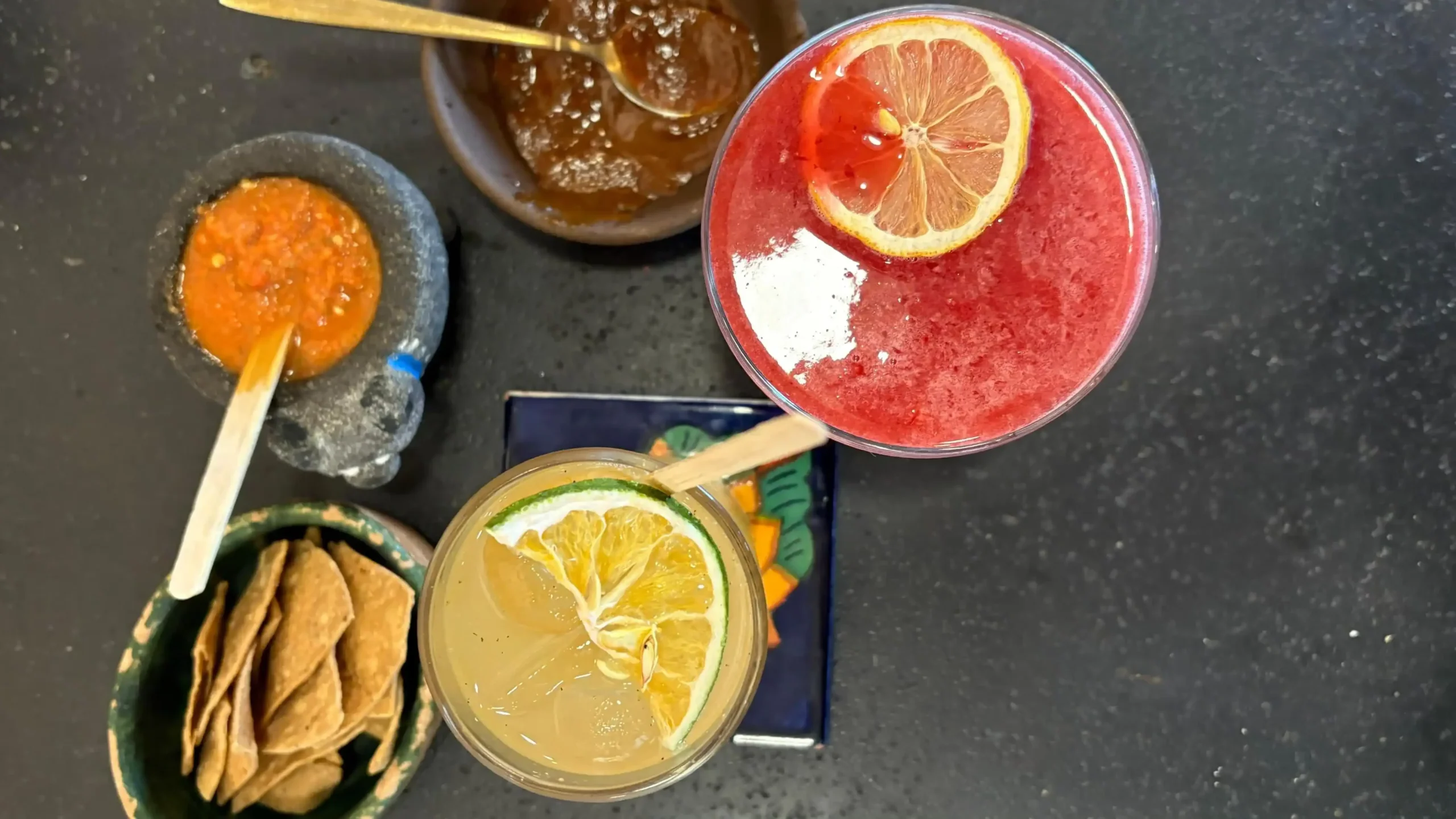
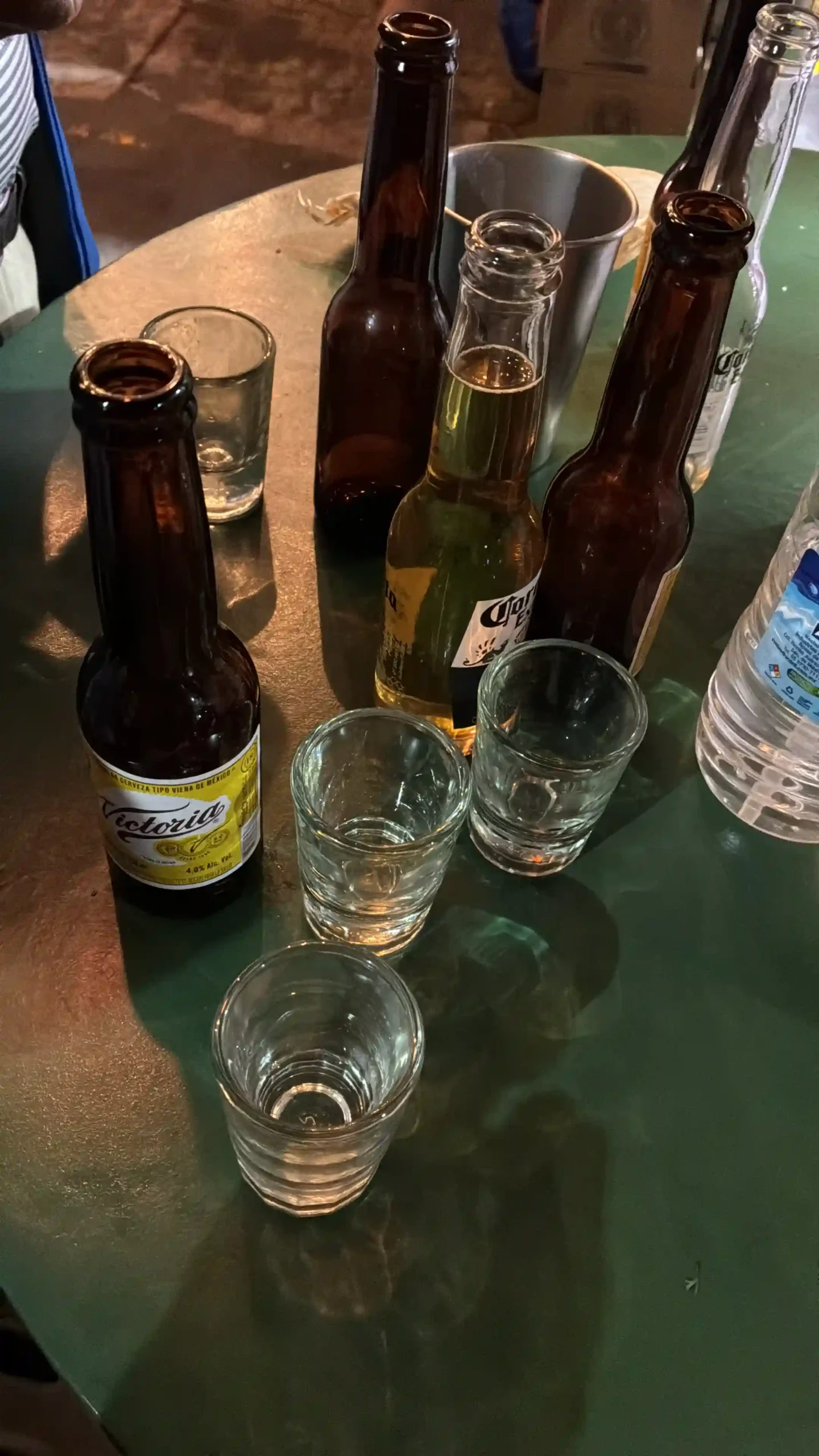
    It was a fantastic night all around, and the photo shows the remains of that great vibe (and how many beers we finished).

    cariñito taquería

    Address: Guanajuato 53, Roma Norte, Cuauhtémoc, CDMX.

    Maizajo: Commitment to Corn

    Maizajo strikes this perfect balance of being cool and traditional, without giving in to that modern «aesthetic» culture. It is a place that feels completely grounded, and their focus is entirely on the food.

    Their excellence and commitment to the corn is unmatched. Everything here is made completely from scratch, and it shows. The tortillas are excellent, and the tacos come out properly loaded.

    Honestly, if I were looking strictly for a classic street taco, it wouldn’t be my very first option out of all the places we visited. But if you are ready to experience everything else they can do with corn and try all the other incredible masa-based creations they make, this is absolutely the place to go.

    Address: Fernando Montes de Oca 113, Condesa, Cuauhtémoc, CDMX.

    La Bonvi: A Solid Addition to the List

    To wrap things up, we hit La Bonvi. This place is a really great addition to the list if you are looking for top-notch meat quality, cold beer, and excellent salsas (their stand out). It definitely delivers on all the essentials.

    We ordered the taco de cochinita, and have no regrets. It was really good! If you are veggie, their hongos al ajillo (garlic mushrooms) is a really strong option that actually holds its own.

    Now, full disclosure: their fries are not the best. But if you stick to the tacos, load them up with their incredible salsas, and wash it all down with a beer, La Bonvi is an excellent stop that is absolutely worth your time.

    Address: Pedregal 33, Lomas de Chapultepec, Miguel Hidalgo, CDMX

    Come Eat With Us: The Gourmet Taco Tour

    Picture this: you are walking through the vibrant streets of CDMX, the smell of charred meat and fresh tortillas is in the air, and instead of stressing over google maps or waiting an hour on the sidewalk just to place an order, your only job is to enjoy the food.

    After eating our way through the city, we built our Gourmet Taco Tour so you can experience a carefully curated lineup of the absolute best taquerías in one perfect evening.

    Yes, we completely skip the lines (and honestly, walking right past a massive crowd to your reserved spot feels pretty great). You get to taste a wide variety of incredible Michelin tacos, all guided by a local expert who knows the real stories behind the food.

    taco tour in mexico city

    The best part? Sharing the meal with a great group of travelers, and wraping it all up exactly how a proper night in Mexico City should end: sharing laughs and toasting with some amazing mezcal.

    Keep exploring CDMX and discover what to pair with your meal in our guide to Traditional Mexican Drinks.

  • Finding the Best Pizza in Buenos Aires 2026

    Finding the Best Pizza in Buenos Aires 2026

    Buenos Aires is a city somehow built by immigrants and, specifically, heavily shaped by italians. You can witness it in some gestures, social codes and of course, in our cuisine.

    To no one’s surprise, we rebel, we adapt, and we make things unapologetically our own. So, when it comes to pizza, we took the traditional Italian recipe, multiplied the cheese, thickened the dough, and completely rewrote the rules. That is exactly how the iconic pizza porteña was born.

    While the rest of the world associates Argentina entirely with beef, the reality on our streets tells a different story. If you look at the numbers, the sheer volume of pizzerias in this city easily rivals, and often surpasses, the amount of steakhouses. Why? Because pizza is the fast fuel for our daily grind. In the middle of the city’s frantic pace, it offers speed, deep comfort, and an affordable way to hit pause. It is a delicious byproduct of our Italian heritage crashing into local abundance.

    As a massive pizza lover who has spent years grabbing slices at crowded counters, I put together this guide to the best pizza in Buenos Aires. We will break down exactly what makes our local style so unique, and then I will point you to the six absolute best Buenos Aires pizzerias you need to try.

    best pizza in buenos aires

    Pizza Porteña 101: What You Need to Know

    Before you order, you need to understand what you are eating. Traditional porteño pizza is a beautiful celebration of excess, and that’s beautiful.

    The Thick Dough

    Let’s put thin, foldable NY slices or delicate Neapolitan crusts to the side for a minute. The traditional style here is pizza al molde (baked in a pan). The bread is thick, spongy, and structurally engineered to hold an absolute mountain of toppings. It is our way of saying that when we eat, we do not hold back.

    The Cheese: More is More

    In Buenos Aires, the cheese is the main character. We spell it with a «u,» and it is completely different from Italian mozzarella. Our muzzarella is made from cow’s milk: it is oilier, heavier, and packed with intense flavor. Around here, the golden rule of a good pizza is simply that more is more. It has to melt, spill over the edges, and be unapologetically abundant.

    The Sidekick: Pizza with Fainá

    If the pizza is Batman, the fainá is undeniably its Robin. Walk into any classic spot and you will hear everyone ordering «una de muza y una de fainá.» This is a dense, savory flatbread made from chickpea flour, crispy on the outside and spongy on the inside. The trick? You throw the fainá directly on top of your pizza slice and eat them together in one massive, double-carb bite. It is the mandatory sidekick if you want to eat like a true local.

    pizza with faina

    The Stance: The Counter Culture

    In the true temples of pizza, waiting for a table is for those who have too much free time. The most authentic ritual is eating de parado (standing up). You grab your slice, lean against the front counter, and eat shoulder-to-shoulder with businessmen, taxi drivers, and night owls. I would say it is the actual rhythm of the city translated into food: fast, loud, and deeply satisfying.

    The 6 Best Buenos Aires Pizzerias

    When we talk about the best places to order authentic pizza porteña, these three historic institutions are the undisputed champions of the city.

    Güerrín

    Neighborhood: Downtown

    Type of Pizza: Traditional al Molde

    Budget: $$

    If you want to experience the absolute classic, this is it. Güerrín is the beating heart of the city’s pizza scene. Every single one of us have stopped here at least once during the lunchtime rush. The pro move here is to bypass the back dining room completely. Order a slice and eat it standing up at the front counter surrounded by the beautiful, noisy chaos of the Microcentro.

    What to order here: Hit it right down the middle with a classic muzza.


    El Cuartito

    Neighborhood: Recoleta

    Type of Pizza: Traditional al Molde

    Budget: $$

    El Cuartito is another iconic old-school pizzeria. It’s guaranteed to get crowded after 8 pm, so get there early if you want to grab a table (otherwise order to go, else you will be waiting forever). No nonsense, no frills and lots of cheese. I would highlight their Football memorabilia lining the wall. It is true Buenos Aires fashion.

    What to order at El Cuartito:

    Fugazzeta and Napolitana (with tomato slices and dried garlic and parsley). The standard muzzarella is quite good too.


    La Mezzetta

    Neighborhood: Colegiales

    Type of Pizza: Traditional al Molde

    Budget: $

    Last but not least among pizza diehards… This is a local legend. La Mezzetta is famous for their stuffed fugazzetta. I would dare to say it is the best in town.

    Tourists caught wind of this hidden gem after it was featured in “Somebody Feed Phil”. Nowadays it’s hard to order a pizza here without having to queue given its rise in popularity among locals and foreigners alike. Try to get there early (before 8 pm) or be prepared to wait.

    There’s no place to sit and dine here: take your pizza to go or eat at the standing counters.

    What to order here:

    fugazzeta, fugazzeta, and fugazzeta (stuffed, of course).


    Buenos Aires is currently experiencing a massive pizza renaissance. The classics can hold my heart but a new wave of pizzerias is elevating the scene with high-quality ingredients, incredible spaces, and perfected techniques.


    Picsa

    Neighborhood: Palermo

    Type of Pizza: Modern al Molde / Sourdough

    Budget: $$$

    A new take on traditional pizza porteña, Picsa stands out because of their sourdough pizza crust. If the hectic atmosphere of Avenida Corrientes is not for you, Picsa might be a good choice. The location is also ideal, as its located right in the middle of Palermo Soho.

    What pizza to order at Picsa:

    The Napo (Napolitana) here is excellent. The Libanesa (“lebanese”) is for the risk-takers. They have a pretty decent wine selection here, so do check that out.

    The commitment to quality PICSA has, is what makes it one of the main stops on our Sherpa Palermo Food Tour. During the experience, we don’t just stop for their pizza; we also dive into their empanadas, which are easily among the best places in the city to enjoy empanadas.


    Atte. Pizzeria

    Neighborhood: Palermo

    Type of Pizza: Neapolitan

    Budget: $$$

    Sometimes you need a break from the heavy al molde style, and Atte. is exactly where you want to go.

    This is easily one of the most beautiful, aesthetically pleasing spots in the city. Backed by an impeccable design and a seriously cool vibe, it could be a nice date-night spot.

    What to order here:

    Margherita with no doubt. The pistachio one is also really good.

    neapolitan pizza in buenos aires

    Eléctrica

    Neighborhood: Villa Crespo

    Type of Pizza: Sourdough / Modern

    Budget: $$

    Eléctrica has hands-down one of the best backstories and locations in town. Built inside an abandoned, roofless mechanic’s garage, they leaned heavily into the gritty, industrial vibe (there is literally a vintage car parked next to the tables) and paired it with some of the best sourdough pizza in the neighborhood.

    What pizza to order at Picsa:

    Pizza potato is definitely the one.


    You Conquered the Best Pizza in Buenos Aires. Now Let’s Explore the Rest.

    The cheesy, beautiful chaos of pizza porteña is just one chapter of our culinary story. If you are building your itinerary and want to know what else belongs on your plate, keep exploring our travel guide for more unapologetic, local guides on exactly what to eat and drink while you are here.

    Even better? Let us show you the streets ourselves. Join a Sherpa food tour to walk the neighborhoods alongside a local guide. We will skip the tourist traps, hit the best spots (including a dedicated pizza stop, of course), and show you exactly how this city tastes.

    Pull up a chair, or just lean on the counter, and let’s eat.

  • 48 Hours in Buenos Aires: The Best Things to Do in This Vibrant City

    48 Hours in Buenos Aires: The Best Things to Do in This Vibrant City

    Buenos Aires is a city that exudes charm, culture, and a dynamic spirit. With just 48 hours in this bustling metropolis, you’ll want to make the most of your time, exploring its historic landmarks, indulging in its culinary delights, and soaking in the vibrant local culture. Here’s a perfect itinerary for a weekend in Buenos Aires, often called the «Paris of South America,» optimized to make sure you experience the very best this capital city has to offer.

    48 hours in buenos aires what to do

    Day 1: Exploring the Heart of Buenos Aires

    8:30 AM: Breakfast at Confitería La Ideal
    Location: Suipacha 384, Microcentro

    Start your day with breakfast at Confitería La Ideal, an iconic café in the city center that has been serving Porteños since 1912. Known for its grand interiors and old-world charm, La Ideal offers a classic Buenos Aires breakfast: medialunas (Argentine croissants) paired with a rich café con leche. It’s the perfect spot to soak in the city’s history before diving into your day.

    9:30 AM: Explore the Microcentro Porteño
    Location: Various sites around Plaza de Mayo

    Begin your exploration of Buenos Aires in the Microcentro, the historic heart of the city. Start at the Plaza de Mayo, where you’ll find the iconic Casa Rosada, the presidential palace famous for its pink facade and political history. Just steps away is the Catedral Metropolitana, where Pope Francis once served as Archbishop. Walk along the grand Avenida de Mayo, lined with stunning early 20th-century architecture, and visit the Congreso building, Argentina’s legislative powerhouse. It’s always a good idea to visit the Museo del Cabildo, a small but fascinating museum dedicated to the city’s colonial history.

    12:30 PM: Lunch in Puerto Madero
    Location: Puerto Madero, Various Restaurants

    After a morning of sightseeing, head to Puerto Madero, the city’s modern waterfront district, for lunch. You have several excellent options:

    • Ol’Days is a great place to go for a health-conscious menu with a focus on fresh, local ingredients.
    • El Mercado at the Faena Hotel is perfect for traditional Argentine dishes with a touch of luxury.
    • Aimé Restaurant serves contemporary cuisine with panoramic views of the docks and delicious food.
    • Michel Rolland Grill is ideal for wine enthusiasts, featuring a menu curated by the world-renowned winemaker.

    2:30 PM: Explore La Boca and San Telmo Neighborhoods
    Location: La Boca, San Telmo

    In the afternoon, dive into two of Buenos Aires’ most colorful neighborhoods. Start with La Boca, famous for its vibrant houses along Caminito and its deep connection to tango and football. Wander through the art-filled streets, enjoy the local street performers, visit the Boca Juniors stadium, and take in the lively atmosphere.

    Start Your Night with a One-Hour Tango Show at Secreto Tango Society

    Kick off your evening with an unforgettable one-hour tango show at Secreto Tango Society—an intimate, immersive experience that captures the true soul of Buenos Aires. Set in a hidden, carefully curated location, this is not a flashy tourist show, but a deep dive into the passion and elegance of tango in its most authentic form.

    With live musicians, world-class dancers, and candlelit ambiance, the performance invites you to feel the emotion, the drama, and the connection that define this iconic art form. It’s the perfect way to begin your night: short, powerful, and timed just right so you can continue your evening with dinner, drinks, or more exploration of the city. You’ll leave inspired, moved, and ready to keep discovering the magic of Buenos Aires.

    9:00 PM: End Your Day at a Sky Bar
    Location: Various locations in the city

    To top off your first day in this big city, enjoy a nightcap at one of Buenos Aires’ chic sky bars, each offering stunning views of the city skyline. Choose from:

    • Alvear Roof Bar at the Alvear Palace Hotel for a luxurious, old-world vibe.
    • Olympo Sky Bar for a more modern, stylish atmosphere.
    • Crystal Bar for breathtaking panoramic views from the top of the Alvear Icon Hotel.
    • Trade Sky Bar for an energetic scene with great cocktails and music.

    Day 2: Culture and Sophistication in Buenos Aires

    9:00 AM: Breakfast at Ateneo Grand Splendid
    Location: Av. Santa Fe 1860, Recoleta

    Start your second day with breakfast at El Ateneo Grand Splendid, often hailed as one of the most beautiful bookstores in the world. Housed in a converted theater, this stunning space is perfect for enjoying a coffee and pastry while marveling at the architecture. Browse the extensive book collection before setting off for a day of cultural exploration.

    10:00 AM: Explore the Recoleta Neighborhood
    Location: Recoleta, Various Sites

    Spend your morning wandering through Recoleta, one of Buenos Aires’ most elegant neighborhoods. Begin with a visit to the Cementerio de la Recoleta, where you can stroll through the maze of elaborate tombs and mausoleums, including the resting place of Eva Perón. Next, head to the Museo Nacional de Bellas Artes, which houses an impressive collection of European and Argentine art. Finish your cultural morning with a visit to the Latin American Art Museum of Buenos Aires (MALBA), where you can admire contemporary works by artists from across Latin America.

    1:00 PM: Lunch in Palermo Soho
    Location: Palermo Soho, Various Restaurants

    After a morning of art and history, take a short ride to Palermo Soho for lunch. This trendy neighborhood is filled with chic cafes and restaurants. Consider dining at:

    • El Preferido for traditional Argentine dishes with a modern twist.
    • Rebelión for creative small plates and a laid-back vibe.
    • Caldén del Soho for a classic parrilla experience in a contemporary setting.

    2:30 PM: Shopping in Palermo Soho
    Location: Palermo Soho

    Palermo Soho is not just about great food—it’s also a shopping paradise. Spend the afternoon browsing the boutique stores, which offer everything from designer clothes and accessories to unique home goods and art pieces. It’s the perfect spot to pick up a few souvenirs or a stylish new outfit.

    4:30 PM: Visit the Japanese Garden
    Location: Av. Casares 2966, Palermo

    Escape the hustle and bustle with a tranquil visit to the Japanese Garden in Palermo. This serene space, one of the largest Japanese gardens outside of Japan, is a peaceful retreat where you can stroll among koi ponds, bonsai trees, and traditional bridges. It’s a great way to unwind before your evening activities.

    8:00 PM: Enjoy a Tango Show with Dinner
    Location: Various Tango Venues

    No visit to Buenos Aires is complete without experiencing the passion of tango. End your weekend with a tango show and dinner at one of the city’s iconic venues. You can choose from several options:

    • El Viejo Almacén for a traditional and intimate experience.
    • Rojo Tango at the Faena Hotel for a luxurious, cabaret-style show.
    • Café de los Angelitos for a blend of historic charm and modern performance.

    Enjoy a gourmet dinner while watching the dramatic dance that defines Buenos Aires. It’s the perfect way to conclude your 48-hour adventure in Argentina’s vibrant capital.

    How to actually Make the Most of Your 48 Hours in Buenos Aires

    Only have 48 hours in Buenos Aires? Don’t waste a single second choosing between sightseeing and dining. The smartest way to maximize your short trip is to wrap it all into one experience: history, culture, and cuisine, all served together.

    Discover Our Buenos Aires Food Tours: Join a Sherpa tour to visit the city’s most iconic neighborhoods while tasting the best local food. It’s the perfect way to see (and eat) it all in just a few hours.

  • All you need to know about ice cream in Argentina

    All you need to know about ice cream in Argentina

    Argentina has some of the best ice cream in the world, and if you don’t believe it, then you haven’t tried it yet. As local experts, dedicated foodies, and hosts of the best culinary experience in Buenos Aires, we encourage visitors to make the time for some helado during their stay – it will be more than worth it.

    Ice cream in Argentina – helado – owes much to Italian gelato brought into the country by Italian immigrants during the 20th century, but after more than a 100 years in Argentine soil, it has become its own thing.

    In this article, we’ll delve into the world of Argentine helado, exploring its history, traditional flavors, and where to find the best ice cream parlors in the country. Hungry yet?

    What’s so special about ice cream in Argentina?

    Ice cream in Argentina is very similar to Italian gelato; the main difference would be the flavors – we’ll get into that in a minute – and the way that helado is eaten.

    Forget those measly scoops – in Argentina, we order by size. You can choose between a vaso (cup) of different sizes, or try the more adventurous cucurucho (waffle cone). In either case, scoops are replaced by gustos (flavors), with two being the norm.

    You can also buy ice cream by the kilogram, which many do when they are hosting dinner for friends or just to keep in the fridge in case the craving strikes. Ice cream parlors – heladerías – are open until late, closing after 1 or 2 am.

    Ice cream flavors in Argentina

    Must try ice cream flavors:

    Ice cream flavors can be rounded up in two main groups: cream-based, or crema, and sorbet or al agua. Very often you’ll see that flavor charts in heladerías have a separate category for chocolates and dulce de leche, as these two flavors can be enjoyed in several variations.

    Dulce de leche

    Dulce de leche, aka milk caramel, is the most popular ice cream flavor in Argentina by far, and rightly so. Think caramel, but creamier.

    Argentines love to put dulce de leche in everything, so it makes sense that one of the most popular dulce de leche ice creams has extra dulce de leche – this is usually called “super dulce de leche” and if you could only try one flavor of ice cream in Argentina, this should be it.

    Chocolate

    We all know this one, but in Argentina, chocolate comes with a twist. Add nuts, chocolate chips, fresh berries or some dulce de leche, and you get a new chocolate variety to order from your local heladería. If you want a break from Argentine sweetness, you could try some bittersweet chocolate (chocolate amargo).

    Sambayón

    Sambayón, from the Italian zabaione, is a classic dessert that is made with egg yolks, sugar and sweet wine, usually Marsala. Sambayón ice cream is popular, but not without controversy: younger generations may consider it a “gusto de viejo” (old people’s flavor) but you shouldn’t be fooled by such rumors – give it a try, you won’t regret it.

    Tramontana

    Tramontana is one of the most popular flavors by far, usually ordered in tandem with chocolate and dulce de leche. Tramontana features crema americana – plain cream ice cream – with dulce de leche and chocolate-covered cookies.

    Banana Split

    Banana split is a crem-based banana ice cream with dulce de leche. Don’t mistake it for the dessert of the same name; most Argentines have never heard of it.

    Sorbets or gustos al agua

    It’s not all about the cream. Sorbets are just as popular – and delicious! – with strawberry and lemon being national favorites, especially during the hot summer months. Argentina is well known for growing some of the best berries in the world in the Patagonia region, so flavors such as raspberry or frutos del bosque are worth a taste.

    How to order ice cream in Argentina

    • Step One: Plan Your Strategy
      When you head into an heladería, head to the cashier and take a look at your options and price.
      You can typically choose between different cup sizes (vasos) or waffle cones (cucuruchos). The other option is to order by kilo, as we mentioned. Sometimes the smaller vasos only allow for one flavor; check with your cashier first.
      Remember: you don’t order by scoop or flavor, but by type and size.
    • Step two: Place your Order
      Once you know what you are getting, you place your order with the cashier and will be handed a receipt. Take your receipt to the scoopers (or wait to be called), who will ask what flavors you want. You can even taste them first if you are not quite sure about your choice.
    • Last step: Enjoy!
      Relish in the best ice cream on this side of the Equator.

    Best ice cream in Buenos Aires

    Buenos Aires has some of the best ice cream shops in the country. The best heladerías make all their ice cream in-house, and some have amassed a cult-like following that results in hour-long queues for a taste of their creations.

    These are some of the best ice cream shops in Buenos Aires, according to our local guides:

    • Cadore (Downtown, Av. Corrientes al 1695)
    • Obrador Florida (Palermo, Soler 5063)
    • Scannapieco (Palermo, Av. Álvarez Thomas 10)
    • Rapa Nui (several locations)

    Cadore (Dowontown, Av. Corrientes al 1695)

    Cadore may be the first name that comes to mind when you ask older city dwellers about ice cream shops. The place has been around for more than 50 years, and has always been a trademark of quality ice cream made Italian-style. The iconic Cadore location is in the busy Avenida Corrientes, right next to the city’s most important theaters and half the best pizzerias in town. Try the pistachio, the dulce de leche negro (with dark chocolate bits) and the lemon mousse.


    Obrador Florida (Palermo, Soler 5063)

    This is a relatively new ice cream shop that has quickly become a favorite with the locals because of the uniqueness of their flavors and the fact that they only work with seasonal ingredients. Order whatever is in season: you won’t be disappointed. Some flavors are a bit exotic, but you can always ask for a taste, and the scoopers have excellent recommendations. Vasos come with a topping of choice for each flavor: take them, they do add to the overall experience.


    Scannapieco (Palermo, Av. Álvarez Thomas 10)

    Scannapieco is one of the old-school ice cream shops, featuring that “Italian” vibe that most Argentines associate with heladerías from their childhood. It has been run by the same family since it was founded in 1938, and is internationally recognized as one of the best ice cream shops in Buenos Aires. Stick with the classics and anything Italian-sounding. The place is right next to the Mercado de Pulgas, one of the most popular antique markets in the city.


    Rapa Nui (Retiro, Av. Sta. Fe 772; several other locations)

    There are several Rapa Nuis throughout the city: we like the one next to Plaza San Martín because of the view. This ice cream shop hails from Patagonia and features amazing local produce from the region, which makes for great ice cream. Try the chocolates (all of them), vanilla with pecans, Patagonia Mia (sorbet made with Calafate berries), or the dulce de leche de cabra (made with goat milk).


    Where to find Gluten Free, Vegan and Lactose Free Ice Cream in Buenos Aires

    Which ice cream shops in Buenos Aires have Gluten Free Flavors?

    Antiche Tentazioni, Rapa Nui and Cremolatti.

    Antiche Tentazioni has many gluten-free flavors; when placing your order, tell your cashier or scooper that your order is gluten free (“sin TACC”) to avoid cross-contamination, and choose from the flavors that are marked as gluten free (with the crossed out wheat ear symbol).

    Rapa Nui sells prepackaged gluten-free ice cream in different flavors.
    Cremolatti has a pretty good selection of gluten free ice cream flavors, be sure to tell the staff beforehand that your order is gluten free so they can take the proper precautions.

    Which ice cream shops in Buenos Aires have Vegan Options?

    Obrador Florida, Antiche Tentazioni and Rapa Nui all have vegan options. Vegan ice cream is usually marked on the flavors board with a Green V Symbol, but you can also ask the staff about the vegan flavors, as sometime new additions go unmarked.

    Which ice cream shops in Buenos Aires have Lactose Free Options?

    Obrador Florida and Cremolatti have lactose free ice cream options – check with the staff to know which ones are safe to eat if you are lactose intolerant.

    Got Room for More Than Just Dessert?

    It’s often said that outside of Italy, Argentina serves up some of the best ice cream in the world. Helado is a massive part of our amazing food culture, but honestly, it’s just the (very sweet) tip of the iceberg.

    Ready to discover everything else Buenos Aires has to offer? Explore our Buenos Aires Food Tours and taste not only world-class ice cream, but the very best of our local food scene.

    For More Sweet Tips: Check out our Travel Guide!

  • Argentinian cookies explained: The glutton’s guide to alfajores

    Argentinian cookies explained: The glutton’s guide to alfajores

    What are alfajores?

    Alfajores are a typical Argentine confection made with two plain cookies with dulce de leche in between. They are sweet cookie sandwiches typically enjoyed as an afternoon treat or as dessert.

    Of course, other fillings than dulce de leche can be used to make alfajores, and by changing the kind of cookie used and the coating, you get an entirely different alfajor experience.

    The different types of alfajores (Argentinian cookies)

    We know visitors love our alfajores, but many don’t know there’s a world of alfajores out there besides Havanna’s (no shade – Havanna is great!). That’s why we put together a “beginner’s guide to alfajores” of sorts, to help newcomers discover the delicious world of alfajores. Beware: after reading this article, you’ll probably be craving an alfajor…

    Alfajores de maicena

    Alfajores de maicena are made with cornstarch (that’s the meaning of maicena), and most are produced artisanally, as the soft, crumbling cookie is not usually easy to transport.

    You can find alfajores de maicena in cafés and bakeries, in varying sizes (we’ve seen literal alfajor de maicena cakes out there). We always tell people to order an alfajor de maicena together with a good cup of coffee, as the texture can feel very dry because of the cornstarch.

    Traditional alfajores

    Unlike alfajores de maicena, most alfajores are made with regular wheat flour. Traditional alfajores can be split into two groups: chocolate alfajores and sugar glaze alfajores. The alfajor itself is basically the same – what changes is the coating.

    Alfajores de fruta

    Besides dulce de leche filling, many typical alfajores featured a jam or jelly filling. The most traditional ones feature a quince paste filling (membrillo), but we’ve seen many strawberry and berry jam-filled alfajores in the city lately, like the ones of trendsetting chocolatier Rapanui.

    Where to buy alfajores in Buenos Aires?

    You can buy alfajores pretty much anywhere: bakeries, cafés, supermarkets, kiosks and dedicated alfajor stores such as Havanna’s and Cachafaz. However, which alfajor to buy depends on what you are looking for.

    Our pick of the best alfajor brands out there

    Alfajores Havanna

    Havanna’s 70% cocoa chocolate alfajores are a must-try if you are visiting Buenos Aires. You are bound to bump into an Havanna sooner or later, so don’t miss your chance to try it. Unlike Havanna’s classic chocolate alfajores, the 70% cocoa ones are made with a dark chocolate coating. While they are not as sweet, they are exceedingly decadent (this is not sponsored, by the way, we are honestly just fans of the product).

    Cachafaz

    Some argue that Cachafaz has a better alfajor than Havanna. And while Cachafaz may not have the same reach, they definitely can take on their rival with their signature chocolate alfajor. Cachafaz has a few stores strategically placed throughout the city, usually close to tourist hotspots. They can also be bought at some kiosks and supermarkets.

    Jorgito

    Less fancy than Havanna and Cachafaz, Jorgito alfajores are an affordable and sweet treat when the afternoon cravings start. This brand has been going strong since the 1960s, and many remember it fondly from their childhood. Buy them by the unit at a kiosk or venture to your closest supermarket to buy a 6 pack. They also have a “mini” alfajor pack that is perfect for dessert.

    Capitán del Espacio

    Capitán del Espacio (“Space Captain”) is a beloved alfajor brand with an almost cult-like following. The taste is very similar to Jorgito, but the brand’s atypical marketing (or lack thereof) has been at the center of its success. The alfajores are produced in the nearby Quilmes city, and in very limited quantities.

    Finding this alfajor in Buenos Aires used to be such a novelty that people would spread the word if they found a kiosk selling the elusive Capitán. Nowadays they are much easier to locate, but porteños still feel a rush of excitement when they manage to get hold of one.

    Gourmet alfajores

    La Olla de Cobre

    You are not gonna find this tip anywhere else, but La Olla de Cobre (The Copper Pot) makes the best alfajor in the entire country. They are not easy to find but are worth the treasure hunt.

    The artisanal chocolatier is located in the San Antonio de Areco town, which is 120km away from Buenos Aires, and worth a visit to get an idea of what gaucho life used to be like.

    In Buenos Aires, the store Sabores Increíbles (Ayacucho 1158) usually has some in stock.

    Rústico Chocolate

    Granted, not everyone can travel to Areco, and maybe you don’t want to go to all this trouble for an alfajor. But if you are in the mood for sweet treat on the gourmet spectrum, head to Rústico Chocolate in Palermo (Godoy Cruz 1823). They have a fantastic selection of artisanal alfajores with a few twists. Grab a coffee while you are at it!

    Regional alfajores: don’t miss out on these treats

    If you are traveling the country and venturing beyond Buenos Aires, don’t miss your chance to try some regional alfajores. Some provinces have put their own spin on the alfajor.

    Alfajor Santefecino

    The province of Santa Fe (which is the birthplace of iconic Argentinian desserts such as Rogel or Chocotorta) is famous for its alfajores santafecinos, which are made with three layers of puff pastry, dulce de leche filling and a sugar glaze.

    Alfajor Cordobés

    The province of Córdoba is also famous for its jelly-filled alfajores. They feature a soft alfajor cookie, a quince-jelly filling, and a sugar glaze.

    Because many regional alfajores are artisanally produced, you sometimes come across very unusual creations (such as fernet-infused alfajores). Other provinces also sell “their” own alfajores, but Cordoba’s and Santa Fe’s are the well-known ones.

    Alfajor marplatense

    Technically not a regional alfajor, but we can’t talk about alfajores in such detail and not mention the huge role that the coastal city of Mar del Plata plays in the alfajor industry. Mar del Plata is where Havanna got its start, and the city – a historical vacation spot for porteños – has a fierce alfajor market (and also the best medialunas in the entire country, but that’s a conversation for another day). An alfajor that makes it in Mar del Plata can make it anywhere.

    Alfajor trivia and FAQs

    Which are some good gluten-free alfajores?

    There’s the widely available Chocoarroz (the cookie is replaced with puffed rice), and other gluten-free certified brands such as Chocoleit, Celienergy, Coprigio, Dantelli and Cerro Azul. Havanna’s Semilia and Vegano are gluten-free as well. Gluten-free alfajores are marked with the «Sin TACC» crossed-out wheat spike logo, which certifies that a product is 100% gluten-free.

    Where can I find gluten-free alfajores in Buenos Aires?

    You can buy Chocoarroz at any kiosk or supermarket. The other brands are a little harder to come by – try Bonafide or any “dietética” (health food store). You can buy Havanna’s gluten-free alfajores at their stores.

    Which brands have vegan alfajores?

    Havanna’s Vegano is vegan and gluten-free (beware, the Semilia is not vegan). Cerro Azul, Rincón Vegano and Felices las Vacas are also vegan. Coprigio has a vegan option as well.

    Where can I buy vegan alfajores in Buenos Aires?

    You can buy Havanna’s Vegano at their stores (by the unit or in bulk). Cerro Azul and Rincón Vegano and Felices Las Vacas are usually found at health-food stores or sometimes in kiosks. Rústico Chocolate has an artisanal vegan alfajor with peanut butter and strawberry filling.

    Is the alfajor from Argentina?

    Alfajores were brought to South America by the Spanish during the 16th century, but they (probably) originated in the Middle East centuries before that. We do know that alfajores were introduced to Spain sometime during the 8th century, when the Iberian peninsula was under Moor occupation. Argentina took the alfajores and added its own take, which was, of course, the dulce de leche – and so it was that alfajores became “Argentinian cookies”.

    What is the difference between Peruvian and Argentinian alfajores?

    Truth be told, they are pretty similar. Peruvians call dulce de leche “manjar blanco”, but the alfajor itself is pretty much the same. Of course, there are many alfajor variations within each country’s regions, but the basic product is the same.

    What is the Mundial de Alfajores?

    The “Mundial de Alfajores” or “Alfajor World Championship” is an alfajor fair and contest first held in 2022. Small businesses can compete to win the best alfajor award in different categories, and the public can sample alfajores from all over the country. The 2023 edition of the Mundial de Alfajores will be held in August in La Rural (Buenos Aires City).

    Argentina Has Its Sweet Side, Too

    And at Sherpa, we try everything!

  • 10 Fun Things to do in San Telmo

    10 Fun Things to do in San Telmo

    Welcome to San Telmo, one of Buenos Aires oldest neighborhoods, and one of the most traditional as well. Cobbled streets, art galleries, chic cafés, antiques, and fresh produce… old and new meet and mesh in San Telmo in wonderful ways, and we are here to show you just how.

    Here’s a quick overview:

    1. San Telmo Market (Defensa 963)
    2. Defensa Street Fair (Defensa 100 – 1500)
    3. Plaza Dorrego & Antique Market (Humberto 1º 400)
    4. San Telmo Food Tour
    5. Parque Lezama & National History Museum (Defensa 1600)
    6. Modern Art Museum (Av. San Juan 350)
    7. Pasaje de la Defensa (Defensa 1179)
    8. Casa Mínima (San Lorenzo 380)
    9. Mafalda Statue (Defensa 700)
    10. Comic Strip Walk (several stops)
    things to do in san telmo buenos aires

    San Telmo Market

    The San Telmo Market is open from Tuesday to Sunday, unlike the Feria de San Telmo which takes place every Sunday. The indoor market first opened in 1897 and it hasn’t changed much since. The San Telmo Market has it all: antique jewelry, knick-knacks, fresh produce, and several food stalls and cafés where you can grab a bite (we especially like Hornero for regional food and Beba Cocina for porteño staples with a twist).

    The San Telmo Market is located in Defensa 963. It opens from 10.30 am to 7.30 from Tuesday to Friday, and from 9 am to 8 pm during weekends and public holidays. It’s better to show up around midday, as Argentines aren’t early risers. Sundays can be very crowded, as the Market gets a lot of overflow from the neighboring Feria. The ideal day to visit is either a Saturday or a weekday. And wear sensible shoes (this goes for anything you do in San Telmo except maybe Tango dancing).

    Defensa Street Fair

    San Telmo’s flea market is the most well-known street fair in the entire city.

    Every Sunday, Defensa Street is covered with stalls selling everything and anything: kitschy souvenirs, leather goods, antiques, designer clothing, and stationery…Locals and tourists alike flock to the street fair to browse the goods; you can easily spend hours walking along the cobblestone streets. The best part? Most of what you will see here are handmade items made by the stall owners themselves. Bring cash, most won’t accept international cards.

    The Street Fair goes all the way from Plaza de Mayo to Parque Lezama, but the best stalls are the ones closer to Plaza Dorrego. You can visit from 10 am to 5 pm (the earlier the better).

    Plaza Dorrego & Antique Market

    At the heart of San Telmo lies the iconic Plaza Dorrego, which hosts the antique market every Sunday. Some street vendors will also set up shop during the week. Bohemian, relaxed, and lively, this is the perfect place to take a break.

    Take a look around the square, grab a table at one of the nearby restaurants or cafés, and have a drink. The food here is nothing to write home about; we recommend a cup of coffee or maybe a lemonade or a soda during the hot summer months. What makes sitting down worth it are the tango dancers: you can always catch a show here, which is a great (and quicker) alternative to the 3-hour affairs that are most tango experiences.

    San Telmo Food Tour

    If what you are looking for is a tour of San Telmo with some fantastic food, the San Telmo Food Tour hosted by Sherpa (that’s us) is your go-to. The tour takes you to iconic historic restaurants and locations (including the San Telmo Market), and gives you the chance to try the very best dishes in Argentine cuisine, including some unexpected treats you probably haven’t heard about yet.

    There’s drinks, there’s wine, there’s steak (of course) and there’s fun guaranteed (but don’t take our word for it – take a look at our stellar reviews from previous guests).

    Parque Lezama & National History Museum

    If you visit San Telmo on a Sunday, the Defensa Street Fair will eventually lead you to Parque Lezama, a quieter park in the neighborhood. It has its own fair, as most important parks do, but the real highlight here is the National History Museum.

    Housed in a colonial mansion, the museum is a gorgeous architectural piece to visit. If you are lucky, you may catch the grenadier guard change – two granaderos are permanently stationed to watch the sword of national hero José de San Martín, which is kept at the museum. Admission is free, so take a quick peek if you can.

    Modern Art Museum

    Bright, quiet, and often colorful, the Modern Art Museum clashes a little bit with the old flair of San Telmo, but the change is welcome. Admission is free for locals only, but the entrance fee is quite cheap (and free on Wednesdays). Even if modern art isn’t your jam, the museum is the perfect spot to catch a break if you are visiting during the summer months – there’s AC, free wifi, and a lovely little café that serves a great iced latte.

    Pasaje de la Defensa

    While a visit to San Telmo almost always entails a trip to the Market or a stroll through Defensa Street, you should definitely stop by Pasaje de la Defensa (Defensa Alley) during your tour of the area.

    This mansion used to be the home of the aristocratic Ezeiza family back in the 19th century. The Ezeizas fled the place when the yellow fever struck, affecting the area closest to the river. The building was converted into a multi-family tenement home or “conventillo”, as happened with most of the once luxurious mansions in San Telmo and Barracas.

    The present-day Pasaje de la Defensa is a beautiful gallery featuring gorgeous architecture, antique shops, and cafés.

    Casa Mínima

    With just 2.5 meters width (that’s 2,73 yards for our friends from the US) this is the narrowest house in town, and maybe the world (the latter is just a guess, but we Argentines enjoy making claims of being the most at something). The tour is lackluster, but this is a great location to snap a picture (stretch your arms to the sides as much as you can for maximum comedic effect). It’s right around the corner from Defensa Street and Independencia Avenue, so you don’t have to go out of your way to see it.

    Mafalda Statue

    Argentina is pretty well known for our comic strips, with Mafalda being a world-famous character, a beloved local icon, and even a UNESCO ambassador. Fun fact: Mafalda has a small easter egg appearance in the DCU, showing up in a keychain Suicide Squad 2 (which takes place in the fictional “Argentine-adjacent” island of Corto Maltese.

    There’s a Mafalda statue in San Telmo, and people will line up to take a picture with Argentina’s favorite kid. You can skip the queue if you are in San Telmo during the week (usually), or very early during the weekend.

    Comic Strip Walk

    If you are into comic strips, check out the Paseo de la Historieta, i.e. “comic strip walk”. The Mafalda statue is one of many statues that pay homage to the most famous national comic strips. This is a fun walk you can do to explore San Telmo and the nearby areas of Montserrat and Puerto Madero, and a great activity for people of all ages, particularly kids. Here are all the stops!