Categoría: Explore

  • Sherpa Buenos Aires: The #1 Food Tour in the World

    Sherpa Buenos Aires: The #1 Food Tour in the World

    We are beyond excited, and honestly, truly honored, to share some massive news with you. TripAdvisor officially named our Buenos Aires food tour the #1 best food tour in the world!

    Though we’ve been recognized among the Travelers’ Choice Best of the Best before, this is still a massive milestone because we didn’t just top our specific category but also ranked as the #2 overall out of all global food and drink experiences. We were up against more than 400,000 experiences worldwide, competing shoulder-to-shoulder with global capitals that have massive, established tourism industries. Standing at the top of this podium is amazing, but definitely not a coincidence; it is the direct result of a team that pours their heart into every single tour.

    If you’ve ever pulled up a chair with us, shared a laugh with strangers over a fugazzeta, and trusted us to show you the city exactly as it eats, this award belongs to you, too.

    Let’s break down what made us the best food tour in the world, and where in the world we are setting the table next.

    What ‘TripAdvisor’s Best of the Best’ Actually Means

    You might be wondering how TripAdvisor actually decides who gets the top spot. The Traveler’s Choice Best of the Best is the platform’s highest honor, but it’s not handed out by a panel of hidden judges or food critics in suits.

    tripadvisor best food tour in the world
sherpa buenos aires

    It is based entirely on the real, unfiltered opinions of actual travelers. TripAdvisor calculates the winners by analyzing the quality and quantity of reviews and ratings collected over a 12-month period. Out of the millions of listings on the platform, fewer than 1% are awarded this title.

    For us, that is the most important part. We don’t measure our success by Michelin stars, or white-glove service. We measure it by the connections made at our tables. Winning an award that is 100% driven by the people who actually walked the streets, drank the wine, and shared the food with us is the validation of the way we do things.

    High Fidelity Local Experiences: The Sherpa Difference

    We borrow the concept from music. In the world of audio, High Fidelity is about staying true to the original source: no distortion, no filters, no added noise. We apply that same philosophy to our tours. We want you to experience the city in its purest form, capturing the real pulse of the neighborhoods and the authentic rhythm of our tables.

    The Origin: Two Friends, One Vision

    Sherpa was born from a friendship that goes all the way back to 1998, when Alex Pels and Guillermo Borthwick met as eight-year-olds playing soccer in Buenos Aires. What started as a childhood bond eventually grew into a shared mission to showcase the best of our culture to the world.

    Guillermo is a former lawyer whose path took some unexpected turns. After living in four different countries and working in Innovation at IBM, he decided to drop the corporate world entirely to build the best food travel company on the map.

    Alex Pels was born in Argentina but spent some time living in the US: an experience that only deepened his appreciation for his roots. Now married to his Danish wife, he has dedicated his career to sharing Argentine culture through immersive projects like The Argentine Experience, Secreto Tango, and Fogón Asado (which even earned recognition from the Michelin Guide).

    alex and pels guillermo borthwick

    By 2013, the idea for Sherpa was already brewing while the two worked together at The Argentine Experience. In 2019, the very first Sherpa Food Tour finally hit the streets.

    Like the rest of the world, we had to hit pause when 2020 halted all operations, but the vision never faded. We kept the tables waiting. Fast forward to today, and that same passion has led us right to the top, earning the #1 global food experience on TripAdvisor.

    Buena Onda and Host Mentality

    For us, the key to a memorable experience is the energy we bring to the table, or as we call it «Buena Onda». We want to be your local friends welcoming you to our city. When you pull up a chair with us, our main goal is to make you feel completely at home. We handle all the meticulous, behind-the-scenes details so you can just relax, drop your guard, and enjoy the night.

    As you may have noticed, we believe that what’s on the plate is never just a meal but the most honest way to understand a destination. Every beloved street food bite and ancestral recipe tells the real story of the neighborhood. We use food as a vehicle for human connection. At the end of the night, we measure our success by the traces left behind: the used napkins, the empty wine glasses after a deep conversation, and the laughter shared across the table by people who started the evening as total strangers.

    Our Local Partners

    None of this would be possible without our local allies. We don’t see these spots as just stops on a route; we work together as a single, cohesive team. We are proud to collaborate with iconic places like El Preferido de Palermo, Wino, PICSA, Cabernet Fuego y Vino, Chori, Beba, El Federal, Antiche, and more.

    These aren’t just venues; they are partners who share our pulse for the city and uphold the same high standards of quality that we bring to every single table. They are the ones who open their doors so you can feel like a true part of the neighborhood from the moment you walk in.

    Our Guides: The Soul of the Experience

    Our guides are the true hosts of the tour. They are passionate people who don’t follow a rigid script; they put their heart and soul into every tour to make things happen.

    As Alex and Guillermo say, this award is, above all, a source of immense pride for the entire team. Seeing the hard work and passion our guides pour into every single night recognized on a global stage is incredibly gratifying. They are the ones who ensure that every guest feels welcome and that the food remains a vehicle for real human connection.

    sherpa food tours buenos aires guides

    The Best Food Tour is Setting the Table Globally

    Buenos Aires is our home. It is where we started, where we fine-tuned every detail, and where we earned the title of the #1 food tour in the world. But the philosophy that got us to the top wasn’t built for just one city; it was built for anyone who craves an authentic connection to a new place.

    We are taking the exact same standard that earned us this global recognition and bringing it across the map. Whether you are exploring the vibrant culinary scene in Lima, tasting your way through the streets of Mexico City, discovering the hidden spots of London and Amsterdam, or uncovering the soulful, local side of Paris, you will find the exact same Sherpa Way. And, spoiler alert, we have a lote more coming soon!

    Of course, we don’t copy and paste the menu: every destination has its own unique, unfiltered pulse, but we do replicate the excellence. You will experience the same Buena Onda, the same unwavering respect for our local partners, and the same high-fidelity approach that won over the world in Argentina.

    No matter which city you visit next, our promise remains the same: we are turning off the tourist autotune, pulling up a chair, and setting a table where things actually happen.

    Want to dive into our Buenos Aires recommendations? Check Out Our Article on Argentine Food

  • Why Peruvian Food is the Best in the World (And the Dishes You Must Try)

    Why Peruvian Food is the Best in the World (And the Dishes You Must Try)

    It is a well-known fact: Peruvian gastronomy is consistently ranked as some of the best in the world. And naturally, with that kind of global prestige comes a lot of questions for anyone planning a trip: Is Peruvian food spicy? What exactly makes it stand out on a global scale? What about nikkei cuisine?

    As a traveler and a massive food lover, this guide is my way of answering all the questions I had when I first started exploring this culture. As I always say, food is never just food. It is a social event, it is living history, and it is the result of the soil, ingredients, migration waves, and rituals that shape a country.

    In Peru, this runs even deeper. Gastronomy here has proven to be a true tool for social transformation. We are talking about a country where children dream of becoming great chefs instead of soccer players, and where extreme biodiversity meets the deep pride of its farmers and fishermen every single day.

    That is why in this guide, we are not just going to talk about how incredibly delicious the cuisine is. We are going to understand it. I am going to break down the secrets behind the flavors, and then I will tell you exactly what dishes you need to eat during your stay in Lima so you do not miss a single thing.

    The Superpower: Peru’s Native Ingredients and Biodiversity

    Peru is famously divided into three immense worlds: the Pacific Coast, the Andes mountains, and the Amazon rainforest. This extreme geography creates an unmatched biodiversity; long before a chef even touches a pan, the ingredients have already done half the work.

    peru's biodiversity

    The Coast and the Abundance of the Pacific

    Beyond being a world-renowned surfing capital, Lima sits on one of the richest fishing grounds in the world thanks to its cold ocean currents. This is the cradle of the firm white fish, octopus, and shellfish that flood the morning markets and the city’s lunch tables. In Lima, the culinary philosophy guided by the Pacific is clear: the catch of the day is eaten incredibly fresh, never heavily cured, stored, or masked with thick sauces. It gives the world a masterclass on how to treat the ocean’s bounty in its purest state.

    pacific ocean in peru

    The Andes and the Ancient Pantry

    Long before the Spanish arrived, Indigenous populations had already mastered high-altitude agriculture, creating a pantry that sustains the entire country today. Peru is the original home of the potato, harboring thousands of native varieties with completely different colors, textures, and starch levels. Add to this choclo (a giant, tender, and deeply savory corn) and high-energy grains like quinoa that grow thousands of feet above sea level.

    Andean potatoes

    The Peruvian Ají: A flavor flame, Not a Wildfire

    One of the most common questions travelers ask before visiting is: Is Peruvian food spicy? Unlike other cuisines where chilies are used to overpower a plate, in Peru, ají is pure color, perfume, and depth. As someone who absolutely loves spicy food, what fascinates me about Peruvian peppers is that they do not sting in an annoying or invasive way. They bring the heat, yes, but they allow you to actually taste every single layer of the recipe without burning your palate. Varieties like the fruity ají amarillo (the backbone of local stews), the citrusy ají limo (essential for ceviche), and the intense Andean rocoto act as conductors of flavor, rather than a raging wildfire.

    The Amazon as the New Culinary Frontier

    While the coast and the Andes dominate the classics, the immense rainforest is transforming Lima’s high-end dining in fascinating ways. Beyond its incredible exotic fruits (which we will cover in detail later), the Amazon brings unique herbs and is home to entire communities that have changed their history. Many farmers transitioned from growing illicit crops to producing high-quality cacao that now shines in global gastronomy.

    The 5 Forces Shaping Peruvian Gastronomy

    To truly understand what to eat in Lima, you first need to understand who built its kitchens. The sheer diversity of the city’s menu does not just come from its geography; it comes from the magic that happened when different civilizations applied their techniques to those native ingredients. Lima did not erase incoming cultures, but absorbed them.

    The 5 Forces Shaping Peruvian Gastronomy

    Every dish, street food cart, and market stall in this city is supported by at least one of these five cultural forces:

    Indigenous & Andean Foundations

    This is the baseline of survival and agriculture in Peru. Long before any outside influence arrived, pre-Columbian cultures had already worked the land. They provided the unmatched pantry that is the core of the Peruvian diet today: the thousands of potato varieties, quinoa, choclo, and the ají peppers. Without this intimate connection to the earth, Peruvian cuisine simply would not exist.

    Spanish Colonial & Criollo Cuisine

    With the arrival of the Spanish, the local pantry collided with European ingredients like dairy, wheat, onions, garlic, and citrus (which, spoiler, would eventually change the history of ceviche forever). While this collision of worlds happened across all of Latin America in countries colonized by Spain, in Peru, the resulting fusion reached extraordinary depths. It gave birth to criollo (creole) cuisine. Historically, the term «criollo» referred to people of Spanish descent born in the Americas, but in the kitchen, it represents the mix of cultures: Spanish cooking methods seamlessly blended with Indigenous ingredients and, eventually, African flavors. This rich cultural melting pot is responsible for Lima’s famous creamy, comforting stews, as well as a deep tradition of convent-style pastry making that still sweetens the city today.

    Afro-Peruvian Influence

    Without a doubt, Lima’s street food has strong Afro-Peruvian roots. Enslaved populations, who were often given only discarded cuts of meat or offal, used charcoal fires, spices, and immense creativity to invent deeply flavorful dishes. This is the heritage of resilience and flavor that still rules Lima’s nights around the glowing street grills.

    Chinese Migration (Chifa)

    If you are looking for the true, everyday comfort food in Peru, you will find it in the «Chifa.» The massive wave of Chinese migration brought the wok, high-heat cooking techniques, ginger, and soy sauce (known locally as sillao). Instead of remaining an isolated cuisine, immigrants integrated their techniques directly with native potatoes and ají. The result is not a trendy «fusion». It is the daily food of all Peruvians.

    Japanese Migration (Nikkei)

    Last but certainly not least, Japanese migration transformed Lima’s relationship with the ocean. Immigrants brought unmatched precision in knife work and a profound respect for raw fish. Before their arrival, fish for ceviche was often marinated for hours; Japanese techniques shortened the curing times, prioritizing freshness and texture. This integration, known as Nikkei cuisine, is currently booming in the fine-dining scene and is widely considered one of the world’s favorite culinary fusions. Today, this precise, umami-rich cooking style is largely responsible for elevating Lima to its current status as a global gastronomic powerhouse.

    Where to Eat in Lima: The 5 Types of Restaurants You Need to Know

    Deciding where to eat in Lima can feel as vast and overwhelming as the country itself, especially with so much information out there. But do not worry. To experience the city like a true insider, you just need to know how to read its streets.

    Lima, like every other city in the world, eats in very distinct formats.

    types of restaurants in Peru

    Here are the clear keys and clues to help you recognize the five essential types of restaurants and choose exactly what fits your craving.

    The Cevichería (The Coastal Rhythm)

    This is a seafood-focused restaurant centering on raw or lightly cured catch, heavily influenced by Nikkei precision.

    They operate on a strict daytime schedule, usually bustling at lunch and closing by late afternoon.

    • Why choose it: Perfect when you want the absolute freshest daily catch and vibrant, citrus-forward flavors.

    The Huarique (The Hidden Gem)

    These are small, often hidden neighborhood spots known mostly by locals.

    It operates by word-of-mouth. Look for an unassuming, often unmarked storefront packed with locals.

    • Why choose it: Ideal when you want short menus based on deeply guarded family recipes, focusing on authentic regional or criollo comfort food. It is the perfect spot to experience incredibly generous portions at very affordable prices.

    The Chifa (The Everyday Comfort)

    This format seamlessly combines Asian methods and soy sauce with Peruvian ingredients.

    These are characterized by the sounds and smells of flaming woks, high-heat cooking, and bustling dining rooms.

    • Why choose it: Go here if you love Chinese food and want to experience it through a Peruvian lens.

    The Contemporary Bistro or «Neo-Criollo»

    They represent a modern Peru that shows culinary confidence without the need for stiff, white-tablecloth formality.

    You’ll recognize by its casual but highly intentional atmosphere, often blending modern aesthetics with traditional touches.

    • Why choose it: The right choice when you want refined, elevated versions of classic dishes. Expect to eat reinvented traditional comfort foods, like ají de gallina, or crispy croquettes filled with rich, historic stews.

    The Anticuchería / Street Grill (The Night Shift)

    They tell the powerful story of Afro-Peruvian resilience. As I said earlier, during colonial times, enslaved populations were given only discarded cuts that they would transform into culinary masterpieces. I do not want to romanticize this: it was not a culinary choice, but a way to survive and transform an awful reality. Yet, that sheer power of culinary alchemy and the capacity to invent new flavors out of hardship is exactly what brought us here, making this street-side grilling a central, communal part of Lima’s nightlife today.

    You will find them easily by following the dense smoke, the smell of sizzling charcoal, and the crowds gathered on the sidewalks after dark.

    • Why choose it: Centered entirely around the charcoal grill, this is exactly what you want for late-night, intensely flavored marinated cuts of meat and offal. You absolutely must order the Anticuchos de Corazón!

    What Food is Peru Known For? 5 Must-Try Dishes in Lima

    It is time to talk about what goes on the plate. These five dishes are absolutely non-negotiable if you want to truly experience Peruvian gastronomy, plus a few extra alternatives just in case you want to dive even deeper.

    Classic Ceviche

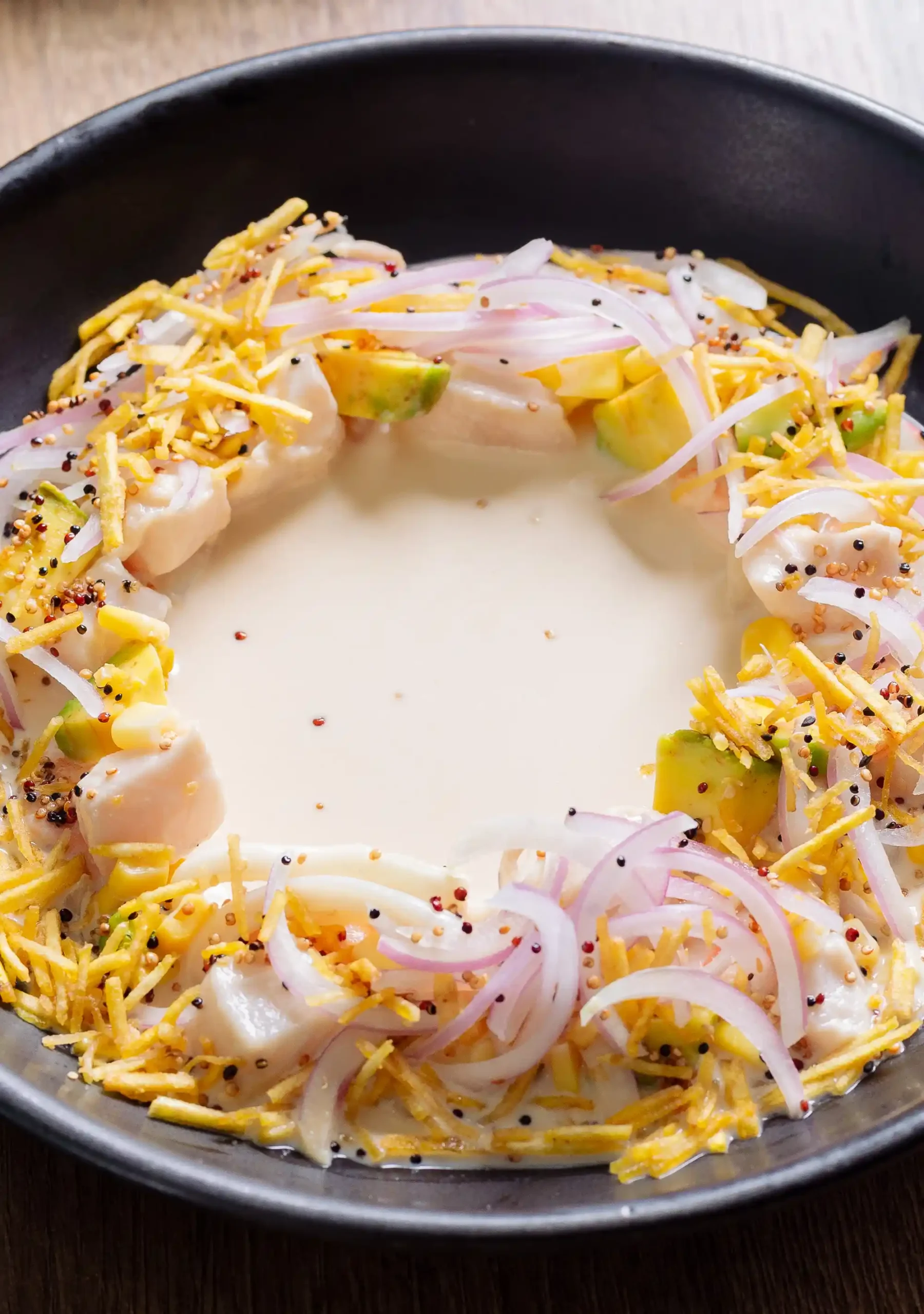
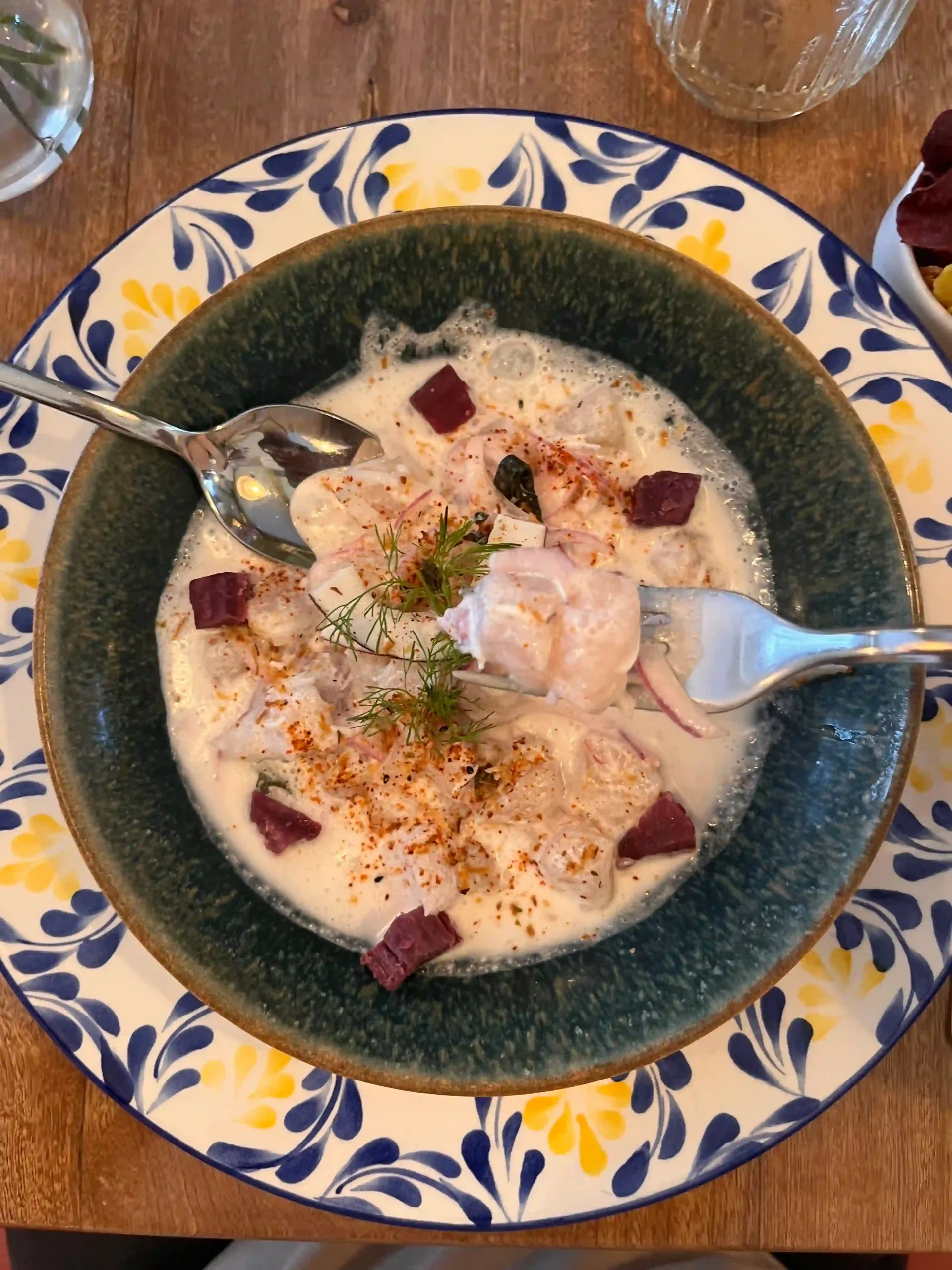
    Ceviche is not only the most famous dish in Peruvian gastronomy; but also my absolute favorite. I am not a big fan of fish, and yet, I am completely obsessed with this dish. It consists of fresh white fish briefly cured in freshly squeezed lime juice, seasoned with ají limo, salt, and thinly sliced red onion, served alongside camote and choclo.

    peruvian food and gastronomy ceviche

    Sensory-wise, it is a dish of endless stimuli. It truly has it all: a brilliant mix of textures and bold, vibrant tastes. You get the sharp, bright acidity of the citrus, the firm bite of the fresh fish, the crunch of the raw onion and the choclo, and the comforting, creamy sweetness of the sweet potato to balance everything out. And then there is the kick. It hits you with those citrusy, spicy notes, but as we talked about earlier, it is deeply flavored, not hot. It wakes up your palate.

    ceviche what to eat in lima

    Causa Limeña

    At its core, causa is a bright, beautifully layered dish made from mashed native yellow potatoes seasoned with freshly squeezed lime and ají amarillo. In a way, it reminds me a lot of Dominican mofongo, and I know I am not the only one who thinks this, since even Luisito Comunica made the exact same comparison!

    It acts as a soft, flavorful canvas that can be stuffed with chicken or avocado, but personally, I absolutely love it as an appetizer, especially when it is filled with fresh seafood. Served cold, it is incredibly refreshing and proves exactly how Lima elevates humble, native ingredients into elegant culinary staples.

    causa limeña food

    Lomo Saltado

    While it is born from the Chinese-Peruvian (Chifa) tradition, what you really need to know right now is how incredibly satisfying this plate is to eat. This is a smoky, hearty stir-fry of tender beef strips, crunchy red onions, and thick wedges of tomato, all tossed in a flaming wok with soy sauce. The high heat gives the meat that irresistible, charred flavor. But the absolute best part is the unapologetic carb-on-carb perfection. The dish is served with a massive portion of crispy french fries tossed right into the savory gravy, soaking up all those incredible wok juices, right alongside a mound of white rice. It is rich and of course, messy.

    lomo saltado peruvian cuisine

    Tiradito

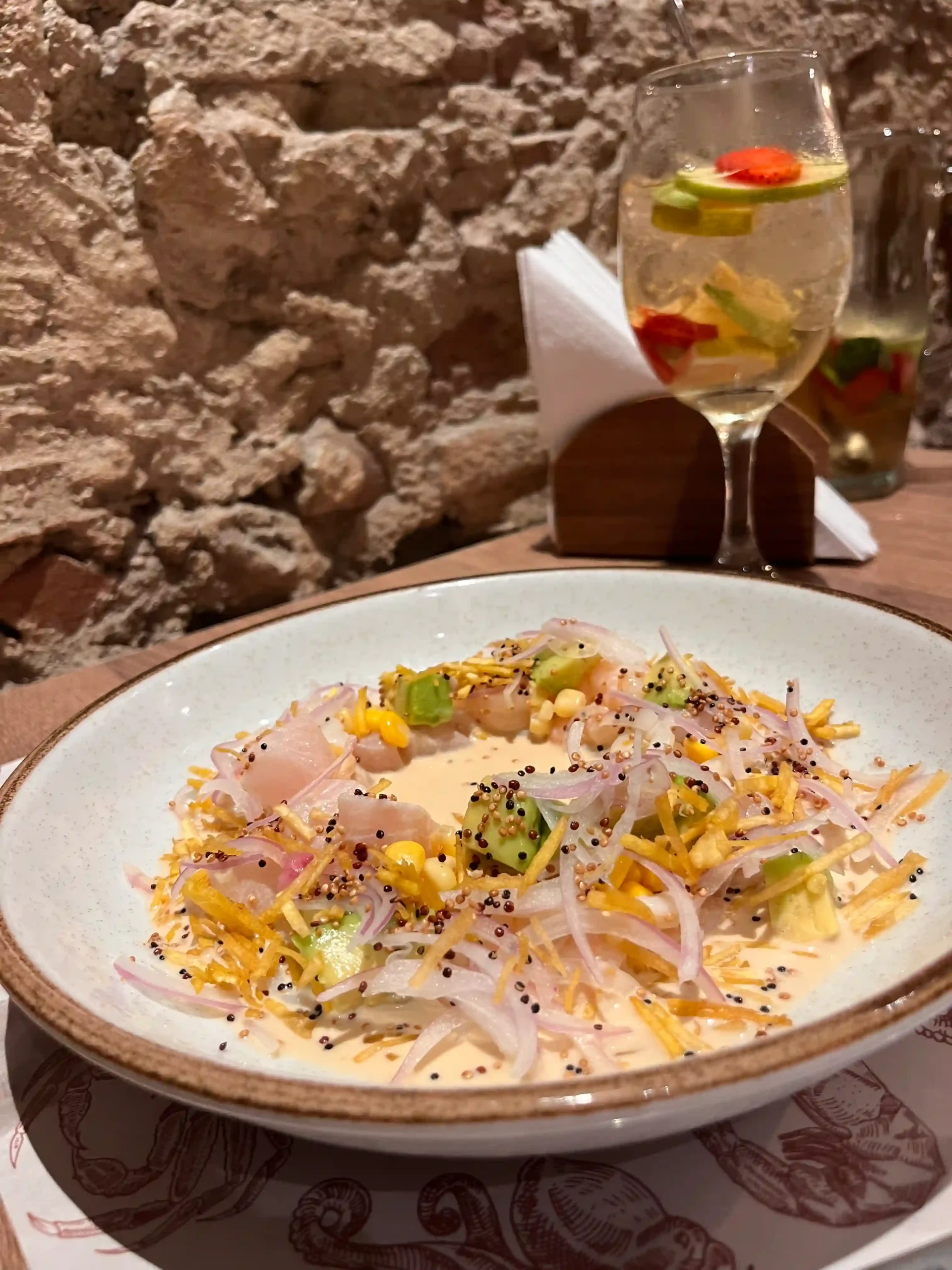
    Tiradito exists because of Japanese migration. While ceviche uses cubed fish that cures in citrus, tiradito features sashimi-style, thinly sliced raw fish that is covered in vibrant, ají-based sauces right before serving, meaning there is virtually no curing time. It highlights delicate knife work and umami over acidity. This dish is the clearest proof of how Lima absorbs incoming cultures.

    tiradito peruano

    Ají de Gallina

    This is colonial Lima on a plate. Ají de Gallina is a rich, creamy shredded chicken stew made with a base of ají amarillo (i know, it is everywhere), milk, bread, pecans, and parmesan cheese. It is a brilliant example of how European ingredients (like dairy and wheat) were layered over Indigenous chilies to create something deeply comforting. Often served with rice, boiled potatoes, and black olives, it is the definition of Sunday family dinners in Peru.

    aji de gallina peruvian gastronomy

    Peruvian Street Food and Market Culture

    Lima’s informal dining operates on two very distinct clocks: the late-night glow of the street carts and the early morning hustle of the local markets.

    street food market in Lima

    Anticuchos (The Street Cart Origins)

    I know I already mentioned Anticucherías as a specific type of restaurant earlier, which might cause a bit of confusion. Here is the deal: anticuchos started strictly as street food. People would set up a small charcoal grill cart on a street corner and serve these marinated, flame-grilled beef heart skewers directly to the crowds. Over time, they became so wildly popular that permanent, sit-down restaurants were built around that exact same concept. Today, they exist as both. You can sit down in a neighborhood spot, or you can do it the classic way: standing on the sidewalk, following the dense smoke, and eating this tender, smoky, and intensely savory bite right off the street cart.

    anticuchos

    Pan con Chicharrón (The Market Breakfast)

    If the carts own the night, the bustling local markets and sandwich shops own the morning. The king of Peruvian breakfast is the Pan con Chicharrón. This sandwich is a complete masterclass in contrasting flavors and textures. You get thick cuts of savory, incredibly crispy fried pork belly paired with soft, sweet slices of fried sweet potato, all tucked into a crusty bread roll. To cut through the richness of the pork, it is topped with a sharp, fresh relish made of thinly sliced red onions and lime juice. It is salty, sweet, crispy, and acidic all at once. Pair it with a strong, high-quality cup of properly roasted coffee (none of that cheap, sugar-roasted stuff) and you have the absolute best fuel for a day of exploring the city. Just a quick heads-up, though: if you come from a country where breakfast is usually just a simple piece of toast, you might want to take it easy. It is incredibly delicious and as local as it gets, but definitely listen to your body when tackling a massive fried pork sandwich first thing in the morning!

    Peruvian Sweets, Desserts and Fruits to Try

    Peruvian food is globally famous for its savory dishes, not necessarily its sweets. But make no mistake: Lima has a massive sweet tooth with more than enough to satisfy your sugar cravings. I know I am starting to sound like a broken record here, but we are back to the exact same story that built the rest of the city’s food scene: European techniques colliding with native ingredients. In this case, the city’s dessert culture is largely a direct legacy of the Spanish colonial era, where nuns in convents adapted their traditional pastry methods using the incredible abundance of the Peruvian pantry. Here is exactly what you need to look for.

    Picarones (The Street Sweet)

    This is Peru’s undisputed street dessert champion. Think of it as a local doughnut, but instead of regular flour, the dough is made from a mix of local squash and sweet potato. The vendor quickly fries them into crispy, airy rings and instantly drenches them in a dark, rich, spiced syrup made from raw sugar cane (chancaca). Eating these warm, sticky, and completely addictive treats while standing on the sidewalk is the perfect way to close out a night in Lima.

    Suspiro a la Limeña (The Colonial Sugar Rush)

    Translated as the «Sigh of a Lima Lady,» this dessert is the ultimate expression of the city’s colonial refinement. The bottom layer is a rich, silky caramel called manjar (similar to a traditional dulce de leche, made by slowly reducing milk and sugar until it thickens). It is then topped with a cloud of port-wine-infused meringue and a sprinkle of cinnamon. I will be honest: it is intensely, unapologetically sweet. I highly recommend ordering it alongside a strong coffee; the bitterness of a good brew balances the sugar rush.

    suspiro a la limeña dessert

    Mazamorra Morada & Arroz con Leche (The Perfect Contrast)

    Why choose one dessert when you can have two in the same bowl? Known locally as «El Clásico,» this is the ultimate Peruvian dessert. On one side, you get Arroz con Leche, a rich, heavy, and spiced rice pudding. On the other side, you get Mazamorra Morada, a thick, jelly-like pudding made by boiling native purple corn with pineapple, apple, cinnamon, and cloves. The true magic happens right in the middle of the bowl, where the bright, fruity acidity of the purple corn cuts directly through the heavy creaminess of the rice.

    Exotic Peruvian Fruits

    While not technically desserts in the traditional sense, Peru’s exotic fruits are an absolute delicacy and a crucial part of the morning market routine and dessert menus. These are insanely delicious, highly unique fruits that you simply will not find in most other parts of the world.

    exotic fruits in peru

    My absolute favorite was the Chirimoya. It is a green, scale-covered fruit with a creamy, custard-like center, and eating it is a wild sensory experience because it literally tastes like a blend of several different fruits at once (kind of a banana, pineapple, and strawberry mix).

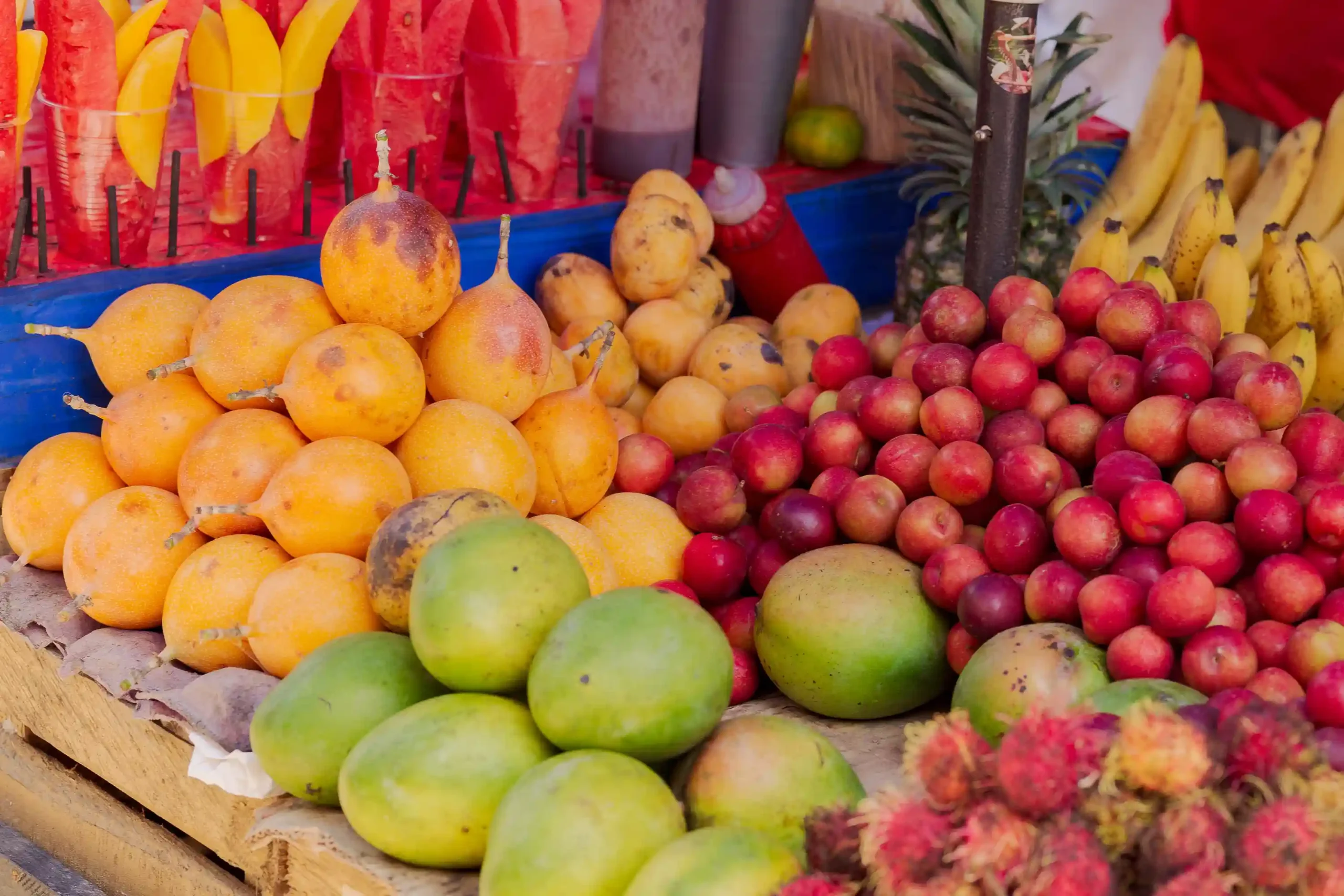
    Beyond that, keep your eyes peeled for Lúcuma, which tastes exactly like a mix of caramel and sweet potato when blended into ice cream, or grab a Granadilla to slurp up its sweet, jelly-like seeds for a quick morning snack. If you are exploring the markets, you will also find a massive bounty of Amazonian and Andean flavors, like the ultra-acidic Camu Camu, the tart Aguaymanto (golden berry), or the Pacay, an elongated pod filled with sweet fuzz known as the ice cream bean.

    The Peruvian Bar: What to Drink in Lima

    You simply cannot analyze a country’s gastronomy without looking at what they pour into the glass. Drinks are not just an afterthought used to wash down the food; they are an integral part of the culinary identity. Here are the three pillars of the Peruvian glass you need to know.

    what to drink in Lima Peru

    Pisco Sour (The Heavy Hitter)

    This is like the national cocktail. It is made with Peruvian Pisco (a potent, unaged grape brandy), freshly squeezed lime juice, simple syrup, a raw egg white for texture, and a few drops of Angostura bitters resting on the foam. It is thick, aromatic, perfectly balanced between sweet and sour, and packs a massive punch. You absolutely have to order it at least once to experience the classic, but be careful, they go down dangerously easy, and the alcohol hits hard.

    pisco sour

    El Chilcano (The Local’s Choice)

    Here is a tip: tourists drink Pisco Sours all night, but locals switch to Chilcanos. This is a much simpler, incredibly refreshing highball made with Pisco, ginger ale, a squeeze of fresh lime, and lots of ice. Because it skips the heavy egg white and thick sugar syrup, it is highly drinkable and pairs far better with a massive, hearty dinner. It acts as the perfect, fizzy palate cleanser between bites of intense, spicy food without making you feel uncomfortably full.

    Chicha Morada (The Everyday Staple)

    If you are not drinking alcohol, or if you are just sitting down for a standard midday lunch, this is exactly what will be on your table. Chicha Morada is a non-alcoholic beverage made by boiling native purple corn with pineapple rinds, apple, cinnamon, and cloves, served ice cold with a squeeze of lime. It is sweet, spiced, fruity, and visually striking with its dark, inky purple color. I’d say it is the everyday fuel of the city.

    chicha morada drink

    Sherpa Food Tours: Decode the Culinary DNA of Lima

    Navigating Lima’s food scene is a dream for any traveler (or foodie), but let’s be honest: it can also be incredibly overwhelming. You can read all the guides in the world, but truly understanding how Japanese precision, Chinese wok techniques, and ancient indigenous ingredients created the world’s best food destination requires more than just a dinner reservation.

    That is exactly why we created the Lima Foodie’s Adventure.

    At Sherpa, we do not just hand you a plate of food and point at a building; we take you right to the source. In just under four hours, our small-group walking tour bridges the raw grit of local markets with the sophisticated pulse of modern Lima, turning a series of meals into a masterclass on Peruvian identity.

    lima food tour

    What to Expect on Our Culinary Journey

    The adventure kicks off at the bustling Surquillo Market, where we dive into a sensory tasting of rare, mind-bending exotic fruits straight from the Andes and the Amazon. From there, we trace the country’s culinary evolution across more than 10 curated tastings. You will experience the deep comfort of traditional Criollo home cooking at a modern huarique, and then step into the cutting-edge world of Nikkei fusion for flawless seafood paired with our flagship Pisco.

    The tour then takes a wild turn to introduce you to untamed ingredients brought directly from the rainforest, before finally wrapping up with a refreshing, handcrafted dessert while looking out over the Pacific Ocean.

    This is a moving dinner party led by an expert local host who handles every single detail. All you have to do is show up, relax, and eat. By the end of the tour, you will not just know what to order for the rest of your trip; you will finally understand exactly why Peruvian gastronomy dominates the global stage.

    Ready to explore the culinary capital of the world? Join us at the table.

  • What is Asado? A Local’s Deep Dive into the Argentine Ritual

    What is Asado? A Local’s Deep Dive into the Argentine Ritual

    A quasi-religious practice, an almost dogmatic act. Unhurried enjoyment, the perfect moment to gather our people, an excuse to share, rich aromas. Those are the answers that immediately come up when we ask our local guides what is asado. It is pretty crazy to think that a meal can be defined by words that seemingly have nothing to do with gastronomy; and yet, they have absolutely everything to do with it.

    If you are trying to figure out the real difference in the asado vs barbecue debate, you have to throw out the idea of a quick weekend cookout. In Argentina, this is a prehistoric practice sustained in the modern world. It is a social event with no set schedule. You do not check your watch. You arrive early, pour a drink, and surrender to the rhythm of the embers.

    The ritual starts long before the meat hits the grill. While the fire catches, pouring that first drink is practically law. A tall, ice-cold glass of Fernet with cola or a robust Malbec is the mandatory co-pilot for whoever is manning the iron grates. It is an event where we take our time, eat slowly, and let the conversation stretch into the evening.

    But there is also a serious culinary science behind the romance. In this guide, we are going deep. We will break down exactly why argentine meat is world-class, walk you through the traditional stages of the tasting menu, and give you the ultimate cheat sheet on the best way to cook an asado yourself.

    Before the Fire: The Cult of Argentine Meat

    Why is it so good?

    The global fame of our beef is no accident; it is the direct result of our geography and tradition. The cattle roam freely across the massive, flat plains of the Pampas, feeding exclusively on nutrient-rich natural grass rather than grain. This lifestyle produces argentine meat that is naturally lean, incredibly tender, and packed with a deep, earthy flavor that industrial feedlots simply cannot replicate.

    The respect for the raw product is absolute. The entire process, from raising the cattle to the butchering, is designed to protect that quality, ensuring the ingredient shines entirely on its own before it ever even touches a flame.

    argentine cows

    Top Butcher Shops in Buenos Aires

    In Buenos Aires, butcher shops have evolved from simple neighborhood counters into culinary destinations. If you want to see the product at its peak, these institutions treat every cut with serious reverence:

    • Don Julio: Beyond its international acclaim as a steakhouse, their butcher counter is a masterclass in meat selection and dry-aging.

    • Cabaña Juramento: An essential benchmark for anyone looking for flawlessly sourced cuts and unwavering quality.

    • Carnicería Corte Comedor: Their aged cuts are the gold standard for any serious asado.

    Visiting these spots makes one thing clear: the excellence of an asado begins long before you light the match. It starts with choosing a world-class ingredient.

    Beef Cuts: How to Eat an Asado in Stages

    First of all, it is important to highlight that an asado is NEVER served all at once on a single plate. Instead, it is kind of a multi-course tasting menu that comes straight off the grill to a shared wooden cutting board. You eat piece by piece as the meat is ready.

    This continuous flow is a massive challenge for the asador. Every single cut has its own specific cooking time and must be pulled off the fire at the exact doneness the guests prefer, all while following a strict serving order. It requires a mental stopwatch, placing each piece of meat over the coals at the exact right moment to orchestrate the meal perfectly.

    aplauso para el asador

    Honestly, while I know my way around the table, I am no expert behind the grill. I am always deeply impressed by someone who can manage that fire, and I never get used to seeing a true master at work. It is exactly why every gathering ends with a mandatory, loud «¡Un aplauso para el asador!» (A round of applause for the grill master). They absolutely earn it.

    Just to be clear before we dive in: the breakdown below is the order in which we eat, which is entirely different from the order things are placed on the grill.

    Round 1: The Starters

    Everything kicks off with the classics: Chorizo (pork sausage) and Morcilla (a rich, spiced blood sausage). Throw a hot chorizo inside a piece of crusty bread, and you have the legendary street food staple known as the choripán.

    Round 2: Las Achuras (The Offal)

    Please, do yourself a favor and do not skip this.

    • Mollejas (Sweetbreads): It is the caviar of the grill. Cooked slowly over the embers until they develop a crispy crust and a creamy, melt-in-your-mouth interior, they are traditionally finished with a heavy squeeze of fresh lemon.

    • Chinchulines (Chitterlings): Intensely flavorful, crunchy, and my favorite achuras. They require serious skill from the asador to prepare perfectly, but when done right, they are a true local delicacy.

    chorizo, morcilla and achuras meat cuts

    Round 3: The Main Event

    These are the heavy hitters that require patience and a slow fire.

    • Matambre: A thin, highly flavorful cut of rose meat that gets incredibly crispy over the hot coals. It means «Hunger killer». I love how literal we could get.

    • Costilla (Asado de Tira): Short ribs cut crosswise across the bone. The meat near the bone is packed with fat and deep flavor, demanding a low and slow cook to reach absolute perfection. You should start placing the bone against the embers.

    • Vacío (Flank): A thick, fibrous cut with a layer of fat on the outside that crisps up beautifully. Slicing into a perfectly cooked vacío on the wooden board is usually the peak moment of the meal.

    The Traditional Sides

    We do not drown our meat in heavy, sugary BBQ sauces. Instead, we rely on three traditional accompaniments to cut through the richness of the fat: Chimichurri (a mix of fresh parsley, garlic, oregano, vinegar, and oil), Salsa Criolla (diced onions, bell peppers, and tomatoes in vinegar), and Provenzal (a potent, simple mix of chopped garlic and parsley).

    Even though the three of them are good, the meat does not need any extras to be delicious.

    How to Host Your Own Argentine Asado at Home

    Though Buenos Aires is filled with excelent steakhouses, if you happen to be renting a place with a parrilla , you should give it a try and host your own asado. Experiencing the ritual from the other side of the fire is something every traveler should do at least once. But before we get into the tips, remember what i said: everything starts with the ingredients. You cannot rush a bad cut of meat into being good. Take the time to visit a proper butcher and buy high-quality cuts.

    Once you have the meat, it is time to face the fire.

    Choosing the Fuel: Wood vs. Charcoal

    Your first big decision is what to burn.

    • Carbón (Hardwood Charcoal): This is the go-to for most weekend asadores and definitely what you should use if it is your first time. It lights faster, provides consistent heat, and is much easier to manage.

    • Leña (Firewood): This is the traditional, romantic route. It gives the meat a deeply authentic, smoky flavor, but it requires much more time and skill to break down into usable embers.
    argentine asado fire

    Lighting the Fire (The Hairdryer Trick)

    Building the fire is almost an art form. You start with a base of crumpled paper (do you know how many times i passed at school and used my notes?), add kindling or small pieces of wood, and stack your charcoal on top so it can catch the flame. Fundamentalists will tell you that using chemical fire starters or blowing air onto the fire is a sin. However, if this is your first time, take all the help you can get (be careful!). Honestly, I have even seen my own brother pull out a hair dryer to get a stubborn fire going. No judgment here, just get those embers glowing red.

    Meat, Timing and Embers

    Because you are serving a tasting menu, you need a strategy. I highly recommend mentally listing the order in which things go on the grill and the amount of heat they need.

    • The Long Game (Low Heat): Thick, bone-in cuts like Costilla (Asado de Tira) and thick fibrous cuts like Vacío go on first. They need a steady, low heat and can take up to two hours to cook perfectly.

    • The Middle Ground (Medium Heat): Achuras like mollejas and chinchulines take a while to get crispy and render their fat, so get them on early with a moderate amount of embers.

    • The Fast Track (High Heat): Chorizo and Morcilla are quick. The Morcilla is already cooked and just needs to be heated through, while the Chorizo takes about 30 to 40 minutes. Thin cuts like Matambre also cook very fast over high heat and should go on last.

    The Sherpa Cheat Sheet

    To make sure your event is a success, keep these core rules in mind:

    • Lie about the start time: Remember, this is a social event. Tell your friends to come over at 1:00 PM, knowing full well that the main cuts will not hit the table until at least 3:30 PM.

    • Keep the crowd happy: Because of the timeline mentioned above, a picada is mandatory. Put out a wooden board with salami, cheese, olives, and fresh bread so your guests have something to snack on while they wait.

    • Respect the embers: Do not rush the fire. Wait until the hot coals are covered in a thin layer of white ash before you pull them under the grill. If there are black, unburned pieces of charcoal touching your meat, you are doing it wrong.

    • Salt is your only seasoning: Generously salt the raw meat with sal parrillera right before it hits the grates. That is all high-quality argentine meat needs.

    • Keep the drinks flowing: The asador should never have an empty glass. Have a bottle of robust Malbec open, or mix up a tall, ice-cold glass of Fernet with cola to sip while the smoke does its work.

    fernet and asado

    The Fire is Waiting

    So, if anyone ever asks you what is asado, you now have the full breakdown. You know the cuts, you know the strict rules of the embers, and you understand that a true asado in argentina is taking your time and enjoying the people you share it with.

    If you are still building your culinary itinerary and want to know what else belongs on your plate, keep exploring our guides to discover exactly what to eat in Buenos Aires beyond the grill.

    But let’s be honest: reading about the smoke and the sizzle will only get you so far. If you want to skip the theory and get straight to the tasting, come walk the streets with us. Join one of our Sherpa food tours to eat your way through the neighborhoods alongside a local guide. And yes, stopping at a classic neighborhood parrilla to grab a bite of perfectly charred argentine meat straight off the fire is just one of the many delicious steps on our route.

    Pull up a chair, grab a glass, and let us show you how this city actually tastes.

  • Argentine Food Culture: The Ultimate Guide to Eating in Buenos Aires

    Argentine Food Culture: The Ultimate Guide to Eating in Buenos Aires

    «Tell me what you eat, and I’ll tell you who you are.» It might be a slightly exaggerated twist on the old saying, but from my point of view, food reveals much more about our culture, history, and daily rhythm than it seems.

    Our cuisine is a map of who we are. Argentine food is the legacy of the immigrants who arrived on ships, blended with the roots of our native people. It is the story of our Argentine soil, from the fruits that ripen into world-class wine to the endless Pampas where our renowned beef is raised.

    Climate conditions, history, and culture condense onto our plates. And it is around these flavors, that we have crafted rituals that move far away from the notion of food as fuel, transforming the act of eating into something to be shared, enjoyed, and lived.

    This guide is my personal take on what Argentine food truly is. Consider it a roadmap for you to know what to try, where to find its best version, and the essential tips you need to dive deep into the culinary life of Argentina.

    What’s on the Menu

    • The Rhythm of Eating in Buenos Aires(when and how we eat)
    • The Traditional Savory Dishes
    • The Street Food Ritual
    • The Sweet Heritage
    • What Argentines Actually Drink
    • Experience the city like a Local

    The Local Eating Rhythm in Buenos Aires(When & How we Eat)

    Before we dive into what to eat, you may need to dive into the unwritten culinary rules. 

    The Timetable: When we Eat

    Breakfast

    Here, the morning is sweet and simple. Maybe it is because the day can get complicated later, so we prefer to ease into it. It’s usually a café con leche paired with medialunas (our smaller, stickier, sweeter version of croissants) or tostadas (toast) with cream cheese, butter or dulce the leche. It’s quick, and usually happens between 8:00 AM and 10:00 AM.

    Lunch

    Usually between 1:00 PM and 3:00 PM. It can be a quick bite or a long, wine-fueled affair if it’s a Sunday. On workdays, however, we keep it practical.

    Merienda (Tea Time)

    This is the bridge between lunch and our late dinner. It happens around 5:00 PM to 7:00 PM. It’s socially acceptable to drink more coffee, mate, or tea, accompanied by something sweet. Do not skip this, or you won’t make it to dinner.

    Dinner

    This is the biggest shock for travelers. If you show up at a restaurant at 7:00 PM, you will likely find the staff still setting the tables. Locals eat late. 9:00 to 10 PM is prime time.

    The Food Venues Landscape in Argentina

    There are many kinds of restaurants in our gastronomic culture and each brings something different to the table (literally and figuratively). Let me tell you a bit about them, and how to identify what you’re looking for. 

    Bodegones

    These are the keepers of our history. Picture traditional canteens, often decorated with hanging hams, old sodas, and maybe some soccer memorabilia. They serve «grandmother-style» argentine food: huge portions, homemade pasta. You come here for the noise, the waiters who call you «maestro,» and the nostalgia vibes.

    Parrillas

    The temples of fire, the steakhouses. From upscale dining rooms to hole-in-the-wall joints with a massive iron grill. This is where the Asado happens.

    Cafés Notables

    These are coffee bars officially recognized as cultural heritage in Buenos Aires. Frozen in time, filled with dark wood, leather, and literary ghosts. They are not into finding the perfect «single origin» coffee bean (please, don’t you dare asking for a flat white). These spots are meant for reading a book and feeling like you are in the 1920s.


    Specialty Coffee Shops

    The modern wave arrived in Argentina a few years ago. Specially in the big citys like Buenos Aires, Córdoba and Rosario, Minimalist aesthetics, flat whites, and sourdough avocado toast. They are the sharp, hip contrast to the classic café.

    Las Pizzerías

    Usually bright, loud, and chaotic (like the city itself). These are not romantic spots; they are fast-paced temples of mozzarella where many locals eat a slice «de parado» (standing up) at the counter.

    Panaderías (Bakeries)

    There is one on almost every block. It is a daily stop for a loaf of bread or a pastrie. The first time I lived abroad, it was a shock to see bread sold mostly in supermarkets. Here, it is baked fresh just around the corner, and you can taste the difference.

    Street Food 

    While we don’t have food carts on every corner, we have our specific spots, mostly around parks, festivals, riverwalks and, crucially, soccer stadiums. 

    The Traditional Savory Dishes

    Asado

    First, a clarification: please do not translate Asado as «Barbecue.» It is a noun with a double meaning. Yes, it refers to the argentine food, but it is also the event itself. You can eat an Asado, but more importantly, you go to an Asado.

    It is a ritual of patience, fire, coarse salt, family, and friendship. It is not just about the meal; it encompasses everything that happens before the fire is even lit and the long hours of conversation that follow eating (the sobremesa).

    For us, meat is a source of national pride, but the secret isn’t just the product; it’s the ceremony. Every cut has its science, and every Asador (the designated cook) has their tricks. When the meat finally hits the table, there is a sacred moment where we all clap «Un aplauso para el asador» to honor the effort. It’s communion.

    To navigate the grill, these are some of the cuts you need to know:

    • Las Achuras (The Starters): These are kind of “the warm-up”. This includes Chorizo (sausage), Morcilla (blood sausage), and my absolute favorite, the Mollejas (sweetbreads).

    • Tira de Asado (Short Ribs): The classic Argentine cut. Strips of ribs cut across the bone. It is flavorful, a bit fatty, and best eaten with your hands.

    • Vacío (Flank Steak): This is my top 2. It’s a thick, fibrous cut that protects its juices with a layer of fat. It requires slow cooking, but the result is incredibly tender.

    • Matambre (Rose Meat): A very thin cut that gets crispy on the grill. Though the «Matambre a la Pizza» (grilled with tomato sauce and melted cheese on top) is a great choice, for an asado I prefer the classic version finished with some lemon on top .

    • Entraña (Skirt Steak): A thin, fibrous cut that is intensely juicy. It cooks fast and packs a punch of flavor.

    • Bife de Chorizo (Sirloin): The thick, tender steak that made Argentina famous worldwide.

    You can’t leave Argentina without experiencing an asado, and the best way would be in the backyard of a local friend. That is the honest truth.

    However, if you don’t have that invitation just yet, Buenos Aires offers incredible alternatives, including worldwide recognition restaurants, immersive educational experiences, or simply relaxed neighborhood spots with top-tier meat.  Lucky you, I have mapped them out. 

    Find your perfect match in our Guide to the Best Steakhouses in Buenos Aires.

    Milanesa

    I get offended when I see «Milanesa» listed on the «Kids Menu» in international spots. For us, this is serious business. For sure, it is the taste of our childhood, but also the ultimate comfort food, and an absolute staple of the local diet. It’s a thin slice of beef (or chicken), breaded and fried (or baked) to golden perfection. Simple? Maybe. 

    what's a milanesa

    I have tried similar dishes abroad, and the texture is never quite right. The secret is the Pan Rallado. Unlike the coarser crumbs or Panko often used elsewhere, our traditional breadcrumbs are ground very fine. This creates a compact, golden crust that clings to the meat like a second skin, absorbing just the right amount of flavor without becoming oily.

    While the undisputed sides are french fries or mashed potatoes (puré).If you are at a restaurant, I strongly recommend asking for a «Puré Rústico» (rustic style) or one with herbs. It elevates the experience.

    My favourite? The Milanesa de Bife de Chorizo at “El preferido de Palermo”. 

    Empanadas

    Empanadas are a hybrid: they are a dish, but they are also street food. You can eat them sitting down, but there is a specific skill to eating them standing up: open your legs slightly and lean forward. Why? Because a good meat empanada is juicy, and «hot grease vs. clean shoes» is a battle you don’t want to lose.

    argentine empanadas

    While there are as many versions as there are provinces, in Buenos Aires you can find them all. To order like a pro, you need to know the 3 regional heavyweights:

    • La Salteña: This one is usually baked. It is filled with knife-cut meat, hard-boiled eggs, scallions, and cubed potatoes. They often pack a spicy punch.

    • La Tucumana: They generally use matambre (rose meat) cut strictly by knife (never ground beef). They are incredibly juicy and seasoned with cumin. All empanadas are good, but these are absolutely great.

    • La Cuyana (From Mendoza/San Juan): Baked in clay ovens. These are famous for their juiciness, achieved by using a high ratio of onions to meat.

    Just as a personal note: My grandmother used to add white wine to the homemade dough, which made it epic. Honestly, I haven’t found a restaurant that matches her secret recipe yet, but the style remains a must-try.

    Beyond the Beef: The Other Classics

    • Jamón y Queso (Ham & Cheese): This is the one that cannot fail. It sounds basic, but you should look for the ones made with «Masa de Hojaldre» (puff pastry). When the cheese melts inside those buttery, flaky layers, it is unbeatable.
    • For Vegetarians: You are safe here. Humita is a creamy, sweet corn paste with béchamel sauce and cheese, a native flavor everyone loves. You will also find Verdura (Spinach/Chard with white sauce) or Queso y Cebolla (Cheese & Onion) in almost every shop.

    Find the ultimate inspiration in our list of the best places to enjoy empanadas in Buenos Aires.

    Pizza: The «Porteño» Mutation

    Argentina was home to many Italian immigrants at the beginning of the 20th century. Our food culture is deeply attached to the international influences we went through. Having said that, you could guess pizza here isn’t «international food» but part of our local cuisine. Still, while the roots are Italian, the evolution is strictly Argentine.

    So… while the thin, airy Neapolitan style is trending right now (and actually, I prefer it), the real Pizza Porteña (from Buenos Aires) is a distinct mutant. 

    pizza porteña

    Pizza porteña vs Italian Pizza

    The Dough (Masa al Molde): Unlike the thin Italian crust, our traditional pizza has a thicker, spongier dough (cooked in a pan). Why? I would call it an architectural necessity. It is designed to hold the weight of an obscene amount of cheese

    The Fainá: You will see locals ordering a slice of pizza with a thin, yellow triangle on top. That is Fainá, a dense flatbread made of chickpea flour. We sometimes eat it «A Caballo», meaning one bite includes both pizza and fainá. It sounds as heavy as it is, but the dry texture of the chickpea perfectly balances the oily creaminess of the mozzarella.

    The Ritual «De Parado»: In the classic Pizzerías on Corrientes Avenue, there is no need to wait for a table. We can eat «de parado» (standing up) at the counter. You order two slices and a beer, you eat amidst the noise, and you wipe your hands with those tiny wax-paper napkins that don’t really clean anything. It’s not fancy, but it is worth a shot, even if just for the story.

    To experience this, head straight to Güerrin. It is a temple of the style, offering not only the classic Muzzarella but an endless (and rather peculiar) variety to explore.

    La Picada

    This isn’t a specific Argentine dish; it is our version of a Charcuterie board or Tapas, but much more rustic.

    There is no fixed recipe, but a respectable Picada must have Salame (salami), Queso (cubes of cheese, usually Pategrás), and Pan (bread). From there, it’s a free-for-all: peanuts, olives, potato chips, and ham.

    argentine food picada

    How does it work? It is strictly finger food, and it plays two very different roles:

    • The «Prequel» (Before the Asado): served while the meat is on the grill to calm the hunger(It is a trap).
    • The Main Event: Sometimes, we just don’t want to cook. If friends come over for drinks or to watch a soccer match, a massive Picada is the dinner. No cutlery, no plating, just reaching into the center of the table and grabbing a cube of cheese while arguing about the referee.

    The Street Food and Informal Eating Culture in Argentina

    As I said, we don’t have food carts on every single corner. In Argentina, street food is a destination in itself. You find it clustered in specific ecosystems: riverside promenades, large parks on weekends, music festivals, and outside soccer stadiums.

    The street menu is generally carnivorous and sandwiched between bread. While the Choripán is the main character, the Sándwich de Bondiola  (pork shoulder) is a scene-stealer that holds its own.

    The Choripán ritual

    This is an experience for the brave. It is often spicy, greasy, and messy. 

    For me, Choripán is linked to my soccer team. When we win, eating a Chori on the way out of the stadium is the trophy, the reward for having left everything in the stands. When we lose, it is the consolation prize. 

    chori de cancha
    Choripan in the way to the soccer stadiums

    As someone who really appreciates high standards when it comes to food, I apply an exception when it comes to choripan. That is the «Trust the Process» Rule.  In these street spots, hygiene standards are… let’s call them «rustic.» Don’t ask about permits. Don’t look too closely at the cooler. Just trust the fire. I mean, of course you will notice which of the spots around is the “safest” choice, but do not expect an operating room. 

    Insider’s tip: look for the spot with the longest line. High turnover is the best quality control! 

    However, if it’s your first time or you want to ease into it, there are levels to this game and you don’t need to be a soccer fan at all. You can choose the modern, gourmet route in spots like CHORI (even offer vegetarian versions), or experience the classic ‘Carritos’ in Puerto Madero, where the paradox is fascinating and these rustic options confront the city’s most expensive skyscrapers.

    If this made you hungry or curious, check the full article on Buenos Aires’ street food!

    The Argentine Sweet Heritage (Dulce de Leche & Friends)

    Dulce de Leche: The National pride

    If Argentina had a flag for flavor, this would be it. Legend has it that it was created by mistake in 1829, when a maid forgot a pot of milk and sugar on the fire. The result was this thick, caramel-like jam that runs through our veins. You will find similar versions across Latin America (Manjar, Arequipe), but let’s be clear: the Argentine version is superior. (Sorry, Uruguay, i’m not debating this).

    My Personal Take: Some locals eat this by the spoonful. Personally? I find that too intense. I prefer it spread on toast or mixed with something that balances the sweetness. But please, don’t let me stop you from attacking the jar.

    Chocotorta: The Champion of Simplicity

    This is the dessert that never fails. It is not made by a Michelin-star pastry chef; it was likely invented by a marketing team, but we adopted it as our own. It’s a no-bake cake made of layers of chocolate cookies soaked in coffee or milk, stacked with a mixture of cream cheese and Dulce de Leche.

    • Why it works: It’s fresh, simple, and hits every pleasure point without being heavy.

    • Where to find it: Almost every modern coffee shop has a version. Or honestly? You can buy the ingredients at a supermarket and make it in your Airbnb. It’s that easy.

    Alfajores: The Cookie Sandwich

    The concept is simple: two cookies joined by a filling (usually Dulce de Leche) and often covered in chocolate. Anyways, there are different kinds. Here is the breakdown: 

    The » Alfajor de Maicena»

    These are made with cornstarch cookies and rolled in coconut. They are delicious but have a tiny little problem: someone must kick you in the chest to help you swallow it. Unless perfectly made, these are usually very dry alfajores. So… try them! but please keep some water nearby. 

    The Classic Alfajores

    There is a massive spectrum here. You have the artisanal, high-end versions that are closer to fine patisserie, like the ones from Havanna, and then you have the industrial «kiosk» highlights, that save your life when you need a sugar fix on the go. “Rasta” would be a good example for those. 

    My advice? Try both. They satisfy different cravings, and comparing them is part of the fun. 

    argentine alfajores havanna

    Queso y Dulce (Postre Vigilante)

    This is our simplest, most rustic dessert: a slice of soft fresh cheese paired with a slice of sweet potato paste (Batata) or quince paste (Membrillo). It has Spanish roots, but we adapted it to our pantry.

    My Personal Take: I’ll be honest: I don’t like it. For me, it’s a bit unusual. But it is a classic, arguably the most traditional way to end a meal in a Bodegón. It’s controversial: you either love the contrast, or you don’t get it at all. You have to try it to judge.

    So, this is the sweet starter pack. We haven’t even touched on our world-class Helado (Ice Cream) or the restaurant classic, Flan Mixto. Unlock the full sugar rush in our Insider’s Guide to Argentine Desserts: What and Where to Order. 

    What  and When Argentines actually Drink

    Just like our food, our drinking habits (this sounds a little weird) are deeply communal. In Argentina, we don’t drink just to quench our thirst; we drink to extend the conversation.

    It is rarely a solitary act. Whether it is passing the Mate around in a park or sharing a bottle of Malbec during a never-ending dinner, the connection is key. We have our own rhythms, our unique national liquors, and unwritten codes.

    what argentines drink

    Living abroad, I was surprised to see people heading to bars at noon or for boozy brunches. Here, the timing is different. While a glass of wine with lunch is perfectly normal, hard liquor and cocktail bars are strictly a nighttime affair (and usually, late night).

    From the caffeine kick of the morning to the herbal bitterness of the night, here is how we fuel our chats and fill our glasses. 

    Mate

    You will see people carrying termos under their arm everywhere. Inside the gourd cup, there are dry green leaves and hot water. 

    Clarification: It is not a drug, it has no weird substances. It is simply an herbal infusion (high in caffeine) that for us, represents company.

    The Golden Rules

    1. It is shared: If you are in a circle, don’t ask for one just for yourself. You drink and pass it back.
    2. Don’t touch the bombilla: The metal straw is fixed. Moving it ruins the structure of the yerba (i know, it is a whole science)
    3. The «Gracias» Trap: This is the #1 tourist mistake. In Mate language, saying «Thank you» means «I don’t want any more.» Only say thanks when you are done, you won’t look rude. 

    The Taste

    It is bitter and grassy. There is a huge divide between purists (Bitter) and those who add sugar or sweetener.

    Insider’s tip: If it’s your first time, I would recommend you a «Yerba Suave» (mild blend). It might not be the intense local experience, but it is much friendlier for a beginner’s palate.

    The Coffee Culture

    While specialty coffee is booming all over the country, you must visit a Café Notable if you’re in Buenos Aires. These are historical landmarks.

    The icon, Café Tortoni, is a busy spot, but the architecture and history make it worth the queue. This is where Borges, Cortázar, and Alfonsina Storni, among many others, sat to discuss the future of art over a cider or a coffee. The stained glass, the wood, and that heavy intellectual atmosphere make it a must visit. 

    cafe tortoni notable food in buenos aires

    Fernet

    While it has Italian origins, the heart of Fernet is in Córdoba (our central province). It is a dark, herbal, bitter spirit that—let’s be honest—tastes like medicine until you mix it.

    The Formula

    70% Coca-Cola, 30% Fernet, and ice all the way to the top. The foam is essential and there are tricks to master it. 

    The «Viajero» Fun Fact

    When we were young (or at music festivals), we didn’t use glasses. We cut a plastic Coca Cola bottle in half, burned the edges with a lighter so they wouldn’t cut our lips, and mixed the drink right there to pass around. We call it «El Viajero» (The Traveler). We don’t do this at restaurants or bars at all, but it’s a vital part of our coming-of-age folklore.

    Our Wine Culture

    Argentina is a «New World» wine country, which means we talk about Grapes.  While Malbec from Mendoza is the king that put us on the map, our geography is massive. We have high-altitude wines in the North (Salta) and cold-climate wines in the South (Patagonia).

    Grapes to try

    Torrontés: The only grape that is 100% native to Argentina. Floral and aromatic, mostly from Salta.

    Pinot Noir: Look for bottles from Patagonia (Río Negro). Elegant and earthy.

    The Trendy Ones: Bonarda, Petit Verdot, and the comeback of Criolla (a light, drinkable grape that is super trendy in hipster spots right now).

    argentine wine

    Where to Drink Wine?

    The wine bar scene has evolved from the traditional white-tablecloth steakhouses to an incredibly diverse landscape, specially in Buenos Aires. You can find educational spots where sommeliers guide you, or sophisticated jazz bars perfect for a mature, relaxed evening. And for the «cool kids,» there is a massive wave of rustic, vintage-style bars (mostly in Chacarita) where the crowd is young, the wines are organic, and the social life happens as much on the sidewalk as it does inside.

    Cocktails bars

    Our nightlife is legendary. We start late and end… well, very late. If you have a few nights to explore, I recommend you try to visit these three types of spots to get the full picture.

    • A Rooftop Bar

    Ideally, during sunset. Watching the city skyline turn into night with a drink in hand is the best way to start the evening.

    • A Speakeasy

    Buenos Aires loves hidden concepts. Florería Atlántico, hidden beneath a flower shop and consistently ranked among the world’s best, is a classic. 

    • A Rustic-Vibing-Neighborhood type of Bar

    For something louder and local, Tres Monos is a good fit: punk vibe and world-class service.

    Thirsty for More?

    As you can see, the landscape is massive. We haven’t even touched on the Vermouth or our historic national liqueurs like the Hesperidina.

    This was just the overview. If you want to double click on this topic, check out our deep dive guide on Traditional Argentine drinks and where to try them.

    A Foodie Neighborhood Breakdown

    Buenos Aires is massive, and each district operates with its own culinary personality. To help you choose, here is a quick breakdown of the main gastronomic hubs:

    Palermo: The Main Hub 

    This is the epicenter of dining and nightlife. It is huge (subdivided into Soho and Hollywood) and offers the highest density of options: from Michelin-starred restaurants and Asian fusion to the best cocktail bars. 

    The Vibe: Loud, intense, and buzzing.

    Chacarita and Colegiales: The «Up & Coming» 

    This is where the local chefs are opening their own indie spots right now. It feels more residential and relaxed. 

    The Vibe: Sidewalk tables, vermouth bars, specialty coffee, and a «cool» but unpretentious crowd.

    San Telmo: The Historic Classic 

    The bohemian heart of the city. It is steeped in history. This is the best area to find authentic Argentine food in the Bodegones, steakhouses, and the Sunday Market chaos. 

    The Vibe: Rustic, vintage, and culturally rich.

    Recoleta & Retiro: The Posh Up-market

    Imagine a European Buenos Aires: wide avenues, palaces, and luxury hotels. The dining scene reflects that sophistication with elegant tea rooms, high-end classic service, and hotel bars. 

    The Vibe: Polished, quiet, and sophisticated.

    Sherpa Food Tours: Experiencing Argentine food like a Local

    You can definitely go to all these places alone. You can stand in the long line at a famous parrilla, checking your watch while smelling the smoke from the sidewalk. You can stare at a wine list, trying to guess the difference between a Malbec from Salta and one from Mendoza.

    My goal with this guide was precisely to arm you with the insights to handle those moments like a local. I truly hope this article helped you understand the background of our culinary scene and what/how to order while you’re visiting Buenos Aires city. 

    But there is a better, easier and immersive way to enjoy Argentine food. A way where the logistics disappear, and the magic takes over.

    At Sherpa, we bridge the gap between the plate and the culture, turning a simple dinner into a shared ritual.

    sherpa food tours in buenos aires

    Here is why you should pull up a chair with us

    From Tourist to Local

    We unlock the city for you. We explain why we clap for the Asador, why the pizza has so much cheese, and the history behind every bite. You won’t just taste Argentine food; you’ll fully understand the eating rhythm of our city.

    san telmo food tour

    The «Insider» Access (Skip the Line)

     We know your time is precious. As partners with some of the city’s most sought-after restaurants, we allow you to walk straight in. No waiting on the sidewalk; you go right to the table where the wine is already pouring.

    The Joy of the Table

    This isn’t a lecture; it’s a dinner party. You will share a feast with incredible people from all over the world. As i said, Argentine food is about connection, laughter. With Sherpa strangers become friends over a glass of Malbec.

    the joy of the table

    Curated with soul and experience

    We don’t just take you to the «famous» spots. We mix the hits with the hidden gems, the neighborhood favorites that only us locals know.

    Curated food experience in buenos aires

    Just Relax, We’ve Got It

    Navigating a new city is beautiful, but can be stressful. Our friendly insider hosts handle every detail so you can simply relax, taste, and enjoy the argentine sobremesa.

    Yes, we are proud to have been trusted by over 20,000 travelers. But our real pride is seeing you leave the table with a full belly, a happy heart, and new friends.

    Ready to book? Join us in our Buenos Aires Foodie’s Adventure. 

    I’ve Shared the Tips, Now It’s Time to Share the Table

    I have given you the full roadmap to navigate our Cuisine. We talked about the unwritten rules of Mate, the country’s juiciest Empanadas, our shameless appropriation of Italian Pizza, and… well, so many other things that I won’t list again because, honestly, I hope you were paying attention!

    But as I said at the beginning, exploring Argentine food is about much more than just flavor; it is about the stories shared across the table. It is about the mixed cultures, the chaos, the wine, and the people. Eating our food is a truly immersive experience, and you should give yourself that treat.

    Table is ready. You can book your spot right here.

    Some extra tips to get you ready! 

    • Tipping: Service is generally not included. 10% is the standard; go for 15-20% if the service was outstanding. Bring cash! While some places allow you to tip via card, servers love cash.

    • Money & Cards: The economic situation here is… dynamic. Currently, using your foreign credit/debit card is a great idea because you get a favorable exchange rate. Note: This changes often, so double-check the rules right before you fly.

    • Getting Around: Skip the yellow taxis if you can. Use Apps like Uber or Cabify. Select the «Comfort» or «Premium» option. The price difference is usually small, but the difference in car quality is huge.

    • Public Transport: To use the bus or subway, you can pay with your card. No SUBE is needed.

    • Safety: Argentina is generally safe in tourist areas. However, follow the local rule: «No te regales» (Don’t gift yourself). Do not walk around staring at your phone. If you need to check a map, stop and step inside a shop. Be smart, not paranoid.

    • Water: Tap water is generally safe to drink in Buenos Aires, but if you have a sensitive stomach, sticking to bottled water is a smart move.

    Do you have any questions or want to learn more about our tours? We love talking about food and travel! Reach out to us right here and we will get back to you as soon as possible.

  • The Best Brown Cafes in Amsterdam: Top Spots for a Cozy Dutch Experience

    The Best Brown Cafes in Amsterdam: Top Spots for a Cozy Dutch Experience

    Visiting Amsterdam? Check the best brown cafes in Amsterdam. If you’re in for a delightful experience, get explore the «bruin cafés» in Dutch, these establishments are the cornerstone of the city’s pub culture. More than just places to enjoy a drink or a meal, brown cafés embody the essence of Dutch tradition, offering a window into Amsterdam’s rich history and welcoming atmosphere. Whether you’re a traveller eager to explore local flavours or a food and drink enthusiast, Amsterdam’s brown cafés are essential stops that promise to make your visit to this captivating city truly memorable.

    Defining the Brown Café: More Than Just Color

    Historical Backdrop

    The brown café, or «bruin café,» has a rich and varied history that stretches back to the Middle Ages. These establishments originated from inns and taverns where locals and travelers could gather to eat, drink, and sometimes even stay.

    Over time, they evolved into the living room-style pubs of the 19th century, where locals would open their homes to generate extra income. The term «brown café» itself is derived from the tobacco smoke and years of use that stained the wooden furnishings and ceilings, giving these places their distinctive, cozy ambiance. Some of these cafés have been around since the 17th century, such as Café Papeneiland, which dates back to 1642 and the Golden Age of Holland.

    The Role in Dutch Culture

    Brown cafés are more than just drinking establishments; they are epicenters of social gatherings and intellectual life in Dutch culture. These cafés have long served as meeting places for various social groups, including artists, intellectuals, workers, and students. They contribute significantly to the vibrant social and intellectual life of the communities they serve.

    In Amsterdam, particularly in the historic Jordaan neighborhood, brown cafés are integral to the local culture. They showcase local culinary favorites and offer a nostalgic glimpse into the past, while also adapting to modern trends to attract younger generations.

    Whether it’s enjoying a traditional beer and bitterballen or savoring a kopstootje (a combination of beer and jenever), these cafés embody the warm hospitality and social spirit of the Netherlands.

    The Must-Visit Brown Cafés in Amsterdam

    1 – Café Katoen

    Café Katoen, nestled along the charming Kloveniersburgwal canal just steps from bustling Rokin, offers a modern take on the traditional brown café experience. With its inviting wooden interior and spacious canal-side terrace, this cozy café has become a beloved hangout for both locals and travelers looking to unwind in the heart of Amsterdam.

    Inside, the atmosphere is quintessentially Dutch, with a strong sense of gezelligheid—that warm, homey feeling that defines the brown café culture. Whether you’re grabbing a morning coffee, enjoying a relaxed lunch, or sipping a local beer in the late afternoon sun, Café Katoen provides the perfect backdrop for every moment of the day.

    cafe katoen best brown cafes in amsterdam

    Unlike many historic brown cafés, Café Katoen boasts a full kitchen, offering a more extensive menu that includes hearty breakfasts, fresh sandwiches, and classic bar snacks like bitterballen and cheese platters. Its drinks menu features a solid selection of Dutch and Belgian beers, alongside wines and specialty coffees.

    Frequented by students, creatives, and professionals alike, Café Katoen embodies the spirit of Amsterdam’s vibrant street life while remaining a peaceful retreat just off the beaten path. It’s the ideal spot to soak in the city’s charm while enjoying a taste of its café culture—authentic, relaxed, and unmistakably local. The best part? This cafe is part of Sherpa Food Tours‘ Amsterdam Local Foodie Adventure.

    • Address: Oude Turfmarkt 153, Amsterdam

    2 – Café ‘t Smalle

    Café ‘t Smalle, nestled in the heart of Amsterdam’s Jordaan neighborhood, is a quintessential example of a brown café. Originally a gin distillery dating back to 1786, it was beautifully restored in the 1970s and transformed into the cozy pub it is today.

    This canal-side gem features ambient lighting and traditional furniture, creating a relaxed and inviting atmosphere. Visitors can enjoy a classic pairing of beer and bitterballen or opt for something unique like the Mort Subite Kreik, a cherry-infused beer.

    The bar snacks are authentically Dutch, including cheese, sausage, and grainy mustard, making it an ideal spot to savor local flavors.

    • Address: Egelantiersgracht 12, Amsterdam

    3 – Café Hoppe

    Café Hoppe, another iconic brown café in Amsterdam, is renowned for its rich history and traditional ambiance. Established in 1670, it stands as one of the oldest bars in the city and has retained its classic charm through the centuries. Located on the Spui, Café Hoppe is a favorite among locals and visitors, offering a wide selection of beers and traditional Dutch snacks.

    The café’s dark brown wood interior and cozy atmosphere make it the perfect place to relax and immerse yourself in the local culture.

    • Address: Spui 18-20, Amsterdam

    4 – In ‘t Aepjen

    In ‘t Aepjen, located near the Nieuwmarkt, is one of Amsterdam’s oldest and unique brown cafés. Dating back to 1519, it holds the distinction of being the oldest bar in the city and boasts a fascinating history, having once served as a gathering spot for sailors and travelers.

    The café’s name, «In the Monkey,» originates from the tradition of sailors paying their bills with monkeys, which were then kept in the bar. Today, In ‘t Aepjen offers a warm and welcoming atmosphere, featuring wooden decor alongside a selection of beers and local delicacies.

    • Address: Zeedijk 1, Amsterdam

    5 – Café Chris

    Café Chris, situated in the Jordaan neighborhood, is another must-visit brown café in Amsterdam. Established in 1624, it is one of the city’s oldest bars and has long served as a popular gathering spot for locals. Known for its traditional Dutch pub ambiance, Café Chris offers a variety of beers and classic bar snacks.

    The café’s dark wooden interior and friendly service make it a cozy spot to enjoy a drink and feel at home among the locals.

    • Address: Bloemstraat 42, Amsterdam

    What to Expect: Savoring the Brown Café Experience

    Authentic Dutch Snacks and Drinks

    When you step into a brown café in Amsterdam, you are instantly immersed in the world of traditional Dutch cuisine and beverages. Popular drink choices include beer and jenever, with jenever often enjoyed as part of a «kopstootje,» a combination of jenever and beer. The snacks are equally authentic, with staples like bitterballen (deep-fried balls filled with a mixture of beef, beef broth, and flour) and borrelnootjes (a type of nut snack).

    Some brown cafés may also offer simpler options such as boiled eggs or, in rare cases, more substantial meals. However, many of these establishments do not have full kitchens. The availability of these traditional treats enhances the atmosphere, allowing you to fully embrace the flavors and customs of Dutch pub culture.

    A Glimpse into the Local Life

    Brown cafés are more than just places to eat and drink; they serve as hubs for local life and social interaction. These venues have historically been meeting points for diverse social groups, including artists, intellectuals, workers, and students. Here, you can witness and even partake in the vibrant intellectual and social life fostered by these cafés.

    The concept of «gezelligheid» (coziness) is central to the brown café experience. This quintessentially Dutch term embodies the warm, welcoming atmosphere that makes these cafés feel like a second home to both locals and visitors. Whether you’re engaging in lively discussions, enjoying background music, or simply observing the local clientele, a visit to a brown café offers a genuine glimpse into Amsterdam’s community spirit.

    Savor Amsterdam Like a Local—Step by Step, Bite by Bite

    This isn’t your ordinary stroll through the city—it’s a flavorful adventure through the real Amsterdam. With the Amsterdam Local Foodie Adventure from Sherpa Food Tour, you’ll walk through vibrant neighborhoods and uncover the hidden eateries, bustling markets, and local stories that make the city so unforgettable. No tourist clichés—just genuine bites and deep cultural flavor.

    From crispy kroketten to the bold spices of Surinamese and Indonesian dishes, every stop reflects Amsterdam’s rich multicultural roots. Alongside your local guide, you’ll hear how migration and tradition come together to shape the food scene today. Come with an appetite, and leave with a deeper connection to the city.

    Why This Experience Stays With You:

     Real Local Flavors – Taste what locals actually eat

     More Than a Walk – Explore communities with meaning

     Perfect for Curious Food Lovers – Whether it’s your first or fifth visit.

    Amsterdam Local Foodie Adventure

    Tasting bites from up-and-coming eateries in Canal Ring, Amsterdam’s trendiest neighborhood!

    3.5 hours

    +10 dishes & drinks

    Max of 8 guests

    More info

    Book now

    From $65 USD

    Embracing the Essence of Amsterdam

    In conclusion, Amsterdam’s brown cafés are more than historic drinking establishments; they embody Dutch culture and hospitality. These venues, with their centuries-old charm, dark wood interiors, and cozy atmospheres, offer a unique window into the city’s rich heritage. Be sure to savor traditional Dutch snacks and drinks, like beer and jenever, while immersing yourself in the local life by engaging with the community.

    Whether you’re looking for a nostalgic escape or an authentic local experience, visiting Amsterdam’s brown cafés is a must. Step into these iconic spaces and embrace the essence of Amsterdam – you won’t be disappointed.

    FAQ About Brown Cafe in Amsterdam

    Are Brown Cafés Suitable For Travelers With Dietary Preferences Or Restrictions?

    While traditional brown cafés focus on classic Dutch fare, which can be meat- and dairy-heavy, some modern venues have begun adapting their menus to include vegetarian or gluten-free options. Travelers with specific dietary needs should consider visiting updated brown cafés like Café Katoen, which offer a more extensive food menu and are more likely to accommodate preferences.

    Can Brown Cafés Be Part Of A Self-Guided Food Tour In Amsterdam? 

    Absolutely. Brown cafés are perfect stops on a self-guided culinary tour of the city. Each café has its own unique history, menu, and ambiance, making it easy for tourists to sample different regional snacks and local brews while exploring various neighborhoods like Jordaan, Nieuwmarkt, and the historic city center.

    What Time Of Day Is Best For Visiting A Brown Café As A Tourist Interested In Local Cuisine?

    For tourists focused on food, late afternoon to early evening is the ideal time to visit brown cafés. This window allows travelers to enjoy bar snacks like bitterballen or a cheese platter before the venues become more focused on drinks. It’s also a great time to mingle with locals and observe the café transition from daytime relaxation to evening sociability.

    From raw herring to warm, gooey stroopwafels, eating on the go is absolutely the best way to explore the city. Dive into our ultimate guide to Amsterdam street food.

  • Tamales in Mexico City: A Local’s Guide to the Most Delicious Finds

    Tamales in Mexico City: A Local’s Guide to the Most Delicious Finds

    Planning a trip to Mexico City? Make sure to savor its vibrant tamale culture—a true highlight of Mexican cuisine. Tamales in Mexico City are flavorful bundles of corn masa, filled with diverse ingredients, and wrapped in corn husks or banana leaves. The tamale tradition thrives in Mexico City, with vendors and restaurants offering an array of options to suit every taste. From classic flavors like green sauce with chicken, red mole with chicken, rajas with Poblano peppers, and sweet tamales, to gourmet variations, the city offers endless choices for tamale enthusiasts.

    Whether you discover tamales from a vendor pedaling a cargo bike with steaming pots or at a cozy restaurant where they’re freshly prepared, tamales are an integral part of the local food culture. For any traveler, indulging in this iconic dish is an unforgettable experience.

    tamales in mexico city

    1- Street Food Stands and Markets

    One of the most authentic ways to enjoy tamales in Mexico City is by exploring the street food stands and markets. These vendors, often recognizable by their loudspeakers and cargo bikes, showcase the traditional tamale culture. You’ll typically find them in the mornings, especially in areas like Cuauhtémoc and Juárez, where they set up small stands with large pots of steaming tamales.

    These street stands usually offer classic flavors such as green sauce with chicken, red mole with chicken, rajas with sliced Poblano peppers, and sweet tamales. Purchasing tamales from these vendors is not just about savoring delicious food—it’s also an opportunity to soak in the vibrant atmosphere and connect with local sellers.

    2- Renowned Tamalerias and Local Eateries

    For a more refined experience, Mexico City boasts several renowned tamalerias and local eateries specializing in tamales. One standout is Tamales Chiapanecos Maria Geraldine, tucked away in a back alley off Jardín Centenario in the Roma Norte neighborhood. This family-run eatery offers a wide range of tamales, including unique flavors, and is celebrated for its high-quality ingredients and traditional cooking methods.

    Another noteworthy option is Tamales Los Vaporcitos, a street vendor with multiple locations, serving some of the city’s finest savory and sweet tamales. These eateries not only provide mouthwatering tamales but also offer a glimpse into family traditions and recipes that have been passed down through generations.

    3- Seasonal and Festival Specialties

    Mexico City’s tamale scene also shines during seasonal celebrations and festivals. For instance, during Día de los Muertos (Day of the Dead), you can find special tamales featuring ingredients like frijol and hierba santa, traditional flavors tied to this festive occasion.

    Many tamalerias also create unique tamales for other holidays and celebrations, making every visit a distinct culinary experience. These seasonal offerings highlight Mexico’s rich cultural heritage and the significance of tamales in its traditions and festivities.

    A tamale is one of the most iconic dishes in Mexican cuisine. Made from a dough of ground corn (masa), tamales are typically filled with savory or sweet ingredients—such as meats, cheeses, chilies, or fruits—then wrapped in corn husks or banana leaves and steamed to perfection.

    Ancient Roots

    Tamales trace their roots back thousands of years to the pre-Hispanic civilizations of Mesoamerica, including the Aztecs, Mayans, and Zapotecs. For these cultures, tamales were more than just food—they were sacred offerings to the gods and a vital part of religious and communal ceremonies. Corn, the main ingredient in tamales, was revered as a symbol of life and fertility.

    Colonial Influence and Modern Evolution

    With the arrival of the Spanish in the 16th century, tamales began to incorporate new ingredients such as pork, lard, sugar, and European spices. Despite these additions, the traditional preparation methods and the communal nature of tamale-making have endured. Passed down through generations, tamales remain a beloved dish prepared in large quantities for holidays like Día de los Muertos, Christmas, and Día de la Candelaria.

    Today, tamales continue to represent heritage, family, and togetherness, enjoyed in both humble street stalls and upscale eateries throughout Mexico—and especially in Mexico City.

    Eating tamales is more than just enjoying their taste; it’s an experience rich in tradition and cultural significance. Below are tips and insights to help you fully savor this cherished Mexican dish.

    How to Eat a Tamale

    To enjoy a tamale, begin by unwrapping it from its corn husk or banana leaf. Simply pull back the husk or leaf to expose the warm masa and flavorful filling inside. You can either eat the tamale directly from the husk or transfer it onto a plate.

    Traditionally, tamales are eaten with your hands, which adds to the authentic experience. However, if you prefer, you can use a fork. Both methods allow you to enjoy the tamale, though the traditional way often feels more connected to its roots.

    Pairing Tamales with Other Foods and Drinks

    Tamales can be savored on their own or as part of a larger meal. They complement traditional Mexican sides like rice, beans, or a fresh side salad beautifully.

    For a truly authentic pairing, try enjoying tamales with a drink like Atole—a thick, corn-flour-based beverage flavored with spices such as vanilla, cinnamon, and piloncillo. This combination is especially popular during holidays and special occasions, adding a layer of cultural richness to your meal.

    Respecting Tamale Traditions

    Tamales hold a deep cultural significance in Mexican traditions and are often served during major holidays and celebrations, such as Christmas and Día de los Muertos. When eating tamales, it’s important to honor these customs. For instance, tamales are typically prepared in large batches and shared among family and friends, symbolizing community and togetherness.

    By engaging in these traditions, you not only enjoy the food but also foster a deeper connection to the culture and the people who cherish it.

    Enjoying Tamales in Different Settings

    Tamales can be enjoyed in various environments, ranging from lively street food stands to formal restaurants. Each setting offers its own unique experience.

    At street food stands, you can soak in the vibrant atmosphere and interact with local vendors, making the experience more personal and engaging. In restaurants, you might have the chance to observe the tamale-making process and learn about traditional cooking techniques. Whether you’re savoring tamales at a bustling market or a cozy eatery, the key is to appreciate the rich cultural heritage and enjoy the moment.

    If you’re visiting Mexico City and want to try some of the best tamales, you’re in luck. The city is packed with incredible spots where locals line up for their daily fix. Here are five must-try tamale spots—perfect for both first-timers and seasoned tamale lovers.

    1. Tamales Doña Emi (Roma Sur)

    A local favorite for more than 30 years, Doña Emi serves up classic Mexico City-style tamales with unforgettable flavor. Try the green salsa with chicken, mole with pork, or the sweet tamales with raisins. You’ll often find a line early in the morning—a true sign of quality.

    • Corner of Tonalá and Jalapa

    2. Tamales Emporio (Cuauhtémoc)

    Located in the heart of Roma Norte, Tamales Emporio offers a diverse selection of tamales representing various regions of Mexico. From Oaxacan-style tamales wrapped in banana leaves to Yucatecan specialties, there’s something for every palate. The cozy ambiance and regional variety make it a favorite among both locals and tourists.

    • Address: Manuel María Contreras 18-A, Cuauhtémoc

    3. Tamales de la Guerrero (Colonia Guerrero)

    An authentic street food experience in the heart of the city. Known for traditional flavors and their famous “torta de tamal” (a tamale in a sandwich roll), this is a spot where locals grab breakfast on the go. Tamales de la Guerrero it’s a popular choice.

    • Address: Héroes 197, Col. Guerrero, Cuauhtémoc

    4. El Bajío (Multiple Locations)

    El Bajío is a renowned restaurant chain dedicated to preserving traditional Mexican cooking. Their tamales, particularly the Veracruz-style, are a highlight, offering a taste of regional flavors in a comfortable setting. With multiple locations across the city, it’s a convenient option for tourists seeking authentic cuisine.

    • Address: Various locations including Polanco and Coyoacán
       

    5. Café de Raíz (Roma Norte)

    For a more contemporary twist, Café de Raíz serves gourmet tamales in a cultural café setting. It’s a great place to enjoy a fresh tamale and house-made atole, surrounded by art and music in the bohemian neighborhood of Coyoacán.

    • Address: Merida 132 Bis, Roma Norte
       

    Let your taste buds lead the way through Mexico City’s flavorful maze of markets, taquerías, and street carts. With Sherpa Food Tours’ Mexico City Private Experience, you’ll uncover the capital’s most authentic tastes—personalized just for you.
    Whether you dream of biting into tacos al pastor or discovering smoky moles in a quiet local spot, this journey brings you closer to the people and stories behind every dish.

    Why You’ll Love It:
    🌮 Personalized for You – Eat what you love, skip what you don’t
    🌶️ Authentic Local Flavors – Iconic bites and neighborhood secrets
    👪 Made for Everyone – Dietary preferences? Kids in tow? No problem, we take care of it.

    In conclusion, tamales in Mexico City are more than just a meal; they represent a cultural treasure that has endured for centuries, bringing people together in celebration of tradition and community. Whether you discover them at street food stands, bustling markets, or renowned tamalerias, each tamale tells a story of heritage and dedication.

    As you enjoy tamales, take a moment to respect their cultural significance, savor them in diverse settings, and appreciate the hard work and familial bonds involved in their creation. While exploring Mexico City, be sure to indulge in this delicious and historic dish. Let the rich flavors and traditions of tamales enhance your travel experience. Embrace the tamale culture, and you will truly connect with the vibrant heart of Mexico City.

    What Are The Typical Prices For Tamales From Street Vendors In Mexico City?

    Typical prices for tamales from street vendors in Mexico City range between 18-22 pesos (approximately $1-1.30 USD).

    What Are The Most Common Flavors And Fillings Of Tamales Found In Mexico City?

    In Mexico City, the most common flavors and fillings of tamales include:

    • Green: Green sauce with chicken
    • Red: Mole with chicken or pork and spicy red chile
    • Rajas: Red sauce with sliced Poblano Pepper and cheese
    • Dulce: Sweet, usually filled with dried fruit, pineapple, or strawberry

    How Can I Identify Tamale Vendors In The Streets Of Mexico City?

    To identify tamale vendors in Mexico City, look for ‘push cart’ or bicycle-type vendors, often seen in parks and other public areas. These vendors typically carry steamer baskets or large containers with tamales wrapped in corn husks or banana leaves.

    What Are The Differences Between Tamales Wrapped In Corn Husks And Those Wrapped In Banana Leaves?

    Tamales wrapped in corn husks are more common in Northern Mexico and areas like California, while those in banana leaves are prevalent in Southern Mexico, Central America, and South America due to availability. Banana leaf tamales have a more moist and yellowish masa, imparting a slightly sweet flavor, unlike the paler and drier corn husk tamales.

    Want to learnk more about Mexico? check out our blog!

    Looking for Spicy food? Do you think you can handle the heat? Challenge your taste buds with our ultimate roundup of delicious and spicy Mexican dishes.

  • Discover the Best Parisian Cafes for an Authentic Parisian Experience

    Discover the Best Parisian Cafes for an Authentic Parisian Experience

    When you think of Paris, France, the city of love, art, and gastronomy, one of the first images that comes to mind is an iconic Parisian cafes like those seen in movies. These establishments are much more than just places to enjoy a coffee or a meal; they are vibrant centers of culture, history, and social life. From the grand, historic cafes of Saint-Germain-des-Prés to hidden gems nestled in quieter neighborhoods, Paris boasts a diverse array of cafes to suit every taste and preference.

    In this travel guide, we’ll explore some of the best Parisian cafes, showcasing their distinctive features, historical importance, and the authentic experiences they offer. Get yourself a chance to know the classic French meal, or a chance to people-watch from a picturesque sidewalk terrace. 

    1- Café de Flore: The Intellectual Icon

    Café de Flore, located on Boulevard Saint-Germain, is one of the most emblematic cafés in Paris, renowned for its deep roots in the city’s cultural and intellectual life. Opened in the late 19th century, it rose to fame in the 1930s and 40s as a meeting place for writers, philosophers, and artists.

    Frequented by the likes of Jean-Paul Sartre, Simone de Beauvoir, and Pablo Picasso, the café became a cornerstone of existentialist thought and post-war creativity. Its Art Deco interior, with red seating, dark wood, and mirrored walls, has remained unchanged, preserving the charm of another era.

    More than just a café, it’s a symbol of Parisian elegance and literary spirit. A favorite detail for many visitors is the discreet upstairs room where Sartre and Beauvoir often wrote for hours. While there, don’t miss ordering the chocolat chaud à l’ancienne—a rich, velvety hot chocolate that feels as timeless as the café itself.

    • Address: 172 Bd Saint-Germain, Paris

    2- Les Deux Magots: The Literary Cafe

    Les Deux Magots, standing proudly on the Place Saint-Germain-des-Prés, is a storied Parisian café deeply intertwined with the city’s literary and artistic heritage. Established in 1884, it quickly became the rival and companion to its neighbor, Café de Flore, as a haven for the cultural elite.

    The café’s name, taken from two Chinese figurines still perched inside, adds to its distinctive charm. It was here that poets like Paul Verlaine and Arthur Rimbaud once lingered, and later, intellectuals such as André Breton and Simone de Beauvoir made it their creative refuge.

    With its timeless terrace and elegant Belle Époque interior, Les Deux Magots remains a beacon of old-world sophistication. A charming anecdote: the café awards an annual literary prize, le Prix des Deux Magots, honoring innovation in French literature. Be sure to enjoy their classic tartine beurre confiture with a café crème—simple, refined, and quintessentially Parisian.

    • Address: 6 Pl. Saint-Germain des Prés, Paris.
    les deus magots parisian cafes

    3- La Closerie des Lilas: Hemingway’s Favorite

    La Closerie des Lilas, found on the Boulevard du Montparnasse, is another grand café rich in literary heritage. This cozy establishment was a beloved haunt of Ernest Hemingway, who often visited to write and socialize. The café’s inviting ambiance, enhanced by a beautiful garden and classic Parisian interiors, makes it an ideal spot to unwind with coffee or a meal. The most popular recommendation is coffee with fruit and champagne, a typical order for the average Parisian. La Closerie des Lilas remains a cherished destination for both locals and tourists, offering a glimpse into the Parisian literary scene frequented by Hemingway and other celebrated writers.

    • Address: 171 Bd du Montparnasse, Paris

    4 – Jozi Brunch: The Colorful Escape

    Tucked away in the 10th arrondissement, Jozi Brunch brings a vibrant splash of color and creativity to the Paris brunch scene. A relative newcomer, this café quickly won hearts with its playful decor, friendly vibe, and highly photogenic plates—making it a favorite among locals and Instagram enthusiasts alike.

    Jozi’s atmosphere is joyful and relaxed, featuring tropical plants, colorful tiles, and cozy corners perfect for long weekend meals. The menu is globally inspired with a healthy twist, offering fresh juices, pancakes stacked high, and generous avocado toasts.

    What sets Jozi apart is its inviting energy and eye-catching presentation. A fun fact: the name “Jozi” is a nod to Johannesburg, reflecting the owner’s South African roots. Don’t leave without trying their signature banana pancakes—fluffy, golden, and served with just the right touch of indulgence.

    • Address: 3 Rue Valette, Paris

    5 – Zia: The Brunch Fusion Favorite

    Zia, located near the Champ de Mars, is a cozy and modern café offering a delicious blend of French ingredients and American brunch culture. Run by a French-American couple, Zia has become a beloved brunch spot known for its thoughtful dishes and welcoming atmosphere.

    The space is bright and simple, with pale wood, pastel touches, and warm service that makes every visit feel like a Sunday morning treat. From perfectly poached eggs to slow-roasted veggies and homemade granola, the menu caters to both comfort food lovers and health-conscious eaters.

    Zia’s charm lies in its subtle fusion and attention to detail. A little known delight: the café often rotates its seasonal specials based on what’s fresh at the market that week. Their breakfast burrito is a must—flavorful, satisfying, and perfect fuel for a day in Paris.

    • Address: 22 Av. de Tourville, Paris

    6- Azur Café: The Minimalist Gem

    Nestled in the lively Canal Saint-Martin area, Azur Café offers a minimalist haven for coffee lovers and design enthusiasts alike. With its clean lines, natural tones, and quiet ambiance, it’s a peaceful break from the city’s bustle—ideal for reading, working, or slow sipping.

    Specializing in third-wave coffee, Azur focuses on single-origin beans and precise brewing methods. The baristas are knowledgeable and passionate, happy to guide you through the options whether you prefer a V60 pour-over or a velvety flat white.

    More than just coffee, Azur embraces a Nordic-inspired aesthetic and calm that draws a devoted crowd. A charming touch: their playlist of mellow indie music subtly shifts with the mood of the day and they use handmade ceramic cups. Pair a cup of their signature filter coffee with a slice of lemon loaf for a moment of quiet bliss.

    • Address: 63 Rue de Ponthieu, Paris

    7- Strada Café: The Fresh Corner

    With locations near both Odéon and République, Strada Café has made its name as a cozy neighborhood spot where quality and freshness come first. Its warm wood interiors and gentle lighting create a welcoming setting for breakfast meetings, solo afternoons, or a casual catch-up.

    Strada prides itself on sourcing seasonal, local ingredients, crafting everything from scratch—including their buttery croissants and hearty lunch bowls. Their coffee program is equally strong, featuring beans from local roasters and a range of brew styles.

    Its charm lies in its balance: artisanal but unpretentious, stylish but homey. A local tip: Strada’s chai latte is quietly legendary, with a perfect spice blend that keeps regulars coming back for more. Anothe recommendations it’s coffee with milk and bruschetta with cheeses and different fruits.

    • Address: 24 Rue Monge, Paris

    8- Coutume Café: The Brew Innovator

    Located in the stylish 7th arrondissement, Coutume Café has become a cornerstone of Paris’s third-wave coffee scene. Since opening in 2011, this café has redefined the city’s relationship with coffee, combining science, design, and a deep respect for the bean.

    The space is bright and modern, with white tiles, lab-like equipment, and an open bar where baristas meticulously prepare each cup. Coutume is known for its precision: they roast their own beans and constantly experiment with new extraction methods, from siphon to cold brew.

    Beyond the coffee, the café offers a small but refined brunch menu that attracts both regulars and curious newcomers. A fun tidbit: they occasionally host coffee tastings and workshops. Don’t miss their flat white—smooth, rich, and expertly balanced, it’s a cult favorite for a reason.

    • Address: 63 Rue du Faubourg Poissonnière, Paris

    9- Café Francoeur: The Montmartre Classic

    Perched at the edge of Montmartre, Café Francoeur captures the charm of a classic Parisian bistro with a distinctly local feel. Its red awning, vintage mirrors, and street-facing terrace invite regulars and newcomers alike into a space where time seems to slow down.

    Far from the rush of Sacré-Cœur, this café is beloved by neighborhood residents for its friendly service, casual elegance, and straightforward menu of French favorites—from croque-monsieurs to well-poured espressos. It’s a place where waiters greet guests by name and locals linger over long conversations.

    What defines Café Francoeur is its authenticity and sense of place. A favorite touch: the view from the terrace offers a slice of everyday Montmartre life, with passing artists, musicians, and market-goers. Order a café crème and watch the quartier unfold before you.

    • Address: 129 Rue Caulaincourt, Paris

    Each café featured in this selection was carefully chosen to reflect the diverse spirit of Parisian café culture—from its historic literary landmarks to its vibrant modern brunch spots. The recommendations balance tradition and trend, offering something for every kind of traveler.

    What makes these cafés stand out is not only their quality and ambiance, but also their strong connection to the neighborhoods they serve. Whether it’s a grand café with a storied past like Café de Flore, or a third-wave gem like Coutume Café, each place offers a window into the daily rhythms and rich cultural textures of Paris.

    These cafés are particularly recommended for tourists because they combine authenticity with accessibility. They allow visitors to experience Paris like a local, with menus that range from classic French staples to innovative international brunches. Most importantly, they capture the essence of the city’s café life—where coffee is more than a drink; it’s a ritual, a pause, and a piece of Parisian identity.

    Paris is more than just romance and landmarks—it’s a city where every corner, market, and bistro tells a story through food. From buttery croissants to bubbling coq au vin, each flavor reveals something deeper about French culture and the people who live it. With Sherpa Food Tours Paris Private Experience, you’ll explore this rich, edible history on your own terms.

    This one-of-a-kind tour is built entirely around you. Craving the perfect macaron? Curious about the best neighborhood fromageries? Whether you want to sip espresso at a tucked-away café or uncover dishes shaped by centuries of migration and influence, your local guide will bring it all to life with warmth, knowledge, and zero tourist fluff.

    More than a tasting tour, this is your gateway to the soul of Paris—through food, conversation, and unforgettable moments.

    Why You’ll Love This Tour:
    🥐 Fully Personalized Experience – Explore Paris your way, from start to finish
    🍷 A Taste of True France – Iconic bites, local secrets, and modern takes
    👨‍👩‍👧‍👦 Made for Everyone – Ideal for couples, families, or anyone with special tastes or needs

    As we conclude our journey through the best Parisian cafes, it’s clear that these establishments are more than just places to grab a coffee or a meal; they are the heart and soul of Parisian life. From the historic grand cafes like Café Procope, Les Deux Magots, and Café de Flore, to the hidden gems and people-watching paradises, each cafe offers a unique and authentic experience.

    Remember, Parisian cafes are not just about the coffee; they are about the culture, the community, and the connection they provide. In a city where cafes are disappearing at an alarming rate, it’s important to support and preserve these iconic institutions. They serve as inclusive public houses where everyone can belong, regardless of background or social status.

    So, the next time you visit Paris, make sure to step into one of these cafes, order a coffee, and soak in the atmosphere. By doing so, you are not only enjoying a piece of Parisian history but also contributing to the survival of these vital community hubs.

    How Do I Know If I Can Sit At A Table Outside A Parisian Cafe, Or If I Need To Ask For Seating?

    At a Parisian cafe, you can usually seat yourself at an outdoor table unless the table is set with silverware, napkins, or plates, which indicates it is reserved for dining. If the table is empty and not set, you can sit down.

    If you’re unsure, you can catch the waiter’s attention or ask, «Excuse moi, c’est possible boisson seulement?» to confirm.

    What Types Of Meals And Snacks Can I Expect To Find On The Menu At A Typical Parisian Cafe?

    At a typical Parisian cafe, you can find a variety of meals and snacks, including traditional French dishes such as croissants, quiche Lorraine, omelets, French toast made from brioche bread, and pastries like chocolate and apple-filled croissants. Other items may include soups, salads like Salade Niçoise, and light meals such as Moules Marinières (mussels in white wine), crêpes (both savory and sweet), and sandwiches.

    Additionally, classic French desserts like crème brûlée and soufflés are often available, along with a selection of coffee and espresso.

    How Do I Order Wine In A Casual Parisian Cafe If I Don’t Speak French?

    To order wine in a casual Parisian cafe without speaking French, follow these steps:

    • Ask for the wine list: «Est-ce que vous avez la carte des vins, s’il vous plaît?»
    • Choose between a glass or a bottle: «Je voudrais un verre de vin» (a glass of wine) or «Je voudrais une bouteille de vin» (a bottle of wine).
    • Opt for the house wine, which is usually local and affordable: «Un carafe de votre vin maison, s’il vous plaît.»
    • If you need help, ask the waiter for a recommendation: «Quel vin est-ce que vous me recommandez?»

    What Is The Etiquette For Paying And Tipping At A Parisian Cafe?

    In Parisian cafes, a 15% service charge is already included in the bill, indicated by «service compris.» While tipping is not required, it is polite to leave a small gratuity (pourboire) for good service, typically rounding up to the nearest euro or leaving 1-2 euros per person. Tipping more than 5-10% is not necessary and may be seen as excessive.

    What is the difference between a café and a bakery in Paris?

    A café is your go-to spot for sitting down with an espresso and people-watching, whereas a bakery (boulangerie) is strictly for grabbing incredible fresh bread and pastries to go. Discover exactly where the locals buy their sweet daily treats in our guide to the best bakeries in Paris.

    Did you enjoy this travel guide? Stay updated with our blog and explore more of our posts!

    Looking for a tailored, intimate tasting through the city’s hidden gems? Join our Paris Private Food Tour.

  • Explore the Best Coffee Shops in Amsterdam for a Perfect Brew

    Explore the Best Coffee Shops in Amsterdam for a Perfect Brew

    When you think of Amsterdam, the term «coffee shop» takes on a unique meaning, quite different from traditional coffeehouses in other cities. Coffee shops in Amsterdam are vibrant spaces where you can legally purchase and consume cannabis in various forms.

    These coffee shops are a cornerstone of Amsterdam’s cannabis culture, offering a relaxed and memorable atmosphere that attracts travelers from around the world. They have been integral to Dutch life for over 50 years, serving as social venues where visitors can not only buy cannabis but also enjoy it on-site.

    Unlike North American dispensaries, Amsterdam’s coffeeshops are designed for socializing. You can spend hours lounging, savoring your purchase, and mingling with locals and fellow travelers. Whether you’re a cannabis enthusiast or simply curious, these coffeeshops are a fascinating part of the city’s charm.

    Most coffeeshops welcome tourists and locals alike, operating from 9 am to 1 am. Their menus feature a diverse selection of high-quality cannabis strains, joints, and edibles. From iconic spots like Barney’s Coffeeshop to the stylish Boerejongens, each venue offers a unique blend of local culture and a welcoming atmosphere.

    1. Boerejongens

    Boerejongens stands out as a luxurious and modern coffeeshop in Amsterdam, offering an upscale experience for cannabis enthusiasts. With its sleek interior design featuring marble counters and wood accents, it resembles a high-end boutique rather than a typical coffeeshop. The staff, dressed in formal attire, provide professional service, guiding customers through an extensive menu of top-quality cannabis and hashish. Boerejongens is renowned for its «spacetry»—a delightful selection of cannabis-infused pastries that cater to both taste and potency preferences. This establishment combines sophistication with a welcoming atmosphere, making it a must-visit for those seeking a refined cannabis experience. 

    • Address: Utrechtsestraat 21, Amsterdam
    Boerejongens coffee shop in Amsterdam

    2. Coffeeshop Sloterdijk

    Coffeeshop Sloterdijk redefines the traditional coffeeshop experience with its contemporary and stylish ambiance. The interior boasts natural light, modern furnishings, and a clean aesthetic that appeals to both locals and tourists. Customers are greeted by knowledgeable staff who offer personalized recommendations from a curated selection of cannabis strains and products. The shop also features a variety of edibles, including cakes and brownies, providing options for different preferences. Coffeeshop Sloterdijk’s commitment to quality and customer service makes it a standout destination for those seeking a modern and comfortable environment to enjoy cannabis. ​

    • Address: Humberweg 2, Amsterdam

    3. Coffeeshop Oost

    Nestled in the vibrant East of Amsterdam, Coffeeshop Oost offers a modern and welcoming atmosphere. Collaborating with Amsterdam Genetics, they provide a curated selection of high-quality cannabis products. Their knowledgeable staff ensures a personalized experience, guiding you to the perfect choice. Whether you’re a local or a visitor, Coffeeshop Oost is dedicated to promoting conscious cannabis use and delivering exceptional service.

    • Address: Derde Oosterparkstraat 73H, Amsterdam

    4. Tweede Kamer

    Located in the heart of Amsterdam, Tweede Kamer is a cozy and inviting coffeeshop known for its warm ambiance and friendly staff. With a focus on quality, they offer a range of cannabis products to suit various preferences. The establishment’s commitment to customer satisfaction makes it a popular choice among both locals and tourists seeking a relaxed environment to enjoy their experience.​

    • Address: Heisteeg 6, Amsterdam

    5. Grey Area

    Grey Area is a legendary coffeeshop in Amsterdam, renowned for its exceptional cannabis selection and intimate setting. Despite its small size, it has attracted a loyal following, including celebrities and cannabis enthusiasts from around the world. Grey Area is particularly famous for its potent strains and knowledgeable staff, who are always eager to share their expertise. The shop’s unpretentious vibe and commitment to quality have solidified its reputation as a must-visit destination for those seeking an authentic Amsterdam cannabis experience. 

    • Address: Oude Leliestraat 2, Amsterdam

    6. Dampkring

    Dampkring stands out with its unique and artistic interior, featuring vibrant colors and eclectic decor. Renowned for its appearance in the film «Ocean’s 12,» it attracts visitors eager to experience its distinctive atmosphere. The extensive menu offers a variety of cannabis options, each with detailed descriptions to assist in selection. Dampkring provides a memorable setting for those looking to enjoy quality cannabis in a visually stimulating environment.​

    • Address: Haarlemmerstraat 44, Amsterdam

    7- The Bulldog Palace

    The Bulldog Palace is one of Amsterdam’s most iconic coffeeshops, located in the lively Leidseplein area. Housed in a historic former police station, this spacious and stylish venue offers a unique twist on the classic coffeeshop experience. With a large interior, relaxed atmosphere, and vibrant energy, The Bulldog Palace attracts both first-time visitors and seasoned cannabis enthusiasts. It’s well-known for its wide variety of quality cannabis products, friendly staff, and a menu that caters to all tastes. The coffeeshop also features a full bar and food service, making it a great spot to unwind and soak in the spirit of Amsterdam.

    • Address: Leidseplein 15, Amsterdam

    The Amsterdam Local Foodie Adventure by Sherpa Food Tours invites you to explore the gastronomic delights of De Pijp, one of Amsterdam’s most dynamic neighborhoods.​ This experience guides you through the bustling streets of De Pijp, renowned for its eclectic mix of eateries and lively atmosphere. You’ll have the opportunity to sample a variety of dishes from emerging culinary spots, each offering a modern twist on traditional flavors. Along the way, your knowledgeable guide will share insights into the evolution of Amsterdam’s food scene and the cultural influences that have shaped it.​

    Ideal for both seasoned food enthusiasts and curious travelers, this tour promises an authentic taste of local life. Whether you’re keen to discover innovative dishes, learn about the stories behind them, or simply enjoy a leisurely exploration of Amsterdam’s culinary hotspots, the Amsterdam Local Foodie Adventure offers a flavorful and enriching experience.​

    Highlights of the Tour:

    ☕ Exploration of De Pijp: Dive into the heart of Amsterdam’s trendiest district.​

    ☕ Diverse Tastings: Enjoy a selection of dishes from up-and-coming eateries.​

    ☕ Cultural Insights: Gain a deeper understanding of the city’s culinary evolution.​

    In conclusion, Amsterdam’s coffee and coffeeshop scene is a rich and diverse tapestry that offers something for everyone. Whether you are a coffee aficionado eager to explore specialty coffee shops like Espresso Fabriek and Lot Sixty One, or seeking a cozy spot for reading and relaxation at places like Café Brecht, Amsterdam has it all. The city’s traditional coffee houses, such as De Koffieschenkerij, and its unique coffeeshops, where you can enjoy cannabis in a relaxed atmosphere, are integral to the city’s culture.

    Remember to distinguish between traditional coffee shops (koffiehuizen) and coffeeshops, as each offers a distinct experience. As you plan your visit, take into account the city’s historic coffee culture, the variety of coffee drinks available, and the welcoming atmosphere of its cafes. Don’t miss the chance to immerse yourself in Amsterdam’s vibrant coffee scene and make the most of your time in this captivating city.

    What Is The Difference Between An Amsterdam Coffee Shop And A Traditional Café Or Coffee House?

    An Amsterdam coffeeshop is a licensed establishment that sells and allows the consumption of cannabis products. In contrast, a traditional café or coffee house (known as a koffiehuis or café) offers coffee, tea, and snacks without cannabis. Coffeeshops typically have a unique atmosphere and are subject to specific regulations, such as age restrictions and limits on cannabis purchases.

    Are Tourists Allowed To Visit And Purchase Cannabis In Amsterdam Coffee Shops?

    Yes, tourists are permitted to visit and purchase cannabis in Amsterdam coffee shops. Amsterdam does not enforce the non-resident ban, meaning tourists can enter these establishments and buy cannabis.

    What Are The Rules And Regulations That Visitors Must Follow When Entering An Amsterdam Coffee Shop?

    When visiting an Amsterdam coffee shop, visitors should adhere to the following rules:

    • Do not confuse a coffeeshop with a regular coffeehouse or café; look for the green and white sticker.
    • Do not purchase more than 5 grams of cannabis per day.
    • Smoking tobacco inside is prohibited by law.
    • Do not mix cannabis with alcohol; coffeeshops do not sell alcohol.
    • Ask staff about smoking areas and products; they are knowledgeable and ready to assist.
    • Be considerate of others, especially in residential areas, and clean up after yourself before leaving.
    • Only visit when sober and avoid stockpiling cannabis.
    • Most coffeeshops accept cash only.

    Can You Purchase Alcohol Or Cigarettes Inside An Amsterdam Coffee Shop?

    No, alcohol cannot be purchased inside an Amsterdam coffee shop, as it is legally prohibited. Additionally, smoking cigarettes inside coffee shops is also against the law.

  • Best Places to Eat Stroopwafels in Amsterdam

    Best Places to Eat Stroopwafels in Amsterdam

    If you’re planning a trip to Amsterdam, Netherlands, and have a sweet tooth, you’re in for a delightful experience. The city is a haven for stroopwafel lovers—those delectable Dutch caramel waffles that have become a favorite among locals and tourists alike. Searching for the best stroopwafels in Amsterdam is more than just finding a snack; it’s a journey through the city’s rich culinary traditions. From charming bakeries to lively street markets, Amsterdam boasts a wide array of spots where you can savor these crispy, chewy, and irresistibly sweet treats.

    Whether you’re drawn to the classic, authentic Dutch stroopwafel or curious about modern variations with creative toppings, Amsterdam caters to all preferences. This guide will take you through the city’s top stroopwafel destinations, showcasing popular shops, beloved local favorites, and vibrant market experiences that will make your visit truly memorable.

    stroopwafels in amsterdam

    1 – Van Wonderen Stroopwafels

    If you’re looking for a modern twist on the traditional Dutch stroopwafel, Van Wonderen Stroopwafels is a must-visit. Located on one of Amsterdam’s busiest shopping streets, Van Wonderen has garnered a significant following for its artfully decorated stroopwafels. Here, you can find stroopwafels glazed with a variety of toppings such as chocolate, M&M’s, pistachios, or strawberries.

    The queue might be long, but the wait is well worth it for these deliciously customized treats. Van Wonderen’s commitment to quality and freshness ensures that every stroopwafel is a delight, whether you’re enjoying it on the spot or taking it home as a unique souvenir.

    • Address: Kalverstraat 190, Amsterdam, Netherlands

    2 – Rudi’s Original Stroopwafels

    Rudi’s Original Stroopwafels is a name synonymous with authentic Dutch stroopwafels in Amsterdam. With roots dating back 45 years to Gouda, Rudi’s has found a permanent home at the bustling Albert Cuyp Market in De Pijp.

    Here, you can experience the traditional method of stroopwafel making firsthand. The stroopwafels are baked fresh daily using a generations-old family recipe, resulting in perfectly crispy, golden-brown waffles filled with a warm, gooey syrup. The market setting adds to the charm, making Rudi’s a quintessential Amsterdam experience. Be sure to grab your stroopwafel while it’s still warm for the ultimate treat.

    • Address: Albert Cuyp Straat, t/o 182, 1073 BK Amsterdam, Netherlands

    3 – Melly’s Cookie Bar

    Melly’s Cookie Bar, while also known for its cookies, is a hidden gem for stroopwafel enthusiasts. This family-run business, established in 1999, has expanded its offerings to include a variety of stroopwafels that cater to both traditional and adventurous palates. At Melly’s Stroopwafels, you can find freshly baked, warm stroopwafels with unique toppings such as white chocolate, Oreo, and salted caramel.

    The shop also offers vegan and gluten-free options, making it inclusive for all dietary needs. Located in the heart of Amsterdam, Melly’s is a favorite among locals for its delicious treats and extremely friendly service. The shop’s commitment to quality and freshness ensures that every stroopwafel is a delight, whether enjoyed on the spot or taken home.

    • Address: Nieuwezijds Voorburgwal 137, Amsterdam

    4 – Lanskroon Bakery

    Lanskroon Bakery is an institution in Amsterdam, renowned for its crispy, king-size stroopwafels. Situated on the Singel canal, this charming bakery has been a local favorite for decades. Lanskroon is famous for its traditional Dutch stroopwafels, which are baked fresh daily.

    You can choose from various flavors, including honey, coffee, and caramel, each offering a distinct taste experience. The bakery also serves other delicious pastries, such as freshly baked croissants and seasonal treats like oliebollen in the winter and ice cream in the summer. Lanskroon’s cozy setting and high-quality products make it a must-visit for anyone seeking an authentic Dutch stroopwafel experience.

    • Address: Singel 385, Amsterdam

    5 – Albert Cuyp Market

    The Albert Cuyp Market, located in the vibrant De Pijp neighborhood, is a must-visit for anyone seeking an authentic stroopwafel experience. This bustling market, featuring over 250 stalls, offers a wide array of Dutch delicacies, including freshly baked stroopwafels.

    Here, you can watch the traditional process of stroopwafel making firsthand. Vendors press the dough into hot waffle irons and fill the warm waffles with a gooey caramel syrup. Rudi’s Original Stroopwafels, a standout at the market, has been a family-run business since 1978 and is renowned for its traditional Gouda recipe. 

    The market’s lively atmosphere, combined with the irresistible aroma of freshly baked stroopwafels, makes it an unforgettable experience. Also, another stand it’s Happy Wafel which have the original syrup stroopwafels.

    • Address: Albert Cuypstraat, Amsterdam

    6 – Organic Farmers’ Markets

    For a more laid-back and community-driven experience, Amsterdam’s organic farmers’ markets are an excellent choice. The Noordermarkt, held every Saturday in the Jordaan district, is a highlight. This market combines an organic farmers’ market, a flea market, and a street market, offering a diverse range of products.

    While stroopwafels might not be the primary focus here, you can still find artisanal food stalls that occasionally offer homemade or traditional Dutch treats, including stroopwafels. The market’s emphasis on local and organic produce ensures that any food you find is fresh and of high quality. Additionally, the Nieuwmarkt, another Saturday market, features warm snacks and a variety of organic produce, making it a great place to explore local flavors.

    • Address: Noordermarkt 48, Amsterdam

    Exploring Amsterdam’s food scene is a fantastic way to immerse yourself in the city’s rich history, traditions, and flavors. The Amsterdam Local Foodie Adventure by Sherpa Food Tours offers a fully customizable adventure, ensuring each guest enjoys a unique and personalized gastronomic journey.

    Unlike traditional group tours, this private experience allows visitors to uncover Amsterdam’s vibrant food culture at their own pace. Indulge in classic Dutch treats like bitterballen, stroopwafels, and raw herring, or seek out hidden culinary treasures loved by locals. Along the way, an expert guide will reveal the fascinating stories and cultural significance behind each dish, bringing Amsterdam’s food heritage to life.

    Designed for food enthusiasts, families, and travelers with dietary preferences, this exclusive tour promises an unforgettable and insightful experience. Whether you’re searching for authentic flavors, engaging food stories, or a relaxed private exploration, the Amsterdam Private Experience offers the perfect way to savor the city—one delicious bite at a time.

    Why Choose This Tour?

    ✅ Fully Personalized & Private – A tailor-made food tour crafted just for you.

    ✅ Authentic Dutch Cuisine – Taste Amsterdam’s iconic dishes and discover hidden gems.

    ✅ Ideal for Everyone – Perfect for food lovers, families, and those with dietary requirements.

    Embark on this extraordinary culinary journey and experience Amsterdam like never before!

    As you wrap up your journey through the delightful world of stroopwafels in Amsterdam, remember that this cherished Dutch treat is much more than just a snack—it’s a cultural experience. From the charming traditional bakeries like Lanskroon and Melly’s, to the lively Albert Cuyp Market, and the innovative twists at Van Wonderen, every spot offers a distinct taste of Dutch heritage.

    Make sure to relish the experience of enjoying freshly baked, warm stroopwafels, and think about bringing some back as a sweet souvenir. Whether paired with a cup of coffee or tea, or savored on their own, stroopwafels are bound to leave you with lasting, sweet memories of your Amsterdam adventure. So, treat yourself to this delicious Dutch tradition—your taste buds will thank you.

    What are the traditional ingredients used to make stroopwafels in Amsterdam?

    To make traditional stroopwafels in Amsterdam, the ingredients for the dough typically include flour, butter, sugar, eggs, yeast, and milk. For the syrup, you need brown sugar, butter, heavy cream, and cinnamon.

    Where can I find the best fresh, hot stroopwafels in Amsterdam?

    For the best fresh, hot stroopwafels in Amsterdam, visit Rudi’s Original Stroopwafels at the Albert Cuyp Market in De Pijp. Here, stroopwafels are baked right before your eyes, ensuring freshness and a warm, gooey syrup center.

    Are there any unique or modern variations of stroopwafels available in Amsterdam?

    Yes, there are unique and modern variations of stroopwafels available in Amsterdam. For example, Melly’s Stroopwafels offers Oreo, Smarties, Cookie Crunch, and Fudge stroopwafels.

    Lanskroon Bakkerij is known for its coffee and honey syrup varieties, and Van Wonderen Stroopwafels offers imaginative toppings.

    What is the best way to enjoy a stroopwafel, and are there any recommended pairings?

    The best way to enjoy a stroopwafel is by placing it on the rim of a hot beverage like coffee, tea, or hot chocolate, allowing the steam to warm and soften the caramel syrup. Recommended pairings include hot coffee, tea, hot chocolate, iced coffee with whipped cream and caramel sauce, or pairing with ice cream or dipping in chocolate.

  • The 5 Most Popular Street Food Markets in Amsterdam

    The 5 Most Popular Street Food Markets in Amsterdam

    When it comes to exploring the vibrant street food scene in this city, you are in for a treat. This charming city, known for its canals, rich history, and friendly atmosphere, also boasts a diverse and delicious array of Amsterdam street food markets.

    Whether you are a food enthusiast, a curious traveller, or simply looking to indulge in some traditional Dutch cuisine, Amsterdam’s street food markets are the perfect place to start your culinary journey. From the iconic Albert Cuyp Market to the bustling Foodhallen, each market offers a unique taste of the city’s culinary delights, featuring everything from raw herring and kibbeling to stroopwafels and poffertjes. In this article, we will guide you through the 5 most popular street food markets in Amsterdam, highlighting what makes each one special and what delicious treats you can expect to find there.

    Overview and Location

    Located in the vibrant De Pijp district of Amsterdam, the Albert Cuyp Market stands as the city’s most iconic and lively market. It stretches across Albert Cuypstraat from Van Woustraat to Ferdinand Bolstraat. Since its inception in 1905, this open-air market has been a focal point of daily life, featuring over 300 stalls that showcase a rich variety of goods, including fresh produce, exotic foods, clothing, jewelry, and unique souvenirs.

    The market operates from Monday to Saturday, ensuring a dynamic and spirited atmosphere almost every day of the week.

    Must-Try in Albert Cuyp Market

    Exploring the Albert Cuyp Market offers a unique chance to indulge in a plethora of delicious and authentic Dutch foods. A standout is the raw herring, a traditional Dutch delicacy that is smoked, salted, and preserved in a brine of vinegar, herbs, and spices. It’s commonly enjoyed whole or sliced, accompanied by onions and gherkins. Another crowd-pleaser is kibbeling, which features bite-sized pieces of cod that are battered and deep-fried, typically served with a side of garlic sauce or remoulade sauce. You can find it in Fishmongers Albert Cuyp.

    For dessert lovers, the warm stroopwafels from vendors like Rudi’s Original Stroopwafels are an absolute must-try, offering a glimpse into one of the Netherlands’ cherished sweet treats. Moreover, the market also boasts a wide range of international dishes like The Butcher with their burgers, The Ranchi Amsterdam with Japanese-style sandwiches. You can also enjoy Jewish food or Vietnamese spring rolls. Traditional Dutch fare is also well-represented, with delicacies such as poffertjes (mini pancakes), fries served with a variety of dips, and an extensive selection of Dutch cheeses and local specialties.

    Overview and Location

    Located in the heart of Amsterdam-West at Bellamyplein 51, Foodhallen transforms a historic tram depot into a bustling culinary haven. Drawing inspiration from renowned food markets in Madrid, Copenhagen, and London, this indoor food market has become a key component of the De Hallen Amsterdam complex. The tram depot, with its origins dating back to 1902, underwent a significant transformation and reopened as Foodhallen in 2014.

    Access to the market is convenient, with the nearest tram stop at Ten Katestraat, served by lines 7 and 17. Additionally, it’s connected by metro line 52 from Vijzelgracht, making it easily reachable from various parts of the city.

    street food markets in amsterdam

    Must-Try Foods in Foodhallen

    With over 20 unique food stalls, Foodhallen offers a wide array of culinary delights that cater to all tastes. From traditional Dutch fare to exotic international street food, there’s something for everyone. Noteworthy are the Michelin-recognized concepts, alongside popular vendors like De Ballenbar, known for its gourmet meatballs, MER DU NORD for a treat with seafood, and Dim Sum Thing for authentic Asian flavors. The market also showcases a rich variety of cuisines including Italian pizzas from Renato’s Pizzeria, French pastries from Petit Gâteau, and much more. The dynamic selection, without fixed menus, promises freshly prepared food every day, ensuring a new and thrilling dining adventure with each visit.

    Overview and Location

    Ten Katemarkt, named in honor of the poet and vicar Jan Jakob Lodewijk ten Kate, stands as a lively and multicultural marketplace nestled in the Oud-West neighborhood of Amsterdam. Located on Ten Katestraat, flanked by Jan Hanzenstraat and Borgerstraat, it has become a cherished local haunt and a dynamic nucleus of commerce.

    Boasting over 130 stalls, the market showcases an extensive array of offerings, from fresh produce, textiles, and blooms to cheese, furnishings, apparel, and, notably, tantalizing street food. Operating hours are from Monday to Saturday, 9:00 AM to 5:00 PM, presenting an ideal opportunity for exploration during a week in Amsterdam.

    Must-Try Foods in Ten Katemarkt

    Renowned for its eclectic and tasty street food selections, Ten Katemarkt invites you to delight in both traditional Dutch specialties and global fare. A must-try includes the freshly prepared stroopwafels and poffertjes in the popular cafe Panache, guaranteed to appease those with a penchant for sweets. Savory seekers will find an array of choices such as exclusive restaurants like Bar Central or Branie, typical bakeries such as Firma Ad Straathof Marktbakkerij and italian pizzas in PestoLab. Additionally, the market serves up international treats like places for brunch like Lunchroom Fika Amsterdam or Piccolo.

    Overview and Location

    Lindengracht Market stands as a historic and cherished street market nestled in the Jordaan neighborhood’s heart in Amsterdam. Tracing its origins to 1895, it transitioned to a day market in 1922, welcoming visitors every Saturday from 9:00 AM to 4:00 PM.

    Once a canal, Lindengracht was filled in towards the 19th century’s close, marking the city’s push towards modernization. Now, every Saturday, it bursts into life with 232 stalls, presenting an array of products. It’s a short, ten-minute walk from Amsterdam Central Station or reachable by tram and bus, making it conveniently accessible.

    Must-Try Foods in Lindengracht Market

    The market is celebrated for its exceptional and varied food offerings. Seafood aficionados should not miss the fresh fish, mussels, and oysters at Goede Vissers. Cheese enthusiasts will revel in the extensive cheese varieties, with samples available prior to purchase. International flavors abound, from Mediterranean staples like hummus and olives at Arab stands to savory delights such as the pork belly sandwich from Mr. Brasa. Sweet tooths will find joy in freshly baked bread, pastries, and the quintessential Dutch stroopwafels.

    Don’t miss out on Café Winkel 43’s globally acclaimed apple pie, a short stroll away at Noordermarkt. Also, the sabich sandwiches from Abu Salie, packed with tahini, eggplant, egg, and a mix of tasty ingredients, offer a unique culinary experience. The market’s vibrant setting provides a perfect backdrop to interact with both locals and tourists, making it a splendid spot for a leisurely and flavorful exploration of Amsterdam’s Jordaan district.

    Overview and Location

    Nieuwmarkt, translating to «New Market» in English, stands as a historical square nestled in the core of Amsterdam’s ancient city center, just a stone’s throw east of the Red Light District. This square, a vibrant part of the Lastage neighborhood within the Amsterdam-Centrum borough, was brought into existence in 1614 through the infilling of adjacent canals. Since the 17th century, Nieuwmarkt has thrived as a bustling hub of commerce and social life.

    At the heart of the square is the charming Waag building, which began its journey as St. Anthony’s Gate before transitioning into a weigh house. Today, it houses the beloved Nieuwmarkt restaurant, Café in de Waag.

    Must-Try Foods in Nieuwmarkt

    Encircled by a wide variety of restaurants, cafes, and food stalls, Nieuwmarkt stands out as a culinary paradise. Its close proximity to Amsterdam’s Chinatown enriches the area with a notable emphasis on Asian cuisine. Here, you can indulge in authentic Thai, Cantonese dishes in Nam Kee. For an intriguing blend of Asian and European flavors, establishments like De Compagnon Restaurant or Van Speyk, an Amsterdam style brasserie.

    Beyond the seated dining experiences, Nieuwmarkt also welcomes a vibrant array of markets and food stalls. Every Saturday, the square bursts into life as a farmers’ market, offering organic fruits and vegetables for sale. Visitors can also explore stalls serving up hot dogs, freshly boiled corn on the cob with butter, and other snackable delights. The area doesn’t fall short of fast food options either, boasting popular spots like Febo with its unique automat-style snack vending, and vendors offering Vlaamse frites (fries served with mayonnaise), a staple of Dutch street food.

    Diving into Amsterdam’s food culture is an incredible way to explore the city’s rich history, traditions, and flavours. The Amsterdam Local Foodie Adventure by Sherpa Food Tours offers a fully customizable journey, ensuring that each guest enjoys a unique and personalized gastronomic adventure.

    Unlike standard group tours, this private experience lets visitors discover the city’s vibrant food scene at their own pace. Savour beloved Dutch specialities like bitterballen, stroopwafels, and raw herring, or venture off the beaten path to hidden culinary gems cherished by locals. Along the way, an expert guide will share the fascinating stories and cultural significance behind each dish, bringing Amsterdam’s food heritage to life.

    Designed for food lovers, families, and travellers with dietary preferences, this exclusive tour guarantees a memorable and insightful experience. Whether you’re looking for authentic flavours, captivating food stories, or a relaxed, private exploration, the Amsterdam Private Experience is the perfect way to taste the essence of the city—one unforgettable bite at a time.

    Why Choose This Tour?
    Personalized & Private: A tailor-made food tour designed just for you.
    Authentic Dutch Cuisine: Discover Amsterdam’s must-try dishes and hidden spots.
    Great for Everyone: Perfect for foodies, families, and those with dietary needs.

    Join this exceptional culinary journey and experience Amsterdam like never before!

    In conclusion, Amsterdam’s street food markets are a bustling hub of culinary diversity, mirroring the city’s rich cultural tapestry. From the renowned Albert Cuyp Market to the vibrant Foodhallen, Ten Katemarkt, Lindengracht Market, and Nieuwmarkt, each venue offers a distinctive mix of traditional Dutch treats and global flavors. Be sure to sample the raw herring, kibbeling, stroopwafels, and poffertjes, and delve into the assorted multicultural cuisines that highlight the uniqueness of Amsterdam’s street food scene.

    For both food lovers and those eager to soak in local culture, these markets are essential visits. Embark on your next culinary adventure in Amsterdam and savor the rich tastes and spirited ambiance of these remarkable markets.

    What Is The Most Popular Food In Amsterdam?

    In Amsterdam, some of the most beloved dishes include bitterballen, broodjes haring (raw herring sandwiches), pannekoeken (Dutch pancakes), stamppot, and patat friet (crispy fries). Among these, patat friet and bitterballen stand out as particularly popular, especially as street food and snacks.

    Where To Get Dutch Street Food In Amsterdam?

    To savor Dutch street food in Amsterdam, make your way to the Albert Cuyp Market, renowned for traditional Dutch delicacies such as pickled herring, kibbeling, stroopwafels, poffertjes, and Dutch grilled cheese sandwiches. Additionally, Foodhallen is a great spot for bitterballen and other Dutch favorites, while Market 33 offers a diverse selection of local and international cuisine.

    Where Is The Famous Street In Amsterdam?

    The celebrated «Nine Streets» (De 9 Straatjes) in Amsterdam nestle within the historic canal district, encircled by the Prinsengracht, Keizersgracht, Herengracht, and Singel canals, just behind the Palace on Dam Square.

    Do You Need to Tip in Amsterdam Restaurants?

    Tipping in Amsterdam is not mandatory, as service charges are usually included in the bill. However, it’s customary to round up the total or leave 5-10% if the service was excellent. For casual dining or cafés, simply rounding up to the nearest euro is appreciated. In high-end restaurants, a tip closer to 10% is more common. Always check your bill to see if service charges have already been added before tipping.

    Navigate the city’s famous cafe culture safely and like a true local. Check out our expert recommendations for the best coffee shops in Amsterdam.

    Did you enjoy this travel guide? Stay updated with our Amsterdam blog and explore more of our posts!