Etiqueta: buenos aires

  • Argentine Food Culture: The Ultimate Guide to Eating in Buenos Aires

    Argentine Food Culture: The Ultimate Guide to Eating in Buenos Aires

    «Tell me what you eat, and I’ll tell you who you are.» It might be a slightly exaggerated twist on the old saying, but from my point of view, food reveals much more about our culture, history, and daily rhythm than it seems.

    Our cuisine is a map of who we are. Argentine food is the legacy of the immigrants who arrived on ships, blended with the roots of our native people. It is the story of our Argentine soil, from the fruits that ripen into world-class wine to the endless Pampas where our renowned beef is raised.

    Climate conditions, history, and culture condense onto our plates. And it is around these flavors, that we have crafted rituals that move far away from the notion of food as fuel, transforming the act of eating into something to be shared, enjoyed, and lived.

    This guide is my personal take on what Argentine food truly is. Consider it a roadmap for you to know what to try, where to find its best version, and the essential tips you need to dive deep into the culinary life of Argentina.

    What’s on the Menu

    • The Rhythm of Eating in Buenos Aires(when and how we eat)
    • The Traditional Savory Dishes
    • The Street Food Ritual
    • The Sweet Heritage
    • What Argentines Actually Drink
    • Experience the city like a Local

    The Local Eating Rhythm in Buenos Aires(When & How we Eat)

    Before we dive into what to eat, you may need to dive into the unwritten culinary rules. 

    The Timetable: When we Eat

    Breakfast

    Here, the morning is sweet and simple. Maybe it is because the day can get complicated later, so we prefer to ease into it. It’s usually a café con leche paired with medialunas (our smaller, stickier, sweeter version of croissants) or tostadas (toast) with cream cheese, butter or dulce the leche. It’s quick, and usually happens between 8:00 AM and 10:00 AM.

    Lunch

    Usually between 1:00 PM and 3:00 PM. It can be a quick bite or a long, wine-fueled affair if it’s a Sunday. On workdays, however, we keep it practical.

    Merienda (Tea Time)

    This is the bridge between lunch and our late dinner. It happens around 5:00 PM to 7:00 PM. It’s socially acceptable to drink more coffee, mate, or tea, accompanied by something sweet. Do not skip this, or you won’t make it to dinner.

    Dinner

    This is the biggest shock for travelers. If you show up at a restaurant at 7:00 PM, you will likely find the staff still setting the tables. Locals eat late. 9:00 to 10 PM is prime time.

    The Food Venues Landscape in Argentina

    There are many kinds of restaurants in our gastronomic culture and each brings something different to the table (literally and figuratively). Let me tell you a bit about them, and how to identify what you’re looking for. 

    Bodegones

    These are the keepers of our history. Picture traditional canteens, often decorated with hanging hams, old sodas, and maybe some soccer memorabilia. They serve «grandmother-style» argentine food: huge portions, homemade pasta. You come here for the noise, the waiters who call you «maestro,» and the nostalgia vibes.

    Parrillas

    The temples of fire, the steakhouses. From upscale dining rooms to hole-in-the-wall joints with a massive iron grill. This is where the Asado happens.

    Cafés Notables

    These are coffee bars officially recognized as cultural heritage in Buenos Aires. Frozen in time, filled with dark wood, leather, and literary ghosts. They are not into finding the perfect «single origin» coffee bean (please, don’t you dare asking for a flat white). These spots are meant for reading a book and feeling like you are in the 1920s.


    Specialty Coffee Shops

    The modern wave arrived in Argentina a few years ago. Specially in the big citys like Buenos Aires, Córdoba and Rosario, Minimalist aesthetics, flat whites, and sourdough avocado toast. They are the sharp, hip contrast to the classic café.

    Las Pizzerías

    Usually bright, loud, and chaotic (like the city itself). These are not romantic spots; they are fast-paced temples of mozzarella where many locals eat a slice «de parado» (standing up) at the counter.

    Panaderías (Bakeries)

    There is one on almost every block. It is a daily stop for a loaf of bread or a pastrie. The first time I lived abroad, it was a shock to see bread sold mostly in supermarkets. Here, it is baked fresh just around the corner, and you can taste the difference.

    Street Food 

    While we don’t have food carts on every corner, we have our specific spots, mostly around parks, festivals, riverwalks and, crucially, soccer stadiums. 

    The Traditional Savory Dishes

    Asado

    First, a clarification: please do not translate Asado as «Barbecue.» It is a noun with a double meaning. Yes, it refers to the argentine food, but it is also the event itself. You can eat an Asado, but more importantly, you go to an Asado.

    It is a ritual of patience, fire, coarse salt, family, and friendship. It is not just about the meal; it encompasses everything that happens before the fire is even lit and the long hours of conversation that follow eating (the sobremesa).

    For us, meat is a source of national pride, but the secret isn’t just the product; it’s the ceremony. Every cut has its science, and every Asador (the designated cook) has their tricks. When the meat finally hits the table, there is a sacred moment where we all clap «Un aplauso para el asador» to honor the effort. It’s communion.

    To navigate the grill, these are some of the cuts you need to know:

    • Las Achuras (The Starters): These are kind of “the warm-up”. This includes Chorizo (sausage), Morcilla (blood sausage), and my absolute favorite, the Mollejas (sweetbreads).

    • Tira de Asado (Short Ribs): The classic Argentine cut. Strips of ribs cut across the bone. It is flavorful, a bit fatty, and best eaten with your hands.

    • Vacío (Flank Steak): This is my top 2. It’s a thick, fibrous cut that protects its juices with a layer of fat. It requires slow cooking, but the result is incredibly tender.

    • Matambre (Rose Meat): A very thin cut that gets crispy on the grill. Though the «Matambre a la Pizza» (grilled with tomato sauce and melted cheese on top) is a great choice, for an asado I prefer the classic version finished with some lemon on top .

    • Entraña (Skirt Steak): A thin, fibrous cut that is intensely juicy. It cooks fast and packs a punch of flavor.

    • Bife de Chorizo (Sirloin): The thick, tender steak that made Argentina famous worldwide.

    You can’t leave Argentina without experiencing an asado, and the best way would be in the backyard of a local friend. That is the honest truth.

    However, if you don’t have that invitation just yet, Buenos Aires offers incredible alternatives, including worldwide recognition restaurants, immersive educational experiences, or simply relaxed neighborhood spots with top-tier meat.  Lucky you, I have mapped them out. 

    Find your perfect match in our Guide to the Best Steakhouses in Buenos Aires.

    Milanesa

    I get offended when I see «Milanesa» listed on the «Kids Menu» in international spots. For us, this is serious business. For sure, it is the taste of our childhood, but also the ultimate comfort food, and an absolute staple of the local diet. It’s a thin slice of beef (or chicken), breaded and fried (or baked) to golden perfection. Simple? Maybe. 

    what's a milanesa

    I have tried similar dishes abroad, and the texture is never quite right. The secret is the Pan Rallado. Unlike the coarser crumbs or Panko often used elsewhere, our traditional breadcrumbs are ground very fine. This creates a compact, golden crust that clings to the meat like a second skin, absorbing just the right amount of flavor without becoming oily.

    While the undisputed sides are french fries or mashed potatoes (puré).If you are at a restaurant, I strongly recommend asking for a «Puré Rústico» (rustic style) or one with herbs. It elevates the experience.

    My favourite? The Milanesa de Bife de Chorizo at “El preferido de Palermo”. 

    Empanadas

    Empanadas are a hybrid: they are a dish, but they are also street food. You can eat them sitting down, but there is a specific skill to eating them standing up: open your legs slightly and lean forward. Why? Because a good meat empanada is juicy, and «hot grease vs. clean shoes» is a battle you don’t want to lose.

    argentine empanadas

    While there are as many versions as there are provinces, in Buenos Aires you can find them all. To order like a pro, you need to know the 3 regional heavyweights:

    • La Salteña: This one is usually baked. It is filled with knife-cut meat, hard-boiled eggs, scallions, and cubed potatoes. They often pack a spicy punch.

    • La Tucumana: They generally use matambre (rose meat) cut strictly by knife (never ground beef). They are incredibly juicy and seasoned with cumin. All empanadas are good, but these are absolutely great.

    • La Cuyana (From Mendoza/San Juan): Baked in clay ovens. These are famous for their juiciness, achieved by using a high ratio of onions to meat.

    Just as a personal note: My grandmother used to add white wine to the homemade dough, which made it epic. Honestly, I haven’t found a restaurant that matches her secret recipe yet, but the style remains a must-try.

    Beyond the Beef: The Other Classics

    • Jamón y Queso (Ham & Cheese): This is the one that cannot fail. It sounds basic, but you should look for the ones made with «Masa de Hojaldre» (puff pastry). When the cheese melts inside those buttery, flaky layers, it is unbeatable.
    • For Vegetarians: You are safe here. Humita is a creamy, sweet corn paste with béchamel sauce and cheese, a native flavor everyone loves. You will also find Verdura (Spinach/Chard with white sauce) or Queso y Cebolla (Cheese & Onion) in almost every shop.

    Find the ultimate inspiration in our list of the best places to enjoy empanadas in Buenos Aires.

    Pizza: The «Porteño» Mutation

    Argentina was home to many Italian immigrants at the beginning of the 20th century. Our food culture is deeply attached to the international influences we went through. Having said that, you could guess pizza here isn’t «international food» but part of our local cuisine. Still, while the roots are Italian, the evolution is strictly Argentine.

    So… while the thin, airy Neapolitan style is trending right now (and actually, I prefer it), the real Pizza Porteña (from Buenos Aires) is a distinct mutant. 

    pizza porteña

    Pizza porteña vs Italian Pizza

    The Dough (Masa al Molde): Unlike the thin Italian crust, our traditional pizza has a thicker, spongier dough (cooked in a pan). Why? I would call it an architectural necessity. It is designed to hold the weight of an obscene amount of cheese

    The Fainá: You will see locals ordering a slice of pizza with a thin, yellow triangle on top. That is Fainá, a dense flatbread made of chickpea flour. We sometimes eat it «A Caballo», meaning one bite includes both pizza and fainá. It sounds as heavy as it is, but the dry texture of the chickpea perfectly balances the oily creaminess of the mozzarella.

    The Ritual «De Parado»: In the classic Pizzerías on Corrientes Avenue, there is no need to wait for a table. We can eat «de parado» (standing up) at the counter. You order two slices and a beer, you eat amidst the noise, and you wipe your hands with those tiny wax-paper napkins that don’t really clean anything. It’s not fancy, but it is worth a shot, even if just for the story.

    To experience this, head straight to Güerrin. It is a temple of the style, offering not only the classic Muzzarella but an endless (and rather peculiar) variety to explore.

    La Picada

    This isn’t a specific Argentine dish; it is our version of a Charcuterie board or Tapas, but much more rustic.

    There is no fixed recipe, but a respectable Picada must have Salame (salami), Queso (cubes of cheese, usually Pategrás), and Pan (bread). From there, it’s a free-for-all: peanuts, olives, potato chips, and ham.

    argentine food picada

    How does it work? It is strictly finger food, and it plays two very different roles:

    • The «Prequel» (Before the Asado): served while the meat is on the grill to calm the hunger(It is a trap).
    • The Main Event: Sometimes, we just don’t want to cook. If friends come over for drinks or to watch a soccer match, a massive Picada is the dinner. No cutlery, no plating, just reaching into the center of the table and grabbing a cube of cheese while arguing about the referee.

    The Street Food and Informal Eating Culture in Argentina

    As I said, we don’t have food carts on every single corner. In Argentina, street food is a destination in itself. You find it clustered in specific ecosystems: riverside promenades, large parks on weekends, music festivals, and outside soccer stadiums.

    The street menu is generally carnivorous and sandwiched between bread. While the Choripán is the main character, the Sándwich de Bondiola  (pork shoulder) is a scene-stealer that holds its own.

    The Choripán ritual

    This is an experience for the brave. It is often spicy, greasy, and messy. 

    For me, Choripán is linked to my soccer team. When we win, eating a Chori on the way out of the stadium is the trophy, the reward for having left everything in the stands. When we lose, it is the consolation prize. 

    chori de cancha
    Choripan in the way to the soccer stadiums

    As someone who really appreciates high standards when it comes to food, I apply an exception when it comes to choripan. That is the «Trust the Process» Rule.  In these street spots, hygiene standards are… let’s call them «rustic.» Don’t ask about permits. Don’t look too closely at the cooler. Just trust the fire. I mean, of course you will notice which of the spots around is the “safest” choice, but do not expect an operating room. 

    Insider’s tip: look for the spot with the longest line. High turnover is the best quality control! 

    However, if it’s your first time or you want to ease into it, there are levels to this game and you don’t need to be a soccer fan at all. You can choose the modern, gourmet route in spots like CHORI (even offer vegetarian versions), or experience the classic ‘Carritos’ in Puerto Madero, where the paradox is fascinating and these rustic options confront the city’s most expensive skyscrapers.

    If this made you hungry or curious, check the full article on Buenos Aires’ street food!

    The Argentine Sweet Heritage (Dulce de Leche & Friends)

    Dulce de Leche: The National pride

    If Argentina had a flag for flavor, this would be it. Legend has it that it was created by mistake in 1829, when a maid forgot a pot of milk and sugar on the fire. The result was this thick, caramel-like jam that runs through our veins. You will find similar versions across Latin America (Manjar, Arequipe), but let’s be clear: the Argentine version is superior. (Sorry, Uruguay, i’m not debating this).

    My Personal Take: Some locals eat this by the spoonful. Personally? I find that too intense. I prefer it spread on toast or mixed with something that balances the sweetness. But please, don’t let me stop you from attacking the jar.

    Chocotorta: The Champion of Simplicity

    This is the dessert that never fails. It is not made by a Michelin-star pastry chef; it was likely invented by a marketing team, but we adopted it as our own. It’s a no-bake cake made of layers of chocolate cookies soaked in coffee or milk, stacked with a mixture of cream cheese and Dulce de Leche.

    • Why it works: It’s fresh, simple, and hits every pleasure point without being heavy.

    • Where to find it: Almost every modern coffee shop has a version. Or honestly? You can buy the ingredients at a supermarket and make it in your Airbnb. It’s that easy.

    Alfajores: The Cookie Sandwich

    The concept is simple: two cookies joined by a filling (usually Dulce de Leche) and often covered in chocolate. Anyways, there are different kinds. Here is the breakdown: 

    The » Alfajor de Maicena»

    These are made with cornstarch cookies and rolled in coconut. They are delicious but have a tiny little problem: someone must kick you in the chest to help you swallow it. Unless perfectly made, these are usually very dry alfajores. So… try them! but please keep some water nearby. 

    The Classic Alfajores

    There is a massive spectrum here. You have the artisanal, high-end versions that are closer to fine patisserie, like the ones from Havanna, and then you have the industrial «kiosk» highlights, that save your life when you need a sugar fix on the go. “Rasta” would be a good example for those. 

    My advice? Try both. They satisfy different cravings, and comparing them is part of the fun. 

    argentine alfajores havanna

    Queso y Dulce (Postre Vigilante)

    This is our simplest, most rustic dessert: a slice of soft fresh cheese paired with a slice of sweet potato paste (Batata) or quince paste (Membrillo). It has Spanish roots, but we adapted it to our pantry.

    My Personal Take: I’ll be honest: I don’t like it. For me, it’s a bit unusual. But it is a classic, arguably the most traditional way to end a meal in a Bodegón. It’s controversial: you either love the contrast, or you don’t get it at all. You have to try it to judge.

    So, this is the sweet starter pack. We haven’t even touched on our world-class Helado (Ice Cream) or the restaurant classic, Flan Mixto. Unlock the full sugar rush in our Insider’s Guide to Argentine Desserts: What and Where to Order. 

    What  and When Argentines actually Drink

    Just like our food, our drinking habits (this sounds a little weird) are deeply communal. In Argentina, we don’t drink just to quench our thirst; we drink to extend the conversation.

    It is rarely a solitary act. Whether it is passing the Mate around in a park or sharing a bottle of Malbec during a never-ending dinner, the connection is key. We have our own rhythms, our unique national liquors, and unwritten codes.

    what argentines drink

    Living abroad, I was surprised to see people heading to bars at noon or for boozy brunches. Here, the timing is different. While a glass of wine with lunch is perfectly normal, hard liquor and cocktail bars are strictly a nighttime affair (and usually, late night).

    From the caffeine kick of the morning to the herbal bitterness of the night, here is how we fuel our chats and fill our glasses. 

    Mate

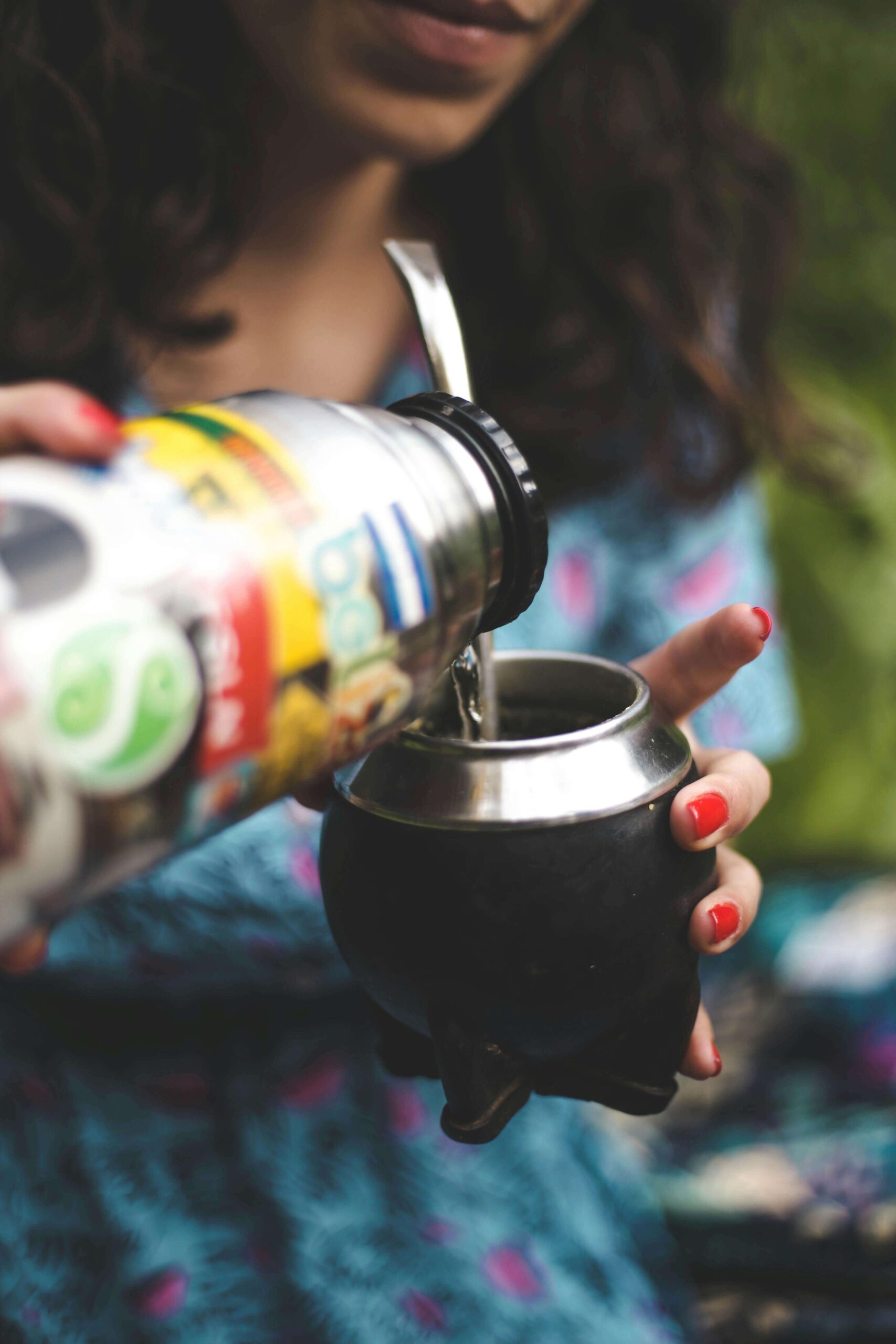
    You will see people carrying termos under their arm everywhere. Inside the gourd cup, there are dry green leaves and hot water. 

    Clarification: It is not a drug, it has no weird substances. It is simply an herbal infusion (high in caffeine) that for us, represents company.

    The Golden Rules

    1. It is shared: If you are in a circle, don’t ask for one just for yourself. You drink and pass it back.
    2. Don’t touch the bombilla: The metal straw is fixed. Moving it ruins the structure of the yerba (i know, it is a whole science)
    3. The «Gracias» Trap: This is the #1 tourist mistake. In Mate language, saying «Thank you» means «I don’t want any more.» Only say thanks when you are done, you won’t look rude. 

    The Taste

    It is bitter and grassy. There is a huge divide between purists (Bitter) and those who add sugar or sweetener.

    Insider’s tip: If it’s your first time, I would recommend you a «Yerba Suave» (mild blend). It might not be the intense local experience, but it is much friendlier for a beginner’s palate.

    The Coffee Culture

    While specialty coffee is booming all over the country, you must visit a Café Notable if you’re in Buenos Aires. These are historical landmarks.

    The icon, Café Tortoni, is a busy spot, but the architecture and history make it worth the queue. This is where Borges, Cortázar, and Alfonsina Storni, among many others, sat to discuss the future of art over a cider or a coffee. The stained glass, the wood, and that heavy intellectual atmosphere make it a must visit. 

    cafe tortoni notable food in buenos aires

    Fernet

    While it has Italian origins, the heart of Fernet is in Córdoba (our central province). It is a dark, herbal, bitter spirit that—let’s be honest—tastes like medicine until you mix it.

    The Formula

    70% Coca-Cola, 30% Fernet, and ice all the way to the top. The foam is essential and there are tricks to master it. 

    The «Viajero» Fun Fact

    When we were young (or at music festivals), we didn’t use glasses. We cut a plastic Coca Cola bottle in half, burned the edges with a lighter so they wouldn’t cut our lips, and mixed the drink right there to pass around. We call it «El Viajero» (The Traveler). We don’t do this at restaurants or bars at all, but it’s a vital part of our coming-of-age folklore.

    Our Wine Culture

    Argentina is a «New World» wine country, which means we talk about Grapes.  While Malbec from Mendoza is the king that put us on the map, our geography is massive. We have high-altitude wines in the North (Salta) and cold-climate wines in the South (Patagonia).

    Grapes to try

    Torrontés: The only grape that is 100% native to Argentina. Floral and aromatic, mostly from Salta.

    Pinot Noir: Look for bottles from Patagonia (Río Negro). Elegant and earthy.

    The Trendy Ones: Bonarda, Petit Verdot, and the comeback of Criolla (a light, drinkable grape that is super trendy in hipster spots right now).

    argentine wine

    Where to Drink Wine?

    The wine bar scene has evolved from the traditional white-tablecloth steakhouses to an incredibly diverse landscape, specially in Buenos Aires. You can find educational spots where sommeliers guide you, or sophisticated jazz bars perfect for a mature, relaxed evening. And for the «cool kids,» there is a massive wave of rustic, vintage-style bars (mostly in Chacarita) where the crowd is young, the wines are organic, and the social life happens as much on the sidewalk as it does inside.

    Cocktails bars

    Our nightlife is legendary. We start late and end… well, very late. If you have a few nights to explore, I recommend you try to visit these three types of spots to get the full picture.

    • A Rooftop Bar

    Ideally, during sunset. Watching the city skyline turn into night with a drink in hand is the best way to start the evening.

    • A Speakeasy

    Buenos Aires loves hidden concepts. Florería Atlántico, hidden beneath a flower shop and consistently ranked among the world’s best, is a classic. 

    • A Rustic-Vibing-Neighborhood type of Bar

    For something louder and local, Tres Monos is a good fit: punk vibe and world-class service.

    Thirsty for More?

    As you can see, the landscape is massive. We haven’t even touched on the Vermouth or our historic national liqueurs like the Hesperidina.

    This was just the overview. If you want to double click on this topic, check out our deep dive guide on Traditional Argentine drinks and where to try them.

    A Foodie Neighborhood Breakdown

    Buenos Aires is massive, and each district operates with its own culinary personality. To help you choose, here is a quick breakdown of the main gastronomic hubs:

    Palermo: The Main Hub 

    This is the epicenter of dining and nightlife. It is huge (subdivided into Soho and Hollywood) and offers the highest density of options: from Michelin-starred restaurants and Asian fusion to the best cocktail bars. 

    The Vibe: Loud, intense, and buzzing.

    Chacarita and Colegiales: The «Up & Coming» 

    This is where the local chefs are opening their own indie spots right now. It feels more residential and relaxed. 

    The Vibe: Sidewalk tables, vermouth bars, specialty coffee, and a «cool» but unpretentious crowd.

    San Telmo: The Historic Classic 

    The bohemian heart of the city. It is steeped in history. This is the best area to find authentic Argentine food in the Bodegones, steakhouses, and the Sunday Market chaos. 

    The Vibe: Rustic, vintage, and culturally rich.

    Recoleta & Retiro: The Posh Up-market

    Imagine a European Buenos Aires: wide avenues, palaces, and luxury hotels. The dining scene reflects that sophistication with elegant tea rooms, high-end classic service, and hotel bars. 

    The Vibe: Polished, quiet, and sophisticated.

    Sherpa Food Tours: Experiencing Argentine food like a Local

    You can definitely go to all these places alone. You can stand in the long line at a famous parrilla, checking your watch while smelling the smoke from the sidewalk. You can stare at a wine list, trying to guess the difference between a Malbec from Salta and one from Mendoza.

    My goal with this guide was precisely to arm you with the insights to handle those moments like a local. I truly hope this article helped you understand the background of our culinary scene and what/how to order while you’re visiting Buenos Aires city. 

    But there is a better, easier and immersive way to enjoy Argentine food. A way where the logistics disappear, and the magic takes over.

    At Sherpa, we bridge the gap between the plate and the culture, turning a simple dinner into a shared ritual.

    sherpa food tours in buenos aires

    Here is why you should pull up a chair with us

    From Tourist to Local

    We unlock the city for you. We explain why we clap for the Asador, why the pizza has so much cheese, and the history behind every bite. You won’t just taste Argentine food; you’ll fully understand the eating rhythm of our city.

    san telmo food tour

    The «Insider» Access (Skip the Line)

     We know your time is precious. As partners with some of the city’s most sought-after restaurants, we allow you to walk straight in. No waiting on the sidewalk; you go right to the table where the wine is already pouring.

    The Joy of the Table

    This isn’t a lecture; it’s a dinner party. You will share a feast with incredible people from all over the world. As i said, Argentine food is about connection, laughter. With Sherpa strangers become friends over a glass of Malbec.

    the joy of the table

    Curated with soul and experience

    We don’t just take you to the «famous» spots. We mix the hits with the hidden gems, the neighborhood favorites that only us locals know.

    Curated food experience in buenos aires

    Just Relax, We’ve Got It

    Navigating a new city is beautiful, but can be stressful. Our friendly insider hosts handle every detail so you can simply relax, taste, and enjoy the argentine sobremesa.

    Yes, we are proud to have been trusted by over 20,000 travelers. But our real pride is seeing you leave the table with a full belly, a happy heart, and new friends.

    Ready to book? Join us in our Buenos Aires Foodie’s Adventure. 

    I’ve Shared the Tips, Now It’s Time to Share the Table

    I have given you the full roadmap to navigate our Cuisine. We talked about the unwritten rules of Mate, the country’s juiciest Empanadas, our shameless appropriation of Italian Pizza, and… well, so many other things that I won’t list again because, honestly, I hope you were paying attention!

    But as I said at the beginning, exploring Argentine food is about much more than just flavor; it is about the stories shared across the table. It is about the mixed cultures, the chaos, the wine, and the people. Eating our food is a truly immersive experience, and you should give yourself that treat.

    Table is ready. You can book your spot right here.

    Some extra tips to get you ready! 

    • Tipping: Service is generally not included. 10% is the standard; go for 15-20% if the service was outstanding. Bring cash! While some places allow you to tip via card, servers love cash.

    • Money & Cards: The economic situation here is… dynamic. Currently, using your foreign credit/debit card is a great idea because you get a favorable exchange rate. Note: This changes often, so double-check the rules right before you fly.

    • Getting Around: Skip the yellow taxis if you can. Use Apps like Uber or Cabify. Select the «Comfort» or «Premium» option. The price difference is usually small, but the difference in car quality is huge.

    • Public Transport: To use the bus or subway, you can pay with your card. No SUBE is needed.

    • Safety: Argentina is generally safe in tourist areas. However, follow the local rule: «No te regales» (Don’t gift yourself). Do not walk around staring at your phone. If you need to check a map, stop and step inside a shop. Be smart, not paranoid.

    • Water: Tap water is generally safe to drink in Buenos Aires, but if you have a sensitive stomach, sticking to bottled water is a smart move.

    Do you have any questions or want to learn more about our tours? We love talking about food and travel! Reach out to us right here and we will get back to you as soon as possible.

  • Traditional Argentine drinks (and where to try them)

    Traditional Argentine drinks (and where to try them)

    Argentine food is delicious, yes, but so are the drinks. Most people may already know about mate, malbec, and our obsession with fernet, but there’s a lot more to be said about traditional Argentine drinks.

    In this travel guide, i’ll share insights behind the cups and glasses, and some tips on what to drink in Argentina during your stay.

    Spoiler alert. As mentioned in our guide to Argentine food, for us, a drink is just another excuse to pause, share and extend the conversation.

    Read on, and, as we say, ¡Salud! (Cheers).

    The Non-Alcoholic Classics

    Mate

    You will see people carrying the «mate kit» under their arms everywhere: parks, offices, and universities.

    Mate is the quintessential Argentine drink. The first to drink mate were the guarani: the indigenous people that hail from Argentina, Brazil and Paraguay. What we call Yerba, refers to the chopped yerba mate leaves, which are not steeped in water but rather poured into a container typically made from a bottle gourd.

    Mate is drunk through a straw (but it includes a filter) or bombilla, after water is poured into the yerba-filled container.

    Drinking mate is a ritual for us Argentines, as there are many rules and traditions to follow when sharing a mate with someone.

    How Mate works

    The Taste is bitter, grassy, and intense. I would say it’s an acquired taste, since it is not really friendly to the palate.

    The Logic consists in one person (the cebador) pouring the water and passing the gourd. You drink it all the way down and pass it back. The cycle repeats endlessly.

    There are codes and rules to drink the Mate. For example, don’t touch the metal straw since moving it ruins the filter or don’t say «Gracias» (thanks) when you return the cup unless you don’t want anymore. In Mate language, «Thank you» means «I’m done.»

    mate while studying traditional argentine drinks
    Mate can also be a good company while studyng or working.

    Of course the best way to try it would be at an Argentine friend’s house, and i would definitely go for a soft yerba if it’s the first time(it might be intense for people who are not used to). But, if you are looking for a local spot to give it a try, The argentine experience offers a «Mate class» within its immersive dinner party.

    In case i sparked your couriosity, check this full guide on Mate, where you’ll uncover its history, meaning in our culture, where to try it and some tips to buy your own Mate, and a friendly yerba.

    Coffee Culture

    For decades, coffee in Buenos Aires wasn’t really about the bean quality. To be honest, the coffee was often roasted with sugar (café torrado) and wasn’t great. But that never mattered, because the Café was more about the venue, the architecture, and the social meeting point.

    café in argentina

    Recently, a massive «Specialty Coffee» wave has hit the city, and now locals are paying attention to origins and roasting methods. Today, the two worlds coexist: the historic Bares Notables with their tuxedoed waiters (such as the legendary Café Tortoni), and the modern coffee shops (like The Kitchen, in Villa Ortúzar)

    la kitchen speciality coffee in buenos aires

    How to Order coffee in Buenos Aires (The Glossary)

    If you sit at a traditional spot, forget the Italian or American names. Here is your cheat sheet to order like a local:

    • Café chico: A simple espresso shot.
    • Jarrito: A double shot served in a slightly taller glass mug.
    • Cortado: The most popular order. Espresso «cut» with a dash of milk.
    • Lágrima: The reverse. A glass of hot milk with just a «tear» (lágrima) of coffee drops.
    • Café con Leche: Half coffee, half milk. Usually served for breakfast with medialunas (croissants).

    Submarino

    If you visit during winter, you have to try this. The Submarino is our childhood favorite. It is a glass of steaming hot milk served with a rectangular bar of dark chocolate on the side. You drop the «submarine» (the chocolate) into the milk and stir until it melts completely. It’s simple, nostalgic, and perfect for a cold afternoon.

    Head to any of the classic cafés in Buenos Aires to enjoy this comfort drink.

    The Sifón de Soda

    Before we get into alcohol, we have to talk about the Soda Sifón. If you sit at a traditional Bodegón, the waiter usually won’t bring a fancy bottle of sparkling water. They will slam a refillable plastic or glass bottle on the table: The Siphon.

    It is an absolute staple of the Argentine table. The carbonation is aggressive, the mechanism is loud, and it is democratic: some people use it to dilute wine (if it’s strong or cheap), to mix with vermouth, or just to drink plain. It is not just water but a piece of the porteño heritage.

    sifón de soda

    Alcoholic Argentine Drinks

    We are a «New World» wine country, which means we navigate by grape, not by region. Though Malbec is the most famous variety, our country is rich in resources and we also produce a great Torrontés and many other varieties like Pinot Noir, Petit Verdot, Bonarda, Cabernet Sauvignon and Merlot.

    The main highlights to try would be:

    Malbec

    Originally from France, it found its perfect home in Mendoza. It is robust, dark, and the absolute best partner for our steak.

    Torrontés

    If you want something truly unique, try this. It is not only my favourite but also the only grape 100% native to Argentina (born from a cross between two colonial vines). It grows in the high altitudes of Salta (north of the country). It smells incredibly sweet and floral, but it tastes dry and crisp.

    Looking for a wine-tasting experience? Join our Palermo Food Tour, and enjoy not only the best (and more representative) wine in Argentina, but also a full culinary journey.

    argentine wine in the palermo food tour sherpa

    Fernet with Coca Cola

    Argentina is the #1 consumer of Fernet globally. If you’ve ever tried this bitter Italian spirit on its own, you might be wondering: why? It tastes like medicine. I know, but we never drink it straight. We mix it with Coca-Cola to create the unofficial national drink. It is the fuel of every asado, house party, and pre-game gathering.

    Though you can try it at any bar, you can always prepare your own to get the full local experience

    Keys to prepare your Fernet con Coca

    • The perfect ratio would be 70/30. The standard measure is 30% Fernet, 70% Coke, and ice all the way to the top (no ice, no fernet).
    • A good Fernet must have a thick layer of foam on top. This could be consider an art form (If it actually was, some of my friends would be at the Louvre). The reaction between the herbs in the Fernet and the gas in the soda is volatile, son don’t just dump it. If you pour the Coke too fast, it will overflow instantly.

      Tilt the glass 45 degrees (like pouring a draft beer) and pour the Coke slowly. As the glass fills up, straighten it slowly to let the foam rise just to the rim without spilling.
    • Unlike wine, which is for dining, Fernet is for talking. It’s a social drink, often prepared in a communal jug (or a cut-open plastic bottle called a «Viajero» at music festivals) and passed around.

    You haven’t truly experienced Argentina until you’ve tasted this unofficial national drink. Discover more about in our deep dive into the Fernet culture in Buenos Aires.

    Vermouth

    Vermouth (or vermú, as we like to pronounce it) is a fortified wine, flavored with botanicals. It has been produced in Argentina since 1925, after being brought over by Italian immigrants. Vermouth has slowly but surely become a signature drink in Buenos Aires, where there are even some vermuterías dedicated to serving vermouth cocktails. Traditional vermouth is served with ice, soda water and a slice of orange.

    vermouth with soda

    The «Vintage» Comeback: Hesperidina & Legui

    Recently, local bars have started dusting off bottles that were popular in the 1950s. These are the flavors of our grandparents that have made a massive comeback:

    • Hesperidina: This was the very first patent ever registered in Argentina. Invented by an American immigrant in the 1860s, it is a liqueur made from bitter orange peels. It tastes like a sweeter, herbal tonic water.
    hesperidina argentine drink
    • Legui: It was named after the legendary jockey Irineo Leguisamo, and is a sweet liqueur made from sugar cane and herbs. Old-schoolers used to drink it neat; modern bartenders are using it to sweeten complex cocktails.

    Where to try the best cocktails in Buenos Aires? I would definitely go for Presidente Bar, Tres monos or Florería Atlántico.

    If there is one thing that defines Sherpa, it is our deep expertise in local culture and gastronomy. We don’t serve every single one of these drinks on our tours—mostly because you would definitely leave intoxicated!—but we believe in the importance of showing you the full picture of our country, in all its variety.

    sherpa food tours drinks

    I didn’t choose these drinks based on a generic «Top 10» list or even just the ones I personally like. I chose them because they define the rhythm of life in Argentina.

    Here is how this guide was curated:

    1. It’s not only about the taste: As i said, in Argentina drinking is a social verb. I prioritized beverages that serve as a bridge between people. Mate isn’t just an infusion; it’s an excuse to talk. Fernet isn’t just a cocktail; it’s the fuel of our gatherings. If it doesn’t bring people together, it’s not on this list.

    2. Regionality: Argentina is huge, and our geography dictates what we drink. I selected drinks that tell the story of our land.

    3. The Nostalgia Factor: there’s no way to understand Argentine flavor without understanding our history (and our immigrants). I included drinks like the Submarino and vintage aperitifs because they carry history and are kept alive by a new generation of bartenders.

    4. Locally Vetted: I know the difference between a «tourist trap» drink and a local staple. These are the beverages you will actually see on the tables of a parrilla on a Tuesday night or at a family lunch on Sunday.

    Argentina’s traditional beverages are a reflection of the country’s rich cultural tapestry and social customs. From the communal rituals of sharing mate to the nationwide affection for Fernet con Coca, each beverage tells a story of heritage and community.

    So, raise your glass and immerse yourself in the flavors that define Argentina’s spirited identity. ¡Salud!​

  • From Palermo to La Boca: Discover the Best Neighborhoods in Buenos Aires

    From Palermo to La Boca: Discover the Best Neighborhoods in Buenos Aires

    Buenos Aires, Argentina’s bustling capital, is a city defined by its neighborhoods, each offering a unique blend of history, culture, and character. From popular and cosmopolitan districts to historic enclaves rich in tradition. 

    Explore these diverse barrios are essential to experiencing the true essence of Buenos Aires. Whether you’re a first-time visitor or a local rediscovering your city, there’s no better way to understand Buenos Aires than by wandering its vibrant streets.

    In this guide, we’ll explore ten of Buenos Aires’ safest and most welcoming neighborhoods, perfect for tourists eager to immerse themselves in the city’s multifaceted personality.

    Best Neighborhoods In Buenos Aires

    1. Palermo

    In the north center of the city of Buenos Aires, Palermo is the largest neighborhood, renowned for its hip, trendy vibe, street art and verdant parks. Divided into sub-districts like Palermo Soho and Palermo Hollywood, this area is synonymous with stylish boutique hotels, artisanal coffee shops, and world-class dining. The sprawling Bosques de Palermo offers lush and rose gardens, serene lakes, and walking trails perfect for an afternoon escape.

    Art lovers will appreciate the MALBA Museum, showcasing contemporary Latin American art, while foodies can savor Argentine flavors at Don Julio, a legendary steakhouse, or on an amazing neighborhood food tour. Palermo is a hub for young travelers, creatives, and anyone looking for lively nightlife at bars and clubs like Niceto Club.

    • How to get there? Accessible by subway (Line D) and buses, Palermo is best explored during the day or early evening. 

    2. Recoleta

    Adjacent to Palermo and in the north of the city center, Recoleta exudes elegance and history. Famous for its European-style architecture and opulent mansions and luxury hotels, this neighborhood is home to the Recoleta Cemetery, where Eva Perón rests. The Museo Nacional de Bellas Artes and the cultural center housed in the former convent are must-visits for art and history enthusiasts.

    Stroll along Avenida Alvear, lined with luxury boutiques, or relax at Plaza Francia, a lively spot for weekend artisan markets. Recoleta is ideal for those seeking sophistication and cultural enrichment.

    • How to get there? Subway (Line D) or a short taxi ride from downtown.

    3. San Telmo

    From the south of the city center, San Telmo it’s Buenos Aires’ oldest neighborhood that charms the visitors with its bohemian flair and cobblestone streets and antique market. Known for its Sunday Feria de San Telmo at the Plaza Dorrego, an outdoor market brimming with antiques, crafts, and live tango performances, this neighborhood offers a nostalgic glimpse into the city’s past.

    Café Tortoni and El Zanjón de Granados are notable stops for history buffs, while casual diners will enjoy authentic empanadas at El Hornero. San Telmo’s creative energy attracts artists, writers, and anyone who loves vintage vibes. In addition to everything we have told you, you can also take a tour of this incredible neighborhood.

    • How to get there? Easily reachable by subway (Line C) or bus. Visit during daylight hours for the best experience.

    4. Puerto Madero

    East of downtown and along the Río de la Plata, Puerto Madero’s sleek skyline and waterfront appeal make it a modern oasis within the city. Once an industrial dockland, it has been transformed into a polished district featuring upscale restaurants, luxury hotels, and the iconic Puente de la Mujer bridge.

    It`s a great place for nature lovers to explore the Reserva Ecológica Costanera Sur, a peaceful green space ideal for walking or birdwatching. The area is perfect for couples, business travellers, and fans of modern architecture.

    • How to get there? A short walk from downtown or by bus. Best visited during the day or for an early dinner.

    5. La Boca

    At the southeast of the city center, La Boca is a colorful neighborhood bursting with character and creativity. Famous for its vibrantly painted houses and Caminito street, this artistic enclave is a photographer’s dream. The area is also home to La Bombonera, the legendary stadium of Boca Juniors football club.

    best neighborhoods in buenos aires

    Art galleries, street performers, and tango shows make La Boca a lively destination. However, visitors should explore during daylight hours and avoid wandering outside the main tourist areas.

    • How to get there? Take a taxi or bus, as it’s not directly accessible by subway.

    6. Villa Crespo

    Adjacent to Palermo, northwest of the city center, Villa Crespo is a quieter, more authentic alternative to Palermo’s bustling energy. Known for its Jewish heritage, it offers a mix of old-world charm and modern appeal. Fashion enthusiasts will love its outlet stores, while foodies can indulge in Middle Eastern delicacies at El Chiri de Villa Kreplaj.

    This neighborhood suits those seeking a less touristy experience in a relaxed setting.

    • How to get there? Accessible by subway (Line B) and buses.

    7. Belgrano

    At the North of Palermo, Belgrano combines peace with urban sophistication. Its tree-lined streets, historic architecture, and charming plazas make it a favorite among families and retirees. The Barrancas de Belgrano park and the Chinatown area are popular attractions.

    • How to get there? Subway (Line D), Mitre train or buses.

    8. Caballito

    From the central of Buenos Aires, Caballito offers a mix of old and new, with historic landmarks like the English-style tram and the Parque Centenario, a large park with a weekend flea market and small book stores. This neighborhood is ideal for families and casual visitors looking for an off-the-beaten-path experience.

    • How to get there? Subway (Line A) or buses.

    9. Chacarita

    At the west side of Palermo, Chacarita is a rising star among Buenos Aires neighborhoods. Known for its expansive Chacarita Cemetery, this area offers a mix of peace and trendiness. The neighborhood boasts stylish coffee shops like Cuervo Café, up-and-coming restaurants, and cultural spaces like the Santos Dumont 4040 music venue.

    Chacarita appeals to those seeking hidden gems and a peaceful and modern atmosphere.

    • How to get there? Subway (Line B) or buses.

    10. Almagro

    West of downtown, Almagro is a hub for tango enthusiasts, with milongas and tango halls offering authentic experiences. Its the best place for a vibrant nightlife and casual eateries appeal to younger crowds and music lovers.

    • How to get there? Subway (Line A) or buses.

    Experience the Heart of Buenos Aires

    Buenos Aires is a city of endless stories, each told through its dynamic and distinctive neighborhoods. From the bohemian streets of San Telmo to the sophisticated charm of Recoleta and the bustling energy of Palermo, there’s a corner of the city for everyone to discover.

    Whether you’re savouring empanadas, dancing tango, or marvelling at historic landmarks, these ten neighborhoods promise a safe and memorable adventure. So pack your bags, lace up your walking shoes, and get ready to explore the vibrant tapestry of Buenos Aires!

    Do you want to explore the best spots in Buenos Aires? Check our blog!

  • Fernet Frenzy: Dive into Buenos Aires’ Iconic Drink

    Fernet Frenzy: Dive into Buenos Aires’ Iconic Drink

    Argentina is renowned for its rich culture, vibrant nightlife, and delicious cuisine, but few beverages capture the country’s essence quite like Fernet. This dark, aromatic spirit, with its bold flavors and cultural significance, has become synonymous with Argentine social gatherings and traditions. From its origins to the best places to try it in Buenos Aires, let’s explore the story behind this iconic drink.  

    fernet in buenos aires

    Fernet traces its roots to 19th century Italy, where it was originally crafted as a medicinal tonic. The recipe typically includes a blend of herbs and spices like myrrh, rhubarb, chamomile, cardamom, and saffron, infused into a base of distilled alcohol.

    In the late 1800s, Italian immigrants brought Fernet to Argentina, where it soon gained immense popularity. Over time, it became a national staple, evolving from a medicinal drink made with 27 herbs to a bitter liqueur paired with coke, known simply as Fernet con Coca.  

    Today, Fernet is not just a drink but an acquired taste in Argentina, often shared among friends during celebrations and casual get-togethers. Its distinctive taste—a balance of bitterness and sweetness—has cemented its place in the hearts of Argentines.  

    The most popular way to drink Fernet in Argentina is to mix it with cola. The traditional recipe involves filling a glass with ice, adding Fernet to about one-third of the glass, and topping it up with cola. This simple yet effective combination tempers the bitterness of the Fernet, creating a refreshing and unique cocktail.  

    For adventurous drinkers, there are variations worth exploring. Some mix Fernet with grapefruit soda, tonic water, or orange juice for a different twist. Purists might prefer to sip it neat, appreciating the complexity of its herbal notes. No matter how you choose to enjoy it, Fernet offers a taste of Argentine culture in every sip.  

    Buenos Aires is home to countless bars and restaurants that celebrate Fernet, offering everything from classic cocktails to innovative mixes. Here are five standout venues where immerse yourself in the Fernet experience:  

    Located in the bustling Palermo Soho district, La Ferneteria Bar is a haven for this italian liqueur enthusiasts. The bar offers a unique experience, with five different varieties of Fernet served straight from the tap. Guests can choose mixers such as cola, grapefruit soda, or bitter orange juice and even customize the alcohol content from 30% to 70%. Also, an interesting fact is that they are opening a branch in Miami, United States. 

    • Address: Serrano 1349, Palermo Soho  

    Booking tip: Arrive early or make a reservation at this number: +541132571744, and save yourself a spot.   

    Discreet and mysterious, 878 Bar is a hidden gem in Villa Crespo, marked only by its street number. Known for its drink collection and inventive cocktail menu, the bar also features creative Fernet-based drinks crafted by skilled bartenders. Its intimate ambiance and high-quality offerings earned it a spot on Drink International’s 2011 list of the world’s top 50 bars.  

    • Address: Thames 878, Villa Crespo  

    • Booking tip: To save a table, go there early, especially on weekends.  

    While best known for its legendary pizzas porteñas, Güerrín also offers a chance to enjoy this long drink in an authentic Argentine setting. Founded in 1932, this pizzeria on Corrientes Avenue is steeped in history and bustling with the energy of the theatres. 

    The charming décor, featuring classic tiles and vintage posters, creates a nostalgic atmosphere that pairs perfectly with a cold Fernet con Coca. Güerrín is not just a place to eat, but an essential cultural experience.  

    • Address: Av. Corrientes 1368, San Telmo  

    • Booking tip: Drop by during off-peak hours to avoid long lines. 

    Located in the upscale neighborhood of Recoleta, Presidente Bar exudes elegance and exclusivity. Frequented by international celebrities like Maluma and Coldplay, this bar is renowned for its sophisticated cocktails and extensive liquor collection, including premium Fernet options.  

    The lavish décor, complete with chandeliers and a private library-like bar, adds to the luxurious experience. Whether you’re sipping Fernet or another signature cocktail, Presidente Bar promises a glamorous night out.  

    • Address: Avenida Presidente Manuel Quintana 188, Recoleta  

    • Booking tip: Dress smartly and make a reservation to ensure entry to this high-end venue.  

    Dubbed «Palermo’s cantina,» Cosi Mi Piace combines Italian culinary traditions with a love for Fernet. Known for its Roman-style pizzas, the venue also boasts an impressive menu of Fernet cocktails, making it an ideal spot for pairing drinks with delectable Italian fare.  

    With both indoor and outdoor seating, Cosi Mi Piace offers a cozy, welcoming atmosphere perfect for a leisurely meal and drink.  

    • Address: El Salvador 4618, Palermo  

    • Booking tip: Opt for outdoor seating to enjoy Palermo’s vibrant street vibe while sipping your Fernet.  Reserve your table at +54 9 11 70744618.

    Fernet it’s a symbol of Argentine culture, tradition, and camaraderie. From its Italian roots to its status as a national favorite, Fernet tells a story of adaptation and innovation. Whether enjoyed at a trendy bar like La Ferneteria, a historic venue like Güerrín, or a luxurious spot like Presidente Bar, there’s no wrong way to experience this popular alcoholic beverage.

    Ready to Experience the Full Story?

    This story, isn’t just in the glass, it’s at the very heart of the city’s entire culinary culture. It’s an experience best shared.

  • Savour The Traditions: The Best Spots to Drink Mate in Buenos Aires

    Savour The Traditions: The Best Spots to Drink Mate in Buenos Aires


    When you think of Argentina, many things come to mind—tango, fútbol, asado—but no cultural experience is complete without trying mate. This time-honoured Argentine drink involves a meticulous ritual with a hot water kettle (not boiling, to preserve the delicate flavors), a mate (a container often crafted from a gourd, wood or metal), a bombilla (a metal straw that filters out the loose yerba leaves), and, obviously, dry yerba.

    It can be enjoyed plain (bitter mate) or sweetened with sugar or citrus zest, and Argentinians typically share it in homes, parks, or among friends and family. Yet, if you’re visiting Buenos Aires or any other city near to the Río de la Plata, you’ll find that an increasing number of restaurants and cafes are offering unique ways to experience this beloved beverage. Here’s where to immerse yourself in the world of mate outside traditional settings.

    Argentine mate

    The Culture of Sharing Mate

    Drinking mate is not just about tasting a green tea; it’s a people’s ritual in the Argentine way of life. Families, friends, and even colleagues gather to share this special moment, passing around in the mate circle. While any time of day can be the right time, mate is often accompanied by pastries like bizcochitos de grasa (savory crackers), sweet treats, or simple toasts.

    In recent years, Buenos Aires has embraced this ritual, bringing it into cafes and restaurants. With offerings ranging from toasted breads with jam to traditional tortas fritas (fried cakes), these establishments offer a fresh twist on this Argentine staple. Here are some mate bars, restaurants or coffee shops where you can experience this national drink in Buenos Aires.

    1. Matea

    Matea is the first boutique mate bar in Latin America, a one-of-a-kind establishment located in La Plata, not far from Buenos Aires. This innovative spot combines stylish design with an impressive selection of mate-related products and over 20 varieties of organic, gluten-free yerba mate. Customers can choose to enjoy mate on-site or take their favorite blend and a selection of gourmet pastries home.

    At Matea, you don’t just drink mate; you embark on an immersive experience guided by experts who adjust water temperatures and introduce the ideal ways to appreciate mate with all your senses. It’s a unique destination for those looking to deepen their appreciation of Argentine culture through this beloved beverage.

    • Location: Calle 11 533, La Plata

    2. La Payuca

    Known for its robust offerings of grilled meats and traditional Argentine cuisine, La Payuca also features a “Mate-Bar” after 4 p.m. Here, you’ll find different mate combos. One option includes mate served with thick slices of homemade country bread, butter, jam, and Argentina’s classic dulce de leche. The other option features mate with tortas fritas, a popular treat enjoyed across Argentina.

    La Payuca is a family-friendly place with a playroom and a special menu for kids, making it a great choice for parents who want to enjoy an authentic mate moment in a warm, welcoming atmosphere.

    • Location: Arenales 3443, Recoleta

    3. Las Cholas

    Las Cholas is a popular parrilla in Buenos Aires, known for its succulent meats, empanadas, tamales, and humitas. But beyond its savoury dishes, it offers a relaxed afternoon mate service, served in a wooden mate cup with a metal kettle. Choose from two pairing options: a selection of homemade bizcochitos (savory crackers) or rustic bread with jam and butter. Las Cholas is perfect for unwinding at an outdoor table while savoring mate and watching the sun set over Las Cañitas.

    • Location: Arce 306, Las Cañitas

    4. Raíces

    Located in a renovated 1912 building, Raíces offers a nostalgic setting to enjoy homemade Argentine cuisine. For their mate service, they present a traditional mate cup made from leather and glass, accompanied by a thermos and a generous portion of yerba. Enjoy six slices of fresh-baked country bread with raspberry jam and butter, or pair your mate with a decadent pastry like dulce de leche cheesecake, marquise, or apple crumble. Raíces is a cozy spot where history meets heartwarming flavors.

    • Location: Crisólogo Larralde 3995, Saavedra

    5. Cumaná

    At Cumaná, a restaurant celebrated for its hearty, local dishes like pumpkin casserole with goat cheese, tamales, and cazuela de mondongo (tripe stew), mate has also found a place on the menu. They offer two variations: one with a wooden mate, a metal kettle, and bizcochitos; the other with country-style bread, jam, and butter. This inviting spot brings together rustic Argentine dishes and mate culture, making it ideal for an authentic Recoleta experience.

    • Location: Rodríguez Peña 1149, Recoleta

    Mate – An Argentine Ritual Worth Sharing

    In Argentina, mate is more than a drink; it’s an invitation to pause, connect, and share a moment of comfort and tradition with those around you. It’s a ritual that extends beyond homes and parks and has found its way into Buenos Aires’ cafes and restaurants. 

    Whether you’re exploring Buenos Aires on a cultural tour or enjoying a tango show, adding a mate experience to your itinerary will give you a genuine taste of Argentine hospitality. So, find a spot, gather your friends or family, and let the warmth of mate add a memorable layer to your journey through Buenos Aires.

    Do you want to explore the best spots in Buenos Aires? Check our blog!

  • Sports Passion in Buenos Aires: The 5 Best Sports Bars

    Sports Passion in Buenos Aires: The 5 Best Sports Bars

    Buenos Aires is undeniably the beating heart of sports fandom in Argentina. From rugby, hockey, or, of course, football, locals rally behind their national teams with fervour and pride. Argentines cheer passionately for their teams, from Los Pumas in rugby to Las Leonas in field hockey, and most notably, the Scaloneta, the Argentine National Football Team, whose World Cup victories are celebrated with nationwide euphoria. 

    The city itself embraces its role as a sports capital, famous for dedicating entire days to celebrating the World Cup. It’s a city where legends like Diego Maradona were born and rose to fame, where the legendary rivalry between River Plate and Boca Juniors electrifies fans, and where an impressive lineup of teams and stadiums await the next matchday.

    For both locals and tourists, Buenos Aires has another major player in its sports culture: sports bars. These vibrant spots are popular gathering places to watch live games, creating the perfect mix of sports, socializing, and a full cultural experience. Watching a soccer game in a Buenos Aires sports bar is as much about the camaraderie as it is about the sport itself. Now, check out the best sports bars in Buenos Aires with us: 

    Locos por el Fútbol

    If you’re looking for the ultimate sports bar in Buenos Aires, Locos por el Fútbol is the place to be. Specializing in football, this bar offers screenings of both national and international league games, with coverage that extends beyond just football. Locos por el Fútbol also airs NBA basketball, American football in the Super Bowl, including playoff games, on its massive big-screen setup. The menu goes beyond standard pub fare, with a diverse selection of food and drink. You can enjoy pizzas, fries, burgers, and choripanes while cheering for your team, along with a wide variety of cocktails and beers.

    More information about Locos por el Fúbol

    • Address: Avenida Las Heras 2101, Recoleta
    • Hours: Open daily from 10 AM
    • Booking tip: Reserve your table by telephone – +5491168794903

    Triumph Bar

    Located close to the Obelisco, Triumph Bar is a go-to destination for important matches, especially if you want to be near the center for post-game celebrations. The bar boasts big screens, fresh draft beer, and a menu that complements the sports vibe, and it’s the spot to watch the iconic tournament of the Copa America, for example. With indoor and outdoor seating available year-round, Triumph Bar is a great place to visit on your list of Buenos Aires sports bars.

    More information about Triumph Bar

    • Address: Bernardo de Irigoyen 19, Monserrat
    • Hours: Open daily from 8 AM
    • Booking tips: You can make a reservation by WhatsApp – 11 21748122 

    Distrito Federal

    Distrito Federal is a beer garden with a large outdoor screen, perfect for watching major live sports events when the weather cooperates. This spot stands out as one of the few sports bars in Buenos Aires that offers an open-air atmosphere, making it a unique option for enjoying sports under the stars. They have a heated terrace and offer Happy Hour promos.

    More information about Distrito Federal

    • Address: Honduras 5608, Palermo
    • Hours: Open daily from 6 PM
    • Booking tips: You can book through Instagram messages.

    Sullivan’s

    Why not catch a football game at an Irish pub? Open since 2002, Sullivan’s it’s located just a block from Plaza Serrano in Palermo, is a classic sports pub offering eight TVs scattered throughout the bar. You can catch football games or american sports game all year long in this friendly setting, where the Irish ambiance meets Argentine passion for sports.

    More information about Sullivan’s 

    • Address: Jorge Luis Borges 1702, Palermo
    • Hours: Open from 8 AM to 2 AM
    • Booking tips: You can make your reservations by WhatsApp.

    El Banderín

    This historical bar in the heart of Almagro is a gem for football lovers since 1923. El Balderín it’s a notable café in the city of Buenos Aires that shows all the football matches. Stepping into El Banderín is like stepping back in time, surrounded by an impressive collection of football pennants from teams of all eras and places. Here, you can watch international tournaments in a fashioned way – with a cold liter of beer, chips, and peanuts, soaking in the nostalgia and history of Buenos Aires’ rich sports culture.

    More information about El Balderín

    • Address: Guardia Vieja 3601, Almagro
    • Hours: 11 AM to 1 AM
    • Booking tips: They do not accept reservations.

    A True Buenos Aires Sports Experience

    For anyone looking to experience the thrill of live sports in Buenos Aires, these sports bars are the best places to soak in the local passion. In these bars you can see the true essence of the Argentine locals who live football matches from the depths of their hearts.

    So, next time you’re in Buenos Aires, plan a night out at a sports bar during a major sports event – it’s a cultural experience not to be missed!

    Beyond the Game: Taste the Real Buenos Aires

    You’ve seen where to watch a match, but the passion doesn’t stop there. Curious about Argentine culture? The best way to truly discover it is through its food.

    Get to know the real Buenos Aires by tasting it with a local expert on our Food Tours. We’ll guide you from sizzling steaks and local wine to handmade empanadas, showing you the authentic flavors of the city, one bite at a time.

    Discover our San Telmo tour!

  • 7 Must-Visit Breweries in Buenos Aires for Craft Beer Lovers

    7 Must-Visit Breweries in Buenos Aires for Craft Beer Lovers

    Buenos Aires is a city known for its dynamic spirit, combining European flair with Latin American vibrancy. Beyond tango halls, parrillas, and historic architecture, the city has seen an explosion of craft breweries that contribute to its modern cultural tapestry.

    This beer bars have been flourished over recent years, transforming local tastes and attracting enthusiasts from around the globe. In a city known for its bustling nightlife, these breweries add diverse flavours, unique brewing techniques, and a social gathering point that celebrates local culture. In this guide, you will find the best places to drink good beer in Buenos Aires:

    1. Buller Brewing Company

    Buller, founded in 1999, was one of Buenos Aires’ pioneering brewpubs, taking inspiration from the American craft beer model but pairing it with the distinct flavours of Argentine cuisine. Located in Recoleta, this industrial-style venue offers a relaxed, open-air space that’s ideal for savouring the city’s golden sunsets. The design draws on vintage factory aesthetics, featuring iron and wood furnishings against metal-plated walls.

    Buller offers three distinct outdoor areas: a street-side deck seating 80, an inner patio equipped with TVs, and a coveted rooftop terrace that can accommodate up to 150 people. Known for its refreshing Golden Ale and bold american IPA, Buller also provides a varied food menu with craft-culinary creations that elevate the beer-tasting experience.

    • Address: Junín 1747, Recoleta
    • Booking: No reservations required, but rooftop seating is highly sought after during peak hours.

    2. Cervecería Antares

    From Mar del Plata, Antares has become one of Argentina’s most iconic craft beer brands. The brewery is designed to provide a relaxed yet sophisticated atmosphere where patrons can watch the brewing tanks and enjoy a tapas-inspired menu. For a more immersive experience, visitors to the Mar del Plata location can have a craft beer tour.

    Antares brews a well-rounded selection, with highlights like the Scotch Ale and Kölsch. Their focus on quality ingredients and brewing innovation has led to a nationwide presence, and their beer line-up changes seasonally, showcasing the brand’s passion for experimentation.

    • Address: They have many branches in Buenos Aires, we recommend the one inside the San Telmo Market: Carlos Calvo 485, San Telmo. 
    • Booking: Reservations recommended, especially for weekends and special events. You can book through Instagram.

    3. Cervecería Patagonia

    Patagonia Brewery, founded in 2007 in Bariloche, captures the essence of a true Argentine craft beer with the argentina’s southern landscapes in every pint. The Buenos Aires location brings this spirit to the city with rustic interiors and a variety of seasonal and experimental brews. With extensive use of local ingredients like Patagonian hops, their beers stand out for their fresh and distinct taste. Popular choices include the Amber Lager and Bohemian Pilsner.

    The venue often hosts live music and collaborates with other local businesses to keep things interesting. It’s an ideal spot for trying new flavours while soaking up Buenos Aires’ lively craft beer culture.

    • Address: They have many branches in Buenos Aires, we recommend the one in Distritos Arcos Shopping: Arcos 2782, Palermo. 
    • Booking: Reservations recommended for large groups; weekends can be particularly busy.

    4. Cervecería Cervelar

    Founded in 2008 by two brothers with a vision to create a beer-centric universe, Cervelar offers a selection of local and international brews that make every visit a new experience. The brewery’s unique design, complete with exposed brewing tanks and communal seating, is a nod to its artisanal roots. Guests can expect a blend of classic and innovative brews, with fan-favourites including the Belgian Blond and Stout.

    Cervelar’s beer list is extensive, featuring award-winning varieties alongside fresh experiments from local brewers. A rotating food menu, designed to complement their beers, completes the experience. You can see it in the «Carta» section on their website.

    5. Cervecería Berlina

    A family-owned brewery launched in Bariloche, Berlina is one of Argentina’s most decorated craft breweries. Founded in 2004 by the Ferrari brothers, Berlina has won numerous awards for its inventive, flavour-forward beers, many of which reflect Argentina’s rich brewing heritage. The Buenos Aires location exudes a cosy yet modern vibe, with rustic touches that nod to its Patagonian roots.

    Berlina’s lineup ranges from rich porters to crisp pale ales, but their signature IPA remains a top choice. The brewery frequently hosts events, and their Microcentro branch often showcases collaborations with local artists and musicians.

    6. Cervecería Blest

    Blest is one of Argentina’s earliest craft beer pioneers, founded in Bariloche in 1989. The spacious Palermo location offers a warm, welcoming environment, with its signature blue-lit, chilled room—a striking feature that adds a unique twist. Community tables and a large outdoor patio make it ideal for groups, while the eclectic decor mixes modern and vintage elements.

    Blest’s core lineup includes a range of 10 brews, with customer favourites like the Honey Beer and Porter. A selection of Patagonian-inspired dishes is also available, making it a great spot to enjoy a taste of Bariloche in Buenos Aires.

    • Address: They have many locations, we suggest the one in Palermo: Humboldt 1921, Palermo
    • Booking: Recommended, especially for evening seating.

    7. Cervecería Hormiga Negra

    Since 2012, CHN has transformed from a local beer fair vendor into a well-recognised brewery, lauded for its quality and innovation. Known for its top-rated IPAs, Hormiga Negra brews are meticulously crafted and have won multiple awards. The Caballito location offers a contemporary setting with sleek designs and earthy tones that create a relaxing atmosphere for beer lovers.

    Hormiga Negra’s commitment to sustainability is evident in their brewing processes, which focus on minimising waste and using locally sourced ingredients. Events, including live performances, are common, making it a lively destination for craft beer in Buenos Aires.

    • Address: It has many locations, the closest to the tourist areas is Caballito: Av. Pedro Goyena 1001, Caballito. You can get there via the subway.
    • Booking: Reservations recommended for evenings and weekends. You can book by Whatsapp here.

    Why Does Buenos Aires Have The Best Breweries 

    Buenos Aires is a city brimming with innovation and local pride, and the craft beer scene here captures this spirit beautifully. From traditional flavours to experimental brews, each brewery offers a unique experience that reflects the diverse character of the city. These breweries are more than just places to drink—they are destinations where locals and tourists come together to enjoy the craft, culture, and creativity that Buenos Aires offers.

    Ready for the Full Buenos Aires Flavor Tour?

    That spirit of local craft and innovation you find in the breweries doesn’t stop with beer—it’s at the heart of the city’s entire food scene. If you loved discovering these local spots, wait until you explore the authentic flavors we’ve curated.

    Discover Our Buenos Aires Food Tours: Beer is just the beginning. Join a Sherpa tour to explore the hidden gems and taste the very best of the city’s local food culture.

    Pair your local craft beer with the proper Dutch bar snack. Check out our guide to finding the best bitterballen in Amsterdam.

    Planning your dinner reservations? Skip the guesswork and discover the absolute must-visit spots in our curated list of the top restaurants in Amsterdam.

  • Cocktails in the Clouds: The Ultimate Rooftop Bars in Buenos Aires

    Cocktails in the Clouds: The Ultimate Rooftop Bars in Buenos Aires

    Buenos Aires, the capital of Argentina, has long been a top destination for tourists seeking a dynamic mix of culture, history, and nightlife. Known for its bustling streets, tango rhythms, and architectural marvels, this city offers visitors an experience that is both eclectic and exhilarating. 

    Recently, however, one particular trend has begun to captivate both locals and travellers alike—rooftop bars. These elevated spaces offer the perfect combination of chic ambiance, stunning cityscapes, and exceptional cocktails, making them the go-to venues for anyone wanting to enjoy Buenos Aires from above.

    crystal rooftop bars

    Rooftop Bars: A Unique Perspective of Buenos Aires

    One of the best ways to immerse yourself in Buenos Aires’ charm is by spending an evening at one of its many rooftop bars. These venues provide a panoramic view of the city’s skyline, allowing guests to experience the beauty of Buenos Aires’ urban landscape while enjoying world-class drinks and food. You can choose between watching the sun set over the iconic Obelisco or gazing at the twinkling city lights of Recoleta. 

    What sets Buenos Aires apart from other major cities is its blend of old-world charm and modern luxury, which is perfectly embodied by this rooftop terrace. From elegant terraces in historic hotels to laid-back lounges with tropical vibes, there’s a rooftop bar for every style. Discover the unique experience of Buenos Aires with our rooftop guide:

    Alvear Roof Bar

    Perched atop the luxurious Alvear Palace Hotel, the Alvear Roof Bar is a sophisticated venue that epitomizes elegance. From the 11th floor, this terrace offers one of the most breathtaking views of the Recoleta neighborhood, the shimmering Rio de la Plata, and golden sunsets that paint the sky in hues of orange and pink. Known for its upscale cocktail selection and gourmet food, this is the ideal spot for those looking to indulge in an exquisite evening. The bar’s stylish ambiance, coupled with live house music, makes it a perfect destination for a chic night out.

    • Address: Avenida Alvear 1891, Recoleta
    • Best time to visit: Sunset, to enjoy the view over the city.
    • Booking tip: Reservations are required in advance due to its exclusivity. You can make here

    Trade Sky Bar

    Located on the 19th floor, Trade Sky Bar offers one of the highest vantage points in the city. This rooftop, recognized as one of the top 50 rooftop bars in Argentina, is known not only for its stellar cocktails but also for its 100% plant-based, vegan, and gluten-free menu offerings. With sleek, modern decor and an unbeatable fantastic views of Buenos Aires’ skyline, Trade Sky Bar delivers an experience that feels like you’re soaring above the city.

    • Address: Av. Corrientes 222, Floor 19, Microcentro
    • Best time to visit: Early afternoon, starting at 6pm.
    • Booking tip: No strict dress code, but it’s wise to arrive early for the best seating. You have to make a reservation here.

    Bestial Sky Bar

    Bestial Sky Bar is the rooftop to visit if you find yourself in Palermo. Nestled on the 11th floor, this bar prides itself on its signature cocktails and delectable small plates, which fuse local ingredients with international sophistication. The atmosphere is trendy, laid-back, and effortlessly cool. It’s a good place for enjoying a warm evening with friends.

    • Address: Humboldt 2495, Palermo Soho
    • Best time to visit: Weekends for lively vibes, open from 7pm
    • Booking tip: It’s worth visiting on a Thursday or Friday evening when the place fills up with locals.

    Florida 165

    Tucked away in the historic Galería Güemes, Florida 165 feels like a hidden gem. Ascending to this rooftop is an experience in itself, as you pass through the iconic building’s art deco interiors. Once at the top, the rooftop offers not only delicious cocktails but also a surprising highlight: its dessert menu. The combination of a sweet treat with a carefully crafted drink makes Florida 165 must-visit for those looking for something a little different.

    • Address: Galería Güemes, Florida 165, Montserrat
    • Best time to visit: Anytime after 4 p.m. to avoid the crowds and take in the charm of the Galería Güemes.
    • Booking tip: You can book through Whatsapp

    Salón 1923

    Situated atop the historic Palacio Barolo, Salón 1923 offers an exceptional view of Avenida de Mayo and the heart of Buenos Aires. The journey to the 16th floor, through this grand building that symbolizes Dante’s Divine Comedy, is part of the charm. The rooftop bar serves excellent drinks and a solid selection of food, but what truly sets it apart is the sense of history embedded in every corner.

    • Address: Av. de Mayo 1370, Floor 16, Microcentro
    • Best time to visit: Arrive early to explore the Palacio Barolo before settling down for a drink.
    • Booking tip: Reservations are suggested, as the bar is a popular spot for history buffs and architecture enthusiasts.

    Maldini

    Maldini transports you to the beach without leaving the city. Though there’s no sand, this rooftop bar exudes a coastal vibe, offering a lively atmosphere perfect for dancing, enjoying live music, drinking, and having fun on hot summer nights. Its relaxed yet vibrant energy makes it the perfect spot for anyone seeking a tropical escape in the heart of Buenos Aires

    • Address: Vedia 3626, Saavedra
    • Best time to visit: Anytime, but it’s especially fun on warm summer evenings.
    • Booking tip: You can book here, but it is not necessary as the space is very large.

    Cielo Sky Bar

    For those who want to stay close to Buenos Aires’ theater district, Cielo Sky Bar at the Grand Brizzo Hotel is the perfect choice. Located near the Obelisco, this rooftop bar it’s a perfect place to unwind after a night out at the theater and discover stunning views. Also, the bar features live DJ sets every night, adding to the memorable experience.

    • Address: Cerrito 180, Floor 13, San Nicolás
    • Best time to visit: After a show, from 9 p.m. onward.
    • Booking tip: You can book through cieloskybar.ba@grandbrizohoteles.com 

    Why Rooftop Bars Define Buenos Aires’ Nightlife

    In a city famed for its diverse social scene, rooftop bars have quickly become the pinnacle of Buenos Aires nightlife. Whether you’re visiting for a special occasion, planning a romantic evening, or looking to gather with friends, these elevated venues provide the perfect backdrop. 

    From panoramic views to expertly crafted cocktails, Buenos Aires’ rooftop bars capture the essence of the city’s vibrant energy and architectural beauty. They offer not just a night out, but an unforgettable experience high above the streets of the Argentine capital.

    Ready to Taste the City’s Real Vibe?

    The views from up high are spectacular, and they pair great with a cocktail! But Buenos Aires has much more to offer beyond the skyline. Ready to explore the city’s best food and drink?

    • Discover Buenos Aires Food Tours: Explore the city’s best food and drink scene on a Sherpa Food Tour!
    • More Recommendations: Check out our full Buenos Aires Guide for more hidden gems and local secrets.

  • Shop ‘Til You Drop: Uncover Buenos Aires’ Best Shopping Areas

    Shop ‘Til You Drop: Uncover Buenos Aires’ Best Shopping Areas

    Buenos Aires is a dynamic city known for its rich cultural heritage, captivating architecture, and thriving fashion scene. As one of South America’s premier shopping destinations, the city effortlessly blends luxury boutiques, unique local brands, and vibrant markets. Whether you’re looking for high-end fashion, artisanal crafts, or rare vintage finds, Buenos Aires it’s the best place to get a real shopping experience that caters to every style and budget. 

    In this article, we’ll guide you through Buenos Aires’ top shopping destinations, offering insights into the city’s most iconic malls, eclectic boutiques, and lively markets. Each area provides a unique atmosphere, allowing shoppers to explore the city’s fashion trends and local craftsmanship while enjoying the vibrant neighbourhoods that house these retail hubs.

    buenos aires best shopping galeria pacifico

    1.Shopping Patio Bullrich

    Located in the heart of the prestigious Recoleta neighborhood, Patio Bullrich stands as one of Buenos Aires’ most luxurious shopping malls. Housed in a beautifully restored 19th-century building, it exudes an air of elegance and sophistication. The mall is a haven for those seeking high-end fashion, offering an impressive selection of international luxury brands such as Calvin Klein, Diesel, Ayres, Etiqueta Negra, and Hugo Boss. It also showcases local designers, making it a blend of Argentine craftsmanship and global style.

    Shopping Tips: Patio Bullrich tends to attract a high-end clientele, so expect to find exclusive boutiques and designer shops. The mall’s quieter atmosphere makes it ideal for those looking to shop in a refined setting. We recommend visiting during weekdays to avoid the weekend rush and enjoying lunch at one of the nearby upscale restaurants in Recoleta.

    Address: Av. del Libertador 750, Recoleta

    2. Distrito Arcos

    In the trendy Palermo district, Distrito Arcos is an open-air outlet mall set within the arches of a former train viaduct. This shopping spot offers a more relaxed atmosphere with lush greenery and trendy seating areas scattered throughout. It’s a great place for bargain hunters, as many of the stores are outlets offering discounted prices on well-known local and international brands such as Billabong, Sarkany, Prune, and Adidas.

    Shopping Tips: The best time to visit Distrito Arcos is during the afternoon when the shopping center is less crowded, allowing you to explore the various stores at your own pace. Take a break at one of the numerous coffee shops or grab a snack from the nearby food trucks. The vibrant Palermo neighbourhood offers a range of dining options, perfect for a post-shopping meal.

    Address: Paraguay 4979, Palermo

    3. Unicenter

    Located in the northern suburb of Martínez, Unicenter is one of the largest shopping malls in Latin America. With more than 300 stores, it’s a go-to destination for families and anyone looking for variety. From popular fashion retailers like Zara, and Nike to department stores and entertainment options such as cinemas and an arcade, Unicenter has something for everyone. It also houses an extensive food court, featuring both international fast-food chains and local cuisine.

    Shopping Tips: Unicenter is popular on weekends, especially with families. To avoid the crowds, it’s best to visit during weekdays or early mornings. For those with children, the entertainment area is perfect to keep kids occupied while adults explore the shopping offerings. Additionally, the mall is easily accessible from downtown Buenos Aires by car or public transportation.

    Address: Paraná 3745, Martínez

    4. Abasto Shopping

    Abasto Shopping, located in the Balvanera neighbourhood, is housed in what was once the city’s largest fruit and vegetable market. The mall’s art deco architecture is a nod to its historic past, and today it stands as a major shopping destination. Abasto offers a mix of mid-range international brands like Puma and local labels like Prüne. It’s also home to the Museo de los Niños, a popular children’s museum that makes it a family-friendly destination.

    Shopping Tips: Visit in the early afternoon to take advantage of the mall’s quieter hours. Abasto is also known for its cultural history, so make time to explore nearby landmarks such as the Carlos Gardel Museum. With tango roots deeply embedded in this area, you might even catch a street performance.

    Address: Av. Corrientes 3247, Balvanera

    5. Calle Florida (Downtown)

    Calle Florida is one of Buenos Aires’ most iconic pedestrian streets and a must-visit destination for shoppers exploring the city’s vibrant Microcentro. Stretching from Plaza San Martín to Avenida de Mayo, this bustling street offers a mix of shopping, cultural landmarks, and street performances. Florida Street is a melting pot of old-world charm and modern retail, with some international brands alongside Argentine shops specializing in leather jackets, footwear, and jewellery. The variety of stores makes it a perfect destination for tourists and locals alike looking for Argentine craftsmanship.

    Shopping Tips: Florida Street can get quite crowded, especially during the lunch hour, when workers from nearby offices fill the street. The best time to visit is in the morning or early afternoon, when the area is quieter. Keep an eye out for impromptu tango performances on the street, and after shopping, take a short walk to Plaza San Martín for a relaxing break. Nearby dining options range from quick bites to traditional Argentine steakhouses, ideal for refuelling after a busy day of shopping.

    Address: Florida Street, Microcentro

    6. Galerías Pacífico

    Located in the bustling heart of Buenos Aires on Florida Street, Galerías Pacífico is a shopping mall and cultural landmark. Its stunning interior features a domed ceiling adorned with murals by renowned Argentine artists, making it a destination for both shoppers and art lovers. The mall houses a mix of luxury brands such as MAC, Swarovski, and Ralph Lauren  alongside popular Argentine designers.

    Shopping Tips: Given its central location, Galerías Pacífico can become quite busy, especially during the tourist season. Mornings are the best option to visit if you’re looking for a quieter shopping experience. Don’t forget to look up and admire the impressive ceiling murals and art exhibitions.

    Address: Florida 753, Microcentro

    7. Recoleta Mall

    Another gem in the upscale Recoleta neighborhood is the Recoleta Urban Mall. While smaller than other malls, it provides a refined shopping experience, offering a carefully curated selection of stores. Expect to find chic local brands and speciality boutiques selling everything from clothing to unique home decor items.

    Shopping Tips: This mall is ideal for those looking to avoid large crowds and enjoy a more intimate shopping experience. After shopping, take a stroll through the historic Recoleta Cemetery or enjoy a coffee at one of the charming cafes in the surrounding area.

    Address: Vicente López 2050, Recoleta.

    8. Paseo Alcorta Shopping

    Situated near the Palermo parks, Paseo Alcorta is known for its trendy mix of local and international brands. It caters to an upscale clientele and features high-fashion boutiques such as María Cher and Rapsodia. The mall also houses art galleries and cultural spaces, making it a blend of shopping and art appreciation.

    Shopping Tips: Visit during the day when the mall is quieter. Paseo Alcorta is also a great starting point for exploring the nearby parks and museums, such as the MALBA (Museum of Latin American Art of Buenos Aires), located just a short walk away.

    Address: Jerónimo Salguero 3172, Palermo

    9. Juan Pérez Vintage

    For those with an eye for unique vintage pieces, Juan Pérez Vintage is a must-visit boutique in the Palermo Soho area. Specializing in carefully curated vintage clothing and accessories, this boutique offers rare finds that span several decades. From retro dresses to antique jewellery, Juan Pérez has a reputation for its high-quality and eclectic selection.

    Shopping Tips: This boutique is a favourite among fashion-forward locals, so be sure to visit early in the day for the best selection. Palermo Soho is also a hub for cafes and street art, you can join our private guides through the neighbourhood.

    Address: Honduras 4865, Palermo Soho

    Why Buenos Aires is a Must-Visit Destination for Shoppers

    Buenos Aires offers a shopping experiences that seamlessly blends tradition with modernity, making it a must-visit destination for shoppers. With Argentina’s current economic climate, foreign visitors often find luxury items and designer goods at more accessible prices compared to other global cities. 

    From the fashion-forward to the traditional, Buenos Aires has something for every shopper. We encourage you to dive into its retail culture, where each neighborhood tells a different story through its stores, boutiques, and markets.

    Ready to Explore Beyond the Shopping Malls?

    While Buenos Aires is a fantastic destination for shoppers, the city’s true character is found in its vibrant culture and amazing flavors. If you’re ready to take a break from the storefronts and discover the authentic, local side of the city, we’ve got you covered.

  • From Bars to Bodegas: The Ultimate Buenos Aires Wine Tour

    From Bars to Bodegas: The Ultimate Buenos Aires Wine Tour

    Buenos Aires is more than just a cultural hub; it’s a wine lover’s paradise. The city offers a wine experience that can rival the world’s top destinations, allowing visitors to explore Argentina’s finest vintages without leaving the vibrant streets of its capital. 

    In this article, we’ll take you on a curated wine tour through some of the best wine bars and restaurants in Buenos Aires. Designed for wine enthusiasts looking to savour the city’s top wine spots in a single evening, this trip itinerary mixes wine bars, gourmet dining, and hidden gems to create a perfect night out.

    Explore the Argentine Wine

    Argentina is world-renowned for its different wines. Among them, we have the Malbec, a grape that flourishes in the high-altitude vineyards of Mendoza. With its rich, velvety texture and notes of dark fruits and spices, Malbec pairs perfectly with Argentina’s iconic grilled meats. 

    But the country’s wine diversity goes beyond this famous red. Torrontés, Argentina’s signature white wine, thrives in the high-altitude vineyards of Salta. Known for its aromatic notes of citrus and peach, it’s the ideal match for spicy dishes. Additionally, Cabernet Sauvignon is another standout, offering bold flavours that pair well with hearty meals like lamb.

    To get the most out of an Argentine wine tasting, a few key tips can enhance your experience. First, allow the wine to breathe before sipping, letting the aromas and flavours fully develop. 

    Pairing is essential—opt for Malbec or Cabernet Sauvignon with grilled meats, while Torrontés complements lighter, spicier foods. Take your time with each sip, letting the layers of flavour unfold on the palate to appreciate the unique characteristics of Argentina’s diverse wine industry.

    Buenos aires Wine tour

    18:00 – VINOLOGY (Cañitas)

    Why Here? Vinology offers a perfect introduction to Argentina’s wine world, with tastings, classes, and presentations that cater to both newcomers and seasoned enthusiasts. The venue provides a welcoming, intimate setting, making it an ideal place to explore the country’s diverse wine regions and styles. 

    You can explore their tasting experience with sample bottles from renowned vineyards or discover hidden gems from boutique producers from La Rioja, San Juan or Luján de Cuyo. With knowledgeable staff guiding you through each tasting, it’s the perfect starting point for any wine lover’s journey through Buenos Aires.

    Address: República de Eslovenia 1959, Cañitas

    Booking: You can do it by cellphone:  1131002433

    Stay for: 1 hour

    19:00 – The Wine Bar (Palermo)

    Why Here? TWB fuses wine, food, and art into a vibrant experience that sets it apart from traditional wine bars. With a strong focus on sustainability, TWB offers wine on tap, reducing waste and ensuring every glass is fresh and eco-friendly. The relaxed space is not only perfect for exploring an impressive selection of wines but also for indulging in creative tapas, local cuisine and international flavours. 

    Local DJs and live performances add to the lively atmosphere, making it a hub for both wine enthusiasts and those looking to enjoy a night of music and street art. The bar’s commitment to using recycled materials in its design further reflects its innovative approach, creating a unique spot in the heart of Palermo.

    Address: Calle José Ignacio Gorriti 5646, Palermo

    Booking: You can make a reservation by cellphone +54 9 11 2399-8256

    Stay for: 1 hour

    20:00 – Teseo (Palermo Soho)

    Why Here? Teseo pushes the boundaries of traditional Argentine cuisine by incorporating bold international influences, such as Thai and Indian flavours, into its experimental menu. This fusion creates a dynamic dining experience that complements its carefully curated wine selection from Mendoza’s renowned Cordero de Piel de Lobo winery. 

    The combination of innovative dishes and exclusive wines ensures that each visit to Teseo is not only a culinary adventure but also a celebration of Argentina’s evolving gastronomic and vinicultural landscape. With its chic, modern atmosphere, it’s an ideal destination for those looking to explore something beyond the ordinary in Buenos Aires.

    Address: José A. Cabrera 4946, Palermo

    Booking: You can make a reservation here.

    Stay for: 1.5 hours

    21:30 – Winehaus (Palermo)

    Why Here? End the night at Winehaus, and get to know the Argentina’s winemaking heritage, offering an authentic experience that transports you straight to the heart of the country’s vineyards. This sophisticated bar takes a traditional approach by serving draft wines directly from barrels, which not only guarantees freshness but also allows guests to sample wine as it was meant to be enjoyed. 

    The selection spans Argentina’s diverse terroirs, with options ranging from the floral and crisp Torrontés to the deep, bold Petit Verdot, ensuring there’s a wine for every palate. The menu is equally compelling, featuring Argentine classics like empanadas and chipá, which pair beautifully with the wines. The relaxed yet elegant atmosphere makes Wine House the perfect spot for an immersive introduction to Argentina’s rich winemaking culture.

    Address: José A. Cabrera 5372

    Booking: Without reservation

    Stay for: Until late

    A Journey Through Argentina’s Wine Culture

    Exploring Buenos Aires through its wine scene offers an unparalleled glimpse into Argentina’s winemaking heritage. This tour gives you a comprehensive experience of the city’s best wine spots, from trendy bars to hidden treasures. Repeat the itinerary with different venues or personalize it to your tastes, and continue your journey into the world of Argentine wine.

    Ready for the Perfect Pairing?

    These wine tours are fantastic for understanding the grapes. But every great glass of Malbec is even better when paired with the perfect local flavor. Ready to taste it all?

    Discover Our Buenos Aires Food Tours: We’ll guide you through the city’s most authentic dishes and the perfect pairings for Argentina’s best wines.


    Check out our blog! Plan your trip with local tips.