Etiqueta: mexico city

  • The 9 Best Restaurants in Roma Norte, CDMX

    The 9 Best Restaurants in Roma Norte, CDMX

    If you’re planning a visit to Mexico City, one neighborhood you absolutely must explore is Roma Norte. Known for its vibrant atmosphere and rich culinary scene, Roma Norte is located in the heart of the city and serves as a haven for food enthusiasts. Here, you’ll find a diverse array of dining experiences that cater to every taste. From traditional Mexican dishes to international cuisines, this charming neighborhood boasts some of the best restaurants in Roma Norte (CDMX). Whether you’re craving authentic tacos, seeking fine dining, or looking to try something completely unique, Roma Norte offers unforgettable culinary experiences. In this guide, we’ll highlight the must-visit dining spots in Roma Norte, helping you make the most of your culinary journey in this dynamic part of Mexico City.

    Exquisite Local Mexican Cuisine

    1 – Contramar – The Icon of Seafood

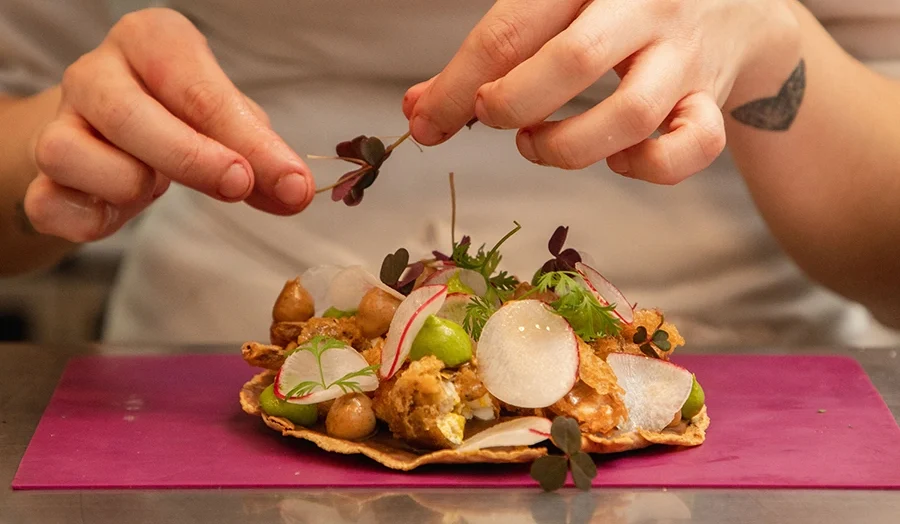
    When it comes to seafood in Roma Norte, Contramar stands out as a culinary icon. Founded by renowned Chef Gabriela Cámara, this restaurant is a must-visit for anyone craving the freshest and most expertly prepared seafood. The menu, which changes daily based on availability, features dishes that have become staples of Mexican seafood cuisine.

    The tostadas de atún, featuring thin slices of raw tuna, spicy mayo, fried onion, and avocado, are a highlight, offering a burst of fresh flavors. Another standout is the Pescado a la talla Contramar, where a whole grilled fish is served with two distinct sauces: a red chili adobo and a fresh green parsley rub. This dish, accompanied by freshly made tortillas, refried beans, and salsa, lets you create your own delicious fish tacos.

    • Address: Durango 200, Roma Norte, Mexico City

    2 – Maximo Bistrot – Local Ingredients, European Techniques

    For a blend of local ingredients and European culinary techniques, Maximo Bistrot is an excellent choice. Located in the heart of Roma Norte, this restaurant offers a sophisticated dining experience with a menu that showcases the best of Mexican produce prepared with international flair.

    From creative appetizers to hearty main courses, Maximo Bistrot’s dishes are crafted to highlight the quality and freshness of the ingredients, making it a great spot to experience a unique fusion of flavors.

    • Address: Av. Álvaro Obregón 65 Bis, Roma Norte, Mexico City

    3 – Rosetta – A Rustic Charm

    Rosetta, known for its rustic charm and inviting atmosphere, is another gem in Roma Norte. This restaurant, part of the same culinary family as Contramar, offers a more laid-back yet equally delightful dining experience. With a focus on seasonal ingredients, Rosetta’s menu features a variety of dishes that range from simple yet flavorful pasta to more complex creations, all presented with a touch of Italian and Mexican influences.

    The restaurant’s cozy setting and attentive service make it an ideal place for both casual meals and special occasions.

    • Address: Colima 166 (entre Orizaba y Córdoba), Roma Norte, Mexico City

    Top International Restaurants

    4 – Mog Bistro – Asian Flavors at Their Best

    Mog Bistro is a standout in Roma Norte for those craving authentic Asian cuisine. Located on Calle Frontera, this restaurant offers a diverse menu that includes Japanese dishes, sushi, and other Asian delicacies.

    From their delectable gyoza filled with pork, chicory, and various Asian vegetables, to their exquisite nigiri sets and sumibi (grilled skewers), Mog Bistro ensures a flavorful journey through Asia. The restaurant is also vegetarian and vegan-friendly, with options like edamame and kaiso salad, making it a versatile choice for diners with diverse dietary preferences.

    With its full bar, outdoor seating, and valet parking, Mog Bistro provides a complete dining experience that is both delicious and convenient.

    • Address: Frontera 168, Roma Norte, Mexico City

    5 – Loup Bar – Contemporary and Chic

    Loup Bar, situated in the heart of Roma Norte, is a contemporary and chic destination that offers a sophisticated dining experience. This bar and restaurant combines elegant ambiance with a creative menu that blends international flavors. Known for its extensive cocktail menu and stylish decor, Loup Bar is an ideal spot for those looking to enjoy a refined meal in a trendy setting.

    Whether you’re in the mood for a light snack or a full-course meal, Loup Bar’s innovative dishes and attentive service make it a must-visit for any food enthusiast.

    • Address: Calle Tonala 23, Roma Norte, Mexico City

    6 – Sartoria – Italian Cuisine Redefined

    Sartoria brings a touch of Italy to Roma Norte with its redefined take on traditional Italian cuisine. This restaurant is celebrated for its use of fresh, high-quality ingredients and creative twists on classic dishes. From handmade pasta to wood-fired pizzas, Sartoria’s menu is designed to delight the palate.

    The restaurant’s cozy and inviting atmosphere, complete with warm decor and excellent service, makes it an excellent choice for both romantic evenings and casual gatherings with friends. Sartoria’s commitment to using the finest ingredients ensures that every meal is a memorable one, making it a top recommendation for international cuisine in the area.

    • Address: C. Orizaba 42, Roma Norte, Mexico City.

    Vibrant Vegan and Vegetarian Options

    7 – Por Siempre Vegana Taquería – A Vegan Haven

    For those seeking a purely vegan dining experience in Roma Norte, Por Siempre Vegana Taquería is a must-visit. This popular taquería, with two locations in the area, offers a wide variety of vegan tacos that rival their traditional counterparts. From soy and wheat-based meats like pastor, chorizo, and bistec, to innovative options like the Big Bebé with vegan cheese, Por Siempre Vegana Taquería caters to all vegan cravings.

    Their menu also includes a great vegan breakfast selection and a range of desserts such as cupcakes and doughnuts. The friendly service and the option to choose between a food stall and a sit-down venue make this taquería a standout in vegan cuisine.

    • Address: C. Manzanillo 18, Roma Norte, Mexico City.

    8 – La Pitahaya Vegana – Colorful and Creative Dishes

    La Pitahaya Vegana is another vibrant spot in Roma Norte that showcases the creativity and flavor of vegan cuisine. Known for its colorful and Instagram-worthy dishes, this restaurant offers a diverse menu that includes everything from vibrant salads to hearty bowls and innovative tacos. La Pitahaya Vegana prides itself on using fresh, locally sourced ingredients to create dishes that are not only delicious but also visually appealing.

    The restaurant’s lively atmosphere and commitment to sustainability make it a great choice for those looking for a fun and ethical dining experience.

    • Address: Querétaro 90 Roma Norte, Mexico City

    9 – Plantasia – Asian-Inspired Vegan Cuisine

    For a unique blend of Asian flavors and vegan cuisine, Plantasia is an excellent option in Roma Norte. This restaurant specializes in Asian-inspired dishes, all crafted with vegan ingredients.

    From sushi rolls made with plant-based alternatives to stir-fries and noodle dishes, Plantasia’s menu is designed to take you on a culinary journey through Asia without compromising on vegan principles. The restaurant’s modern decor and attentive service add to the overall dining experience, making Plantasia a great spot for those looking to explore the fusion of Asian and vegan cuisine.

    • Address: Puebla 120, Roma Norte, Mexico City

    Traveling on a plant-based diet? Check out the full article in the best vegan restaurants in Mexico City.

    Roma Norte: Learn The History Of The Neighborhood

    Roma Norte is one of Mexico City’s most beloved and vibrant neighborhoods, known for its rich history, architectural charm, and exceptional culinary scene. Originally developed in the early 20th century as a residential area for the city’s upper class, Roma Norte still showcases elegant European-style mansions and tree-lined avenues that reflect its origins. Over the decades, the neighborhood evolved into a cultural and gastronomic hub, attracting artists, chefs, and creatives. T

    oday, it’s considered one of the best areas for tourists, thanks to its walkable streets, stylish cafes, art galleries, and a wide range of restaurants — from traditional Mexican eateries to cutting-edge fine dining. Roma Norte’s long-standing food culture is deeply rooted in both its history and its diverse community, making it a must-visit for anyone eager to explore the flavors of Mexico City.

    Places to visit in Roma Norte

    As a tourist in Roma Norte, you’ll find plenty to see beyond its famous restaurants and cafes. The neighborhood is home to cultural gems like the Museo del Objeto del Objeto (MODO), a quirky museum dedicated to everyday design and pop culture, and Casa Lamm, a beautiful historic mansion turned cultural center with art exhibitions, a bookstore, and a lovely garden cafe. Architecture lovers will enjoy strolling past early 20th-century mansions in styles ranging from Art Nouveau to Neocolonial. You can also relax in Plaza Río de Janeiro, a leafy square featuring a replica of Michelangelo’s David, or explore local art galleries and independent bookstores scattered throughout the area. Roma Norte perfectly blends history, culture, and modern creativity, offering a rich and walkable experience for any visitor.

    Taste the Soul of Mexico City—One Bite at a Time

    This isn’t your average food tour. The Mexico City Private Experience from Sherpa Food Tours takes you beyond the surface and straight into the vibrant heart of the city’s culinary landscape. Wander through bustling neighbourhoods, meet the cooks and vendors who keep traditions alive, and taste dishes where flavour and heritage come together in every bite.

    From street tacos sizzling on the griddle to deeply rooted family recipes with bold spices and fresh ingredients, each stop tells a story of migration, resilience, and celebration. With a local guide sharing the tales behind the tastes, you won’t just explore Mexico City—you’ll feel its pulse.

    Why You’ll Want to Join:

     Real Local Flavors – Eat like a chilango with beloved street food and hidden gems
     A Route With Meaning – Walk through vibrant barrios rich in culture and character
     Designed for Curious Palates – Ideal for travelers who want depth, connection, and unforgettable food

    Mexico Local Foodie Adventure

    3.5 houras

    10+ Dishes, 5+ venues

    8 – 14

    More info

    Book now

    from $80

    Mexico City Private Experience

    A culinary experience just for you and your family!

    3.5 Hours

    +10 dishes & drinks

    Just for your family

    More info

    From $90

    The Gastronomic Paradise of Roma Norte

    In conclusion, Roma Norte in Mexico City is a culinary paradise, offering a diverse and vibrant dining scene. Whether you’re in the mood for traditional Mexican dishes, international flavors, or creative vegan and vegetarian options, this neighborhood has something to satisfy every craving.

    Be sure to visit iconic spots like Contramar for fresh seafood, Maximo Bistrot for a fusion of local and European cuisine, and Rosetta for its rustic charm. For international tastes, Mog Bistro, Loup Bar, and Sartoria are highly recommended. Additionally, don’t miss the lively vegan scene at Por Siempre Vegana Taquería, La Pitahaya Vegana, and Plantasia.

    When planning your visit, take into account the unique aesthetics and exceptional food quality that make these restaurants stand out. Checking reviews and planning ahead will ensure a smooth and enjoyable dining experience. With its rich culinary offerings, Roma Norte is a destination that promises to tantalize your taste buds and leave you with unforgettable memories.

    FAQ About Roma Norte

    What Are The Most Tourist-Friendly Streets In Roma Norte?

    Some of the most popular and vibrant streets in Roma Norte include Avenida Álvaro Obregón, Colima, Orizaba, and Calle Tonalá. These areas are filled with trendy restaurants, bars, boutiques, and art galleries, making them ideal for walking and exploring.

    Do I Need To Tip At Restaurants In Mexico City?

    Yes, tipping is customary in Mexico. In restaurants, a tip of 10–15% of the bill is expected if the service was good. While not always included in the bill, tipping is greatly appreciated by the staff.

    What Are Other Popular Neighborhoods To Explore In Mexico City?

    Besides Roma Norte, tourists often enjoy visiting neighborhoods like Condesa (known for its parks and cafes), Coyoacán (a historic area with Frida Kahlo’s house), Polanco (home to upscale restaurants and shops), and the Historic Center (rich in architecture and museums).

    Is Roma Norte A Safe Area For Tourists?

    Roma Norte is generally considered one of the safest neighborhoods in Mexico City, especially during the day and in well-lit, busy areas. As with any major city, it’s best to stay aware of your surroundings, avoid poorly lit streets at night, and keep personal belongings secure.
  • Top Wine Bars in Mexico City: Best Spots for Wine Lovers in CDMX

    Top Wine Bars in Mexico City: Best Spots for Wine Lovers in CDMX

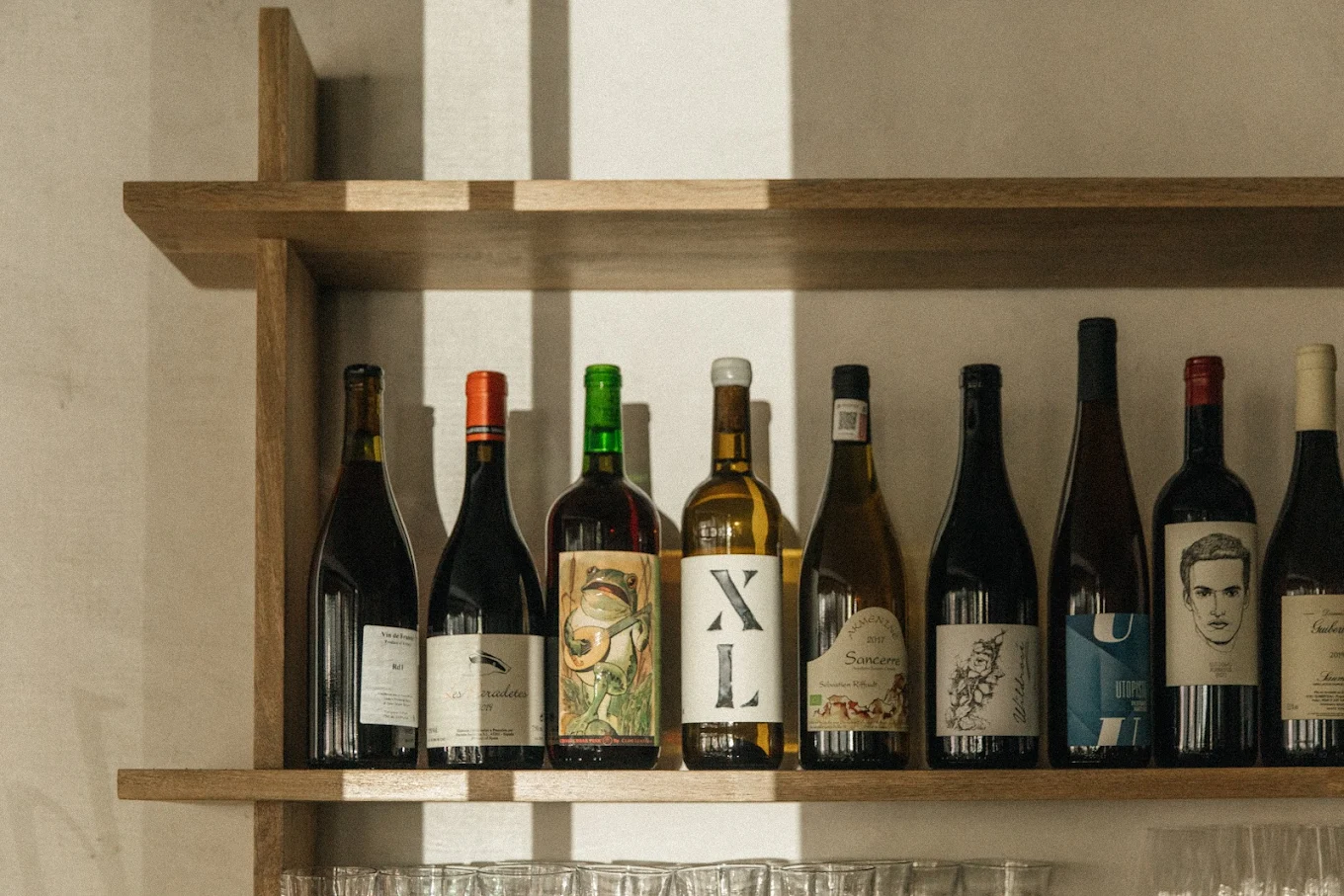
    If you’re a wine enthusiast eager to explore the best wine bars in Mexico City, you’re in for an unforgettable experience. CDMX, as locals fondly call it, has emerged as a hotspot for natural wine lovers, boasting a variety of exceptional wine bars across its lively neighborhoods. From the fashionable streets of Roma Norte to the charming corners of Condesa, Mexico City offers a rich selection of wine bars to suit every taste. Whether you’re in search of a cozy spot to sip on orange wine, a sustainable wine list to explore, or a venue to enjoy small plates paired with Mexican agave spirits, Mexico City’s finest wine bars promise to captivate and satisfy.

    A Tour of Mexico City’s Most Acclaimed Wine Bars

    These aren’t your traditional, stuffy wine bars. They are creative spaces with personality — minimalist or industrial chic, candlelit and cozy, or bright and airy with record players humming in the background. The staff is often made up of sommeliers who are more like storytellers than gatekeepers, eager to guide you through the glass rather than intimidate.Expect wine poured through Coravin systems to preserve freshness, custom glassware for each style, and a passion for serving wines made with minimal intervention — wines that are as alive and complex as the city itself.

    1 – Brutal Vinata de Barrio – San Miguel Chapultepec

    Located in the charming neighborhood of San Miguel Chapultepec, Brutal Vinata de Barrio stands out as a gem for wine enthusiasts. This wine bar is known for its eclectic selection of natural wines, carefully curated to offer a unique tasting experience. The cozy atmosphere and friendly staff make it an ideal spot to discover new wines and enjoy some of the city’s best small plates.

    Whether you’re a seasoned oenophile or just beginning your wine journey, Brutal Vinata de Barrio is a must-visit for its innovative approach to wine and food pairing.

    • Address: General Juan Cano 42, San Miguel Chapultepec, Mexico City

    2 – Tannin ArtBar – La Juarez

    In the heart of La Juarez, Tannin ArtBar is a unique fusion of art and wine. This sophisticated venue boasts an impressive wine list with over 130 labels from more than 10 countries, including France, Italy, Spain, and Mexico.

    The team of expert sommeliers is always ready to guide you through the perfect pairing with their delicious menu. What sets Tannin ArtBar apart is its constantly changing art gallery on the second floor, making each visit a new and exciting experience.

    It’s a place where art lovers and wine enthusiasts can come together to appreciate the finer things in life.

    Address: Versalles 113, Mexico City

    3 – Niv – Hipodromo-Condessa

    Nestled in the trendy Hipodromo-Condessa area, Niv is a contemporary wine bar that has quickly become a favorite among locals and visitors alike. Known for its extensive selection of natural wines, Niv offers a diverse range of options that cater to all tastes.

    The bar’s modern ambiance and attentive service create a welcoming environment where you can explore new wines and enjoy a selection of gourmet small plates. Niv is particularly great for those looking to experience the cutting edge of Mexico City’s natural wine scene.

    • Address: Atlixco 132, Condesa, Mexico City

    4 – Hugo – Roma Norte

    In the vibrant neighborhood of Roma Norte, Hugo is a standout wine bar that combines a passion for wine with a stylish and inviting atmosphere. This modern bar, developed by a former architect, features a small art space that hosts rotating exhibitions, adding an extra layer of cultural richness to your visit.

    With a focus on both art and wine, Hugo offers a curated selection of wines and some exceptional mezcal options, making it a great spot for those who appreciate the intersection of art, wine, and spirits.

    • Address: Avenida Veracruz 38 Roma Norte, Mexico City
    hugo best wine bars in mexico city

    Specialty Wine Bars for Every Palate

    5 – Wine Bar by Concours Mondial de Bruxelles – Juárez

    Nestled in the heart of Colonia Juárez, near Reforma Avenue, the Wine Bar by Concours Mondial de Bruxelles is a must-visit destination for wine enthusiasts. This British/European-style establishment spans three floors, featuring a wine bar, private lounges, and a dedicated space for wine education on the top floor. It proudly houses what is considered the «biggest wine library in México,» showcasing thousands of labels from over 50 countries, all of which are medal winners from the prestigious Concours Mondial de Bruxelles competition.

    The bar is managed by a team of professional sommeliers, including Manuel Negrete, ensuring an exceptional wine and food pairing experience. Additionally, the Wine Bar by CMB hosts periodic tastings, master classes, and promotional events, making it a vibrant hub for exploring global wine trends and styles.

    • Address: Copenhague 23, Juárez, Mexico City

    6 – Si Mon – Roma Norte

    Located in the fashionable neighborhood of Roma Norte, Si Mon delivers a unique and intimate wine experience. This boutique wine bar is celebrated for its carefully curated selection of natural wines, often featuring lesser-known labels that provide a refreshing break from the typical wine list.

    The cozy atmosphere and personalized service make Si Mon the perfect spot for those eager to discover new wines in a relaxed and welcoming setting. Pair your wine with their small plates, thoughtfully crafted to complement the diverse range of wines, and soak in the warm ambiance that has made Si Mon a beloved destination for locals and visitors alike.

    • Address: Zacatecas 126, Roma Norte, Mexico City.

    7 – Le Tachinomi Desu – Cuauhtémoc

    Situated in the Cuauhtémoc area, Le Tachinomi Desu introduces a touch of Japanese elegance to Mexico City’s wine scene. This compact yet lively wine bar is inspired by the traditional Japanese standing bars, or «tachinomi,» where patrons can enjoy a quick drink and snack.

    Le Tachinomi Desu features a diverse selection of wines, including natural and organic options, complemented by a menu of Japanese-inspired small plates. The bar’s energetic atmosphere and welcoming staff create the perfect environment to meet friends or make new connections while savoring a glass of wine and delightful bites.

    • Address: Río Pánuco 132-1a, Cuauhtémoc, Mexico City

    Our Most Special Recommendations

    8 – Tierras de Uva – Roma Norte

    Nestled in the heart of Roma Norte, Tierras de Uva is a haven for those who believe wine should be sincere, memorable, and rooted in tradition. Their philosophy is simple: “They don’t pour anything they wouldn’t like to drink.”

    The focus here is on honest, high-quality wines, primarily from across Spain, though a few carefully chosen bottles from Germany, France, and Mexico also make the list. This wine bar pays homage to the small-scale winegrowers — the quiet heroes reviving the soulful wines of the past, free of gimmicks and full of character.

    Expect top-tier glassware and the use of Coravin to ensure every pour is in perfect condition. For a truly enriching experience, ask for José or Fernando — passionate hosts who can talk for hours about grape varieties, obscure Spanish terroirs, and the timeless joy of sharing a good bottle.

    • Address: Sinaloa 74, Mexico City

    9 – Local 1 – San Miguel Chapultepec

    Local 1 it’s one of the newest additions to Mexico City’s wine scene, this contemporary wine bar is a thoughtful fusion of art, architecture, and curated drinks. Founded by a former architect with a passion for aesthetics and sensory experiences, the space blends clean, modern design with a deep appreciation for creative expression.

    What sets this venue apart is its commitment to the arts — a small, dedicated gallery space within the bar hosts monthly exhibitions by local and emerging artists. Each visit offers a new visual experience, adding a dynamic cultural layer to your evening. Check their social media channels to find out what’s currently on display.

    The wine list features a rotating selection of thoughtfully chosen labels, and if you’re lucky, you might even catch a rare mezcal or two behind the bar — a nod to Mexico’s diverse drinking heritage. This is the perfect place to sip slowly, take in the art, and let the atmosphere inspire you.

    • Address: Av. Álvaro Obregon 228 Roma Norte, Mexico City

    10 – Plonk – Juárez

    With a name inspired by WWI slang for wine, Plonk brings playful spirit and serious wine knowledge to the Juárez neighborhood. Their selection leans 85% Old World and 15% New World, with a focus on minimal intervention wines that cover the full spectrum — from classic and structured to experimental and bold.

    What sets Plonk apart is their constant evolution: the wine list changes twice a week, meaning every visit is a chance to discover something new. The team delights in uncovering cult labels and hidden gems, offering a dynamic and ever-refreshing lineup for adventurous palates.

    And whether you’re starting or ending your experience, don’t skip the bubbles — sparkling wine is a cornerstone of the Plonk ritual, as their sommelier proudly says: “Bubbly is always the best way to begin or wrap up the Plonk experience.”

    • Address: Iztaccihuatl 52, Condesa, Mexico City

    Why Mexico City is a Must-Visit for Wine Lovers

    When most people think of Mexico, their minds jump to tequila, mezcal, or perhaps an ice-cold cerveza on a sun-drenched beach. But tucked into the vibrant, ever-evolving heart of Mexico City is a wine culture that’s quietly thriving — and quickly becoming a magnet for wine lovers from around the world. 

    Over the past few years, a new generation of wine bars has emerged across the capital, reshaping the drinking scene and offering unforgettable experiences for those in search of something beyond the expected. These aren’t just places to drink; they’re spaces where design, culture, and community meet the world of wine with style and soul.

    A New Era of Wine in Mexico

    Mexico’s own wine production has come into its own, with Valle de Guadalupe, Querétaro, and Coahuila producing bottles that rival their European counterparts. From mineral-driven Chenin Blancs to bold Nebbiolos and smoky Tempranillos, local wine is no longer a curiosity — it’s a serious reason to visit. And in Mexico City, wine bars have become the perfect stage for showcasing them.

    But it doesn’t stop there. The best wine bars in the city balance local pride with international flair, offering an array of Old World and New World labels: Austrian Grüner Veltliner, funky pet-nats from Catalonia, refined Burgundian Pinot Noir, German Rieslings, and even cult Champagne producers. There’s always something unexpected to discover, and the rotating menus reflect a constant thirst for exploration.

    Fall in Love with the Mexican Flavours in a Food Tour

    In Mexico City, flavor isn’t just tasted—it’s celebrated. On this unique experience from Sherpa Food Tours you’ll discover daring combinations that go far beyond the usual. From mole-infused charcuterie boards to sashimi kissed with citrus and spice, each small plate is designed to surprise and delight.

    And while food takes center stage, the drinks shine just as brightly. Sip on natural wines, rare mezcals, or signature cocktails that perfectly complement every bite. Whether it’s a Mexican dip paired with Lambrusco or artisan cheeses with a spicy twist, the Mexico City Private Experience proves why Mexico’s culinary scene is one of the most exciting in the world.

    Get to know bold bites and unique sips with Mexico City Private Experience, a food tour in Mexico City that you’ll never forget! 

    Mexico Local Foodie Adventure

    3.5 houras

    10+ Dishes, 5+ venues

    8 – 14

    More info

    Book now

    from $80

    Mexico City Private Experience

    A culinary experience just for you and your family!

    3.5 Hours

    +10 dishes & drinks

    Just for your family

    More info

    From $90

    Wine in Mexico City

    Mexico City has become a lively destination for wine enthusiasts, showcasing a dynamic and diverse wine scene that’s impossible to overlook. From the renowned wine bars in neighborhoods like Roma Norte, Condesa, and Juárez to the specialty bars that cater to every taste, CDMX offers a wealth of wine experiences.

    Whether you’re drawn to natural wines, eager to attend events like the Banorte Nación de Vinos festival, or simply want to savor a glass of wine in a chic atmosphere, Mexico City truly has something for everyone. Take the chance to explore the city’s flourishing wine culture—reserve a table, delve into local wine selections, and immerse yourself in the rich flavors and traditions that make Mexico City a wine lover’s paradise.

    FAQs About Wine Bars in Mexico City

    What is the typical dress code at wine bars in Mexico City?

    Most wine bars in Mexico City have a relaxed yet stylish vibe. While there’s no strict dress code, smart-casual attire is usually appropriate. Think clean sneakers, nice jeans, or a simple dress — especially in trendy areas like Roma Norte, Condesa, or Juárez. Some upscale wine bars may lean more toward chic casual, so it’s best to avoid beachwear or overly sporty clothes. If you’re heading to a wine bar inside a hotel or fine dining space, business casual is a safe bet.

    Is tipping customary at wine bars in Mexico City?

    Yes, tipping is expected and appreciated in Mexico City, especially in hospitality settings like wine bars. A standard tip is 10–15% of the total bill, depending on the quality of service. If the service is exceptional or if you’re guided through a personalized wine tasting, consider tipping closer to 15–20%. Always check if a service charge is already included — though it’s uncommon, some upscale venues may add it automatically.

    Can you recommend other wine bars currently open in safe, tourist-friendly areas of Mexico City?

    Absolutely! Here are two excellent wine bars that are open, well-rated, and located in popular, safe neighborhoods:

    • Loup Wine Bar (Roma Norte): A cozy, modern bar with an emphasis on natural and low-intervention wines, served alongside a small seasonal menu. Staff are friendly and knowledgeable.
    • La Contra Roma (Roma Norte): Known for its selection of Mexican wines from Baja California and other local regions. It’s both a shop and bar, perfect for tastings or buying bottles to go.

    Escape the tourist crowds and eat exactly where the locals eat. Uncover the city’s best-kept culinary secrets in our guide to hidden gem restaurants in Mexico City.

  • A Guide to the 9 Best Bakeries in Mexico City

    A Guide to the 9 Best Bakeries in Mexico City

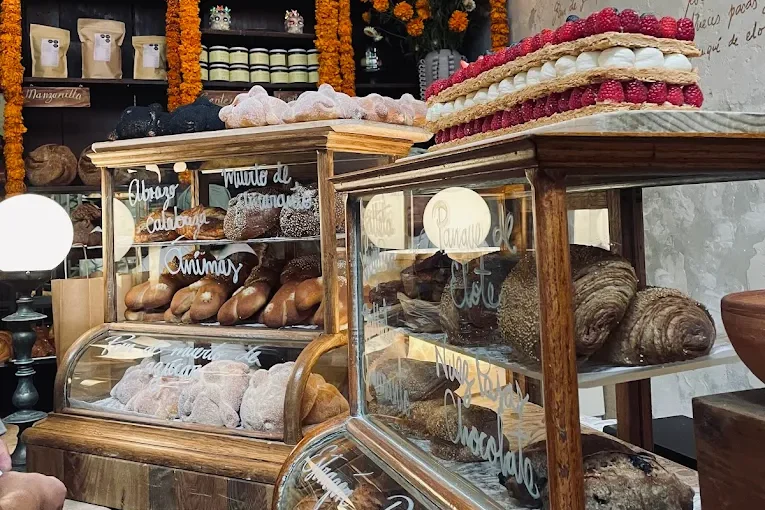
    Are you searching for the best bakeries in Mexico City? You’re in for a delightful experience. As the largest city in North America, Mexico City is a culinary haven filled with bakeries that showcase both traditional and modern creations. From the historic center to vibrant neighborhoods like Roma Norte and Condesa, CDMX is home to exceptional bakeries catering to every craving, whether it’s for pan dulce, artisanal breads, or inventive pastries. The bakery scene here truly has something for everyone.

    Picture starting your day with a flaky pastry from a historic bakery in Centro Histórico or enjoying an afternoon coffee in a chic Roma cafe. These bakeries are more than just eateries; they reflect local culture, blending age-old recipes with contemporary flair. In this guide, we’ll uncover the must-visit bakeries for locals and travelers alike.

    When it comes to traditional Mexican baked goods, or pan dulce, Mexico City is a treasure trove of delicious and authentic treats. Here are some of the top spots to indulge in these sweet and savory delights.

    1 – Panadería Rosetta

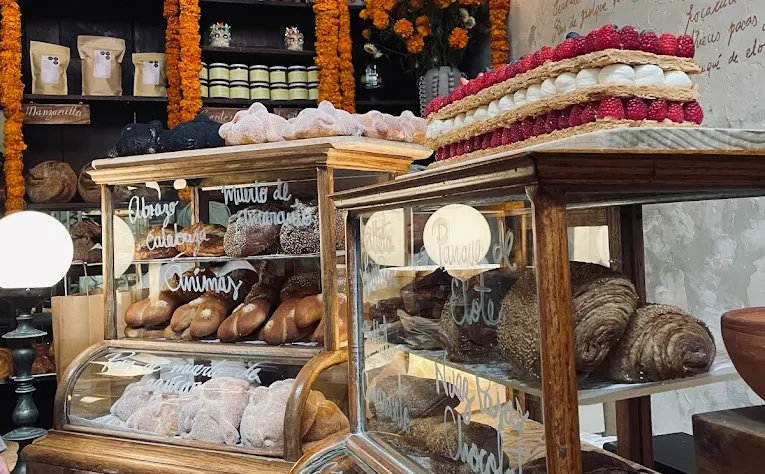
    Panadería Rosetta, located in the heart of Roma Norte, is a standout for its innovative take on traditional pan dulce. While it is renowned for its modern creations like the famous Guava Roll, Rosetta also excels in traditional Mexican pastries. Their conchas, adorned with dark chocolate-sugar diamonds, and their dense yet airy rolls, showcase a perfect balance of texture and flavor.

    The bakery’s commitment to using high-quality ingredients and French pastry techniques elevates these traditional treats to a new level of excellence.

    panaderia rosetta best bakeries in mexico city

    2 – Pastelería Ideal

    Pastelería Ideal, a historic bakery in the Centro Histórico, is a must-visit for anyone seeking authentic pan dulce. Established in 1927, this bakery has been a cornerstone of Mexico City’s culinary scene for nearly a century.

    It offers a wide variety of traditional pastries, including bolillo, cuernos, and orejas, all made with recipes that have been perfected over generations. The bustling atmosphere and the aroma of freshly baked goods make Pastelería Ideal a quintessential Mexican bakery experience.

    • Address: República de Uruguay 74, Centro Histórico, Mexico City

    3 – El Moro Churrería

    El Moro Churrería, another historic gem in the heart of Mexico City, is famous for its churros but also offers a delightful selection of pan dulce. Founded in 1935, El Moro has maintained its traditional baking methods while adapting to modern tastes.

    Their churros, often paired with rich hot chocolate, are a classic combination, but their other pastries, such as the sweet, flaky empanadas and the soft, airy bolillo, are equally impressive. El Moro’s multiple locations, including in the Centro Histórico and other parts of the city, make it easily accessible for both locals and visitors. In our travel guide about Where to Find the Best Churros in Mexico City you can learn more about churros in Mexico.

    • Address: Av Michoacán 27, Hipódromo, Cuauhtémoc, Mexico City

    In the vibrant bakery scene of Mexico City, several modern bakeries are redefining traditional baking with innovative techniques and flavors. Below are some standout contemporary bakeries that are pushing the boundaries of Mexican pastries.

    4 – Odette

    Odette, founded by pastry chef Odette Olavarri, is a pioneering bakery with locations in both Lomas de Chapultepec and Condesa. Odette’s journey began after her training at Le Cordon Bleu in Paris, where she developed a deep appreciation for French pastries.

    This European influence is evident in her creations, which seamlessly blend French techniques with Mexican flavors. The bakery offers a diverse range of products, including rustic French baguettes, croissants, and innovative cakes like the pastel praliné and pastel pistache. Other popular items include panqués (pound cakes) and the Ferrero-glazed croissant with chocolate ganache.

    Odette’s commitment to using high-quality ingredients and creative flavor combinations has made it a leader in modern Mexican baking.

    • Address: Monte Líbano 915-local 18 B, Lomas de Chapultepec, Mexico City

    5 – Mätre

    Mätre, located in the trendy Roma Norte neighborhood, is another modern bakery making waves in Mexico City’s culinary scene. Known for its minimalist aesthetic and focus on quality ingredients, Mätre offers a range of artisanal breads and pastries that are both visually appealing and delicious.

    Their menu includes a variety of sourdough breads, artisanal cookies, and creative pastries that often feature seasonal ingredients. Mätre’s approach to baking emphasizes simplicity and letting the natural flavors of the ingredients shine, making it a favorite among those seeking a contemporary take on traditional baking.

    • Address: Monte Ararat 220-4. Lomas de Chapultepec, Mexico City

    6 – Cayetana Panadería

    Cayetana Panadería, situated in the heart of the city, is a French-style bakery that brings a touch of European elegance to Mexico City. Renowned for its exquisite pastries and breads, all crafted with precision and care, Cayetana offers a wide array of products, including flaky croissants, delicate macarons, and an assortment of artisanal breads.

    What sets Cayetana apart is its attention to detail and the use of premium ingredients, ensuring that every item on the menu is a masterpiece of both taste and presentation. Whether you’re looking for a classic French pastry or something more innovative, Cayetana Panadería is a must-visit destination.

    • Address: Celaya 4, Cuauhtémoc, Mexico City

    While many of Mexico City’s renowned bakeries are widely celebrated, there are also several hidden gems waiting to be discovered. These lesser-known bakeries provide unique experiences and delicious treats, adding a special touch to your culinary journey in CDMX.

    7 – Marne

    Marne, located on Calle Gobernador Ignacio Esteva in Mexico City, is a modern bakery that has quickly gained popularity among locals and visitors alike. Just a few blocks from Parque Chapultepec, Marne stands out for its freshly baked bread and expertly roasted coffee. The menu features a variety of options, including croissants, French toast, avocado toast, and an assortment of cakes and pastries.

    With its welcoming atmosphere and high-quality offerings, Marne is an excellent choice for those seeking a contemporary bakery experience. A local favorite, this bakery is dedicated to creating laminated pastries.

    • Address: Gobernador Ignacio Esteva 35bis, Mexico City

    8 – Ficelle

    Ficelle, though less widely known, is another hidden treasure in Mexico City’s bakery scene. This bakery is celebrated for its artisanal approach to baking, combining traditional techniques with a modern flair.

    Ficelle provides an array of breads, pastries, and sweet treats that are as visually appealing as they are delicious. The bakery’s dedication to using fresh, high-quality ingredients ensures that every item on the menu is a delight.

    For those eager to venture beyond the city’s more popular bakeries, Ficelle is a fantastic discovery.

    • Address: Tamaulipas 39b, Colonia Condesa, Cuauhtémoc, Mexico City

    9 – Cuina

    Cuina, nestled in a quieter corner of the city, is a bakery that artfully blends traditional Mexican flavors with international influences. Known for its inventive pastries and artisanal breads, Cuina offers a truly unique dining experience.

    The menu at Cuina changes seasonally, guaranteeing fresh ingredients and innovative flavors year-round. It’s the perfect spot for anyone seeking something new and exciting in the realm of Mexican baking.

    • Address: Tabasco 46, Roma Norte, Mexico City.

    Top 5 Traditional Mexican Baked Goods You Must Try in Mexico City

    No visit to Mexico City is complete without tasting its rich array of traditional baked goods. From sweet morning treats to indulgent pastries enjoyed with an evening coffee, here’s a list of must-try items you’ll find in the best panaderías around the city:

    • 1- Concha: Perhaps the most iconic Mexican sweet bread, the concha is named after its seashell-like pattern. With a soft, fluffy interior and a crunchy sugar topping (usually vanilla or chocolate-flavored), it’s perfect with a cup of hot chocolate.
    • 2- Pan de Muerto: Traditionally made for Day of the Dead in late October and early November, this soft, slightly orange-scented bread is decorated with bone-shaped dough and sprinkled with sugar. It’s available year-round in some bakeries due to its popularity.
    • 3- Oreja: Known elsewhere as palmiers, «orejas» (meaning ears) are crisp, buttery puff pastries coated in caramelized sugar. Their delicate crunch makes them a favorite snack at any time of day.
    • 4- Empanada de Fruta: A flaky turnover filled with guava, pineapple, or apple jam. These fruit empanadas strike a balance between sweet and tart, often dusted with sugar or brushed with syrup for extra flavor.
    • 5- Elote (Pan de Elote): This moist corn cake is made from fresh corn kernels and has a naturally sweet flavor. Often mistaken for cornbread, pan de elote is smoother and richer, and can be served plain or with a touch of condensed milk.

    When visiting a traditional panadería in Mexico City, don’t hesitate to grab a tray and a pair of tongs to explore the colorful variety on display — each piece tells a story of flavor, heritage, and Mexican warmth.

    Experience Mexico City Through Its Boldest Flavors

    Mexico City is alive with color, sound, and taste—and this private food tour lets you take it all in, bite by bite. Skip the guides and gimmicks. With Sherpa Food Tours, you’ll journey deep into the neighborhoods where locals gather, food is sacred, and each dish tells a story of culture and community.

    With Mexico City Private Experience you can customize your day with a local expert who curates your route based on what you love—from fiery salsas to savory tamales and beyond. It’s more than a tour—it’s your personal window into Mexico’s food scene.

    Reasons to Join:
    🌮 Fully Personalized – No preset stops—just what you want to explore
    🌶️ Rooted in Tradition – Taste what generations have perfected
    👨‍👩‍👧 Great for Everyone – Couples, families, solo foodies welcome

    In conclusion, Mexico City’s bakery scene is a vibrant and diverse tapestry of traditional and contemporary delights. From the historic Pastelería Ideal to the modern innovations of Odette and Mätre, each bakery offers a unique experience that reflects the city’s rich culinary heritage. Whether you’re craving traditional pan dulce, artisanal breads, or innovative pastries, CDMX has something to satisfy every palate.

    Don’t forget to explore both the renowned bakeries and the hidden gems like Marne and Ficelle. Immerse yourself in the city’s bakery culture by visiting these spots, savoring the flavors, and enjoying the warmth and hospitality that each bakery provides.

    Your next culinary adventure in Mexico City is just around the corner, and we can help you discover it!

    Are There Gluten-Free Options Available At The Bakeries In Cdmx?

    Yes, there are several bakeries in Mexico City (CDMX) that offer gluten-free options. Notable mentions include Chokolat Pimienta Bakery and La Otilia, both of which are dedicated gluten-free establishments with a wide range of menu items.

    What Are Some Of The Most Renowned Bakeries In Mexico City For Traditional Pan Dulce?

    Some of the most renowned bakeries in Mexico City for traditional pan dulce include Pastelería Ideal, known for its delightful pan dulce, Panadería Rosetta, which blends Mexican flavors with European techniques, and various neighborhood panaderías where locals often purchase fresh bread and pastries.

    Do Any Of The Top Bakeries In CDMX Offer Delivery Or Online Ordering Services?

    While the sources do not explicitly mention delivery or online ordering services for the top bakeries in Mexico City, some bakeries listed on platforms like Tripadvisor may provide these options. However, this information is not specified in the provided details.

    Are There Any Bakeries In Mexico City That Specialize In International Styles, Such As French Or Italian Pastries?

    Yes, there are several bakeries in Mexico City that specialize in international styles. For example, Maison Kayser Reforma is renowned for its high-quality French bakery items, while Panadería Rosetta offers French-inspired pastries alongside other international treats. Additionally, Patisserie Dominique and Da Silva Panadería Artesanal focus on French-style baking.

    Want to check out the Mexico City blog? Explore more of our travel guides:

  • Where to Find the Best Churros in Mexico City

    Where to Find the Best Churros in Mexico City

    If you’re planning a trip to Mexico City, one of the must-try treats that should be at the top of your list is the city’s renowned churros. These sweet, crispy, and indulgent pastries are a staple of Mexican cuisine, and Mexico City is home to some of the best churro shops you’ll ever encounter. Whether you’re a food enthusiast, a traveler seeking local flavors, or simply someone with a sweet tooth, finding the best churros in Mexico City is an adventure you won’t want to miss. 

    From traditional churros dipped in rich, thick hot chocolate to innovative variations filled with chocolate or topped with ice cream, Mexico City’s churro scene is as diverse as it is delicious. In this guide, we’ll take you through the top recommendations, hidden gems, and different styles of churros that make Mexico City a churro lover’s paradise.

    churros in mexico city

    History and Legacy

    Churreria El Moro, a name synonymous with the best churros in Mexico City, boasts a rich and fascinating history. Founded in 1935 by Francisco Iriarte, an immigrant from Spain, El Moro emerged from a simple yet bold idea: to introduce the traditional Spanish churro to the people of Mexico City. Iriarte, armed with his family’s cherished recipe from the Basque Country, began selling churros from a modest cart in the city’s central square, Zócalo.

    This humble start marked the beginning of a legacy that has spanned generations, becoming an integral part of Mexico City’s culinary identity.

    What Makes It Special?

    What truly sets Churreria El Moro apart is its steadfast commitment to tradition and quality. The original location, situated on Eje Central Lázaro Cárdenas near the Metro San Juan de Letrán in the Historic Center of Mexico City, remains open 24 hours a day, echoing the round-the-clock service of Madrid’s iconic Chocolatería San Ginés.

    This dedication to accessibility ensures that whether you’re an early riser or a night owl, you can always enjoy a warm, freshly made churro accompanied by a rich, steaming cup of hot chocolate. The churros at El Moro are crafted using a secret family recipe that has remained unchanged since 1935, while the hot chocolate is perfected to create a harmonious balance of flavors that has delighted locals and visitors alike for decades.

    Tradition Meets Innovation in the Heart of Coyoacán

    Nestled in the culturally rich neighborhood of Coyoacán, Churrería General de la República captures the spirit of traditional Mexican flavors with a modern twist. Just steps away from the iconic Casa Azul, this unassuming gem welcomes locals and travelers alike with the aroma of freshly fried churros and sweet fillings. The crisp, golden-brown churros here are the highlight—thinner and crunchier than most, offering a satisfying texture that distinguishes them from their counterparts around the city.

    Creative Fillings and Cozy Atmosphere

    What makes this churrería stand out is its creative selection of churros rellenos. Whether you’re craving the richness of Nutella, the tangy sweetness of fruit preserves, or the deep decadence of chocolate, there’s a filling to suit every palate. The location on Allende 38 is cozy and inviting, with a laid-back charm that encourages lingering over a plate of churros and a cup of creamy hot chocolate. It’s the perfect way to wind down after exploring the cobblestone streets and colorful art of one of Mexico City’s most beloved neighborhoods.

    A Modern Take in the Heart of Condesa

    Nestled in the vibrant, tree-lined streets of Condesa, Atike Churrería brings a fresh, artisanal approach to the classic churro. This boutique-style spot reimagines the traditional treat with a focus on high-quality ingredients and beautiful presentation. Atike’s churros are expertly fried to achieve a light, crisp texture, then dusted with cinnamon sugar or paired with premium dipping sauces like Belgian chocolate, matcha, or dulce de leche. Whether you’re grabbing a quick snack or settling in for a cozy dessert break, the café’s relaxed, contemporary ambiance makes it a delightful escape from the city buzz.

    Crafted with Care and Creative Twists

    What sets Atike apart is its playful spirit and attention to detail. In addition to the classic churros, you’ll find inventive options like churro bites, churro sundaes, and limited-time seasonal creations. Their beverages are just as thoughtfully prepared, from rich hot chocolate to specialty coffee blends that pair perfectly with their sweet offerings. Atike isn’t just a place to eat—it’s an experience that celebrates the churro in all its forms, inviting guests to enjoy a modern, elevated version of this beloved snack.

    Rooted in Tradition Since 1977

    Set in the idyllic neighborhood of San Ángel, Churrería El Convento has been a mainstay of the local food landscape since its founding in 1977. This family-owned churrería upholds time-honored techniques, serving up churros that are crisp on the outside, soft inside, and made to order. The atmosphere recalls a simpler era, where flavor and tradition take center stage. With deep roots in the community, El Convento has earned its reputation as a go-to destination for classic churros done right.

    Diverse Hot Chocolate and Warm Hospitality

     One of El Convento’s standout features is its diverse hot chocolate selection, offering French, Spanish, and traditional Mexican varieties. The latter, enhanced with fragrant cinnamon, is a local favorite that pairs beautifully with their fresh churros—always served in generous portions of four. Whether you’re visiting after a stroll through Plaza San Jacinto or simply looking for comfort food that hits the spot, Churrería El Convento delivers with warmth, authenticity, and a touch of nostalgia.

    A Café Favorite Steps from Alameda Central

    Just a short walk from Mexico City’s iconic Alameda Central and Palacio de Bellas Artes, Maque Café is a well-known destination for both locals and tourists seeking a cozy, traditional Mexican breakfast with an upscale twist. While most come for their exceptional pan dulce and chilaquiles, Maque surprises many with its standout churros—golden, crisp, and served fresh with a side of silky, rich hot chocolate. Though not a churrería by name, its dedication to high-quality pastry and comforting flavors has earned it a spot in the hearts of churro lovers.

    Heritage Atmosphere with Gourmet Touches

    The café’s elegant colonial-style decor, tiled floors, and warm wooden furnishings provide the perfect setting for enjoying a late morning snack or an afternoon treat. The churros at Maque are often served alongside seasonal beverages or traditional Mexican coffee, offering a refined yet approachable take on this beloved dessert. Whether you’re wrapping up a morning of sightseeing or simply indulging in something sweet, Maque Café blends heritage charm with gastronomic delight in the heart of the city.


    Step into the flavorful heartbeat of Mexico City with a private food tour built just for you. The Mexico City Private Experience by Sherpa Food Tours connects you to the rich diversity of local cuisine—from bold street flavors to soulful traditional recipes.
    This isn’t your average food tour. It’s an insider’s look at the capital’s food culture, where every dish comes with a story and every bite brings you closer to the city’s spirit.

    Why It Stands Out:
    🌮 Fully Tailored – You choose the pace, dishes, and experience
    🔥 Real Taste of Mexico – Beyond the guidebooks, into real kitchens
    👨‍👩‍👧 For Every Food Lover – From curious eaters to seasoned foodies


    Churros, those golden, sugar-dusted spirals of joy, have a history as rich as their flavor. Believed to have originated in Spain, possibly inspired by Chinese youtiao or even early Moorish pastries, churros quickly became a beloved treat among Spanish shepherds and city dwellers alike. Traditionally enjoyed with a cup of thick hot chocolate, they became a staple of Spanish cuisine and were often sold in street stalls and cafés. The simple dough—flour, water, and salt—was extruded through a star-shaped nozzle and fried to crispy perfection, a method that still defines churros today.

    The Evolution of the Churros in Mexico

    When churros made their way to Mexico during the colonial period, they were enthusiastically embraced—and reinvented. Mexican churros tend to be longer and thinner than their Spanish counterparts, and often rolled in cinnamon sugar for an extra burst of flavor. While Spanish churros are typically served plain and dipped in thick chocolate, Mexican churros are frequently filled with sweet surprises like cajeta, chocolate, or vanilla cream. This delightful adaptation reflects the bold, flavorful spirit of Mexican cuisine, turning a European treat into a national favorite with a personality all its own. Today, whether you’re strolling through a plaza at night or visiting a bustling churrería, churros in Mexico City are more than just a snack—they’re a cultural experience, blending history, flavor, and community in every bite.

    In conclusion, Mexico City is a paradise for churro lovers, offering a rich and diverse experience for anyone looking to enjoy this beloved treat. From the cherished traditions of Churreria El Moro to the hidden gems like Churrería General de la República and Chocolatería San Ginés, each spot delivers a unique and delightful experience. Whether your preference is for classic churros con chocolate or creative options like churro ice cream sandwiches, Mexico City truly has something for everyone.

    Next time you find yourself in this vibrant city, be sure to set aside some time to explore its churro scene and savor the sweet traditions that have become an essential part of Mexican culture.

    Are The Prices At Churrería El Moro In Us Dollars Or Mexican Pesos?

    The prices at Churrería El Moro are listed in Mexican pesos. For instance, four regular churros cost 20 pesos, while chocolate served with four churros costs 77 pesos.

    What Are The Most Popular Types Of Churros Available At Churrería El Moro?

    The most popular churros at Churrería El Moro include classic long churros coated with sugar and cinnamon, as well as mini churros. Additionally, they offer filled churros with delicious options like chocolate, cajeta (caramel), and other indulgent fillings.

    Are There Any Vegan Options Available At Churrería El Moro?

    Yes, Churrería El Moro provides several vegan options. Their churros are naturally vegan and can be coated in white or brown sugar. They also offer vegan almond chocolate and almond milk-based hot chocolate for dipping.

    Explore more of our travel guides in the this blog!

  • Tamales in Mexico City: A Local’s Guide to the Most Delicious Finds

    Tamales in Mexico City: A Local’s Guide to the Most Delicious Finds

    Planning a trip to Mexico City? Make sure to savor its vibrant tamale culture—a true highlight of Mexican cuisine. Tamales in Mexico City are flavorful bundles of corn masa, filled with diverse ingredients, and wrapped in corn husks or banana leaves. The tamale tradition thrives in Mexico City, with vendors and restaurants offering an array of options to suit every taste. From classic flavors like green sauce with chicken, red mole with chicken, rajas with Poblano peppers, and sweet tamales, to gourmet variations, the city offers endless choices for tamale enthusiasts.

    Whether you discover tamales from a vendor pedaling a cargo bike with steaming pots or at a cozy restaurant where they’re freshly prepared, tamales are an integral part of the local food culture. For any traveler, indulging in this iconic dish is an unforgettable experience.

    tamales in mexico city

    1- Street Food Stands and Markets

    One of the most authentic ways to enjoy tamales in Mexico City is by exploring the street food stands and markets. These vendors, often recognizable by their loudspeakers and cargo bikes, showcase the traditional tamale culture. You’ll typically find them in the mornings, especially in areas like Cuauhtémoc and Juárez, where they set up small stands with large pots of steaming tamales.

    These street stands usually offer classic flavors such as green sauce with chicken, red mole with chicken, rajas with sliced Poblano peppers, and sweet tamales. Purchasing tamales from these vendors is not just about savoring delicious food—it’s also an opportunity to soak in the vibrant atmosphere and connect with local sellers.

    2- Renowned Tamalerias and Local Eateries

    For a more refined experience, Mexico City boasts several renowned tamalerias and local eateries specializing in tamales. One standout is Tamales Chiapanecos Maria Geraldine, tucked away in a back alley off Jardín Centenario in the Roma Norte neighborhood. This family-run eatery offers a wide range of tamales, including unique flavors, and is celebrated for its high-quality ingredients and traditional cooking methods.

    Another noteworthy option is Tamales Los Vaporcitos, a street vendor with multiple locations, serving some of the city’s finest savory and sweet tamales. These eateries not only provide mouthwatering tamales but also offer a glimpse into family traditions and recipes that have been passed down through generations.

    3- Seasonal and Festival Specialties

    Mexico City’s tamale scene also shines during seasonal celebrations and festivals. For instance, during Día de los Muertos (Day of the Dead), you can find special tamales featuring ingredients like frijol and hierba santa, traditional flavors tied to this festive occasion.

    Many tamalerias also create unique tamales for other holidays and celebrations, making every visit a distinct culinary experience. These seasonal offerings highlight Mexico’s rich cultural heritage and the significance of tamales in its traditions and festivities.

    A tamale is one of the most iconic dishes in Mexican cuisine. Made from a dough of ground corn (masa), tamales are typically filled with savory or sweet ingredients—such as meats, cheeses, chilies, or fruits—then wrapped in corn husks or banana leaves and steamed to perfection.

    Ancient Roots

    Tamales trace their roots back thousands of years to the pre-Hispanic civilizations of Mesoamerica, including the Aztecs, Mayans, and Zapotecs. For these cultures, tamales were more than just food—they were sacred offerings to the gods and a vital part of religious and communal ceremonies. Corn, the main ingredient in tamales, was revered as a symbol of life and fertility.

    Colonial Influence and Modern Evolution

    With the arrival of the Spanish in the 16th century, tamales began to incorporate new ingredients such as pork, lard, sugar, and European spices. Despite these additions, the traditional preparation methods and the communal nature of tamale-making have endured. Passed down through generations, tamales remain a beloved dish prepared in large quantities for holidays like Día de los Muertos, Christmas, and Día de la Candelaria.

    Today, tamales continue to represent heritage, family, and togetherness, enjoyed in both humble street stalls and upscale eateries throughout Mexico—and especially in Mexico City.

    Eating tamales is more than just enjoying their taste; it’s an experience rich in tradition and cultural significance. Below are tips and insights to help you fully savor this cherished Mexican dish.

    How to Eat a Tamale

    To enjoy a tamale, begin by unwrapping it from its corn husk or banana leaf. Simply pull back the husk or leaf to expose the warm masa and flavorful filling inside. You can either eat the tamale directly from the husk or transfer it onto a plate.

    Traditionally, tamales are eaten with your hands, which adds to the authentic experience. However, if you prefer, you can use a fork. Both methods allow you to enjoy the tamale, though the traditional way often feels more connected to its roots.

    Pairing Tamales with Other Foods and Drinks

    Tamales can be savored on their own or as part of a larger meal. They complement traditional Mexican sides like rice, beans, or a fresh side salad beautifully.

    For a truly authentic pairing, try enjoying tamales with a drink like Atole—a thick, corn-flour-based beverage flavored with spices such as vanilla, cinnamon, and piloncillo. This combination is especially popular during holidays and special occasions, adding a layer of cultural richness to your meal.

    Respecting Tamale Traditions

    Tamales hold a deep cultural significance in Mexican traditions and are often served during major holidays and celebrations, such as Christmas and Día de los Muertos. When eating tamales, it’s important to honor these customs. For instance, tamales are typically prepared in large batches and shared among family and friends, symbolizing community and togetherness.

    By engaging in these traditions, you not only enjoy the food but also foster a deeper connection to the culture and the people who cherish it.

    Enjoying Tamales in Different Settings

    Tamales can be enjoyed in various environments, ranging from lively street food stands to formal restaurants. Each setting offers its own unique experience.

    At street food stands, you can soak in the vibrant atmosphere and interact with local vendors, making the experience more personal and engaging. In restaurants, you might have the chance to observe the tamale-making process and learn about traditional cooking techniques. Whether you’re savoring tamales at a bustling market or a cozy eatery, the key is to appreciate the rich cultural heritage and enjoy the moment.

    If you’re visiting Mexico City and want to try some of the best tamales, you’re in luck. The city is packed with incredible spots where locals line up for their daily fix. Here are five must-try tamale spots—perfect for both first-timers and seasoned tamale lovers.

    1. Tamales Doña Emi (Roma Sur)

    A local favorite for more than 30 years, Doña Emi serves up classic Mexico City-style tamales with unforgettable flavor. Try the green salsa with chicken, mole with pork, or the sweet tamales with raisins. You’ll often find a line early in the morning—a true sign of quality.

    • Corner of Tonalá and Jalapa

    2. Tamales Emporio (Cuauhtémoc)

    Located in the heart of Roma Norte, Tamales Emporio offers a diverse selection of tamales representing various regions of Mexico. From Oaxacan-style tamales wrapped in banana leaves to Yucatecan specialties, there’s something for every palate. The cozy ambiance and regional variety make it a favorite among both locals and tourists.

    • Address: Manuel María Contreras 18-A, Cuauhtémoc

    3. Tamales de la Guerrero (Colonia Guerrero)

    An authentic street food experience in the heart of the city. Known for traditional flavors and their famous “torta de tamal” (a tamale in a sandwich roll), this is a spot where locals grab breakfast on the go. Tamales de la Guerrero it’s a popular choice.

    • Address: Héroes 197, Col. Guerrero, Cuauhtémoc

    4. El Bajío (Multiple Locations)

    El Bajío is a renowned restaurant chain dedicated to preserving traditional Mexican cooking. Their tamales, particularly the Veracruz-style, are a highlight, offering a taste of regional flavors in a comfortable setting. With multiple locations across the city, it’s a convenient option for tourists seeking authentic cuisine.

    • Address: Various locations including Polanco and Coyoacán
       

    5. Café de Raíz (Roma Norte)

    For a more contemporary twist, Café de Raíz serves gourmet tamales in a cultural café setting. It’s a great place to enjoy a fresh tamale and house-made atole, surrounded by art and music in the bohemian neighborhood of Coyoacán.

    • Address: Merida 132 Bis, Roma Norte
       

    Let your taste buds lead the way through Mexico City’s flavorful maze of markets, taquerías, and street carts. With Sherpa Food Tours’ Mexico City Private Experience, you’ll uncover the capital’s most authentic tastes—personalized just for you.
    Whether you dream of biting into tacos al pastor or discovering smoky moles in a quiet local spot, this journey brings you closer to the people and stories behind every dish.

    Why You’ll Love It:
    🌮 Personalized for You – Eat what you love, skip what you don’t
    🌶️ Authentic Local Flavors – Iconic bites and neighborhood secrets
    👪 Made for Everyone – Dietary preferences? Kids in tow? No problem, we take care of it.

    In conclusion, tamales in Mexico City are more than just a meal; they represent a cultural treasure that has endured for centuries, bringing people together in celebration of tradition and community. Whether you discover them at street food stands, bustling markets, or renowned tamalerias, each tamale tells a story of heritage and dedication.

    As you enjoy tamales, take a moment to respect their cultural significance, savor them in diverse settings, and appreciate the hard work and familial bonds involved in their creation. While exploring Mexico City, be sure to indulge in this delicious and historic dish. Let the rich flavors and traditions of tamales enhance your travel experience. Embrace the tamale culture, and you will truly connect with the vibrant heart of Mexico City.

    What Are The Typical Prices For Tamales From Street Vendors In Mexico City?

    Typical prices for tamales from street vendors in Mexico City range between 18-22 pesos (approximately $1-1.30 USD).

    What Are The Most Common Flavors And Fillings Of Tamales Found In Mexico City?

    In Mexico City, the most common flavors and fillings of tamales include:

    • Green: Green sauce with chicken
    • Red: Mole with chicken or pork and spicy red chile
    • Rajas: Red sauce with sliced Poblano Pepper and cheese
    • Dulce: Sweet, usually filled with dried fruit, pineapple, or strawberry

    How Can I Identify Tamale Vendors In The Streets Of Mexico City?

    To identify tamale vendors in Mexico City, look for ‘push cart’ or bicycle-type vendors, often seen in parks and other public areas. These vendors typically carry steamer baskets or large containers with tamales wrapped in corn husks or banana leaves.

    What Are The Differences Between Tamales Wrapped In Corn Husks And Those Wrapped In Banana Leaves?

    Tamales wrapped in corn husks are more common in Northern Mexico and areas like California, while those in banana leaves are prevalent in Southern Mexico, Central America, and South America due to availability. Banana leaf tamales have a more moist and yellowish masa, imparting a slightly sweet flavor, unlike the paler and drier corn husk tamales.

    Want to learnk more about Mexico? check out our blog!

    Looking for Spicy food? Do you think you can handle the heat? Challenge your taste buds with our ultimate roundup of delicious and spicy Mexican dishes.

  • Traditional Mexican Desserts You Need to Try

    Traditional Mexican Desserts You Need to Try

    If you’re looking to explore the vibrant world of Mexican desserts, you’re in for a delightful experience. Mexican desserts offer a captivating blend of flavors, textures, and traditions that will leave your taste buds enchanted. From the creamy, caramel-topped flan to crispy churros coated in cinnamon sugar, and the indulgently moist tres leches cake, each treat showcases Mexico’s rich culinary heritage.

    These desserts are a fusion of indigenous, European, and African influences, creating unique and irresistible creations. Common ingredients like sweetened condensed milk, evaporated milk, and heavy cream add a luxurious touch, while spices like cinnamon and vanilla extract enhance their flavor profiles. Whether you enjoy comforting classics like arroz con leche (rice pudding) or decadent treats like sopapilla cheesecake bars, there’s a Mexican dessert to suit every palate. In this travel guide, we’ll explore some of Mexico’s most iconic and beloved desserts, inspiring you to bring these sweet traditions into your own kitchen.

    What is Flan?

    Flan, often called «Flan Mexicano,» is a beloved Mexican dessert known for its silky, creamy texture and rich flavor. This traditional custard is crafted from simple ingredients like eggs, milk, and sugar, resulting in a smooth and velvety treat that feels both indulgent and comforting. What sets flan apart is its caramelized sugar topping, which adds a delightful crunch and a burst of caramel flavor, perfectly complementing the creamy custard below.

    Making Traditional Flan

    Creating authentic Mexican flan requires a few essential ingredients and careful preparation. The key components include sweetened condensed milk, evaporated milk, eggs, vanilla extract, and sugar. Below is an overview of the process:

    1. Begin by combining the sweetened condensed milk, evaporated milk, eggs, and vanilla extract in a mixing bowl. It’s important to beat the eggs gently to avoid incorporating excess air, as this can impact the flan’s smooth texture.
    2. Next, strain the mixture to remove any bubbles or lumps, ensuring a perfectly smooth custard. Pour the mixture into a baking dish that has been coated with caramelized sugar. The caramelized sugar is made by melting sugar in a pan until it turns golden brown, then spreading it evenly across the bottom of the dish.
    3. Place the baking dish inside a larger pan filled with hot water to create a water bath. This technique ensures the flan cooks evenly and prevents curdling. Bake the flan at a low temperature for approximately 1 hour and 25 minutes, or until it is set with a slight jiggle in the center.
    4. After baking, let the flan cool to room temperature before refrigerating it. When serving, the caramelized sugar topping provides a sweet and crunchy contrast to the creamy custard, making each bite a delightful experience.

    What are Churros?

    Churros are a cherished Mexican dessert with roots in Spanish and Portuguese culinary traditions. These fried pastries are known for their long, cylindrical shape and signature ridges created by piping the dough through a pastry bag. While often likened to doughnuts, churros boast a unique texture that is crispy on the outside and fluffy and tender on the inside. After frying, churros are typically coated in a mixture of sugar and cinnamon, giving them a sweet and aromatic flavor that enhances their already delightful taste.

    churros mexican desserts

    The Art of Making Churros

    Crafting churros involves several precise yet straightforward steps. Here’s a quick overview of the process:

    1. First, prepare the dough by boiling a mixture of water, butter, sugar, and salt in a saucepan. Once the mixture reaches a boil, sifted flour is added and stirred in quickly to combine.
    2. It’s essential to add the flour while the water is boiling to ensure the dough results in crispy churros. The dough is then mixed vigorously until smooth and lump-free.
    3. After removing the saucepan from the heat, beaten eggs are incorporated into the dough and mixed thoroughly until well combined.
    4. Once the dough has cooled slightly, it is piped through a star-shaped tip into long strips. These strips are fried in hot vegetable oil until golden brown and crispy. Maintaining the correct oil temperature is key to achieving the perfect texture.
    5. After frying, the churros are placed on paper towels to drain excess oil before being coated in a mixture of granulated sugar and ground cinnamon.

    Churros are often served with a side of chocolate ganache or other sweet dips, which pair beautifully with their cinnamon-spiced sweetness. The entire process, from preparing the dough to frying and coating the churros, typically takes about 30 minutes, making it a quick and rewarding dessert to prepare. Want to learn more about churros in Mexico? Read our guide on Where to Find the Best Churros in Mexico City.

    Three Milk Cake

    Tres Leches Cake, or «Pastel de Tres Leches» in Spanish, is a beloved Mexican dessert celebrated for its extraordinary moisture and rich flavor. The name «Tres Leches» translates to «three milks,» highlighting the three types of milk used to soak the cake: evaporated milk, sweetened condensed milk, and heavy cream or whole milk.

    This unique soaking process transforms a simple vanilla sponge cake into a decadently moist and creamy dessert. The cake is made using a light and fluffy vanilla sponge base. Key ingredients include separated eggs, sugar, flour, baking powder, milk, and vanilla extract. The egg yolks are mixed with sugar, milk, and vanilla, while the egg whites are whipped to stiff peaks and then gently folded into the batter.

    This technique ensures the cake remains light and airy before it is soaked in the milk mixture. After baking and cooling, the cake is pierced with a fork to create holes, allowing the milk sauce to seep in evenly. The milk sauce, made from evaporated milk, sweetened condensed milk, and heavy cream or whole milk, is slowly poured over the cake. The cake is then refrigerated for at least an hour or overnight, ensuring it fully absorbs the milk mixture and achieves its signature moist and flavorful texture.

    Variations and Serving

    While the classic Tres Leches Cake recipe is universally adored, there are variations that can elevate the experience. Some recipes suggest adding a layer of whipped cream on top, made from heavy cream, sugar, and vanilla extract. This provides an extra layer of creaminess and sweetness.

    Beyond traditional toppings, the cake can be paired with fresh sliced strawberries or a sprinkle of cinnamon. These additions enhance the visual appeal and complement the sweet, milky flavors of the dessert. For those looking to experiment, tres leches cupcakes or other creative presentations can also be tried, while maintaining the essential three-milk soak.

    Tres Leches Cake is best stored in the refrigerator, covered, for 3-5 days to preserve its moisture and freshness. Whether served at family gatherings, special occasions, or simply as a treat, Tres Leches Cake is guaranteed to impress with its unique texture and irresistible flavor.

    If you’re visiting Mexico City and have a sweet tooth, you’re in luck. From street stalls to elegant cafés, the city offers countless spots to try beloved traditional desserts like flan, tres leches cake, and churros. Here’s where to go:

    El Moro Churrería

    A must-visit for churro lovers, El Moro is an iconic churrería that has been serving crispy, sugar-coated churros with thick hot chocolate since 1935. Their original location in the Centro Histórico is open 24/7 and perfect for a late-night treat.

    Pastelería Ideal

    Pastelería Ideal it’s a classic bakery is a local institution. Wander through its huge selection of cakes and pastries and try their creamy flan or rich tres leches cake. It’s a favorite among locals for a reason.

    Panadería Rosetta

    For a more modern twist on traditional desserts, head to Panadería Rosetta, it’s a beloved bakery in Roma. Known for its creative pastries, Panadería Rosetta also offers refined takes on classics like tres leches with seasonal fruits.

    Café de Tacuba

    This historic restaurant offers a full dining experience with a taste of old Mexico, including house-made flan served in a traditional style. The colonial décor and live music make it an unforgettable setting at Café de Tacuba.

    Street Stalls and Local Markets

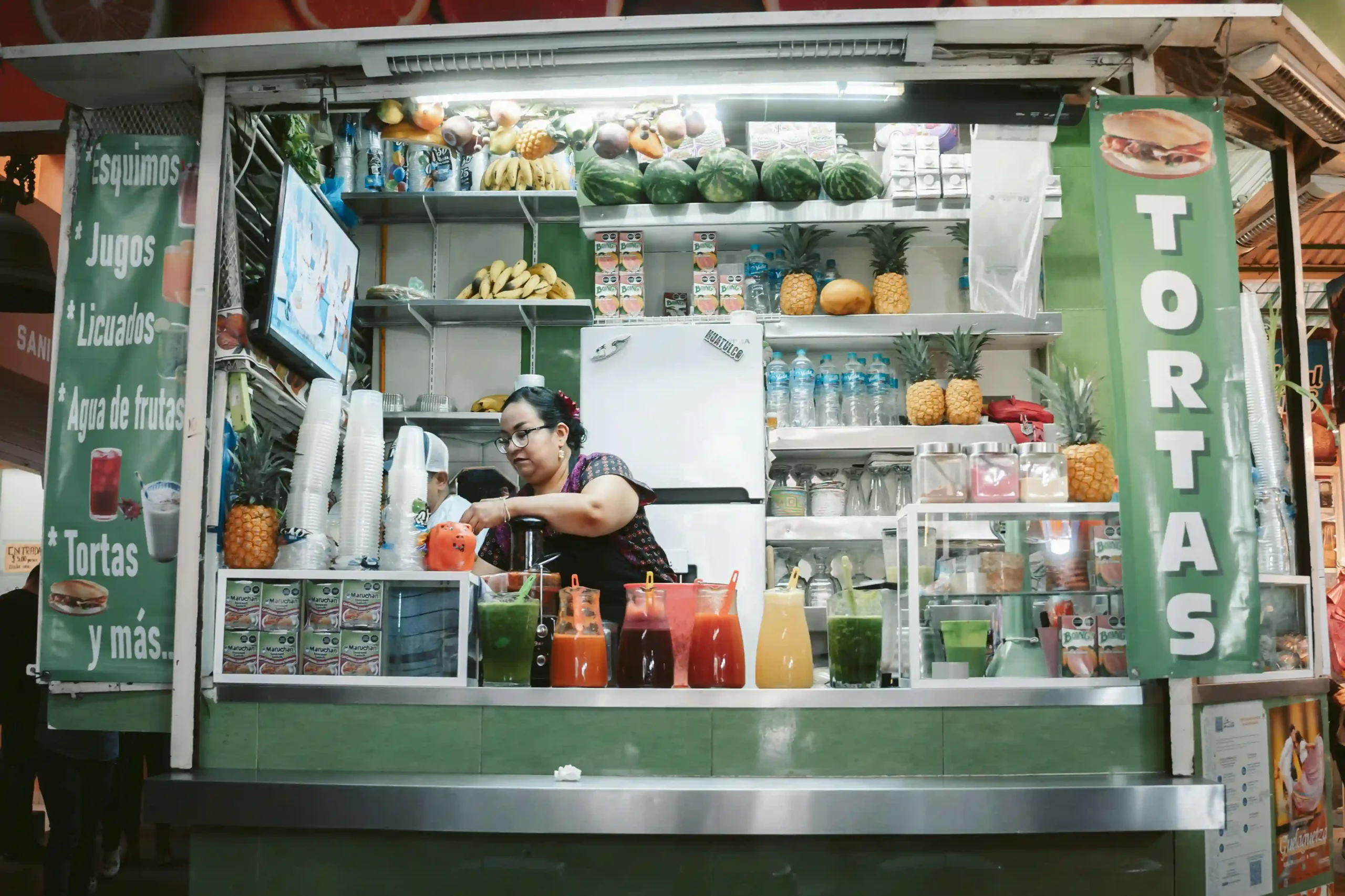
    Markets like Mercado de Coyoacán or Mercado Medellín often have vendors selling homemade flan or tres leches by the slice. You might even find churros being fried fresh right on the sidewalk. Don’t hesitate to grab a quick dessert on the go — it’s part of the experience!

    From refined dining to street-side indulgence, Mexico City’s dessert scene is as rich and varied as its culture. Be sure to sample a little of everything!

     Get ready to explore Mexico City’s vibrant streets through its most unforgettable flavors. With Sherpa Food Tours, you’ll go beyond the usual and dive into a world of authentic dishes, hidden culinary gems, and fiery salsas—guided by locals who know the real food scene.
    Whether you’re after deep spice, beloved classics, or secret street stalls, this custom-made tour matches your cravings and curiosity. It’s more than a tasting—it’s an immersive cultural journey through one of the world’s most exciting kitchens.

    Why Choose This Tour:
    🌮 Custom Experience – Built around your flavor preferences
    🔥 Real Mexican Food – From legendary tacos to tucked-away taquerías
    👨‍👩‍👦 Great for All Travelers – Solo foodies, couples, or families welcome.

    In the vibrant world of Mexican desserts, each treat offers a delightful blend of flavors, textures, and cultural heritage. From the silky custard of flan to the deep-fried delight of churros, and the moist marvel of Tres Leches Cake, these desserts beautifully showcase the diversity and richness of Mexican cuisine. The magic of these desserts lies in their traditional ingredients and methods, such as the use of sweetened condensed milk, evaporated milk, and cinnamon.

    Don’t hesitate to experiment and add your own creative twist, but always honor the roots of these cherished treats. Take the time to explore these recipes, and you’ll soon find yourself immersed in the sweet traditions of Mexico.

    Is It Safe To Eat Street Food In Mexico?

    Yes — with some precautions. Stick to stands that are busy and look clean. If locals are lining up, it’s usually a good sign. Avoid food that’s been sitting out or that doesn’t look freshly made. Most sweet street vendors have years of experience and pride themselves on quality. That said, if you have a sensitive stomach, start slow and stick to cooked items first.

    How Much Should I Expect To Pay For Street Food Or A Meal?

    Prices vary by location, but dessert is generally very affordable. A taco might cost between 15 and 30 pesos (less than $2 USD), while a full meal at a casual sit-down restaurant can range from 100 to 250 pesos ($6–15 USD). Tourist-heavy areas may charge more, but overall, Mexico offers excellent value for food. Keep small bills and coins on hand — many places won’t have change for large denominations.

    Are Prices Negotiable In Mexico?

    In formal settings like restaurants, stores, and supermarkets, prices are fixed. However, in markets (especially open-air ones), you can sometimes bargain — especially for souvenirs, handicrafts, or clothing. Negotiating is part of the culture, but always remain polite. If you’re unsure, ask with a smile: “¿Puedes bajar más el precio?” (Is that your best price?).

    Explore more of our guides to get to know Mexico’s culinary scene!

  • 10 Must-Try Spicy Mexican Dishes for Heat Lovers

    10 Must-Try Spicy Mexican Dishes for Heat Lovers

    For those who crave heat, spicy Mexican food is a true paradise. Known for its bold flavors, Mexican cuisine features an exciting mix of chili peppers, salsas, and spices that transform every dish into a fiery culinary delight.

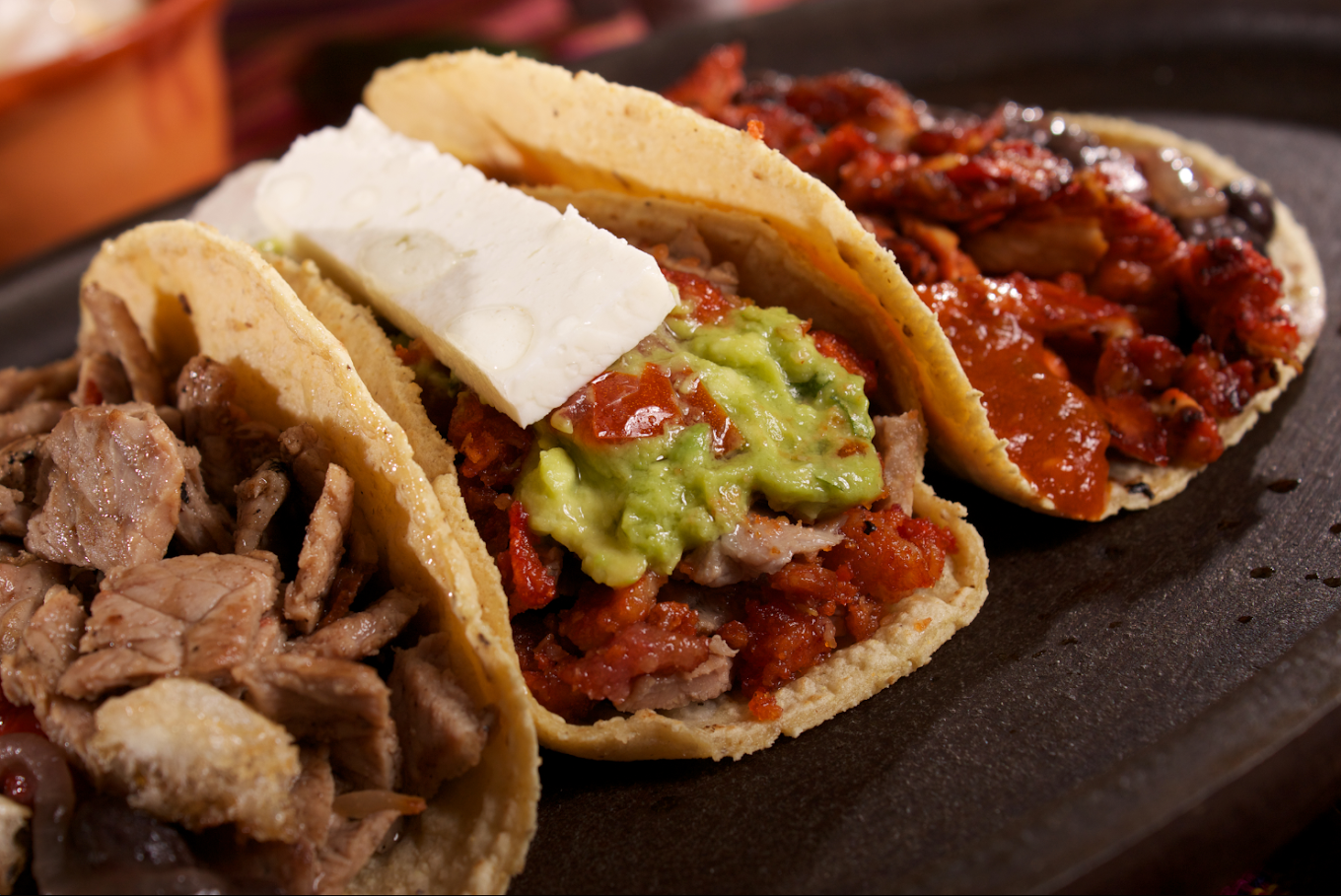
    Whether it’s the mild warmth of guajillo chilies or the intense kick of arbol and puya chilies, Mexican cuisine offers a variety of spicy options to suit every preference. From street food staples like tacos stuffed with spicy chorizo to hearty bowls of chili con carne, the spicy essence of Mexican dishes is unmistakable.

    Smoky chipotle peppers, tangy fresh salsa, and creamy sour cream combine to create meals that are both thrilling and satisfying. For spice enthusiasts, these dishes are more than food—they’re an adventure that excites the taste buds and leaves you longing for more.

    This article will explore must-try spicy Mexican dishes, from fiery appetizers to bold main courses, and even desserts with a surprising spicy twist. Prepare for a flavorful journey that celebrates the best of Mexican cuisine for heat lovers.

    spicy mexican dishes

    When it comes to spicy Mexican food, appetizers set the stage for a flavorful and fiery meal. Below are some must-try fiery appetizers that will ignite your taste buds and leave you craving more.

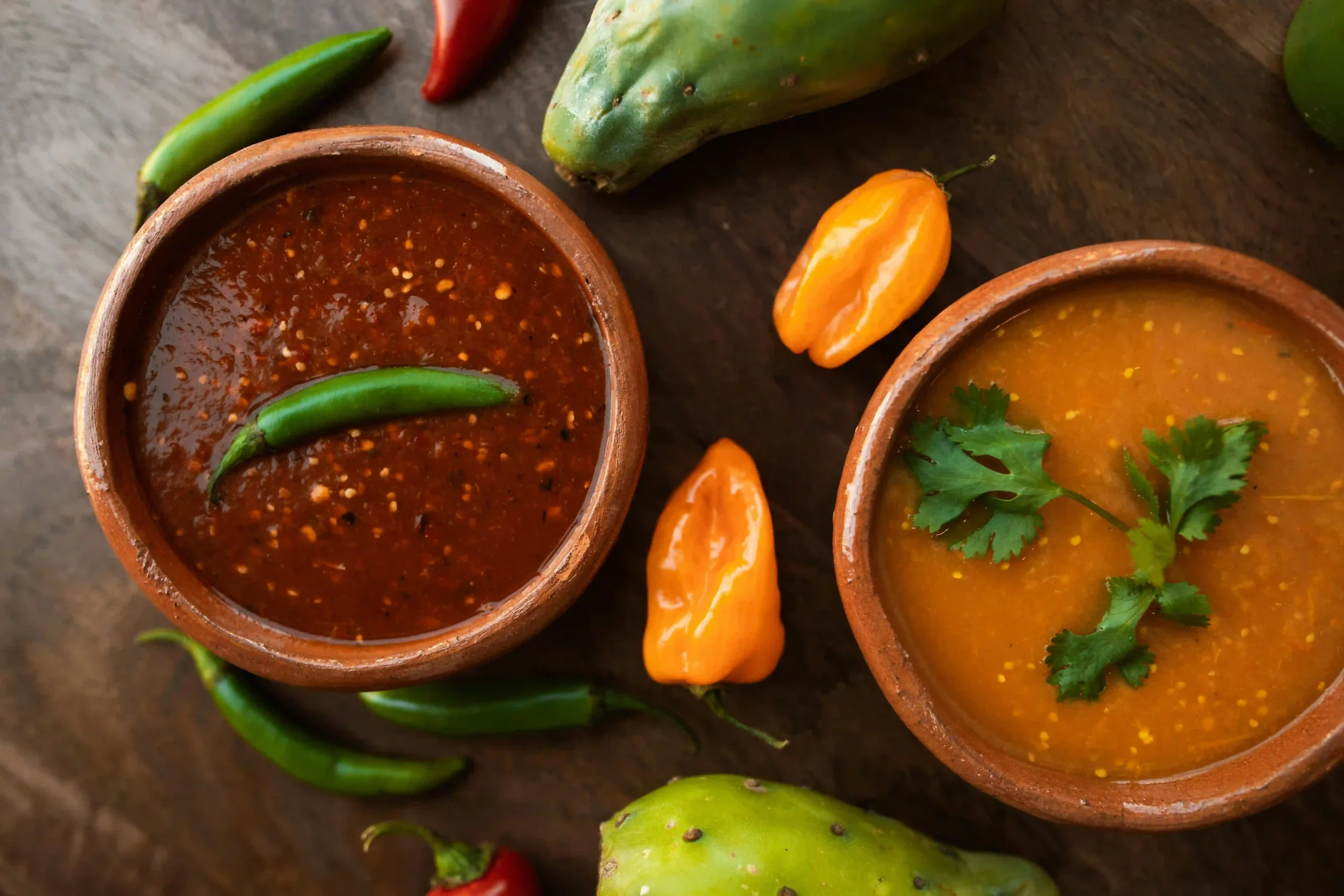
    1. Salsa Roja

    Salsa Roja, or red sauce, is a cornerstone of Mexican cuisine, often serving as the base for many dishes. As an appetizer, it transforms into a bold and flavorful way to kick off your meal.

    Prepared with roasted tomatoes, onions, garlic, and a mix of chili peppers such as arbol or guajillo, Salsa Roja delivers a moderate to hot level of spice. Pair it with crispy tortilla chips or use it as a dip for grilled meats or vegetables to savor the authentic taste of Mexico.

    2. Jalapeño Poppers

    Jalapeño poppers are a beloved spicy appetizer that blends the creamy richness of cheese with the fiery heat of jalapeños. These bite-sized delights involve stuffing jalapeño peppers with a mix of cream cheese, often enhanced with ingredients like garlic, cilantro, or cheddar cheese.

    The peppers are then breaded and fried, creating a crispy shell that perfectly complements the soft, spicy filling. For a healthier alternative, you can bake them instead of frying, preserving the flavor while reducing the oil content.

    3. Ceviche con Chile Habanero

    Ceviche, a dish where raw fish is marinated in citrus juices, reaches new heights of flavor when combined with the fiery punch of chile habanero. Ceviche con Chile Habanero features fresh seafood such as shrimp or fish mixed with lime juice, diced habanero peppers, onions, and cilantro.

    The habanero adds a fiery yet slightly sweet flavor, making this dish both refreshing and spicy. It’s the perfect appetizer for those who enjoy the vibrant, zesty essence of ceviche with an extra layer of heat.

    Mexican cuisine is celebrated for its rich variety of flavorful main courses, many of which feature a spicy twist that enhances the dining experience. Below are some iconic and spicy dishes that represent the essence of Mexican spiciness.

    4. Chiles en Nogada

    Known for its festive presentation and historical importance, Chiles en Nogada offers a subtle yet satisfying flavor profile. This traditional dish from Puebla involves roasting and stuffing poblano peppers with a rich picadillo filling made from ground meat, fruits, and spices.

    The peppers are then topped with a creamy walnut sauce (nogada), garnished with pomegranate seeds and parsley, showcasing the colors of the Mexican flag. While not overly spicy, the combination of flavors and the slight smokiness from the roasted poblanos make it a must-try for anyone who appreciates the complexity of Mexican cuisine.

    5. Birria

    Birria is a hearty and spicy stew that holds a special place in Mexican cuisine, particularly in the regions of Jalisco and Chihuahua. Made with meats such as goat, beef, or pork, this dish features a rich, mildly spicy broth infused with chilies like guajillo, ancho, and chipotle peppers.

    The meat is slow-cooked until tender in the flavorful broth and is typically served with tortillas, onions, cilantro, and a splash of lime juice. For those seeking extra heat, some recipes include additional spicy ingredients like diced jalapeños or serrano peppers.

    6. Tacos al Pastor

    Tacos al Pastor, inspired by Lebanese shawarma, are a vibrant and spicy treat. These tacos feature marinated pork cooked on a vertical spit, similar to a gyro, and seasoned with a blend of spices, chilies, and pineapple.

    The marinade often incorporates chili peppers like guajillo or ancho, along with vinegar and spices, giving the pork a rich, slightly sweet and spicy flavor. Served in soft corn tortillas with onions, cilantro, and a slice of pineapple, Tacos al Pastor are a quintessential street food that embodies the spicy spirit of Mexican cuisine.

    Did you know that there are tacos recognized by the Michelin Guide? We tell you more here!

    7. Enchiladas Placeras

    Enchiladas Placeras, or «market-style enchiladas,» are a spicy and satisfying dish that showcases the versatility of Mexican cooking. These enchiladas are filled with shredded chicken or beef, rolled in corn tortillas, and covered in a spicy tomato-based sauce often made with chipotle or arbol peppers for added heat.

    Topped with melted cheese, sour cream, and a sprinkle of cilantro, Enchiladas Placeras deliver a balanced mix of flavors and textures, perfect for those who enjoy a moderate to hot level of spiciness.

    Mexican cuisine brings its signature spice to the world of desserts and drinks, offering a delightful twist for those who enjoy a touch of heat in their sweet treats. Here are some unique and flavorful options that incorporate a spicy kick.

    8. Mexican Hot Chocolate

    Mexican Hot Chocolate, or «Chocolate Mexicano,» is a rich and flavorful beverage that blends the warmth of chocolate with the heat of chili peppers. This traditional drink is crafted using dark chocolate, milk or water, and a mix of spices such as cinnamon, anise, and a hint of cayenne pepper or chili powder.

    The chili adds a subtle yet noticeable heat to the chocolate, making it an ideal winter treat or a distinctive dessert drink.

    9. Churros with Spicy Chocolate Sauce

    Churros, known for their crispy and sweet fried dough, gain a bold twist when paired with a spicy chocolate sauce. Traditionally, churros are dusted with cinnamon sugar and served with chocolate or dulce de leche for dipping. Adding a spicy element to the chocolate sauce—such as chipotle peppers or a dash of cayenne pepper—creates a delightful contrast between the sweet, crunchy churros and the rich, spicy chocolate.

    10. Mango con Chile

    Mango con Chile is a refreshing dessert that combines the natural sweetness of mango with the vibrant heat of chili peppers. This easy yet flavorful dish involves slicing fresh mango and enhancing it with lime juice, salt, and diced chili peppers like jalapeño or habanero.

    The spicy kick from the chilies complements the sweetness of the mango, delivering a balanced and invigorating treat that’s perfect for warm weather or whenever you crave a burst of flavor.

    Spice isn’t just a flavor in Mexican cuisine—it’s a language. It’s the fiery soul that runs through centuries of tradition, telling stories of indigenous roots, colonial influence, and regional diversity. From smoky chipotle to bright habanero, spice in Mexico City is not about overwhelming heat, but about layering flavor, creating depth, and awakening the senses.

    In every bite, spice brings more than just heat—it carries cultural memory and emotional resonance. Whether it’s a comforting bowl of pozole with a gentle chili warmth or a street taco topped with a salsa that demands your full attention, spice invites you to slow down, feel, and savor. It’s a celebration of contrast and complexity, and a fundamental part of why Mexican food continues to captivate taste buds around the world.

    For many Mexicans, eating spicy food isn’t just a habit—it’s part of daily life, learned from an early age and deeply tied to identity. Chili peppers have been used in Mesoamerican cooking for thousands of years, not only for their flavor but also for their medicinal properties and cultural symbolism. Over generations, spice tolerance becomes almost second nature, with each person developing their own preference and ritual—adding just the right amount of salsa to a taco or reaching for their favorite chile-infused snack. More than a taste preference, it’s a shared experience that connects people to their heritage and to one another.

    If flavor had a heartbeat, it would pulse in Mexico City. With Sherpa Food Tours Mexico City Private Experience, you’re not just tasting food—you’re diving headfirst into a culture that celebrates bold spices, vibrant ingredients, and centuries of culinary tradition. And yes, it might just make you sweat (in the best way).

    From the fiery kick of freshly made salsa to the smoky depth of tacos al pastor straight off the trompo, this private, fully customizable tour invites you to explore the city’s soul through its most unforgettable flavors. Whether you can handle the heat or you’re just curious about it, every stop along the way reveals something delicious, daring, and deeply Mexican.

    Forget cookie-cutter tours. This is your personal journey—designed around your tastes, your pace, and your sense of adventure. Want to try street food that locals swear by? Craving sweet, spicy, and everything in between? Your expert guide will lead you to hidden gems and iconic spots alike, sharing the history, culture, and stories that make each bite meaningful.

    This tour is perfect for: spice-lovers, curious foodies, families, and travelers with dietary needs. Whether you’re chasing the perfect taco or sipping on a cold agua fresca to cool the burn, this is your ticket to the real Mexico City—vibrant, flavorful, and unforgettable.

    Why You’ll Love This Tour:
    🌶 Tailored to You – A private tour built around your cravings and comfort level.
    🌮 Bold, Authentic Flavors – From zesty street snacks to rich, slow-cooked classics.
    👨‍👩‍👧‍👦 Everyone’s Welcome – Great for families, groups, and dietary preferences of all kinds.

    Ready to turn up the heat? Step into the heart of Mexico City and let your taste buds lead the way.

    In the vibrant world of Mexican cuisine, the allure of spicy dishes is undeniable. From the intense heat of habanero peppers to the smoky flavor of chipotle peppers, every dish delivers a unique and flavorful experience. The heart of Mexican spiciness lies in its diverse array of chilies, each bringing its own distinct flavor and heat level to the table.

    Whether you’re indulging in fiery appetizers like Salsa Roja, savoring main courses such as Birria or Enchiladas Placeras, or enjoying desserts with a spicy kick like Mexican Hot Chocolate, every bite is a celebration of bold flavors and rich traditions. Embrace the heat, explore the regional variations, and let the bold flavors of Mexican cuisine ignite your palate, leaving you craving more.

    What Are Some Great Places To Try Spicy Mexican Food In Mexico City?

     If you’re looking to dive into spicy Mexican cuisine, Mexico City has plenty of top-rated spots to try. Start with El Vilsito, a taquería famous for their tacos al pastor with bold, spicy salsas. For more variety, visit La Casa de Toño, where their pozole rojo can be made extra spicy and is beloved by locals and tourists alike. For a more upscale experience, try Pujol, where traditional flavors meet modern techniques—ask for the spicier tasting menu options. Don’t miss Los Cocuyos, a small but legendary taco stand in the historic center, known for intense, flavorful meats and fiery salsas.

    Where Can I Find Spicy Food With A Sweet Twist In Mexico City?

    Craving something spicy and sweet? Check out Churrería El Moro, a historic dessert spot where you can dip cinnamon churros in chili-infused chocolate. For a more adventurous combo, La Docena Oyster Bar & Grill in Roma Norte offers spicy seafood dishes with subtle sweet elements like mango habanero sauces. Another must-visit is Rokai, a Japanese-Mexican fusion restaurant where their chili-glazed eel combines umami, spice, and sweetness in one bite.

    Is Tipping Expected In Mexico City Restaurants, And How Much Should I Leave?

    Yes, tipping is expected and appreciated in Mexico City. The standard tip is 10% to 15% of your total bill, depending on service quality. In more upscale places like Rosetta or Quintonil, it’s common to tip closer to 15% or even 20% for exceptional service. Cash is preferred, even if you pay the bill by card. At casual eateries or street food stalls, tipping is not mandatory but rounding up your bill or leaving a few extra pesos is a kind gesture.

    What Types Of Chilies Are Commonly Used In Mexico City’s Spicy Cuisine?

    Chilies are central to the flavor profile of many dishes in Mexico City. You’ll commonly find:

    • Jalapeños (2,500–8,000 Scoville units), used in tacos and salsas, like those at Taquería Orinoco.
    • Serranos (10,000–23,000 units), a staple in pico de gallo and often found at spots like Contramar.
    • Chile de Árbol (15,000–65,000 units), popular for hot sauces served at El Califa.
    • Habaneros (100,000–350,000 units), used in the fiery Yucatecan cuisine you can try at Coox Hanal, a downtown favorite for authentic dishes from the Yucatán.

    You are going to need something perfectly refreshing to wash down all those spicy salsas. Learn exactly what to order beyond the classic margaritas in our guide to traditional Mexican drinks.

    Planning your foodie itinerary? Make sure to book a table at our top picks for the 10 best restaurants in Mexico City.

  • The Best Traditional Mexican Drinks to Experience Authentic Flavors

    The Best Traditional Mexican Drinks to Experience Authentic Flavors

    When you think of Mexico, vibrant colors, rich culture, and delicious cuisine often come to mind. One of the most authentic ways to immerse yourself in the essence of Mexico is through its beverages. From the iconic margarita, blending bold tequila, fresh lime juice, and agave nectar, to the refreshing agua frescas that cool you on a hot day, traditional Mexican drinks  showcase the country’s diverse and flavorful heritage.

    Whether you’re exploring the lively streets of Mexico City or enjoying a quiet evening at home, these drinks offer a taste of Mexico’s warm hospitality and cherished traditions.

    Mexico’s drink culture is as varied as its regions, with each beverage carrying a unique story. From the smoky richness of mezcal to the sweet, creamy horchata, every sip invites you to discover the flavors and history of this captivating nation.

    In this guide, we’ll explore the best traditional Mexican drinks, featuring both alcoholic and non-alcoholic options. Whether you’re cooling down with agua fresca, savoring spicy hot chocolate, or indulging in a classic cocktail, Mexico has a drink to delight your palate and leave you craving more.

    1- Tequila: Mexico’s Global Ambassador

    Tequila is perhaps the most iconic and widely recognized Mexican spirit, and for good reason. Made from the blue agave plant, primarily in the state of Jalisco, tequila has become a global ambassador for Mexican culture.

    It comes in several varieties, including blanco, reposado, añejo, and extra añejo, each with its own unique characteristics and flavors. Tequila is traditionally sipped neat, often accompanied by sangrita, a spicy tomato-based drink, to balance its bold flavors.

    However, it is also a versatile ingredient in many cocktails, most famously the Margarita, but also in drinks like the Tequila Sunrise and Tequila Sour.

    Whether you prefer the crisp, raw taste of tequila blanco or the smoother, aged flavors of tequila añejo, there is a type of tequila to suit every palate. Its popularity extends beyond Mexico, with tequila being enjoyed in bars and homes around the world. This spirit is not just a drink; it’s a symbol of Mexican hospitality and a way to connect with the country’s rich heritage.

    Where to try Tequila in Mexico City?

    tequila mexican drinks

    2- Mezcal: Smoky and Sublime

    Mezcal, often referred to as tequila’s smoky cousin, is another agave-based spirit that has gained significant global attention. Unlike tequila, which is made exclusively from blue agave, mezcal can be produced from various types of agave.

    The distinctive smoky flavor of mezcal comes from the traditional method of roasting the agave hearts underground, which imparts a rich, complex taste. Mezcal is typically consumed straight, often with orange slices and salt, and is growing in popularity as a craft spirit.

    Mezcal’s smoky profile makes it a favorite among those who appreciate a deeper, more nuanced flavor. It is often enjoyed in small sips, allowing the drinker to fully appreciate its intricate flavors. With its unique taste and cultural significance, mezcal is a must-try for anyone looking to explore the diverse world of Mexican spirits.

    You can try Mezcal in these spots in Mexico City: 

    3- Pulque: The Ancient Drink of the Gods

    Pulque, known as «the drink of the gods» in Aztec culture, is a traditional Mexican beverage that dates back centuries. Made from the fermented sap of the maguey (agave) plant, pulque has a milky, slightly sour taste and a thick consistency.

    It is traditionally served fresh in pulquerías and is experiencing a revival among younger Mexicans and tourists.

    Pulque is more than just a drink; it is a part of Mexico’s historical and cultural fabric. Its production and consumption are steeped in tradition, and it is often enjoyed in social settings where it fosters a sense of community and celebration.

    For those looking to experience a truly authentic and ancient Mexican drink, pulque is an unforgettable choice.

    Where to taste Pulque in Mexico City?

    4- Horchata: A Creamy Delicacy

    Horchata is a cherished non-alcoholic Mexican drink, renowned worldwide for its creamy texture and sweet flavor. While its origins trace back to Valencia, Spain, it has become deeply rooted in Mexican culture. Horchata is typically prepared by soaking rice grains, often combined with almonds or other seeds, followed by blending and straining the mixture.

    The resulting beverage is infused with cinnamon and vanilla, creating a comforting and inviting taste. Perfect for hot days, horchata serves as a refreshing and hydrating alternative to commercial soft drinks.

    It is commonly enjoyed alongside traditional Mexican dishes like tacos, tamales, and street corn, enhancing the overall dining experience with its smooth and slightly sweet profile.

    Where can you try Horchata in Mexico City?

    5- Agua Fresca: Hydrating and Flavorful

    Agua fresca, which means «fresh water,» is a staple in Mexican drink culture, offering a delightful and flavorful way to stay hydrated. These beverages are crafted by infusing water with fresh ingredients such as fruits, vegetables, and flower petals, often with a hint of sugar to balance any bitterness or tartness. Popular varieties include agua de jamaica (hibiscus), agua de sandía (watermelon), agua de pepino (cucumber), and agua de piña (pineapple).

    The versatility of agua fresca lies in its adaptability, allowing almost any ingredient to be infused into water. This makes it a fun and creative option for enjoying a cool drink. You can learn more about Aguas Frescas and where to try them in this article. 

    6- Tepache: Pineapple’s Sweet Ferment

    Tepache is a traditional Mexican drink celebrated for its unique fermentation process and sweet, slightly tangy flavor. Made from the peel and core of pineapples, tepache is fermented in water, resulting in a refreshing and slightly effervescent beverage.

    The fermentation process imparts tepache with a rich texture and a diverse flavor profile that is both sweet and slightly sour. Often served over ice or enhanced with ingredients like cinnamon or ginger, tepache is a popular choice for those seeking a drink that is refreshing and full of natural flavors. Its traditional preparation and distinct taste make it a beloved beverage in many regions of Mexico.

    Where to buy Tepache in Mexico City?

    7- Champurrado: A Chocolatey Comfort

    Champurrado is a rich and comforting Mexican drink that is perfect for festive occasions, especially during the winter and holiday seasons. This thick, chocolatey beverage is a variation of the traditional atole, made with Mexican chocolate, milk, piloncillo (raw cane sugar), cinnamon, and masa harina (corn flour).

    The combination of these ingredients creates a velvety, smooth texture and a deep, chocolatey flavor that is both warming and indulgent. To prepare champurrado, the piloncillo and cinnamon are first dissolved in water, then Mexican chocolate tablets are added and melted, followed by the mixture of masa harina and water, which thickens the drink. The result is a deliciously thick and creamy drink that can be enjoyed on its own or paired with traditional Mexican treats like tamales, buñuelos, or sweet bread.

    The preparation of champurrado can be customized to suit different tastes. For example, you can add a pinch of salt to enhance the flavors, use dairy-free milk for a vegan version, or add spices like cloves or star anise for extra depth.

    This drink is a staple during Mexican holidays and gatherings, providing a cozy and comforting beverage that brings people together.

    Where To Try Champurrado? 

    8- Margarita: The Party Starter

    The Margarita is one of Mexico’s most iconic and beloved cocktails, making it a perfect choice for any celebration. This classic drink is a simple yet elegant blend of tequila, fresh lime juice, and a touch of agave nectar or simple syrup, served in a salt-rimmed glass. The Margarita’s popularity stems from its balanced flavors, with the tequila providing a bold base, the lime juice adding a tangy freshness, and the agave nectar or simple syrup contributing a hint of sweetness.

    Whether you’re hosting a party or just want to add a festive touch to your evening, the Margarita is an excellent choice. Its versatility also allows for various twists, such as using different types of tequila or adding flavors like jalapeño or blood orange to create unique variations.

    The Margarita is more than just a drink; it’s an experience. The ritual of preparing it, from rimming the glass with salt to carefully mixing the ingredients, adds to its appeal. It’s a drink that brings people together, whether it’s at a casual gathering or a more formal event.

    Where To Try a Margarita Cocktail?

    9- Ponche: The Holiday Favorite

    Ponche is a traditional Mexican punch that is a staple during holidays and special celebrations. This festive drink is made with a variety of fruits, spices, and sometimes even liquor, creating a warm and inviting beverage.

    The ingredients can vary widely, but common components include guavas, oranges, apples, and tejocotes (a type of Mexican hawthorn fruit), along with spices like cinnamon and cloves. The fruits are simmered in water to extract their flavors and juices, then mixed with sugar and sometimes a splash of rum or brandy to give it an adult twist.

    Ponche is often served hot, making it a perfect drink for cold winter nights and holiday gatherings.

    Ponche is a symbol of Mexican hospitality and community. It is often served at family gatherings, posadas, and other festive events, bringing people together with its warm and comforting flavors. The preparation of ponche is also a communal activity, with everyone contributing to the selection and preparation of the fruits and spices, making it a truly special and festive beverage.

    Looking to experience Mexico through its most iconic beverages? The Mexico City Private Experience by Sherpa Food Tours offers a one-of-a-kind opportunity to explore the country’s rich drink culture—beyond the usual tourist spots. From time-honored spirits to refreshing non-alcoholic favorites, this private tour invites you to discover the full spectrum of Mexico’s traditional beverages at your own rhythm.

    Unlike standard group tours, this personalized experience gives you the freedom to explore local markets, street vendors, and hidden gems that serve everything from smoky mezcal and bold tequila to creamy horchata and tangy tamarindo. Each stop is a new chance to sip, learn, and connect with Mexico’s deep-rooted traditions.

    With the guidance of an expert host, you’ll uncover the cultural stories behind each drink, gaining insight into how these beverages have shaped—and continue to shape—Mexico’s identity. Whether you’re a spirit enthusiast, a curious foodie, or a traveler with a thirst for authentic experiences, this tour promises a flavorful deep dive into the soul of Mexican refreshment.

    Why Opt for This Tour?
    ✅ Fully Customizable & Private – A beverage-focused experience shaped around your interests.
    ✅ Traditional Mexican Drinks – Taste a variety of beloved beverages, both spirited and alcohol-free.
    ✅ Suitable for All – Perfect for culture seekers, families, and anyone eager to discover Mexico’s drink traditions.

    In the vibrant world of traditional Mexican drinks, there is truly something for everyone. From the bold and smoky flavors of mezcal and tequila to the refreshing and fruity aguas frescas, each beverage offers a unique glimpse into Mexico’s rich cultural heritage. Whether you’re warming up with a comforting champurrado, celebrating with a festive margarita, or simply quenching your thirst with a cool agua fresca, these drinks transcend mere refreshment – they are immersive experiences that connect you to the heart and soul of Mexico.

    So, the next time you’re seeking something new to savor, explore the world of traditional Mexican drinks. Discover the flavors, traditions, and stories that make each one truly special. ¡Salud!

    Is Tipping Customary in Mexico City?

    Yes, tipping is a common and appreciated practice in Mexico City. In restaurants, it’s customary to leave between 10% to 15% of the total bill as a tip for good service. Some higher-end establishments may include a service charge, but it’s always good to double-check. For smaller services—like taxis, hotel staff, or street musicians—a few extra pesos are also a thoughtful gesture. While tipping isn’t mandatory, it’s a way to show gratitude and is often expected in hospitality settings.

    How Spicy Is the Food in Mexico City?

    Mexican cuisine is known for its bold flavors, and yes—spice is a big part of that. However, not all dishes are extremely spicy. Many traditional foods are seasoned with chiles, but the heat level can vary depending on the type of chile and how it’s prepared. In most places, salsas are served on the side, allowing you to control the spice level to your taste. If you’re sensitive to spicy food, simply ask your server for recommendations or let them know you prefer mild options—locals are usually happy to help.

    What Are People in Mexico City Like?

    Locals in Mexico City, often referred to as chilangos, are generally warm, welcoming, and proud of their culture. Visitors often comment on the friendliness and hospitality they experience—from helpful directions to spontaneous conversations. Many people are eager to share their favorite food spots or cultural tips. While Spanish is the main language, you’ll find that many people in the tourism industry speak some English, and even basic efforts to speak Spanish are often met with smiles and appreciation.

    Click here to explore more of our travel guides!

  • Best Mexican Aguas Frescas to Try for a Refreshing Experience

    Best Mexican Aguas Frescas to Try for a Refreshing Experience

    When the sun blazes on a hot summer day, nothing refreshes quite like a glass of cool, fruity goodness. For a taste of tradition, Mexican fruit juices, especially aguas frescas, are the ultimate choice. These iconic drinks are a cornerstone of Mexican culture, offering a variety of flavors to suit every palate. From the sweet tang of watermelon to the zesty kick of lime, aguas frescas blend fresh fruit, water, and a touch of sugar to create a revitalizing experience.

    In Mexico, aguas frescas are enjoyed daily and at special events. Made by blending fresh fruits with water, lime juice, and sweetener, they deliver a refreshing and healthy option. Whether sipping a watermelon agua fresca at a market or enjoying homemade pineapple agua fresca in your backyard, they are perfect for beating the heat. This travel guide explores traditional recipes, favorite fruits, and creative twists to help you craft your own authentic Mexican fruit juices at home.

    aguas frescas mexican drinks

    Mexican aguas frescas are more than just fruit-infused drinks; they also include a variety of traditional flavors that are deeply rooted in Mexican culture. Here, we’ll explore some of the most iconic and beloved non-fruit aguas frescas that are a staple in many Mexican households.

    1 – Horchata

    Horchata is one of the most recognizable and beloved aguas frescas in Mexico. Unlike the fruit-based versions, horchata is made from grains, specifically rice, cinnamon, and vanilla. The process involves soaking rice in water, blending it with cinnamon and vanilla, and then straining the mixture to create a smooth, milky drink. Horchata is often served at family gatherings, festivals, and traditional Mexican meals. Its creamy texture and sweet, slightly spicy flavor make it a perfect complement to spicy foods and a refreshing drink on its own.

    2 – Tamarindo

    Tamarind agua fresca, or Agua de Tamarindo, is another popular variant that showcases the versatility of these traditional drinks. Tamarind is a sour and slightly sweet fruit, but when used to make agua fresca, it is often combined with sugar to balance out its tartness. The tamarind pods are soaked in water, and then the mixture is blended and strained to remove the seeds and pulp. This drink is known for its unique flavor profile, which is both tangy and refreshing. It is a favorite among many Mexicans and is often served at markets and family gatherings.

    3 – Hibiscus (Jamaica)

    Agua de Jamaica, also known as hibiscus tea, is a vibrant and flavorful agua fresca made from the flowers of the hibiscus sabdariffa plant. The flowers are steeped in hot water, then cooled and mixed with sugar and cold water to create a refreshing drink. This agua fresca is known for its deep red color and its slightly tart, cranberry-like flavor. It is not only delicious but also packed with vitamins and minerals, making it a healthy and popular choice. Agua de Jamaica is commonly served at Mexican gatherings and is a staple at many traditional celebrations.

    These traditional aguas frescas offer a glimpse into the rich culinary heritage of Mexico, showcasing the diversity and creativity that goes into creating these refreshing drinks.

    When it comes to creating the perfect aguas frescas, the choice of fruit can make all the difference. Here are some favorite fruits that add a tropical twist to these traditional Mexican drinks.

    4 – Mango Agua Fresca

    Mango agua fresca is a staple of Mexican summer refreshments. This drink is made by blending ripe mangos with water and a touch of sweetener, such as pure cane sugar, agave, or honey. The process is straightforward: peel and chop the mangos, blend them with water and the chosen sweetener, and then strain the mixture through a fine mesh strainer to remove any pulp. This drink is not only delicious but also packed with vitamins A and C, fiber, and potassium, making it a healthy and refreshing choice for hot days.

    5 – Pineapple and Cucumber Agua Fresca

    For a refreshing and unique flavor, combining pineapple and cucumber is a great option. This agua fresca is perfect for those who love a bit of sweetness balanced with the coolness of cucumber. To make it, blend fresh pineapple chunks and cucumber slices with water and a squeeze of lime juice. You can also add a sweetener like sugar or agave to taste. The cucumber adds a light and refreshing touch, while the pineapple provides a tropical sweetness. This drink is ideal for hydrating on a hot summer day and can be garnished with fresh mint or a slice of pineapple for added flair.

    6 – Watermelon Agua Fresca

    Watermelon agua fresca is another popular and refreshing choice, especially during the summer months. This drink is made by blending watermelon chunks with water and a touch of lime juice. The sweetness of the watermelon typically eliminates the need for additional sweeteners, but you can add a bit of sugar if desired. To prepare, blend the watermelon in a high-powered blender, such as a Vitamix, until smooth. Then, strain the mixture through a fine mesh strainer to remove any pulp and seeds. Serve the agua fresca over ice and garnish with a sprig of fresh mint or a slice of watermelon for a refreshing and visually appealing drink. These fruits offer a delightful tropical twist to the traditional aguas frescas, making them perfect for any occasion where a refreshing and flavorful drink is needed.

    While traditional aguas frescas are beloved for their simplicity and flavor, modern twists can add an exciting layer of creativity to these classic drinks. Here are some innovative variations that blend traditional ingredients with new flavors and ingredients.

    7 – Coconut and Lime Agua Fresca

    For a creamy and refreshing spin, consider making a Coconut and Lime Agua Fresca. This drink combines the traditional lime juice and sugar with the richness of coconut. To make it, blend fresh coconut water, coconut milk, freshly squeezed lime juice, and a touch of sugar in a high-powered blender. Strain the mixture through a fine mesh strainer to remove any coconut pulp. This agua fresca is perfect for those who love the tropical flavor of coconut and the zing of lime. You can garnish it with a sprinkle of shredded coconut and a slice of lime for added visual appeal.

    8 – Chia and Lemon Juice

    Another modern take is the Chia and Lemon Juice Agua Fresca, which incorporates the health benefits of chia seeds. This drink is similar to the traditional Agua de Limón con Chía but uses lemon juice instead of lime. Mix chia seeds with water, freshly squeezed lemon juice, and a bit of sugar. Let the mixture sit for at least 30 minutes to allow the chia seeds to absorb the liquid and plump up. This drink is not only refreshing but also packed with fiber and omega-3 fatty acids from the chia seeds. Serve it chilled and garnished with a sprig of fresh mint or a slice of lemon.

    9 – Spicy Pineapple Agua Fresca

    For those who enjoy a bit of spice, the Spicy Pineapple Agua Fresca is a great option. This drink combines the sweetness of pineapple with the heat of jalapeño or other spicy peppers. Blend fresh pineapple chunks, water, a squeeze of lime juice, and a slice or two of jalapeño pepper in a blender. Strain the mixture to remove any pulp or seeds. This spicy twist adds a unique flavor dimension that pairs well with Mexican cuisine, especially dishes like tacos or grilled meats. You can adjust the level of spiciness to your taste by adding more or fewer slices of jalapeño.

    These modern takes on traditional aguas frescas offer a fresh and exciting way to enjoy these beloved Mexican drinks, allowing you to experiment with new flavors and ingredients while still honoring the traditional roots of these refreshing beverages.

    Do you want to try aguas frescas in an innovative way? Then the Mexico City Private Experience by Sherpa Food Tours presents a fully customizable adventure, ensuring each participant enjoys a distinctive and personalized gastronomic exploration.​

    In contrast to conventional group tours, this private excursion empowers you to navigate the city’s vibrant food landscape at your leisure. Buy your aguas frescas drink to accompany Mexican delights such as tacos al pastor, tamales, and churros, or venture into lesser-known locales to uncover culinary treasures beloved by locals. 

    Throughout the journey, an expert guide will enrich your experience with engaging narratives and insights into the cultural significance of each dish, illuminating the essence of Mexico City’s culinary heritage.​

    Tailored for gastronomes, families, and travelers with specific dietary considerations, this exclusive tour promises an unforgettable and immersive experience. Whether your goal is to savor authentic flavors, delve into captivating food stories, or enjoy a relaxed, private exploration, the Mexico City Private Experience offers the ideal pathway to experience the city’s culinary soul—one delectable bite at a time.​

    Why Opt for This Tour?

    Fully Customizable & Private – A food tour designed specifically to align with your preferences.​ 

    Authentic Mexican Cuisine – Indulge in Mexico City’s iconic dishes and discover hidden culinary gems.​ 

    Suitable for All – Perfect for food enthusiasts, families, and individuals with dietary requirements.

    In a few final words, Mexican fruit juices, particularly aguas frescas, offer a refreshing and flavorful way to enjoy the rich culinary heritage of Mexico. From traditional flavors like horchata, tamarindo, and hibiscus to modern twists such as coconut and lime or spicy pineapple, there is an agua fresca for every taste.

    These drinks are simple to make, versatile, and packed with health benefits, making them perfect for hot summer days. Whether you’re exploring traditional recipes or experimenting with new flavors, aguas frescas are a delightful way to stay hydrated and experience the authentic taste of Mexico.

    So, go ahead and try making your own agua fresca at home – you won’t be disappointed!

    What is the difference between agua fresca and traditional fruit juice?

    Agua fresca differs from traditional fruit juice because it is made by blending fresh ingredients—such as fruits, seeds, grains, or flowers—with water and a sweetener. This results in a lighter, more diluted drink. In contrast, fruit juice is often more concentrated and may not include added water or sweeteners.

    Can I use any type of fruit to make agua fresca, or are there specific fruits that work best?

    Not all fruits are suitable for making agua fresca. The best fruits to use are naturally sweet and refreshing, such as watermelon, honeydew, pineapple, cantaloupe, strawberries, and cucumber.

    Fruits like blueberries and blackberries are less ideal because of their seeds and pulp.

    Where can I try agua fresca in Mexico City?

    You can try it at the following locations:

    Are there any non-fruit ingredients that can be used to make unique flavors of agua fresca?

    Yes, non-fruit ingredients can be used to create unique flavors of agua fresca. Examples include chia seeds, dried hibiscus flowers, rice (commonly used in horchata), tamarind, vanilla, alfalfa, and grains like nuts, pumpkin seeds, and barley.

    Want to discover more in Mexico City? Explore more of our travel guides

  • The 5 Best Taquerías in Mexico City

    The 5 Best Taquerías in Mexico City

    Are you a taco lover? Then CDMX, is your ultimate culinary destination. This lively metropolis boasts some of the world’s best taquerías in Mexico City and some even say of the world. Each offering its own distinct flavors. From traditional tacos al pastor, inspired by Lebanese shawarma cooking techniques, to creative modern twists, these taquerías reflect the city’s deep culinary roots.

    As you wander through Mexico City’s historic center, the trendy Roma neighborhood, or the bustling streets of Cuauhtémoc, you’ll discover taquerías serving irresistible tacos that will keep you coming back for more. In this guide, we’ll highlight the top 5 taquerías in Mexico City. From tender, slow-cooked barbacoa to the iconic tacos al pastor, prepare to explore why CDMX is the heart and soul of Mexican street food.

    1 – El Vilsito

    El Vilsito stands out as a pioneer in Mexico City’s taco scene, not just for its delicious tacos al pastor, but also for its unique and captivating atmosphere. Located in the Narvarte neighborhood, this taqueria transforms from a bustling auto repair shop by day into a vibrant taco haven by night.

    The gringa de pastor, a specialty dish that combines the best of tacos and quesadillas, is a must-try, and the avocado salsa adds an extra layer of flavor that sets El Vilsito apart. The efficient and friendly service, despite the fast-paced environment, ensures that every visit is memorable and satisfying.

    Featured in Netflix’s “Taco Chronicles” and recommended by the Michelin Guide, El Vilsito is a testament to innovation and tradition in Mexican cuisine.

    • Address: Petén 248 y, Av. Universidad, Narvarte Poniente, Ciudad de México

    2 – Tacos Charly

    Tacos Charly, located in the southern part of Mexico City in Tlalpan, is another pioneering force in the city’s street food scene. This humble taco stand has earned a Michelin Bib Gourmand award for its exceptional value and quality, particularly for its renowned tacos de suadero.

    The suadero, confited and then simmered in water, results in a juicier and more flavorful taco that has captured the hearts of both locals and visitors. Tacos Charly also excels in its tacos al pastor, prepared at a dedicated station with a trompo, ensuring tender and flavorful meat. The authentic and lively vibe, along with the high-quality ingredients and traditional recipes, make Tacos Charly a hidden gem that is well worth the visit.

    • Address: Av. San Fernando 201, Toriello Guerra, Tlalpan, Ciudad de México

    3 – El Jarocho

    Nestled in the vibrant neighborhood of Roma Norte, Taquería El Jarocho is a hidden gem that has been a staple in Mexico City for over 70 years. This family-run taqueria, which began as a tortillería in 1944, is renowned for its guisado-style tacos. The guisados, slow-cooked meats and vegetables, are a highlight, with options like pollo en mole verde, pollo en mole rojo, and the exceptional lengua a la veracruzana, which features tender beef tongue in a rich tomato sauce.

    The handmade tortillas, made fresh in-house, add an extra layer of authenticity to each taco. El Jarocho’s campechano taco, with its combination of chopped steak and crispy chicharrón prensado, is another must-try. This taqueria’s enduring popularity is a testament to its commitment to traditional recipes and high-quality ingredients.

    Address: Tapachula 94, Roma Norte, Ciudad de México

    el jarocho taquerias in mexico city

    4 – El Venadito

    Located in the scenic barrio of Coyoacán, El Venadito is a daytime-only carnitas specialist that has been delighting locals and visitors alike since 1950. This humble taqueria stands out for its exceptional carnitas, particularly the «chiquita» cut, a twice-cooked bacon-like piece that adds a savory depth to the tacos.

    The surtido option, which includes a mix of white meat, dark meat, skin, and crunchy chicharrón bits, is highly recommended. The simple yet flavorful salsas, such as the fresh salsa verde, complement the carnitas perfectly. The intimate setting, where you can watch the taquero Tomás prepare your meal through a small window, adds to the charm of this hidden gem. El Venadito is a place where tradition meets quality, making it a must-visit for any taco enthusiast.

    • Address: Av. Universidad 1701, Agrícola, Chimalistac, Álvaro Obregón, Ciudad de México

    5 – El Califa de León

    In the heart of Mexico City, Taquería El Califa de León shines as a symbol of innovation while staying firmly rooted in traditional cooking methods. This modest taqueria has earned global recognition as the first and only taco stand in the world to receive a Michelin star. It offers a contemporary take on classic Mexican cuisine, with a focus on simplicity and the exceptional quality of its ingredients.

    Each taco is a testament to minimalist cooking, featuring thinly sliced beef filet, bistec, chuleta, and costilla, all prepared to order and seasoned with just salt and a squeeze of lime. The Gaonera taco, named after the famous bullfighter Rodolfo Gaona who once frequented the establishment, stands out as a signature dish. This taco highlights a tender cut from the rib area, perfectly cooked and served on handmade corn tortillas.

    The taqueria’s house-made salsas elevate the experience further. The salsa verde, crafted with chopped onion, green tomatoes, cilantro, and serrano chili, and the salsa rojo, made from dried guajillo and pasilla chilis, provide layers of flavor that complement the meat beautifully. Despite its Michelin star status, El Califa de León remains true to its street food origins, offering world-class tacos at accessible prices for both locals and tourists.

    This seamless fusion of traditional techniques and a modern emphasis on quality and simplicity makes El Califa de León an essential destination for anyone eager to experience the finest of Mexico City’s contemporary taco scene.

    • Address: Av. Ribera de San Cosme 56, San Rafael, Cuauhtémoc, Ciudad de México

    Exploring Mexico City’s vibrant food scene is an incredible way to immerse yourself in its rich history, traditions, and flavors. The Mexico City Private Experience by Sherpa Food Tours offers a fully customizable journey, ensuring each guest enjoys a unique and tailored gastronomic adventure.

    Unlike standard group tours, this private experience allows you to discover the city’s diverse culinary culture at your own pace. Savor authentic Mexican dishes like tacos al pastor, tamales, and churros, or venture off the beaten path to uncover hidden food gems loved by locals. Throughout the tour, a knowledgeable guide will share fascinating stories and explain the cultural significance of each dish, bringing Mexico City’s food heritage to life.

    Designed for food lovers, families, and travelers with dietary preferences, this exclusive tour promises a memorable and immersive experience. Whether you’re looking for authentic flavors, engaging food stories, or a relaxed private exploration, the Mexico City Private Experience is the perfect way to taste the essence of the city—one delicious bite at a time.

    Why Choose This Tour?

    Personalized & Private – A tailor-made food tour crafted just for you.
    Authentic Mexican Cuisine – Taste Mexico City’s must-try dishes and discover hidden gems.
    Great for Everyone – Perfect for food enthusiasts, families, and those with dietary needs.

    Embark on this extraordinary culinary journey and experience Mexico City like never before!

    Mexico City’s taquerías offer a culinary adventure that celebrates tradition while embracing innovation. From the Michelin-starred Taquería El Califa de León, known for its pure and elemental flavors, to hidden gems like El Jarocho and El Venadito, every taquería delivers a unique and delectable experience.

    Be sure to explore the pioneers of flavor, such as El Vilsito and Tacos Charly, and savor the contemporary twists at places like El Califa de León. Whether you’re wandering through the historic center, Roma, or other neighborhoods, Mexico City’s taquerías are ready to captivate your taste buds with every bite.

    Plan your visit wisely and prepare to immerse yourself in the rich culinary heritage of this vibrant city.

    What are taco tortillas made of?

    Taco tortillas are typically made of corn, whether white, yellow, or purple. Their excellent flavor, flexibility, and size make them the perfect choice for preparing tacos.

    What is the most authentic street food in Mexico City?

    Some of the most authentic street foods in Mexico City include tacos al pastor, tacos de canasta, and chilaquiles. Tacos al pastor, influenced by Lebanese culinary traditions, are a staple. Tacos de canasta (basket tacos) and chilaquiles, such as those found at popular spots like Tacos Joven and La Esquina del Chilaquil, showcase the city’s rich and diverse culinary heritage.

    What is the most popular taco flavour in Mexico City?

    The tacos al pastor are the most popular tacos in Mexico City. These feature marinated pork cooked on a rotating spit, seasoned with a red chili and spice sauce, and typically served with a slice of pineapple for a perfect balance of flavors.

    What city has the best Mexican food in Mexico?

    Mexico City is widely considered the top destination for Mexican food in the country. It offers an incredible variety of culinary experiences, ranging from flavorful street food to world-class fine dining, blending ancient traditions with modern gastronomic innovations.

    Explore more of our travel guides and plan your trip to Mexico city!