Blog

  • What is asado in Argentina?

    What is asado in Argentina?

    Everything you need to know about Argentina’s most iconic tradition and national dish. Social gathering, assorted grilled meats, and an all-day affair: asado is all that and more, as we will explain in this article.

    What is asado?

    Asado is both a cooking technique and a social event akin to a barbecue. In Argentina, asado is one of the most important national traditions.

    Asado as a barbecue

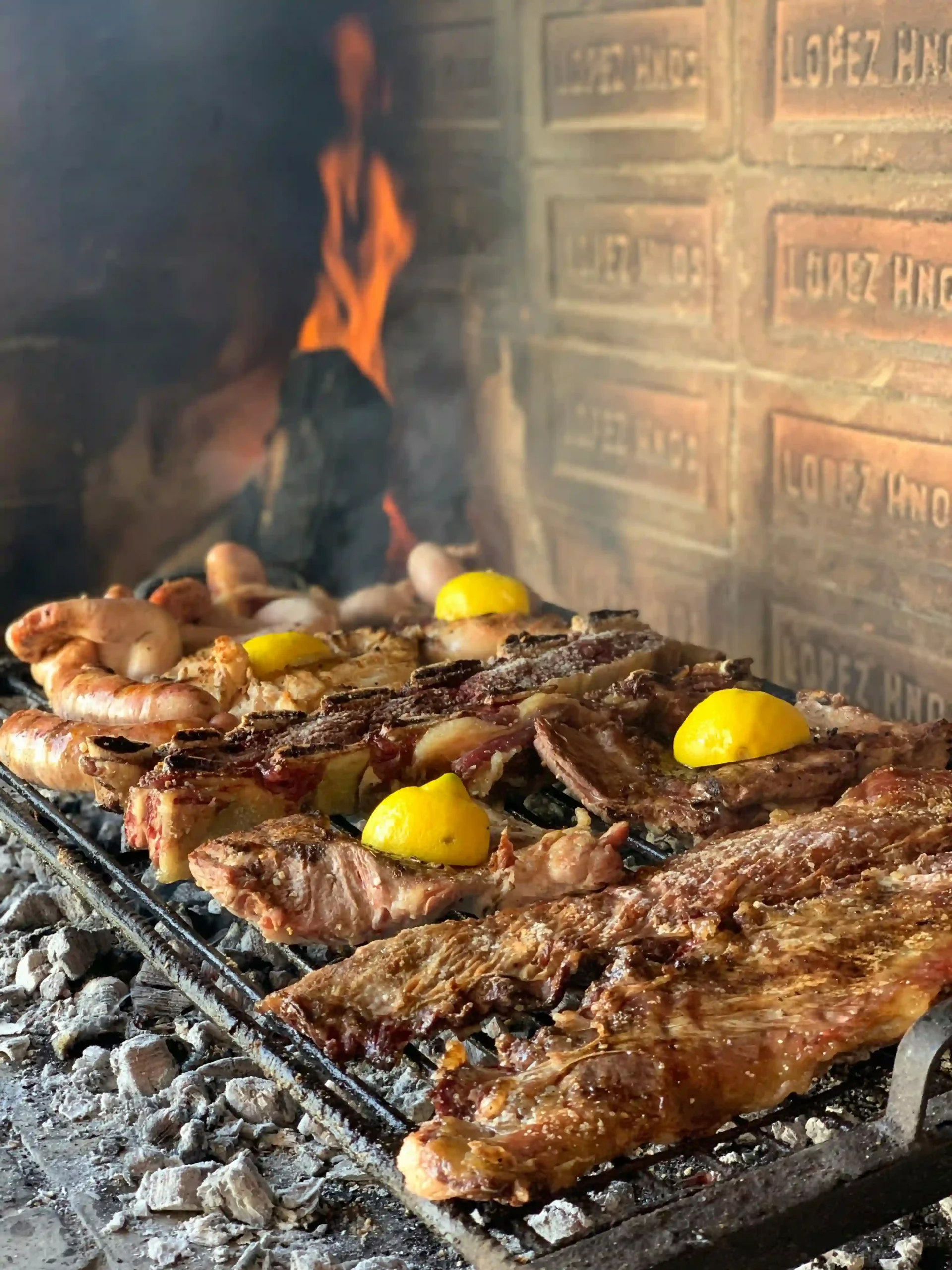
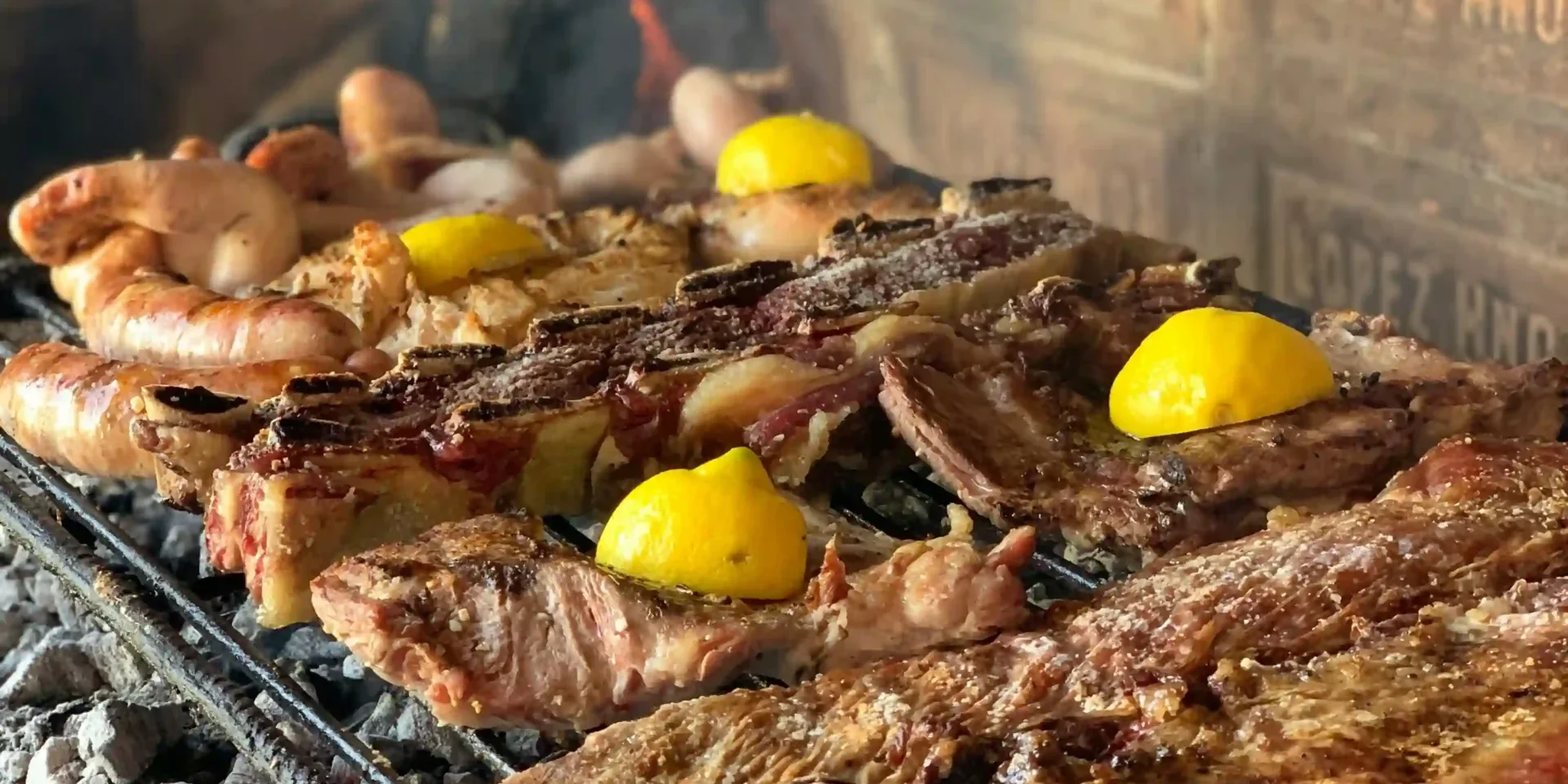
    As a barbecue, asado consists of a variety of grilled meats, primarily beef, although pork and chicken are also used. In addition to the meats, several “embutidos” (sausages) and “achuras” (offal) are served, as well as side dishes, grilled vegetables, and sometimes grilled provoleta cheese.

    Asado beef cuts

    Let’s go over some of the most popular asado meats. There are a lot of options and regional variety. In the city of Buenos Aires and its parrillas, the typical cuts are:

    • Tira de asado (Argentine short rib): the go-to asado meat cut. It has more bone and fat than other cuts but is very flavourful.
    • Vacío (flank steak): an affordable and juicy cut with a thin layer of fat on the sides. It’s quite thin.
    • Entraña (skirt steak): thinner than vacío, with a white layer of fat that gets very crispy once cooked.
    • Lomo (tenderloin): a lean cut with a hefty price tag, usually reserved for fine dining (like high-end parrillas) but seen at asados on special occasions.

    Other popular cuts are tapa de asado (rib cap) and bife de chorizo (sirloin).

    Matambre de cerdo (pork rose meat) and bondiola (pork tenderloin), when used, are prepared with lemon juice and then cooked on the grill as well.

    Asado sausages

    • Chorizo (sausage): everyone’s favorite sausage, chorizo is a traditional pork sausage typically eaten as is or in a “choripán”, that is, a chorizo sandwich. You may add chimichurri for an extra something.
    • Morcilla (blood sausage): not as vital as chorizo, but an asado staple nonetheless. It tastes better served hot, but leftover cold morcilla can be served as picada (we’ll explain the picada later).
    • Salchicha parrillera (thin sausage): If you are not up for a chorizo but still want a sausage, this is the one for you.

    Asado offal (achuras)

    The achuras are always a gamble. When properly prepared, they can be fantastic. If not, well, you can always put them aside.

    • Chinchulines: chitterlings.
    • Mollejas: sweetbreads.
    • Lengua: tongue.
    asado in argentina

    Asado side dishes

    An asado is all about the meats, so the side dishes are usually there to “enhance” the experience.

    • Green salad: simple, easy to whip up, no-nonsense salad featuring tomatoes and lettuce. You can also add carrots and onions.
    • Potato salad: boiled potatoes, boiled eggs, a whole lotta mayonnaise.
    • Vegetales a las brasas (grilled veggies): bell peppers, potatoes, onions, and corn. Wrap these bad boys on foil paper and put them on the grill.
    • Provoleta cheese: a local variation of Provolone cheese, ideal for grilling. Season it with chimichurri or spices and olive oil before cooking.

    Asado sauces

    Argentines don’t season their cuts besides adding salt, but they enjoy adding sauces once the cut has been served. Popular options are chimichurri and salsa criolla, both Argentine in origin.

    What is chimichurri?

    Chimichurri is a sauce made with finely chopped parsley, oregano, garlic, oil, and some vinegar or lemon juice. Chimichurri tastes better when fresh herbs are used. You can spice the sauce up by adding red pepper flakes (ají molido).

    What is salsa criolla?

    Salsa criolla is another uncooked sauce made with thinly sliced onions, bell peppers (red or green), and tomatoes. Olive oil, vinegar, and salt and pepper are also used to add flavor.

    Asado as a social gathering

    An asado is an all-day affair; the designated asador (the person in charge of the grill) starts the fire very early on, just as guests are arriving. While the asador is at work, the others help set the table and prepare the side dishes. When everything is in place, the picada is served.

    What is a picada?

    A picada is an appetizer, usually served on a tray and consisting of a variety of cheeses, cold cuts, bread slices, olives, and other snacks. The verb “picar” means to snack.

    Many ingredients can go into a picada, but salamín (salami), pategrás cheese, and olives are common picada choices, typically served with slices of bread.

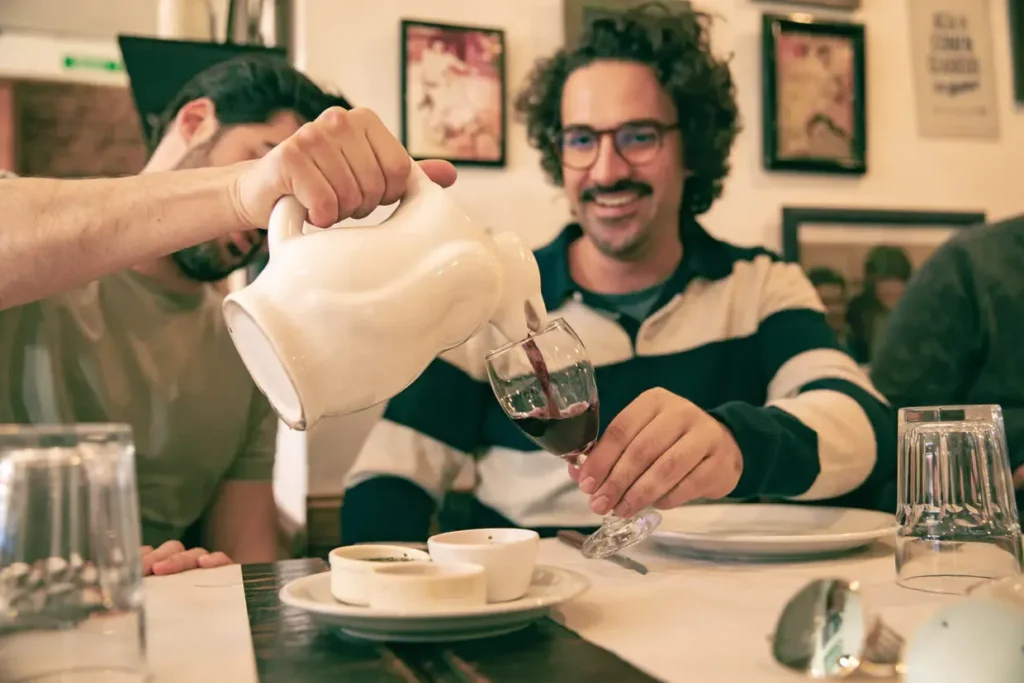
    Once people start eating, they also start drinking: expect the first of many Malbec bottles to be opened at this point. Alternatively, people may go for a cocktail, such as Argentina’s infamous fernet con coca, one of our most traditional drinks.

    Asado Entrées

    The parrilla (grill) should be up and running by now, with the first cuts laid out on the grill. Argentines don’t season their meats besides adding salt; pork cuts may be prepared with some lemon juice, and that’s it.

    The first thing out of the grill will be the chorizos (sausages), which are always a huge crowd-pleaser. There’s bound to be bread at the table, so guests can prepare their very own choripán (chorizo sandwich), or “chori” for short. Morcilla (blood sausage) and salchicha parrillera (thin sausage) will also be served at this point.

    Sauces such as chimichurri and salsa criolla can be added to your chori for extra flavor. Neither is spicy, as Argentines aren’t particularly fond of the heat.

    Asado cuts are served

    Next comes the offal and the main asado cuts (although the offal is sometimes served first). By this point, everybody should take their seat. The asador will take the biggest cut out of the grill, serve it on the table, and then cut it. A round of applause for the asador is customary, to congratulate them on an asado well done.

    What’s left is to eat, chat, drink, and eat some more while the rest of the cuts are served. The asador will sit down once everything is out of the grill, but they usually eat a little bit of each cut as they serve them.

    Time for Dessert

    The main event is over, but the feast continues. Coffee and dessert will be served next. Some people serve ice cream (in Argentina, you can buy artisanal ice cream in bulk at any ice cream shop). Others serve tiramisú or maybe a cake such as chocotorta. A mate will probably be passed around.

    At the end of an asado, you should feel full, happy, and ready for a long nap.

    Where can I eat asado in Buenos Aires?

    On to the hard part: the best way to eat asado is to be invited to one. Befriending an Argentine is easy, but if you are in town for just a couple of days, chances are you won’t get your invitation in time.

    However, you can always head to a local parrilla (steakhouse) to enjoy some perfectly cooked asado meats and side dishes. It’s not the same as an asado, but it’s one of the closest things to it.

    Last but not least, we know an Argentine asado is about much more than the meat. It’s a social ritual; it’s about sharing time, stories, and incredible food with other people. At Sherpa, we believe that’s the best way to experience all of Buenos Aires’ gastronomy. Why settle for just one parrilla when you can explore the entire local food scene, with others?

    Join our tours to taste it all, while enjoying the experience with fellow food lovers, just like a real asado.

    Asado questions and trivia

    How do you start a fire for an asado in Argentina?

    Argentines typically use dry wood or charcoal. You assemble a small pile of paper, small branches, and/or straw first, and then light the wood or charcoal on top. Then gradually add more wood or charcoal until there’s enough lit up to use the grill. Charcoal works faster and is more efficient, while wood takes longer but makes for a better aftertaste.

    What is asado a la cruz?

    In the countryside, another way of preparing an asado is by lighting a fire and then “staking” the cut – usually a costillar (rib rack) or another big cut – on a cross-like steel contraption.

    What are the asado cooking points?

    Jugoso: medium-rare, not to be confused with “blue”.
    A punto: true medium, with some pink in the middle.
    Pasado de punto: between medium and well done.
    Cocido: well done.
    Suela: thoroughly cooked. Suela means “shoe sole”.

    What to eat at an asado if I’m vegetarian

    Vegetarians can enjoy provoleta (grilled provolone-type cheese) and roasted vegetables such as red pepper, potatoes, onions and corn. Filled vegetables are also an option, such as red peppers with mozzarella or fried egg on top.

    Vegans can enjoy a variety of grilled veggies with chimichurri or salsa criolla. Green salads are usually safe for vegans to eat too. Be sure to ask the host to wrap your veggies in tin foil so they aren’t touching any of the meat cuts or non-vegan ingredients. In Buenos Aires, some specialty shops and dietéticas (health food shops) sell plant-based vegan meats for the grill. If you are in a pinch, you can buy vegan burgers at big supermarkets from brands such as NotCo and bring them to your asado.

    What to bring to an asado

    If you are invited to an asado, it’s polite to ask the host if there’s anything you can bring. They may ask you to bring a salad, dessert, bread, ice or something to drink. If they say they don’t need anything, bringing a bottle of Malbec is a classy move.

  • 10 Fun Things to do in San Telmo

    10 Fun Things to do in San Telmo

    Welcome to San Telmo, one of Buenos Aires oldest neighborhoods, and one of the most traditional as well. Cobbled streets, art galleries, chic cafés, antiques, and fresh produce… old and new meet and mesh in San Telmo in wonderful ways, and we are here to show you just how.

    By the way, we also have a 3-day Buenos Aires itinerary with our favorite city highlights and insider tips.

    Here’s a quick overview:

    1. San Telmo Market (Defensa 963)
    2. Defensa Street Fair (Defensa 100 – 1500)
    3. Plaza Dorrego & Antique Market (Humberto 1º 400)
    4. San Telmo Food Tour
    5. Parque Lezama & National History Museum (Defensa 1600)
    6. Modern Art Museum (Av. San Juan 350)
    7. Pasaje de la Defensa (Defensa 1179)
    8. Casa Mínima (San Lorenzo 380)
    9. Mafalda Statue (Defensa 700)
    10. Comic Strip Walk (several stops)
    things to do in san telmo buenos aires

    San Telmo Market

    The San Telmo Market is open from Tuesday to Sunday, unlike the Feria de San Telmo which takes place every Sunday. The indoor market first opened in 1897 and it hasn’t changed much since. The San Telmo Market has it all: antique jewelry, knick-knacks, fresh produce, and several food stalls and cafés where you can grab a bite (we especially like Hornero for regional food and Beba Cocina for porteño staples with a twist).

    The San Telmo Market is located in Defensa 963. It opens from 10.30 am to 7.30 from Tuesday to Friday, and from 9 am to 8 pm during weekends and public holidays. It’s better to show up around midday, as Argentines aren’t early risers. Sundays can be very crowded, as the Market gets a lot of overflow from the neighboring Feria. The ideal day to visit is either a Saturday or a weekday. And wear sensible shoes (this goes for anything you do in San Telmo except maybe Tango dancing).

    Defensa Street Fair

    San Telmo’s flea market is the most well-known street fair in the entire city.

    Every Sunday, Defensa Street is covered with stalls selling everything and anything: kitschy souvenirs, leather goods, antiques, designer clothing, and stationery…Locals and tourists alike flock to the street fair to browse the goods; you can easily spend hours walking along the cobblestone streets. The best part? Most of what you will see here are handmade items made by the stall owners themselves. Bring cash, most won’t accept international cards.

    The Street Fair goes all the way from Plaza de Mayo to Parque Lezama, but the best stalls are the ones closer to Plaza Dorrego. You can visit from 10 am to 5 pm (the earlier the better).

    Plaza Dorrego & Antique Market

    At the heart of San Telmo lies the iconic Plaza Dorrego, which hosts the antique market every Sunday. Some street vendors will also set up shop during the week. Bohemian, relaxed, and lively, this is the perfect place to take a break.

    Take a look around the square, grab a table at one of the nearby restaurants or cafés, and have a drink. The food here is nothing to write home about; we recommend a cup of coffee or maybe a lemonade or a soda during the hot summer months. What makes sitting down worth it are the tango dancers: you can always catch a show here, which is a great (and quicker) alternative to the 3-hour affairs that are most tango experiences.

    San Telmo Food Tour

    If what you are looking for is a tour of San Telmo with some fantastic food, the San Telmo Food Tour hosted by Sherpa (that’s us) is your go-to. The tour takes you to iconic historic restaurants and locations (including the San Telmo Market), and gives you the chance to try the very best dishes in Argentine cuisine, including some unexpected treats you probably haven’t heard about yet.

    There’s drinks, there’s wine, there’s steak (of course) and there’s fun guaranteed (but don’t take our word for it – take a look at our stellar reviews from previous guests).

    Parque Lezama & National History Museum

    If you visit San Telmo on a Sunday, the Defensa Street Fair will eventually lead you to Parque Lezama, a quieter park in the neighborhood. It has its own fair, as most important parks do, but the real highlight here is the National History Museum.

    Housed in a colonial mansion, the museum is a gorgeous architectural piece to visit. If you are lucky, you may catch the grenadier guard change – two granaderos are permanently stationed to watch the sword of national hero José de San Martín, which is kept at the museum. Admission is free, so take a quick peek if you can.

    Modern Art Museum

    Bright, quiet, and often colorful, the Modern Art Museum clashes a little bit with the old flair of San Telmo, but the change is welcome. Admission is free for locals only, but the entrance fee is quite cheap (and free on Wednesdays). Even if modern art isn’t your jam, the museum is the perfect spot to catch a break if you are visiting during the summer months – there’s AC, free wifi, and a lovely little café that serves a great iced latte.

    Pasaje de la Defensa

    While a visit to San Telmo almost always entails a trip to the Market or a stroll through Defensa Street, you should definitely stop by Pasaje de la Defensa (Defensa Alley) during your tour of the area.

    This mansion used to be the home of the aristocratic Ezeiza family back in the 19th century. The Ezeizas fled the place when the yellow fever struck, affecting the area closest to the river. The building was converted into a multi-family tenement home or “conventillo”, as happened with most of the once luxurious mansions in San Telmo and Barracas.

    The present-day Pasaje de la Defensa is a beautiful gallery featuring gorgeous architecture, antique shops, and cafés.

    Casa Mínima

    With just 2.5 meters width (that’s 2,73 yards for our friends from the US) this is the narrowest house in town, and maybe the world (the latter is just a guess, but we Argentines enjoy making claims of being the most at something). The tour is lackluster, but this is a great location to snap a picture (stretch your arms to the sides as much as you can for maximum comedic effect). It’s right around the corner from Defensa Street and Independencia Avenue, so you don’t have to go out of your way to see it.

    Mafalda Statue

    Argentina is pretty well known for our comic strips, with Mafalda being a world-famous character, a beloved local icon, and even a UNESCO ambassador. Fun fact: Mafalda has a small easter egg appearance in the DCU, showing up in a keychain Suicide Squad 2 (which takes place in the fictional “Argentine-adjacent” island of Corto Maltese.

    There’s a Mafalda statue in San Telmo, and people will line up to take a picture with Argentina’s favorite kid. You can skip the queue if you are in San Telmo during the week (usually), or very early during the weekend.

    Comic Strip Walk

    If you are into comic strips, check out the Paseo de la Historieta, i.e. “comic strip walk”. The Mafalda statue is one of many statues that pay homage to the most famous national comic strips. This is a fun walk you can do to explore San Telmo and the nearby areas of Montserrat and Puerto Madero, and a great activity for people of all ages, particularly kids. Here are all the stops!

  • 5 things to know before visiting Argentina

    5 things to know before visiting Argentina

    Travel tips, money exchange, safety and other key things to know before visiting Argentina

    Argentina is one of the main travel destinations in Latin America, and for good reason – the food, the sights, the culture… but before you start planning your trip, there are a few things you should know that will make your experience 100% better, and save you a headache or two.

    We’ve written this “Argentina” guide after answering the same questions over and over again from visitors who join our food tours – these are the most important things to know before visiting Argentina.

    visiting argentina

    Money exchange breakdown and how to pay for things

    A local economy that is akin to a rollercoaster makes for a complicated system to exchange money and a preference for cash. Here are some tips, tricks and basic info to help you figure out the money stuff before you land.

    Money exchange: How does it even work?

    Exchanging money in Argentina is a whole thing – the economy is volatile at best, and the exchange rate is constantly changing. Argentina also has several exchange rates besides the “official” government one. Don’t blindly trust Google at first sight, do your research before exchanging money.

    Confusing, I know. If you need to exchange money, this is what you need to know:

    Official exchange rate

    • The official exchange rate is usually ½ of the real marketplace value.
    • This is the “official” number that will be listed on Government pages.
    • You only need to know that, if you accept the offical rate, you are losing a lot of money.
    • If you withdraw money from an ATM machine, it will give you pesos at the official exchange rate, so consider bringing cash instead.

    Unofficial dollar AKA blue dollar

    • You can exchange money through local exchange houses that use the “unofficial” market rate, commonly known as blue dollar.
    • This is usually well above the official rate (twice as much or more).
    • The hard part is finding a good exchange house or “cueva de cambio” – if you know any locals, ask them; they will point you in the right direction.

    Cash is king in Argentina

    • Pretty much any store or restaurant that isn’t part of a franchise will offer a discount if you pay with cash (usually between 10-20%).
    • This is also true for street vendors.
    • They may not give you a receipt if you pay with cash, so if you need one request it clearly.

    Using your credit card is a decent option

    If you have limited cash, paying for things with your credit card is a good option – as long as you are using a foreign credit card, you will get a favorable exchange rate (a little below “blue” exchange rate but very decent).

    Affordable luxury and pricey imported goods

    While Argentines have reason to complain about the never-ending inflation, the truth is that for most international visitors, Argentina is very affordable.

    High-quality luxury goods are a steal

    You can get a pair of handcrafted leather shoes from local artisans for 100-300 USD (and if you have the time, you can also get them custom-made). While this is an investment, it’s way less than what it would cost anywhere else in the world. The same is true for designer clothing, leather jackets and pretty much any luxury product.

    Incredible food at decent prices

    While eating out is inexpensive, and you can get a great meal at any price range, even high-end restaurants are affordable for international travelers. Steak and wine are not only amazing in quality, but compared with US or European prices, they are a steal.

    Food experiences like our food tour are also a very popular way for visitors to discover the best of local cuisine without having to do the usual review-skimming for every single restaurant.

    Imported stuff is VERY pricey

    On the downside, anything imported comes with a hefty price tag. Things like outdoor gear are very expensive, so if you are planning on skiing or doing some hiking, bring your own stuff from home or be prepared for an unhappy surprise at the mall.

    Domestic travel: It’s complicated

    Domestic travel in Argentina can be tricky for tourists given the lack of direct routes and low flight frequency for some destinations. We’ve addressed the key issues here to help you figure out your schedule without added hassle.

    Be ready to spend some time in Buenos Aires

    Most international flights to Argentina land in Buenos Aires, and domestic travel in between regions is seldom direct – if you want to visit the Iguazú Falls and then head over to Patagonia, your flight will probably involve a layover in Buenos Aires.

    If you are bound to be in the city for a day or two, consider joining a tour or taking a stroll around Palermo or Downtown so you can make the most of your time here.

    The upside of a tour is that you get an introduction to the local culture and customs, and get to meet other travelers who are very likely to be visiting the same places as you.

    Research your flight routes

    Some domestic flight routes operate only a few times a week – make sure to book your flight tickets ahead, or do some research beforehand. Figure out how many days you want to stay at each destination and try to match that against the available flights.

    Local airlines

    Aerolineas Argentinas is state-owned, and they make an effort to provide more direct domestic routes, so you may be able to skip the Buenos Aires layover. FlyBondi is the most well-known low-cost operator in the region and their flights are more budget-friendly, but don’t expect comfort (picture RyanAir).

    Avoid long-distance buses if possible

    The country is huge, so getting from one end to the other requires flying or taking a long-distance bus.
    While the buses are OK and provide more routes, no one wants to spend 14 hours stuck on one.

    You might need to take a bus anyway

    Unless you are renting a car or booking a trip with a local operator, the most reliable way to get from one province/city to the other, if they are contiguous, is by bus.

    These are shorter trips though, so it’s not the end of the world.

    We speak Spanish, but it’s kinda weird

    If you want to brush up your Spanish, Argentina may not be the easiest place to do it.

    This is because our Spanish is very different in terms of pronunciation and slang, and that’s without getting into voseo (which basically means we use a different word for “you” than everyone else).

    Our Spanish sounds a little bit like Italian. We are also very fond of hand gesturing as well.

    Don’t worry though, even if you don’t understand us (or if we don’t understand you), we always find a way to communicate. Argentinians are usually very friendly towards visitors, and many speak (some) English.

    Yep, Argentina is safe to visit

    Argentina is one of the safest countries in Latin America. Most tourists never run into a problem during their stay, although some may run into pick-pockets or scammers, especially in large urban areas like Buenos Aires or Rosario. You can avoid this by following some basic safety tips, like sticking to the nicer neighborhoods and being extra careful with your belongings.

    For Argentina or anywhere else, these are good tips to follow:

    • Don’t leave your phone or camera out in the open

    If you are carrying a backpack or purse:

    • carry it on your front
    • leave no valuables on external pockets
    • Don’t wear your phone on a chain around your neck

    There’s more to our cuisine than steak and malbec

    Don’t get me wrong: go for that steak and drink as much malbec as you can during your stay – I would too. But there’s a lot more to Argentine food culture than those two (excellent) things, and you should definitely give some other options a try.

    If you are traveling around the country, be sure to try the regional cuisine.

    The Northwest

    • The Northwest is well known for its hearty dishes with Andean heritage.
    • Rainbow-colored potatoes and corn, goat cheese, llama meat…
    • Go ahead and try the tamales, the humita en chala (dry corn leaves wrapped around a corn filling) and the locro (meat stew with corn and other vegetables).

    The Northeast

    • The Northeast also features indigenous cuisine with European twist.
    • You can’t visit Iguazú and not try chipá (cheesy cassava flour bread) or drink a refreshing tereré (cold mate).
    • There will be lots of dishes featuring cassava flour, as prominent ingredient in the native Guaraní culture.

    The South

    • If you are heading South to Patagonia, you will get the chance to try rare meats like wild boar or guanaco (wild lama).
    • Seafood is very popular along the coast as well.
    • Patagonia is also home to native berries like calafate (Patagonian barberry) and many other species that grow well in the region, so try jams and desserts featuring these ingredients.

    Buenos Aires culinary scene has never been better

    Buenos Aires is known for its Italian and Spanish heritage, but the city’s culinary scene is incredibly diverse, and it has seen tremendous growth over the last decade.

    There’s never been a better time to eat out than now, economic crisis notwithstanding.

    Given the many, many options in the city, we recommend you take a look at our blog before making a choice. And if you are looking for an authentic culinary experience that doubles as a city tour, try one of our Food Tours!

    That’s it, folks!

    Those were the 5 things every newcomer should know before visiting Argentina. Now that you’ve read our guide, you are good to go!

    Come say hi if you are in the area! You can find us on Instagram and Tik Tok.

  • Local’s pick of the 10 best places to visit in Buenos Aires

    Local’s pick of the 10 best places to visit in Buenos Aires

    There’s a lot out there written about Buenos Aires, but most of it doesn’t live up to the real thing. Buenos Aires is a vibrant, bustling and elegant affair, but behind the passion and glitz there’s a lot more to the city than what you get at face value.

    As hosts of the #1 Buenos Aires Food Tour, we’ve had a lot of visitors come through our doors and ask us: Where should I go If I want to see the real thing?

    After answering that question many, many times, we came up with our top 10 places to visit in Buenos Aires – some very well-known, others not so much, all of them relevant to our cultural identity one way or the other.

    We’ve included a map, extra tips and some noteworthy cafés and restaurants so you can plan your itinerary without issue (you can also check out our 3-day Buenos Aires itinerary).

    The Best Places to Visit in Buenos Aires

    #1 Plaza de Mayo

    If you could only visit one place in Buenos Aires, this would be it. Plaza de Mayo is the beginning and end of the city. Buenos Aires was founded here, and it is here that citizens have chosen to gather to either protest or celebrate ever since, both with equal passion.

    Plaza de Mayo Tips:

    • The Casa Rosada, Cabildo and Cathedral are right next to Plaza de Mayo. You can visit all locations during the weekend or holidays (The Casa Rosada is closed to the public on weekdays).
    • The white handkerchiefs drawn in a circle around the May Pyramid (Pirámide de Mayo) in the Center of the Square are a symbol of the Mothers of Plaza de Mayo, pioneers of the Human Rights Movement during the tumultuous 70s.
    places to visit in buenos aires plaza de mayo

    Where to grab a bite?

    • Head to the nearby Café Tortoni for hot chocolate and churros, or London City for a cup of coffee with medialunas or cake.
    • The La Piedad Bakery is also close by and has incredible miga (crustless white bread) sandwiches, an unsung hero among Argentine fast food cuisine. Their medialunas are also fantastic.

    #2 Palacio Barolo

    The Palacio Barolo may be just a building – it doesn’t have the same historical relevance as any of the locations in Plaza de Mayo, but this is the place that makes architects go nuts and the lay public go “ohhhh”.

    What makes the Barolo Palace so unique? The building itself has a unique eclectic style, developed by its creator, Architect Mario Palanti. It was completed in 1923 and was back then the tallest building in Buenos Aires (it even had a lighthouse at the top!).

    The theme of the building is Dante’s Divine Comedy, and the floors are divided into the three sections of Dante’s work – Hell, Purgatory and Heaven.

    The more you read about this place, the more it blows your mind.

    Palacio Barolo Tip:

    • Salón 1923 is a Sky Bar at the top of the Palacio Barolo with the most amazing view of Buenos Aires downtown.
    • You have to make a booking in advance for either the merienda (afternoon snack time) or tapeo (finger food selection), as they don’t have a regular menu you can order from. The food is ok, but we like the place because of the unmatched view.

    #3 Caminito

    Caminito is a must for any visitor, although the place is the definition of a tourist trap.

    The colorful facades of La Boca, Tango dancers in the streets, the conventillos (family manors turned tenements for multiple families) turned galleries and an air of nostalgia mark this little area of town that seems to exist in an alternate Buenos Aires.

    All this makes Caminito worth a visit, even for us locals.

    Caminito Tips:

    • Don’t stray from the tourist circuit – pickpockets are known to wander about the less-trodden streets around Caminito, so stick with the crowd and avoid empty streets.
    • Take an Uber or cab to and from Caminito – this isn’t the place to be adventurous and walk about.

    Where to grab a bite in Caminito?

    • There are several options there, but, as we said, the place is sort of a tourist trap.
    • An option we do like is the Café at the top of the PROA Foundation – it has a very nice view of the port. It’s great for a cup of coffee or a modest lunch.

    #4 Bosques de Palermo

    Perhaps the most beautiful area in the city for a stroll, the Bosques de Palermo area includes a series of gorgeous parks along Libertador Avenue and nearby. A great spot if you want to enjoy a bit of nature in the city.

    These are our favorites:

    • Rosedal: The rose garden, the most beautiful park in town and great for pictures. A big hit with families, runners and skaters.
    • Japanese Garden: pretty much what the name states – a Japanese garden, very popular with the local crowd.
    • Botanical Garden: a display of both native and exotic species.
    • Eco Parque: a totally lovely park, very underrated. It used to be the zoo and it is transitioning to a sustainable park of sorts. You can meet the freely roaming Patagonian maras here!

    Where to grab a bite close to the Bosques de Palermo?

    • The Croque Madame inside the Eco Park is a great spot for lunch or coffee.
    • The Japanese Garden features a -you guessed it – Japanese Restaurant.

    #5 Malba Museum

    Also in the Palermo area is the Malba Museum, the museum for Latin American art. Very popular with the art crowd and Gen-Z for featuring very interactive temporary exhibitions, besides their more orthodox permanent collection. For More Palermo recommendations, take a look at our Palermo Guide.

    Malba tips & food recs:

    • The Malba has a pretty cool Gift Shop, so check for possible souvenirs here. It’s on the artisanal & artsy side.
    • The Ninina café right next to the Malba is an excellent spot for a cup of coffee.

    #6 Recoleta Cemetery

    An incredible necropolis right in the middle of the city, Recoleta Cemetery is where Buenos Aires’ elite of centuries past are buried. The Recoleta may sound like an unlikely spot for a stroll, but it’s a very alluring one. Go to the Recoleta for:

    • the eclectic architecture of its mausoleums
    • strange and spooky stories about certain residents
    • weird statues
    • elusive stray cats

    La Recoleta Tips:

    • The Plaza Francia Street Fair takes place right next to the cemetery (Fridays and weekends), and is a great location for handmade souvenirs.
    • The Recoleta Cultural Center is also right down the street. Admission is free and they usually have pretty interesting exhibits. The building itself is also quite pretty (they paint the facade with new murals every once in a while, featuring the theme of the latest exhibit).

    #7 San Telmo Market (and Plaza Dorrego)

    San Telmo is known for three things: tango, food and antiques. You can scratch all three of them of your list by paying a visit to the San Telmo Market and then taking a quick stroll around Plaza Dorrego (or, better yet, by joining our San Telmo Food Tour).

    Unless you are on San Telmo on a Sunday, in which case you have the Defensa Street Fair, yout best shot at experiencing the flair of San Telmo is by going the the Market. Here you will find great -albeit tiny – restaurants, fresh produce stalls, antiques and a general air of serendipity.

    If you head over to Plaza Dorrego, you are bound to find tango dancers performing for tips. The restaurants there are decent for a cup of coffee, but if you want real food we suggest eating at the market first.

    #8 Colón Theater

    An incredibly beautiful building right on 9 de Julio Avenue, the Colón Theater is the most important venue in the city for high culture events. The best way to enjoy the theater is, of course, by getting tickets to the Opera or the ballet. The guided tour is a great alternative.

    #9 The Obelisco

    You are not in Buenos Aires until you find yourself in the intersection of Corrientes and 9 de Julio, perhaps the busiest streets in town. A picture with the Obelisco is a signature Buenos Aires post card. The porteños are known to gather at the Obelisco when celebrating, particularly fútbol wins – after Argentina won the 2022 World Cup, it’s said that a million people gathered at the monument to celebrate.

    Obelisco Tips:

    Corrientes Avenue is the go-to destination for pizza porteña. Check out our article about Buenos Aires food scene to read about the best pizzerias in the area.

    #10 Floralis Generic

    Another local monument, the Floralis Generica is a giant metallic flower located in the United Nations Park close to the Recoleta Cemetery. The Fine Arts Museum (Bellas Artes) and the University of Buenos Aires’ Law School are nearby, making the area ideal for a stroll.

    The Floralis is not a historic landmark, but a cultural one (it’s only been around since 2002). The sculpture moves like a real flower, opening and closing its petals depending on the time of day. Locals are very fond of the Floralis, which they simply call «la flor» (the flower).

  • A Local’s Guide to the The Best Pizza in Buenos Aires

    A Local’s Guide to the The Best Pizza in Buenos Aires

    Finding the Best Pizza in Buenos Aires, one slice at a time

    Argentina may be best known for its steak, and Buenos Aires has its fair share of great steakhouses, but the real star of the city – when it comes to food – is the iconic pizza porteña.

    Finding a good slice isn’t hard – just head down to Avenida Corrientes – but finding the best pizza in Buenos Aires is an entirely different matter.

    We did the research, ate a ton of pizza, and came back to share the results with you folks.
    The following are the 6 best pizzerias in town, and the best pizzas to order at each. We’ve also included a Pizza Porteña 101 so you can order with the unabashed confidence of a true porteño.

    Our credentials? We are a bunch of native porteños and expats gone native, all of us food enthusiasts and hosts of the best Buenos Aires Food Tour.

    The List

    • Güerrín (Downtown – Av. Corrientes 1368)
    • La Mezzetta (Colegiales – Av. Álvarez Thomas 1321)
    • El Cuartito (Recoleta – Talcahuano 937)
    • El Imperio de la Pizza (Chacarita – Av. Corrientes 6891)
    • Picsa (Palermo – Nicaragua 4896)

    Pizza Porteña

    Before we start waxing poetically about our top list of the Best Pizzas in Buenos Aires, here are a few things you need to know about “Pizza Porteña”.

    What is pizza porteña?

    Traditional Buenos Aires pizza is called “porteña”, which means “from the port”, and it’s what we call people (and things) from Buenos Aires, which is a port city.
    The marks of pizza porteña are an excess of pretty much everything: the bread is doughy and “spongy”, the cheese is abundant, and the slice is big (two slices make for a quick lunch). It also has a reputation for being greasy, but that is, frankly speaking, part of the charm.

    The cheese: “muzzarella” with u

    Pizza porteña is made with fresh muzzarella cheese, but this local version is very different from the Italian one (and not just because we spell it with an u). Italian mozzarella is very milky and neutral in flavour, while Argentine muzzarella has a bit more kick and a higher fat percentage. Argentine muzzarella is also made using cow milk

    The dough dispute: media masa o a la piedra?

    The dough of the traditional pizza porteña is called “media masa”, it’s cooked with a pizza pan and it takes a longer time to cook, and it’s typically «doughy» and «spongy». Some pizzerias use the “a la piedra” dough, which is flatter, less chewy and with more crunch, and it cooks way faster (also no pan).
    Porteños will argue to the end of the world about which one is better. Our two cents? You do you. Be warned, however, that media masa is the more popular one, and unless otherwise stated, is the one featured throughout this article.

    Fainá: what is it?

    Head to any pizzeria porteña and you will notice a curious item on the menu: fainá, chickpea flour bread that is eaten together with pizza. Because pizza porteña features tons of cheese, you can add more dough to the equation by ordering fainá.

    What to drink with pizza porteña

    If you are on the clock, the most common option is a coke. If not, you can indulge in some Moscato, sweet and fruity white wine with a lower alcohol percentage. It’s very affordable (hence its popular pairing with pizza) and a staple of the Argentine pizza scene.

    The Best Pizzas (& Pizzerias) in Buenos Aires

    Legend has it that Avenida Corrientes has the best pizzerias, and – spoiler – that may very well be true, however, other amazing pizzerias exist elsewhere in the city. We gave you guys plenty of choices with this top 6, so read on!

    Güerrín

    The most famous pizzeria in Buenos Aires, every porteño has stopped by Güerrín at least once to grab a slice during the lunchtime rush – although nowadays the long queues make it a little harder to get in.

    Güerrín’s popularity has gone through the roof in recent years, so expect a crowd at any hour. Some pizza connoisseurs claim that Güerrín’s pizza is not what it used to be since the place was bought by the owners of pizza chain Kentucky before the pandemic.

    Our two cents? Go for the ambiance, but know that the hype is, well, hype. Güerrín is still pretty good, but we have some – arguably – better alternatives in this list. It’s still worth a visit since it’s right there in the heart of the city. Grab a couple of slices and eat by the counter – it doesn’t get much more “Buenos Aires” than that.

    Pizzas to order in Güerrín: go for something classic, like muzzarella, fugazzeta or ham & red pepper.

    guerrin best pizza in buenos aires

    Banchero

    Albeit an Avenida Corrientes classic since the 60s, Banchero got its start in the colorful port area of La Boca, where Genovese baker turned pizza master Agustín Banchero earned his spot in the pizzeria pantheon of Buenos Aires by inventing the fugazzeta.

    This cheesy onion pizza came to be when Banchero decided to stuff a focaccia – fugassa in genovese – with cheese, in order to make the baked good “less dry”. The resulting fugazzeta became one of the most popular pizzas in the history of Argentina.

    Banchero’s original location is in La Boca, but the one in Avenida Corrientes is pretty iconic nonetheless. It even makes a cameo during one pivotal scene in Argentina 1985, the Oscar-nominated film about Argentina’s trial of the de facto military government that took over the country in the seventies (available in Amazon Prime).

    Pizzas to order in Banchero: Fugazzeta is a must, period.


    El Imperio de la Pizza

    Far from downtown but still on Corrientes Avenue, Imperio is a powerhouse when it comes to pizza porteña, and for good reason. Far away from more tourist-y areas like Palermo and Downtown, El Imperio is a testament to classic porteño identity; a mix of fútbol (we ain’t calling it soccer, sorry), tango and local culture, this pizzeria was built for the busy worker who wants to grab a quick slice for lunch and not have it burn a hole in their pocket.

    If you make the trip to Imperio, you might as well explore Chacarita, which is slowly but surely making the transition from underground cool to full-on trendy.

    What to order here: Fugazzeta, Primavera and Spinach.


    La Mezzetta

    A local legend among pizza diehards, La Mezzetta is famous for their stuffed fugazzetta, said to be the very best in town. Tourists caught wind of this hidden gem after it was featured in “Somebody Feed Phil”. Nowadays it’s hard to order a pizza here without having to queue given its rise in popularity among locals and foreigners alike. Try to get there early (before 8 pm) or be prepared to wait.

    There’s no place to sit and dine here: take your pizza to go or eat at the standing counters.

    What to order here: fugazzeta, fugazzeta, and fugazzeta (stuffed, of course).


    El Cuartito

    El Cuartito is another iconic old-school pizzeria located in the heart of Recoleta. It’s guaranteed to get crowded after 8 pm, so get there early if you want to grab a table (otherwise order to go, else you will be waiting forever). No nonsense, no frills and lots of cheese. Football memorabilia lines the wall, in true Buenos Aires fashion.

    What to order at El Cuartito: Fugazzeta (yeah, again) and Napolitana (with tomato slices and dried garlic and parsley). The standard muzzarella is quite good too.


    Picsa

    A new take on traditional pizza porteña, Picsa stands out because of their sourdough pizza crust, with takes their pizza to a whole new level. If the hectic atmosphere of Avenida Corrientes is not for you, Picsa might be a good choice. The location is also ideal, as its located right in the middle of Palermo Soho.

    What pizza to order at Picsa: The Napo (Napolitana) here is excellent. The Libanesa (“lebanese”) is for the risk-takers. They have a pretty decent wine selection here, so do check that out.

    Ready for the Full Buenos Aires Menu?

    Pizza porteña is absolutely essential to the cultural identity of Buenos Aires. The city’s gastronomy tells you so much about our culture, and while pizza is a key chapter, it’s not the whole book.

    Discover Buenos Aires through its Food: If you’re ready to explore all the local flavors—beyond just pizza—join a Sherpa food tour to taste the city’s hidden gems.

    Not ready to book? Keep exploring! Check out our full Buenos Aires Travel Guide.

  • Ultimate guide to Argentina’s food culture

    Ultimate guide to Argentina’s food culture

    Planning on visiting Argentina? Then you should make time to enjoy the local food. There’s a lot more to the local cuisine than red meats and red wines – from hearty dishes from the north like humita to some of the best pizza outside of Italy (and rare offerings like the southern king crab), Argentina’s food is as diverse as the country and its population, not to mention absolutely delicious.

    However, it’s hard to know what to order and where to order it if you are not a local, and many visitors miss the chance to try some truly amazing dishes. We put together this guide to give newcomers an idea of what our food is like, how it came to be and, most importantly, how to enjoy it!

    Argentinians and Food

    Food lies at the heart of the Argentine spirit. The country has had glorious ups and terrible downs, and, all in all, here’s what we have learned: no matter what happens, as long as we have good food on the table, and good friends to share it with, we will get by just fine. If you are lucky enough to visit, by all means, go get a good steak, but remember to bring someone to enjoy it with.

    Foods you can’t miss while visiting Argentina

    Food lies at the heart of the Argentine spirit. The country has had glorious ups and terrible downs, and, all in all, here’s what we have learned: no matter what happens, as long as we have good food on the table, and good friends to share it with, we will get by just fine. If you are lucky enough to visit, by all means, go get a good steak, but remember to bring someone to enjoy it with.

    The Staples: asado, empanada and malbec

    These are the main three things that travelers want to try when visiting Argentina, and rightly.

    Empanadas

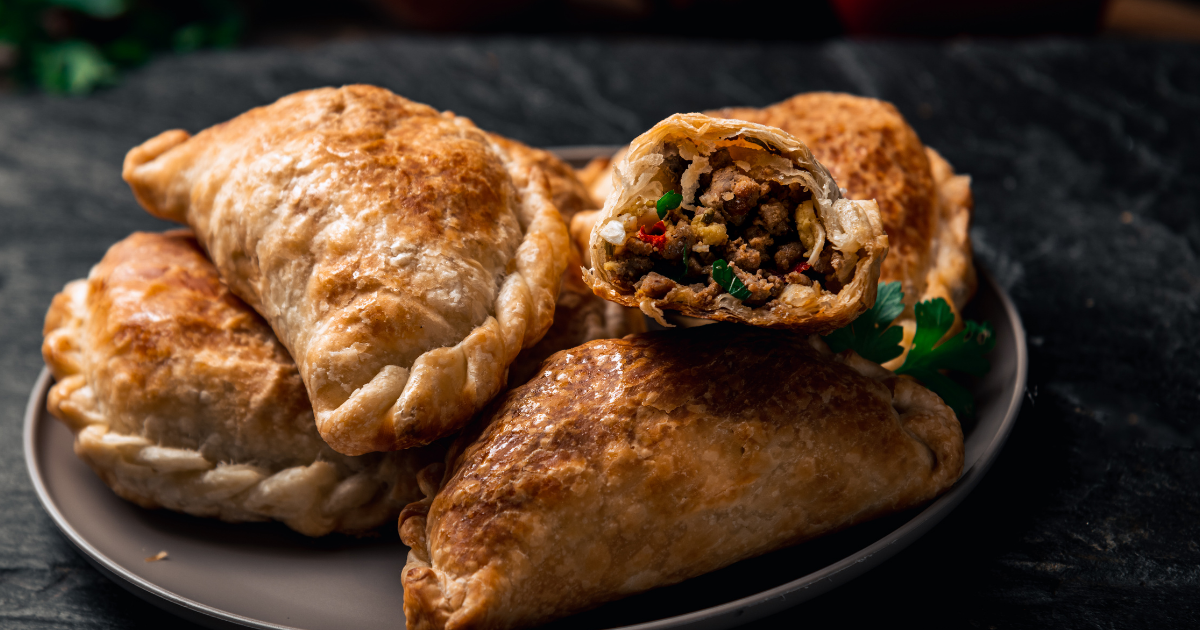
    Empanadas are a kind of pastry that is typically filled with meat and either baked or fried. There are many other filling options, like Caprese, corn or ham and cheese, to name a few, but most Argentinians will agree that meat is king when it comes to empanadas. Argentinians will either buy them by the dozen to eat at home, make them from scratch or order them at regional restaurants or pizzerias (a pizzeria worth its salt will serve a decent empanada). Different regions have their own style of empanada, with those from Salta and Tucumán being the most renowned.

    argentina's food culture

    Asado

    To translate “asado” as a barbeque would be to it a disservice. An asado is a traditional event in Argentine cuisine, and a social occasion for coming together with family, friends or colleagues. Argentinians will use any occasion to celebrate an asado, usually resulting in a day-long affair that starts in the morning, with the asador preparing the meats as others handle salads, dressings and side dishes.

    Achuras (offal) like chorizomorcilla (black pudding) and mollejas (sweetbread) are served first, while the main cuts are still cooking. Argentinians do not usually season their meat beyond adding salt. A popular sauce to condiment cooked meat is chimichurri, which is made with parsley, garlic, olive oil, peppers, oregano and vinegar. There are other sauces, like salsa criolla, but chimichurri reigns supreme.

    The tricky part about enjoying an asado as a foreigner is not finding a place to eat it, but getting the full experienceThere are many good parrillas in which one may order an asado at any price range, but it’s not the same as living an asado.

    If you cannot befriend an Argentinian during your stay and get them to invite you to one, we recommend you try an experience like Fogón Asado in Buenos Aires, which hosts asados for visitors eager to participate in this much-celebrated tradition.

    Malbec

    While originally from France, the malbec grape has found a new home in Argentina. The grape thrives in the high-altitude vineyards of the Andes Mountains, where the hot, dry days and cool nights create ideal growing conditions. This climate results in grapes with thick skins and high sugar content, which leads to wines with intense color and flavor.

    With this in mind, it’s no wonder malbec has become the country’s most famous wine and an important part of our national identity. Since the exchange rate is usually very favorable to tourists, many visitors can sample some truly incredible wines at very affordable prices.

    Malbec wine served in a traditional penguin jar.
    Malbec wine served in a traditional penguin jar.

    Sweets to try: alfajores, helado and flan

    If you have a sweet tooth, you are in for a treat. Before we begin you should know that Argentinians will use any opportunity to feature dulce de leche (milk caramel) in any sweet thing whatsoever, and therefore all three sweets we are about to describe (and most Argentinian desserts) include dulce de leche.

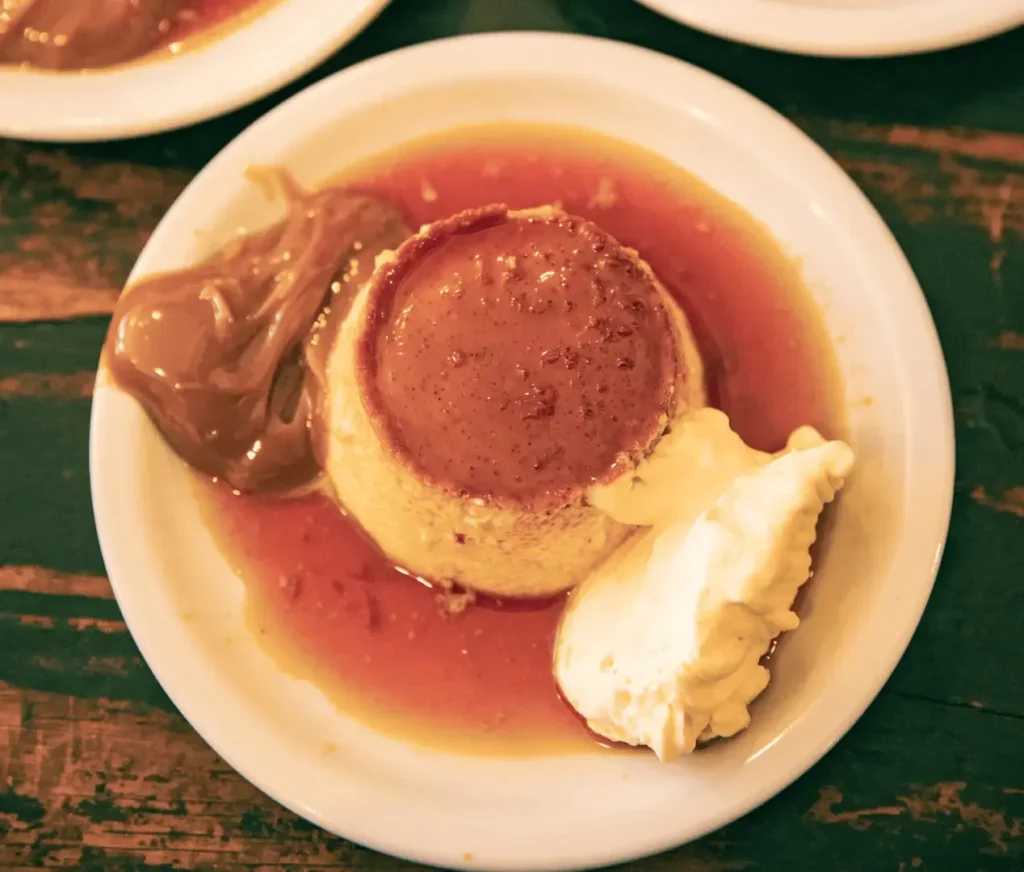
    Flan is usually served with dulce de leche and whipped cream.
    Flan is usually served with dulce de leche and whipped cream.

    Alfajor

    First on the list is the iconic alfajor. This sweet delicacy consists of two shortbread cookies sandwiched together with a creamy filling, typically dulce de leche, and covered in chocolate or powdered sugar. Alfajores can be found in every bakery, café, and supermarket in Argentina, and each region has its own variation of the classic recipe.

    Other iterations may feature chocolate or jam as filling. We suggest you try one at a café together with a latte or submarino (a glass of hot milk in which a bar of dark chocolate is melted and stirred with a long spoon). You can also buy alfajores by the box at places like Havanna and Bonafide.

    Helado

    The history of ice cream in Argentina dates back to the late 19th century when Italian immigrants arrived in the country and brought with them their love of gelato. In fact, many of the ice cream parlors in Argentina are still owned and operated by Italian families who have been making helado for generations.

    The Italian influence is evident in the style and flavors of Argentinian ice cream, which is known for its rich, creamy texture and unique flavors. However, the most popular flavor by far is dulce de leche, which is sold either plain or with added ingredients like chocolate, more dulce de leche, cookies or nuts. In Argentina, ice cream is not sold by scoops; you can either buy a vaso (cup), a cucurucho (cone) or even buy ice cream by the kilogram!

    PS: We have a thorough Argentine Ice Cream Guide for those with a sweet tooth, plus Buenos Aires ice cream shop recommendations.

    Flan

    This classic custard dessert is made from a simple mixture of milk, sugar, eggs, and vanilla, and is often served with a drizzle of caramel sauce, dulce de leche and whipped cream. Flan can be found in most restaurants in Argentina, and is a beloved comfort food. In Argentina, the highest compliment you could pay someone regarding their flan is to tell them that it tastes just like your grandmother’s.

    Drinks: vermouth, fernet and wines beyond malbec

    For a deeper dive into traditional drinks, take a look at our Argentine Drinks guide.

    Vermouth

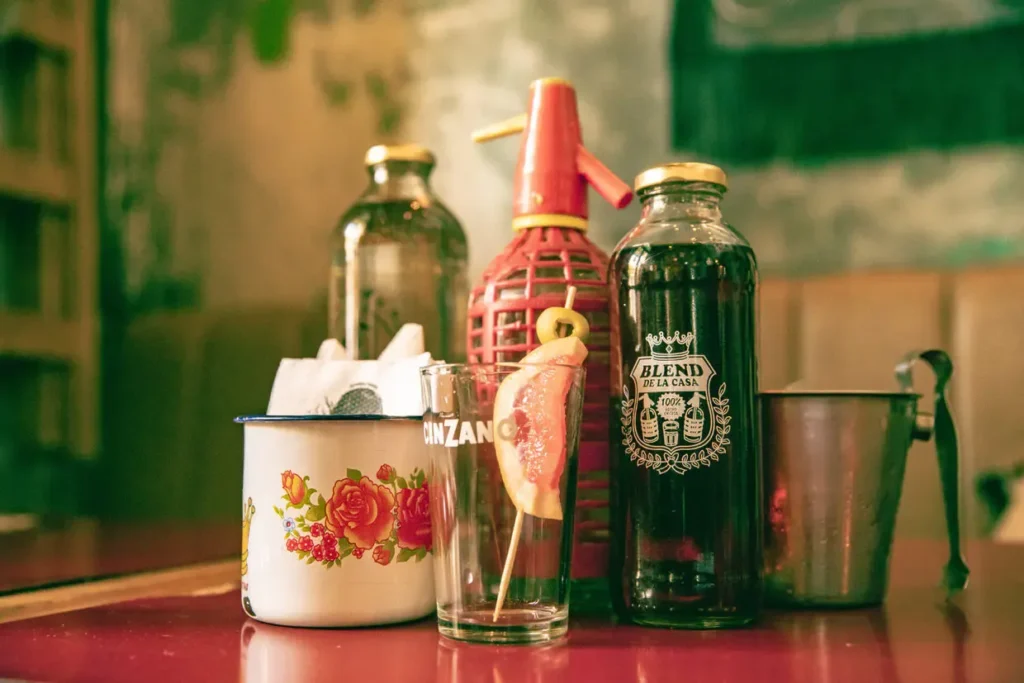
    Vermouth, a fortified wine infused with botanicals and spices, has been a traditional drink in Argentina since the 19th century, when it was first introduced by Italian immigrants. It is often served as a refreshing appetizer by adding seltzer, orange slices and ice. Vermouth from Argentina typically has a sweet flavor and can be red or white.

    Vermouth, a taste of tradition.
    Vermouth, a taste of tradition.

    Fernet

    The origin of fernet’s immense popularity in Argentina remains a mystery, but there is no doubt about its fame: Argentina consumes about 75% of all fernet consumed globally. This aromatic and bitter spirit is made by blending more than 40 herbs and spices, such as myrrh, saffron, chamomile, and cardamom. Fernet is mostly enjoyed mixed with Coca-Cola, resulting in a (less-bitter) beverage known as fernet con coca.

    Wines beyond malbec

    Argentina produces a wide range of wine varietals beyond Malbec, some of which have gained international recognition. Among these varietals are Cabernet Sauvignon, Syrah, Torrontés, and Semillón.

    These wines are grown in various regions of the country, each with its own unique terroir and microclimate, which contribute to the character of the wine. For example, the Uco Valley in Mendoza is known for producing high-altitude wines with intense fruit flavors, while the Salta region produces Torrontés with floral and citrus notes.

    While visiting a local vineyard is definitely the best way to enjoy regional wines, you can always find a good bottle at a winery. There are some truly incredible wines at a decent price point, and some hidden gems that you won’t be able to find abroad.

    If you are interested in a wine-tasting experience, our Palermo Food Tour includes a wine-tasting stop in which we sample different wines from around the country. Be sure to check it out!

    Regional foods and where to try them

    Argentina’s regional cuisine is as diverse as its landscape and population, with each region offering unique flavors and ingredients that reflect the local culture and history. Here are some of the must-try regional dishes and where to find them:

    The Northwest: hearty dishes with Andean heritage

    This region is known for its hearty and flavorful dishes that have roots in the indigenous cultures of the Andes. Some popular dishes include locro, a stew made with corn, beans, and meat, and tamales, a dish of steamed corn dough filled with meat, vegetables, and spices. A vegetarian option is humita en chala, a dish similar to tamales but filled with corn and cheese.

    Try these dishes if you are visiting Salta or Jujuy – it’s always best to ask the locals where to eat, especially in some of the smaller towns like Cafayate, Purmamarca or Tilcara.

    The Northeast: Indigenous cuisine with European twist

    This region is characterized by the lush nature of its rivers, extensive green fields, and the reddish soil of Misiones. The cuisine of the area is closely connected to the natural surroundings and expresses a unique cultural richness, with a strong influence from the indigenous Guarani culture, as well as more recent European influences.

    One must-try dish is chipa, a type of bread made with cassava flour and cheese that is best served warm. Another regional favorite is mbejú, a type of pancake made with cassava flour and filled with cheese or meat. Regional river fish like dorado and surubí are an important – and delicious – part of the local cuisine. Immigrants from Eastern and Central Europe adapted their own recipes to make use of the native ingredients – one such example are vareniki with cassava puree filling.

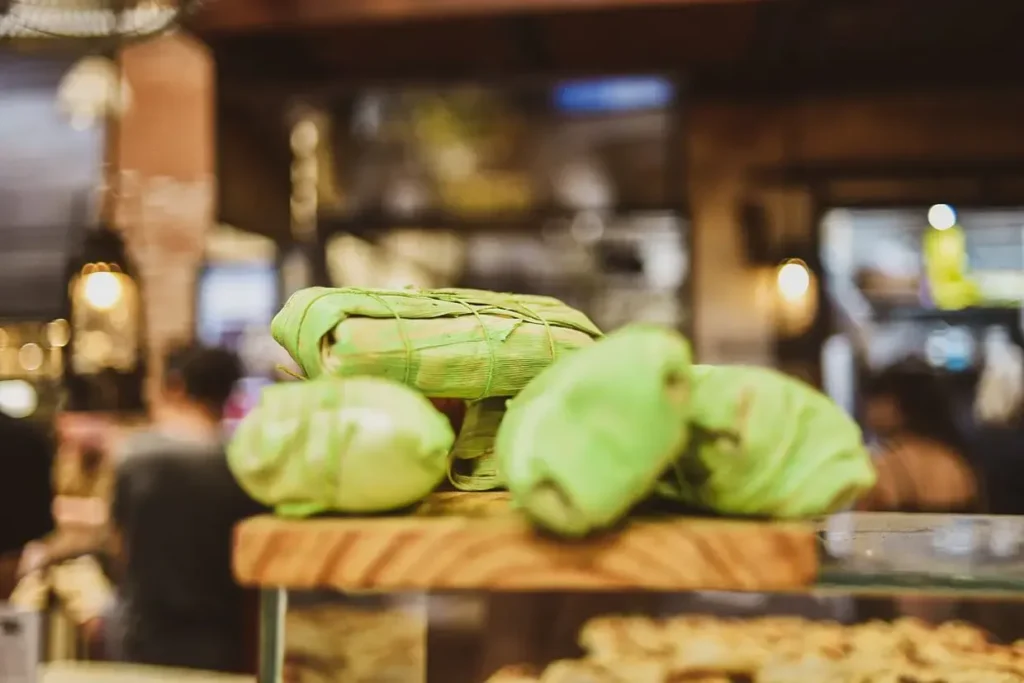
    Tamales wrapped in corn corn husk.
    Tamales wrapped in corn corn husk.

    The South: rare meats, seafood and berries

    The cuisine in southern Argentina is heavily influenced by the region’s geography and climate, which includes the Andes mountains, vast Patagonian plains, and a long coastline. This region is known for its unique variety of meats, including lamb, goat, guanaco (wild relative of the llama), and wild boar. Seafood, particularly shellfish, is also prominent along the coast.

    In addition to meats and seafood, the southern region is known for its use of locally grown produce. Berries and fruits such as rosa mosqueta (rosehip), calafate (barberry), cassis and blackberries are used in jams, liqueurs and syrups. The South is also well-known for its chocolate production, which very often incorporates berries and nuts.

    You can enjoy some fantastic chocolate in Bariloche and San Martín de los Andes (if you aren’t visiting the south, we recommend buying some Chocolate at RapaNui in Buenos Aires). If you are itching for seafood, Ushuaia is the place to go (and the best place to try centolla, the southern king’s crab).

    What to eat in Buenos Aires

    For most tourists, the first stop while visiting Argentina is the capital city of Buenos Aires. The giant metropolis features an impressive culinary scene.

    For a city dweller – the elusive porteño – what counts as “typical” is not so much the food but the location: bodegones, dinner-style restaurants featuring soccer memorabilia, antique advertisements and old-fashioned decor. Hearty, rustic meals that are deeply rooted in Argentine culinary tradition are served, often featuring simple but flavorful ingredients. Milanesas with mashed potatoes, tortilla and cannelloni are typical bodegón dishes.

    Because Buenos Aires is quite large, we recommend picking one neighborhood to explore – the San Telmo old-town and trendy Palermo are the classics, as they feature historical architecture, incredible restaurants and many locations worth visiting. If you are interested in a culinary & sightseeing experience, check out our food tours – they are the perfect introduction to Argentine culture and food scene.

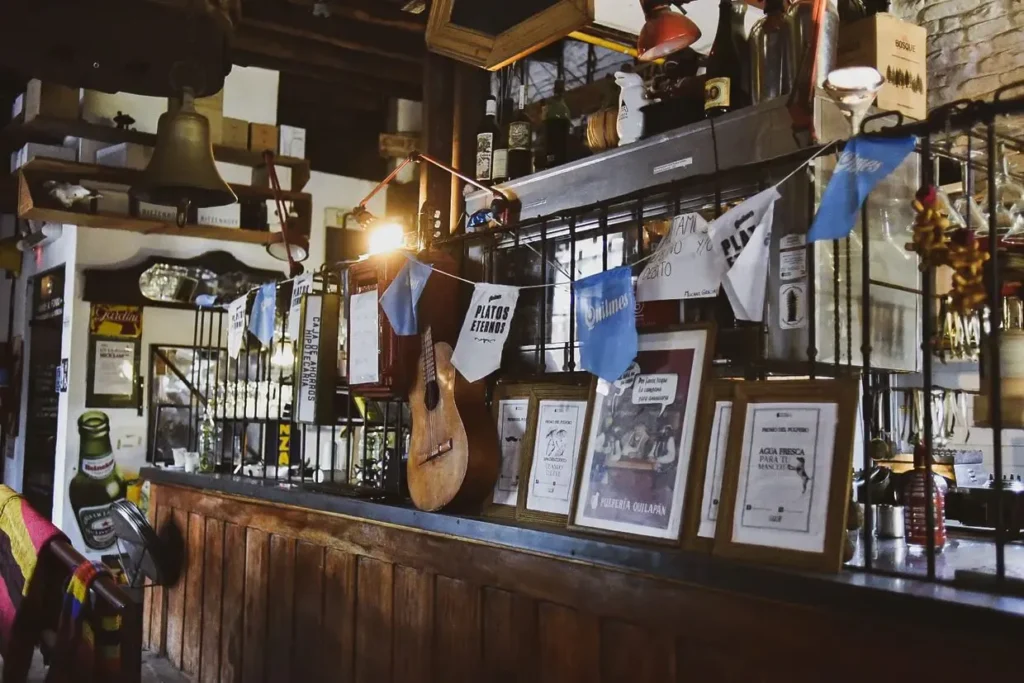
    Typical Bodegón memorabilia.
    Typical Bodegón memorabilia.

    A somewhat brief overview of Argentina’s Food Culture and Diversity

    Argentina’s cuisine is a delightful fusion of flavors and influences from various cultures from all over the world, though not all of them receive the same amount of recognition. We can’t do justice to all of them here, but here goes our attempt to explain, in very broad terms, how different cultures came to shape our cuisine.

    Spanish and Indigenous influence

    The Spanish colonization of Argentina introduced European-style cooking, including the use of olive oil, garlic, and onions, not to mention wine and beef cattle. Ingredients such as maize, potato, cassava, ají, and many others were first used by indigenous nations, who are also to credit for many of Argentina’s typical dishes. Mate tea and chipa (a cheese bread made from cassava flour) can be traced back to the guaraní, for example and hearty humita en chala and tamales are typical from the Andean region, in which folks like the quechua and kolla live.

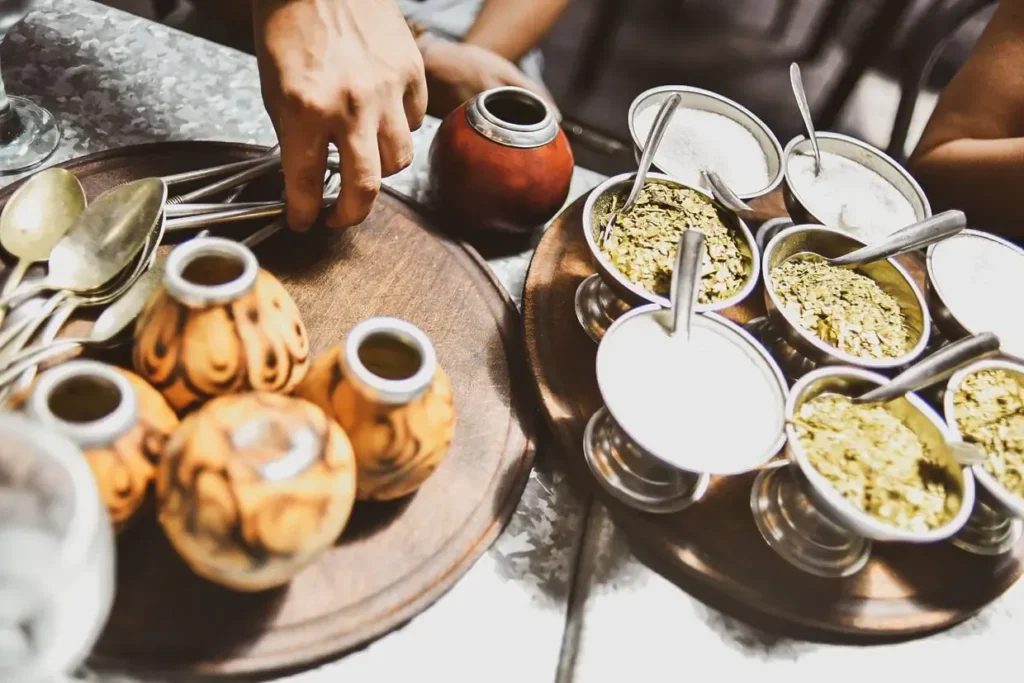
    Mate has a bitter taste, so many people choose to add sugar to lighten the flavor.
    Mate has a bitter taste, so many people choose to add sugar to lighten the flavor.

    Mestizo and African influence

    The gaucho culture, which developed in the countryside, perfected and added grilled meat dishes to the culinary landscape. The first gauchos – horsemen of the Argentine grasslands – were probably mestizos of mixed European and indigenous ancestry.

    Different kinds of offal, like chinchulines (small intestines) and mollejas (sweetbreads) were typically prepared and eaten by African slaves and their descendants long before they were claimed as a national dish and an integral part of asado culture.

    Italian influence

    In addition to these influences, Argentina has experienced waves of immigration from various regions of the world, which have added new dimensions to the country’s cuisine. After the Spanish, the Italians are the most celebrated for their role in shaping Argentine cuisine. Italian immigrants brought the big p’s – pasta and pizza – into the country, as well as many other dishes, drinks and sweets that have become staples in Argentine households.

    Other relevant influences in Argentina’s Food Culture

    Immigrants from many other regions and cultures further contributed to making Argentine food culture what it is today. Arab, German, Polish, Jewish, Welsh and Polish immigrants, to name a few, have all added their culinary heritage to our national cuisine.

    Got questions about Argentina’s food culture? You can contact us via e-mail or social media. If you are coming to Buenos Aires or looking for something to do in town, take a look at our food tours! We promise you a great time, great food and great company.