Blog

  • The Top Bistros in Paris to Experience Classic French Dining

    The Top Bistros in Paris to Experience Classic French Dining

    When you think of Paris, the City of Light, one of the first things that comes to mind is the quintessential Parisian bistro. These charming eateries are the heart and soul of French dining, offering an authentic and unforgettable culinary experience. Whether you’re a food enthusiast, a romantic at heart, or simply a traveler looking to immerse yourself in the local culture, visiting the top bistros in Paris is an absolute must.

    From their cozy atmospheres and traditional decor to the exquisite French cuisine and extensive wine lists, these bistros capture the essence of classic French dining. In this guide, we’ll take you on a journey through the best bistros in Paris, showcasing the most iconic and delectable spots to savor a truly French meal.

    bistros in paris

    Parisian bistros are more than just eateries; they are vibrant reflections of the city’s rich history and cultural heritage. The term «bistro» itself is steeped in legend, with one popular story suggesting it originated from the Russian word «бистро» (bystro), meaning «quick,» which Russian soldiers allegedly used to demand faster service during their occupation of Paris in 1814.

    However, the true essence of bistros lies in their evolution over the centuries. In the 19th century, these establishments emerged as humble, family-run cafes and taverns, catering primarily to the working class. They offered simple, hearty meals and a relaxed atmosphere, making them social hubs where locals could gather to enjoy traditional French dishes like boeuf bourguignon, coq au vin, and cassoulet.

    The golden age of bistros saw these venues become integral to Parisian life, especially after the French Revolution, which democratized access to food and wine. Bistros became convivial meeting places where people from all walks of life could savor local cuisine and wine in a warm and welcoming environment. This period marked the beginning of bistros as we know them today, with their characteristic zinc bars, chalkboard menus, and cozy decor.

    Throughout the 20th century, bistros continued to evolve while maintaining their traditional roots. They played a significant role in promoting French gastronomy globally, attracting literary and artistic figures such as Hemingway and Fitzgerald. Iconic bistros like Le Procope, La Coupole, and Bistrot Paul Bert became synonymous with Parisian culture, offering a blend of classic cuisine and modern flair.

    The authentic charm of Parisian bistros is also reflected in their regional influences. Many original bistro owners were migrants from provinces like Auvergne, who brought their culinary traditions to Paris. This diversity enriched the bistro scene, making each establishment a unique reflection of French regional cuisine.

    Today, Parisian bistros continue to reinvent themselves, balancing tradition with modernity. While some have adapted to cater to a more tourist-oriented clientele, others remain true to their roots, offering an authentic experience that honors the history and soul of Paris. Whether you’re looking for a classic meal in a historic setting or a modern twist on traditional dishes, Parisian bistros are a must-visit destination for any food enthusiast.

    1- La Fontaine de Mars

    Located in the heart of Paris, on the rue Saint-Dominique, La Fontaine de Mars is a quintessential French bistro that embodies the spirit of traditional French cuisine. This charming establishment, dating back to 1908, has garnered significant attention, including a visit from President Barack Obama and his wife Michelle. Renowned for its Southwestern French dishes, such as cassoulet and duck breast with Corsican honey, La Fontaine de Mars serves generous portions paired with an excellent selection of wines, including their house wines offered in ‘pots’ at a reasonable price.

    The bistro’s ambiance is equally impressive, with classic red-and-white checked tablecloths, lovely glassware, and a charming outdoor terrace overlooking a fountain. The service is consistently praised for its warmth and professionalism, ensuring every dining experience is special. From the amuse-bouche of delicious sausage to the meticulously presented dishes, La Fontaine de Mars creates a truly authentic French dining experience.

    • Address: 129 Rue Saint-Dominique, Paris.

    2- Chez Georges

    Nestled in the historic Saint-Germain-des-Prés neighborhood, Chez Georges is another iconic bistro offering a genuine taste of classic French cuisine. With its elegant yet cozy atmosphere, this bistro has been a favorite among locals and visitors alike for decades.

    The menu features a range of traditional dishes, including escargots, foie gras, and steak tartare, all prepared with fresh, high-quality ingredients. Chez Georges is also celebrated for its extensive wine list, which includes a variety of French wines that perfectly complement the bistro’s culinary offerings.

    The service is known for its warmth and attentiveness, adding to the overall charm of the dining experience. Whether you’re looking for a romantic evening or a casual meal with friends, Chez Georges provides an authentic and memorable experience of French bistro culture.

    • Address: 11 Rue des Canettes, París.

    3- Le Bon Georges

    Located on the rue des Deux Gares in the 10th arrondissement, Le Bon Georges offers a modern take on the traditional Parisian bistro. While it maintains the classic charm of its predecessors, it introduces a contemporary twist to its menu and atmosphere. The bistro is known for its natural wine list and creative dishes that blend traditional French flavors with modern flair.

    The interior of Le Bon Georges is stylish and inviting, featuring a mix of vintage and modern decor that creates a unique and welcoming atmosphere. The service is friendly and knowledgeable, helping diners navigate the menu and wine list.

    For those looking to experience the evolution of French bistro cuisine, Le Bon Georges is an excellent choice.

    • Address: 45 Rue Saint-Georges, Paris

    4- Bistrot Paul Bert

    Situated on the rue Paul Bert in the 11th arrondissement, Bistrot Paul Bert is a highly acclaimed bistro that has garnered a loyal following among food enthusiasts. This bistro is known for its classic French menu, which includes dishes such as steak tartare, confit de canard, and a variety of seasonal specials.

    The atmosphere at Bistrot Paul Bert is warm and convivial, featuring a traditional zinc bar and cozy decor that evokes the classic bistros of Paris. The service is attentive and knowledgeable, and the wine list is extensive, offering a range of French wines that pair perfectly with the bistro’s culinary offerings.

    Bistrot Paul Bert is a must-visit for anyone seeking an authentic and delicious French dining experience in a quintessential Parisian setting.

    • Address: 18 Rue Paul Bert, Paris.

    To fully enjoy your bistro experience in Paris, it’s essential to understand and respect the local dining etiquette. Here are some key tips to help you blend in and make the most of your meal.

    Arriving and Seating

    When entering a bistro, start by greeting the host or server with a friendly «Bonjour» or «Bonsoir,» depending on the time of day. This sets a positive tone for your dining experience. You may be asked if you prefer to be seated inside (en salle), at the bar (au bar), or outside (en terrasse).

    If there is a hostess stand or a sign that says «ATTENDEZ,» wait to be seated by someone.

    In Parisian bistros, seating can be quite intimate, with tables close together. Don’t be surprised if you’re seated near other diners; this is a common practice and part of the bistro’s convivial atmosphere.

    Interacting with Your Server

    French servers are trained professionals who focus on guiding you through the menu rather than engaging in small talk. When your server arrives, they might say «J’arrive!» to indicate they see you and will attend to you shortly.

    Order your food and drinks together unless you’re having an apéritif. The server will take your order and may repeat it back to ensure accuracy.

    If you need attention during your meal, make eye contact with your server or subtly wave to get their attention. Avoid yelling out for them, as this is considered impolite.

    Ordering and Menu Etiquette

    Menus in Parisian bistros are often simple and short, featuring local and seasonal ingredients. The dishes of the day are usually written on a chalkboard and may include options like entrecôte, coq au vin, or confit de canard.

    It’s advisable to stick with the menu as presented, as substitutions are generally not welcomed. The chef has carefully crafted each dish, and making changes can be seen as disrespectful.

    If you’re unsure, opting for the plat du jour (dish of the day) is a safe and delicious choice. Also, be mindful of dishes containing intestines if you’re not comfortable with them.

    Dining Etiquette

    When dining, remember that bread is served as an accompaniment and should be eaten in small portions. Butter is not typically provided with the bread.

    Enjoy your meal without rushing, as the French value the dining experience and savoring each bite.

    Keep your phone use to a minimum and avoid working on your computer at the table. This helps you fully engage with your meal and the company you’re with.

    Tipping and Paying the Bill

    In Paris, gratuity is included in the bill, but leaving a small tip—such as rounding up or leaving a few extra euros—is appreciated for good service. When you’re ready for the bill, politely ask, «L’addition, s’il vous plaît.» The server will bring the bill on a small tray, and you can pay either by card or cash.

    If you’re paying by card, simply place your card on the tray, and the server will process the payment in front of you.

    Leaving the Bistro

    After finishing your meal, thank your server with a polite «Merci, au revoir monsieur/madame» if they are nearby. Leaving a small tip on the bar or table is also a thoughtful gesture. As you leave, be mindful to keep your conversation level low and respect the other diners.

    By following these simple guidelines, you’ll immerse yourself in the authentic Parisian bistro experience, enjoying not only the food but also the culture and atmosphere that make these establishments truly special.

    Paris is more than a postcard-perfect city—it’s a feast for the senses. With Sherpa Food ToursParis Private Experience, you’ll step beyond the typical tourist path and into the heart of local life, where every corner bakery, market stall, and café table tells a story through flavor.

    This exclusive, fully customizable food tour is designed just for you. Whether you’re dreaming of buttery croissants fresh from the oven, delicate cheeses paired with the perfect wine, or discovering where Parisians really go for their favorite treats, this experience offers an intimate and delicious look at Parisian culture.

    Led by a passionate local guide, you’ll explore hidden culinary treasures and must-try classics while learning the traditions and tales behind them. It’s not just a food tour—it’s your personal journey through one of the world’s most iconic culinary capitals.

    Perfect for curious food lovers, couples, families, and travelers with specific dietary needs, this private adventure is paced to your rhythm and tailored to your tastes.

    Why This Tour Is a Must:
    🥐 Private & Personalized – A one-of-a-kind food tour crafted around you.
    🧀 Authentically French – Taste the flavors that define Paris—from local secrets to timeless staples.
    👣 Made for Everyone – Welcomes all guests, including families and those with dietary preferences.

    Would you like a version that’s more romantic, chic, or playful? I can adjust the tone to fit different audiences!

    In conclusion, experiencing the authentic charm of Parisian bistros is an essential part of any trip to Paris. These establishments hold a rich history and cultural significance, having transformed from modest working-class eateries into iconic social hubs over time. When visiting, remember to respect local dining etiquette—wait to be seated, take your time to order, and engage with the staff and fellow patrons.

    Savor classic French cuisine, explore the extensive wine selections, and enjoy the warm, convivial atmosphere. Whether you choose to dine at Bistrot Paul Bert, Chez Georges, or any other bistro, take the time to linger over your meal and immerse yourself in the unique ambiance that defines Parisian bistro culture. Plan your next trip to Paris and indulge in the quintessential French dining experience that awaits you in these cherished bistros.

    What Is The Proper Etiquette For Ordering Food In A Parisian Bistro?

    When ordering food in a Parisian bistro, proper etiquette includes:

    • Speaking French, or at least making an effort, as it is appreciated by the staff.
    • Waiting to be seated by the staff instead of choosing your own table.
    • Greeting the staff politely with «bonjour» or «bonsoir.»
    • Using key phrases like «Je voudrais» or «Je prends» to order, and asking for the «plat du jour» if unsure.
    • Avoiding restaurants near major landmarks and opting for those with seasonal menus and good reviews.
    • Being respectful and patient, as French waiters prioritize efficiency and respect your dining space.

    How Do I Know If A Bistro Is Authentic And Serves Traditional French Cuisine?

    An authentic French bistro usually features:

    • A relaxed, unpretentious atmosphere with rustic decor, such as wooden tables, vintage chairs, and black-and-white tiled floors.
    • A menu that includes classic dishes like steak-frites, coq au vin, and escargots, made with high-quality, often seasonal ingredients.
    • Reasonable prices and friendly, efficient service.

    What Are Some Common Dishes To Avoid If I Am Not Comfortable With Certain Types Of Food, Such As Intestines?

    If you are not comfortable with intestines, avoid dishes like:

    • Chitterlings: boiled or fried small intestines, common in Southern US and European cuisine.
    • Pajata: Italian dish with calf intestines.
    • Kokoretsi: grilled lamb intestines in Balkan and Turkish cuisine.
    • Sai mu thot: deep-fried pork intestines in Thai cuisine. 
    • Various Vietnamese dishes featuring boiled, grilled, or fried pork intestines.

    Do I Need To Make A Reservation To Dine At A Popular Parisian Bistro, Or Can I Just Walk In?

    While walk-ins may be possible, making a reservation is highly recommended for popular Parisian bistros to ensure a table, especially during busy times or at well-known establishments.
    Did you enjoy this travel guide? Stay updated with our blog and explore more of our posts!

  • 10 Must-Try Spicy Mexican Dishes for Heat Lovers

    10 Must-Try Spicy Mexican Dishes for Heat Lovers

    For those who crave heat, spicy Mexican food is a true paradise. Known for its bold flavors, Mexican cuisine features an exciting mix of chili peppers, salsas, and spices that transform every dish into a fiery culinary delight.

    Whether it’s the mild warmth of guajillo chilies or the intense kick of arbol and puya chilies, Mexican cuisine offers a variety of spicy options to suit every preference. From street food staples like tacos stuffed with spicy chorizo to hearty bowls of chili con carne, the spicy essence of Mexican dishes is unmistakable.

    Smoky chipotle peppers, tangy fresh salsa, and creamy sour cream combine to create meals that are both thrilling and satisfying. For spice enthusiasts, these dishes are more than food—they’re an adventure that excites the taste buds and leaves you longing for more.

    This article will explore must-try spicy Mexican dishes, from fiery appetizers to bold main courses, and even desserts with a surprising spicy twist. Prepare for a flavorful journey that celebrates the best of Mexican cuisine for heat lovers.

    spicy mexican dishes

    When it comes to spicy Mexican food, appetizers set the stage for a flavorful and fiery meal. Below are some must-try fiery appetizers that will ignite your taste buds and leave you craving more.

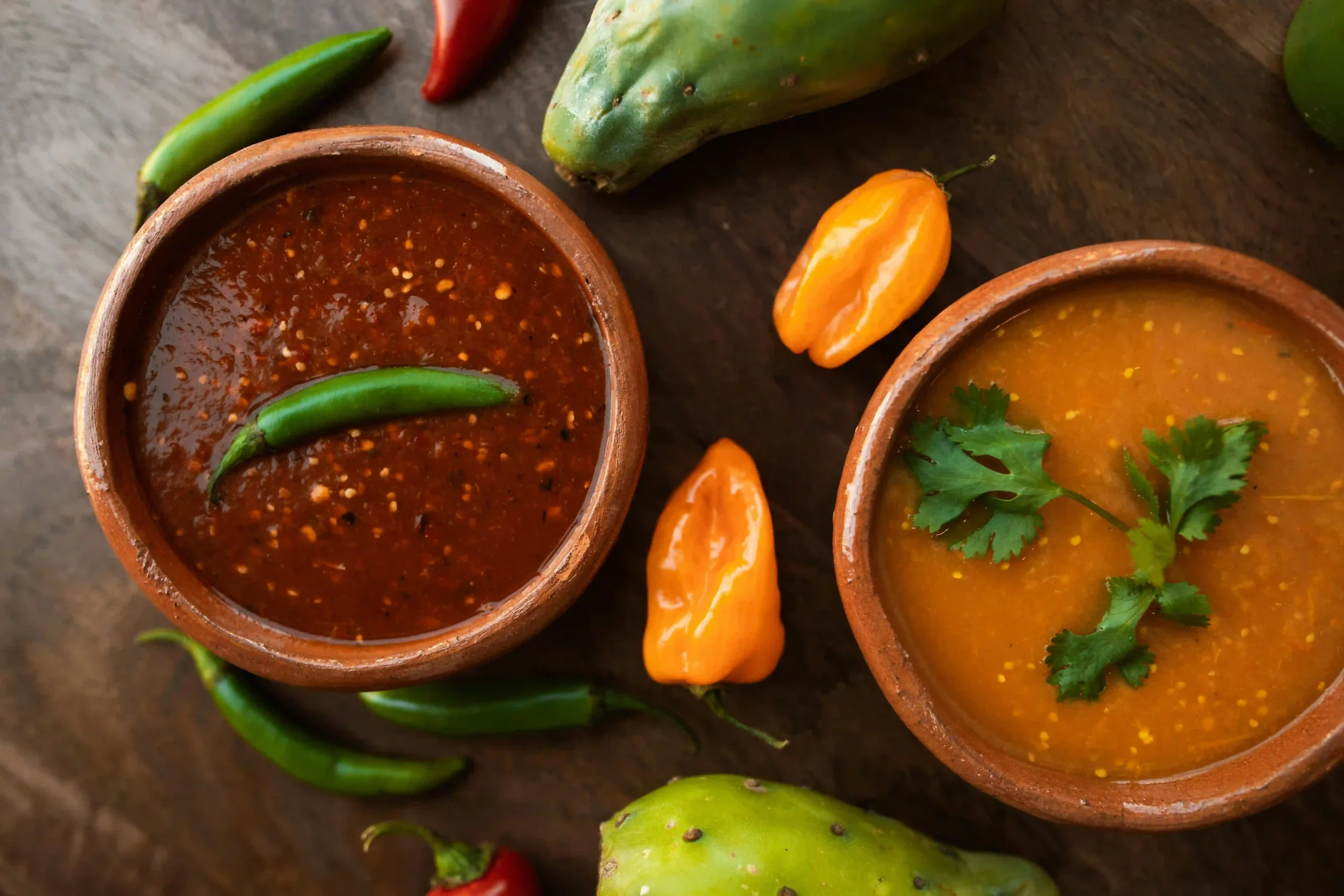
    1. Salsa Roja

    Salsa Roja, or red sauce, is a cornerstone of Mexican cuisine, often serving as the base for many dishes. As an appetizer, it transforms into a bold and flavorful way to kick off your meal.

    Prepared with roasted tomatoes, onions, garlic, and a mix of chili peppers such as arbol or guajillo, Salsa Roja delivers a moderate to hot level of spice. Pair it with crispy tortilla chips or use it as a dip for grilled meats or vegetables to savor the authentic taste of Mexico.

    2. Jalapeño Poppers

    Jalapeño poppers are a beloved spicy appetizer that blends the creamy richness of cheese with the fiery heat of jalapeños. These bite-sized delights involve stuffing jalapeño peppers with a mix of cream cheese, often enhanced with ingredients like garlic, cilantro, or cheddar cheese.

    The peppers are then breaded and fried, creating a crispy shell that perfectly complements the soft, spicy filling. For a healthier alternative, you can bake them instead of frying, preserving the flavor while reducing the oil content.

    3. Ceviche con Chile Habanero

    Ceviche, a dish where raw fish is marinated in citrus juices, reaches new heights of flavor when combined with the fiery punch of chile habanero. Ceviche con Chile Habanero features fresh seafood such as shrimp or fish mixed with lime juice, diced habanero peppers, onions, and cilantro.

    The habanero adds a fiery yet slightly sweet flavor, making this dish both refreshing and spicy. It’s the perfect appetizer for those who enjoy the vibrant, zesty essence of ceviche with an extra layer of heat.

    Mexican cuisine is celebrated for its rich variety of flavorful main courses, many of which feature a spicy twist that enhances the dining experience. Below are some iconic and spicy dishes that represent the essence of Mexican spiciness.

    4. Chiles en Nogada

    Known for its festive presentation and historical importance, Chiles en Nogada offers a subtle yet satisfying flavor profile. This traditional dish from Puebla involves roasting and stuffing poblano peppers with a rich picadillo filling made from ground meat, fruits, and spices.

    The peppers are then topped with a creamy walnut sauce (nogada), garnished with pomegranate seeds and parsley, showcasing the colors of the Mexican flag. While not overly spicy, the combination of flavors and the slight smokiness from the roasted poblanos make it a must-try for anyone who appreciates the complexity of Mexican cuisine.

    5. Birria

    Birria is a hearty and spicy stew that holds a special place in Mexican cuisine, particularly in the regions of Jalisco and Chihuahua. Made with meats such as goat, beef, or pork, this dish features a rich, mildly spicy broth infused with chilies like guajillo, ancho, and chipotle peppers.

    The meat is slow-cooked until tender in the flavorful broth and is typically served with tortillas, onions, cilantro, and a splash of lime juice. For those seeking extra heat, some recipes include additional spicy ingredients like diced jalapeños or serrano peppers.

    6. Tacos al Pastor

    Tacos al Pastor, inspired by Lebanese shawarma, are a vibrant and spicy treat. These tacos feature marinated pork cooked on a vertical spit, similar to a gyro, and seasoned with a blend of spices, chilies, and pineapple.

    The marinade often incorporates chili peppers like guajillo or ancho, along with vinegar and spices, giving the pork a rich, slightly sweet and spicy flavor. Served in soft corn tortillas with onions, cilantro, and a slice of pineapple, Tacos al Pastor are a quintessential street food that embodies the spicy spirit of Mexican cuisine.

    7. Enchiladas Placeras

    Enchiladas Placeras, or «market-style enchiladas,» are a spicy and satisfying dish that showcases the versatility of Mexican cooking. These enchiladas are filled with shredded chicken or beef, rolled in corn tortillas, and covered in a spicy tomato-based sauce often made with chipotle or arbol peppers for added heat.

    Topped with melted cheese, sour cream, and a sprinkle of cilantro, Enchiladas Placeras deliver a balanced mix of flavors and textures, perfect for those who enjoy a moderate to hot level of spiciness.

    Mexican cuisine brings its signature spice to the world of desserts and drinks, offering a delightful twist for those who enjoy a touch of heat in their sweet treats. Here are some unique and flavorful options that incorporate a spicy kick.

    8. Mexican Hot Chocolate

    Mexican Hot Chocolate, or «Chocolate Mexicano,» is a rich and flavorful beverage that blends the warmth of chocolate with the heat of chili peppers. This traditional drink is crafted using dark chocolate, milk or water, and a mix of spices such as cinnamon, anise, and a hint of cayenne pepper or chili powder.

    The chili adds a subtle yet noticeable heat to the chocolate, making it an ideal winter treat or a distinctive dessert drink.

    9. Churros with Spicy Chocolate Sauce

    Churros, known for their crispy and sweet fried dough, gain a bold twist when paired with a spicy chocolate sauce. Traditionally, churros are dusted with cinnamon sugar and served with chocolate or dulce de leche for dipping. Adding a spicy element to the chocolate sauce—such as chipotle peppers or a dash of cayenne pepper—creates a delightful contrast between the sweet, crunchy churros and the rich, spicy chocolate.

    10. Mango con Chile

    Mango con Chile is a refreshing dessert that combines the natural sweetness of mango with the vibrant heat of chili peppers. This easy yet flavorful dish involves slicing fresh mango and enhancing it with lime juice, salt, and diced chili peppers like jalapeño or habanero.

    The spicy kick from the chilies complements the sweetness of the mango, delivering a balanced and invigorating treat that’s perfect for warm weather or whenever you crave a burst of flavor.

    Spice isn’t just a flavor in Mexican cuisine—it’s a language. It’s the fiery soul that runs through centuries of tradition, telling stories of indigenous roots, colonial influence, and regional diversity. From smoky chipotle to bright habanero, spice in Mexico City is not about overwhelming heat, but about layering flavor, creating depth, and awakening the senses.

    In every bite, spice brings more than just heat—it carries cultural memory and emotional resonance. Whether it’s a comforting bowl of pozole with a gentle chili warmth or a street taco topped with a salsa that demands your full attention, spice invites you to slow down, feel, and savor. It’s a celebration of contrast and complexity, and a fundamental part of why Mexican food continues to captivate taste buds around the world.

    For many Mexicans, eating spicy food isn’t just a habit—it’s part of daily life, learned from an early age and deeply tied to identity. Chili peppers have been used in Mesoamerican cooking for thousands of years, not only for their flavor but also for their medicinal properties and cultural symbolism. Over generations, spice tolerance becomes almost second nature, with each person developing their own preference and ritual—adding just the right amount of salsa to a taco or reaching for their favorite chile-infused snack. More than a taste preference, it’s a shared experience that connects people to their heritage and to one another.

    If flavor had a heartbeat, it would pulse in Mexico City. With Sherpa Food Tours Mexico City Private Experience, you’re not just tasting food—you’re diving headfirst into a culture that celebrates bold spices, vibrant ingredients, and centuries of culinary tradition. And yes, it might just make you sweat (in the best way).

    From the fiery kick of freshly made salsa to the smoky depth of tacos al pastor straight off the trompo, this private, fully customizable tour invites you to explore the city’s soul through its most unforgettable flavors. Whether you can handle the heat or you’re just curious about it, every stop along the way reveals something delicious, daring, and deeply Mexican.

    Forget cookie-cutter tours. This is your personal journey—designed around your tastes, your pace, and your sense of adventure. Want to try street food that locals swear by? Craving sweet, spicy, and everything in between? Your expert guide will lead you to hidden gems and iconic spots alike, sharing the history, culture, and stories that make each bite meaningful.

    This tour is perfect for: spice-lovers, curious foodies, families, and travelers with dietary needs. Whether you’re chasing the perfect taco or sipping on a cold agua fresca to cool the burn, this is your ticket to the real Mexico City—vibrant, flavorful, and unforgettable.

    Why You’ll Love This Tour:
    🌶 Tailored to You – A private tour built around your cravings and comfort level.
    🌮 Bold, Authentic Flavors – From zesty street snacks to rich, slow-cooked classics.
    👨‍👩‍👧‍👦 Everyone’s Welcome – Great for families, groups, and dietary preferences of all kinds.

    Ready to turn up the heat? Step into the heart of Mexico City and let your taste buds lead the way.

    In the vibrant world of Mexican cuisine, the allure of spicy dishes is undeniable. From the intense heat of habanero peppers to the smoky flavor of chipotle peppers, every dish delivers a unique and flavorful experience. The heart of Mexican spiciness lies in its diverse array of chilies, each bringing its own distinct flavor and heat level to the table.

    Whether you’re indulging in fiery appetizers like Salsa Roja, savoring main courses such as Birria or Enchiladas Placeras, or enjoying desserts with a spicy kick like Mexican Hot Chocolate, every bite is a celebration of bold flavors and rich traditions. Embrace the heat, explore the regional variations, and let the bold flavors of Mexican cuisine ignite your palate, leaving you craving more.

    What Are Some Great Places To Try Spicy Mexican Food In Mexico City?

     If you’re looking to dive into spicy Mexican cuisine, Mexico City has plenty of top-rated spots to try. Start with El Vilsito, a taquería famous for their tacos al pastor with bold, spicy salsas. For more variety, visit La Casa de Toño, where their pozole rojo can be made extra spicy and is beloved by locals and tourists alike. For a more upscale experience, try Pujol, where traditional flavors meet modern techniques—ask for the spicier tasting menu options. Don’t miss Los Cocuyos, a small but legendary taco stand in the historic center, known for intense, flavorful meats and fiery salsas.

    Where Can I Find Spicy Food With A Sweet Twist In Mexico City?

    Craving something spicy and sweet? Check out Churrería El Moro, a historic dessert spot where you can dip cinnamon churros in chili-infused chocolate. For a more adventurous combo, La Docena Oyster Bar & Grill in Roma Norte offers spicy seafood dishes with subtle sweet elements like mango habanero sauces. Another must-visit is Rokai, a Japanese-Mexican fusion restaurant where their chili-glazed eel combines umami, spice, and sweetness in one bite.

    Is Tipping Expected In Mexico City Restaurants, And How Much Should I Leave?

    Yes, tipping is expected and appreciated in Mexico City. The standard tip is 10% to 15% of your total bill, depending on service quality. In more upscale places like Rosetta or Quintonil, it’s common to tip closer to 15% or even 20% for exceptional service. Cash is preferred, even if you pay the bill by card. At casual eateries or street food stalls, tipping is not mandatory but rounding up your bill or leaving a few extra pesos is a kind gesture.

    What Types Of Chilies Are Commonly Used In Mexico City’s Spicy Cuisine?

    Chilies are central to the flavor profile of many dishes in Mexico City. You’ll commonly find:

    • Jalapeños (2,500–8,000 Scoville units), used in tacos and salsas, like those at Taquería Orinoco.
    • Serranos (10,000–23,000 units), a staple in pico de gallo and often found at spots like Contramar.
    • Chile de Árbol (15,000–65,000 units), popular for hot sauces served at El Califa.
    • Habaneros (100,000–350,000 units), used in the fiery Yucatecan cuisine you can try at Coox Hanal, a downtown favorite for authentic dishes from the Yucatán.

    Want to check out the Mexico City blog? Explore more of our travel guides.

  • Where to Find the Best Macarons in Paris: A Sweet Guide

    Where to Find the Best Macarons in Paris: A Sweet Guide

    When it comes to the quintessential French dessert—the macaron—Paris stands as the ultimate destination for enthusiasts. With over 1,600 macaron shops scattered across the city, the search for the best macarons in Paris can be both thrilling and overwhelming. For those seeking the perfect blend of flavors, textures, and presentation, Paris offers a diverse array of options that extend beyond the renowned names. Whether you’re a local resident or a visitor, the city’s macaron scene is a treasure trove waiting to be explored. From the classic, elegant creations of famed patisseries to the innovative flavors crafted by emerging artisans, Paris is the ideal place to indulge your sweet tooth and uncover what makes a macaron truly exceptional.

    macarons in paris

    Delicate, colorful, and irresistibly charming, macarons are more than just sweet treats—they’re edible icons of French culinary artistry. These bite-sized confections, made from almond flour, egg whites, and a smooth filling of ganache or buttercream, have become synonymous with Parisian elegance and indulgence. With their crisp shells and melt-in-your-mouth centers, macarons offer a perfect balance of texture and flavor.

    In Paris, the macaron is not merely a dessert; it’s a cultural experience. Revered by locals and adored by visitors, these pastel pastries grace the windows of world-renowned patisseries, each showcasing its unique take on the classic recipe. The city’s passion for pâtisserie perfection has turned it into a global destination for macaron lovers, with storied houses like Ladurée and Pierre Hermé setting the gold standard.

    From timeless favorites to bold innovations, the flavors of Parisian macarons are as diverse as the city itself. Classics like pistachio, raspberry, and salted caramel continue to delight purists with their rich, familiar notes. Meanwhile, adventurous palates will revel in more unexpected creations like black sesame, yuzu, and smoked vanilla—flavors that push the boundaries of tradition while celebrating the creativity of modern French pâtissiers. Whether you crave something comforting or crave the cutting edge, Paris has a macaron for every taste. Below is a list of the best places to try macarons in Paris:

    1- Ladurée: The Classic Choice

    Ladurée, founded by Louis Ernest Ladurée in 1862, is a name synonymous with the quintessential French macaron. This iconic patisserie has been a cornerstone of Parisian culinary culture for over 160 years.

    The story of Ladurée’s macarons began to take shape in the 1930s when Pierre Desfontaines, Ladurée’s grandson, innovated the double-decker macaron by sandwiching two delicate shells with a rich ganache filling. This creation has remained largely unchanged and continues to be a benchmark for macaron perfection.

    Ladurée’s commitment to tradition and quality is evident in every macaron, beautifully packaged in their signature pastel boxes that have become a cultural icon. A visit to Ladurée is not just about tasting a macaron; it’s an experience steeped in history and elegance, making it a must-visit destination for any macaron enthusiast in Paris.

    • Address: 75 Av. des Champs-Élysées, Paris. 

    2- Pierre Hermé: The Innovator

    Pierre Hermé, often referred to as the «Picasso of Pastry,» is another legendary name in the world of French macarons. Known for his innovative and bold flavor combinations, Hermé has elevated the macaron to new heights. After his tenure at Ladurée, where he played a significant role in the brand’s expansion, Hermé opened his own patisserie, bringing with him a fresh wave of creativity.

    His macarons are renowned for their exquisite flavors, such as chocolate passion fruit, salted caramel, and passion fruit, which offer a delightful departure from the traditional. Pierre Hermé’s shops, scattered throughout Paris, including the famous location on Rue Bonaparte, are a haven for those seeking a modern twist on the classic macaron. His attention to detail and passion for innovation make his macarons a favorite among locals and visitors alike, ensuring that every bite is a memorable experience.

    • Address: 86 Av. des Champs-Élysées, Paris

    3- Patisserie Sadaharu Aoki: A Touch of Japan

    Patisserie Sadaharu Aoki introduces a distinctive and refreshing twist to the traditional French macaron scene in Paris. Founded by Sadaharu Aoki, a pastry chef trained in Japan who moved to France in 1991, this patisserie masterfully fuses Japanese flavors and techniques with French patisserie artistry. Aoki’s macarons are celebrated for their innovative flavors such as matcha, wasabi, black sesame, and yuzu, offering a delightful departure from the classic options.

    The pastries are not only visually stunning but also precision-crafted, embodying Aoki’s dedication to simplicity and beauty. With multiple locations in Paris, including boutiques in the 6th and 15th arrondissements, as well as a presence in Galeries Lafayette, Patisserie Sadaharu Aoki is a must-visit destination for anyone eager to experience the fusion of two culinary traditions.

    • Address: 35 Rue de Vaugirard, Paris

    4- Stohrer: The Historic Indulgence


    While Ladurée is widely known for its refined boutiques, Stohrer provides a historic and equally captivating experience rooted in Parisian tradition. Nestled in the bustling Rue Montorgueil, Stohrer is not only the oldest patisserie in Paris—founded in 1730 by Louis XV’s pastry chef—but also a living monument to French pastry artistry. Its richly decorated interior, complete with painted ceilings and gilded details, invites visitors into a regal atmosphere where centuries of culinary excellence are on display.

    The boutique showcases a dazzling array of classics, from their famous baba au rhum and silky éclairs to intricately crafted fruit tarts and delicate viennoiseries. Every visit is an opportunity to explore both the sweet and savory side of French gastronomy, with recipes that have been refined over generations. What makes Stohrer’s experience stand out is not just the quality of its offerings, but the sense of history infused into each bite. Whether you’re selecting pastries to enjoy on the go or building a custom assortment to share, Stohrer delivers a luxurious, immersive experience that captures the elegance and depth of Parisian culinary heritage—making it an unmissable stop for lovers of both tradition and taste.

    • Address: 51 Rue Montorgueil, Paris.

    5- Biscuiterie de Montmartre

    While not as widely known as some of the larger patisseries, Biscuiterie de Montmartre is a hidden gem that offers a unique and authentic experience. Nestled in the charming neighborhood of Montmartre, this small shop is celebrated for its traditional French pastries and biscuits, as well as an impressive selection of macarons.

    The macarons here are crafted with meticulous care, using high-quality ingredients and traditional techniques. While the flavors may not be as exotic as those found in other shops, they are rich and well-balanced, providing a classic macaron experience without the crowds of the more famous patisseries.

    The cozy atmosphere and friendly service further enhance its charm, making Biscuiterie de Montmartre a must-visit for anyone exploring the Montmartre area.

    • Address: 16 Rue Norvins, Paris, Francia

    6- Gem La Pâtisserie: Innovation and Artistry

    Gem La Pâtisserie, located on Rue de Marivaux in the heart of Paris, stands out among the city’s smaller macaron shops. Founded by Gemilyn Guina, a Philippines-born pastry chef trained at Le Cordon Bleu, this patisserie is known for its macarons inspired by the vibrant flavors of Southeast Asia.

    Guina’s creations masterfully combine French pastry tradition with Asian influences, offering unique flavors such as ube (purple yam) with salted caramel, sriracha with salted caramel, pandan, and coconut. Her passion and attention to detail are evident in every macaron, all of which are made on-site. Visitors can even catch a rare behind-the-scenes glimpse of the artisanal process, with macaron shells left to air before baking—a detail that adds to the charm of this hidden gem.

    For those seeking something innovative yet refined, Gem La Pâtisserie is an exceptional choice.

    • Address: 01 Rue de Marivaux, Paris

    Paris isn’t just a city to see—it’s a city to savor. With Sherpa Food Tours’ Paris Private Experience, you’ll discover the heart of the City of Light through its most authentic flavors. This fully personalized private tour is designed to let you explore the city at your own pace, in a way that’s meaningful, immersive, and truly unforgettable.

    Picture yourself strolling down charming cobblestone streets, guided by the smell of freshly baked bread. Taste exquisite cheeses, melt-in-your-mouth pastries, and artisanal charcuterie, all while learning the stories and traditions behind every bite. This isn’t just about eating—it’s about connecting with Paris through its food, its people, and its soul.

    Whether you’re a passionate foodie, a family on an adventure, or a traveler with specific dietary needs, this exclusive experience adapts to you. With a local expert leading the way, every stop becomes a memorable chapter in your Parisian story.

    Why This Tour Stands Out:

    • Crafted Just for You – A fully private, tailor-made experience based on your tastes.
    • Authentic French Flavors – Discover must-try classics and local hidden gems.
    • Welcoming to All – Perfect for food lovers, families, and dietary preferences.

    Get ready to discover Paris in the most delicious way—because sometimes, the best way to know a city is to taste it.

    In the heart of Paris, the search for the perfect macaron is an exploration of flavors, traditions, and creative innovations. From the iconic Ladurée and Pierre Hermé, whose names are synonymous with French patisserie, to rising stars like Patisserie Sadaharu Aoki and Gem La Pâtisserie, every shop offers its own distinctive experience.

    Be sure to discover hidden treasures like Biscuiterie de Montmartre and Carette, which provide authentic and delectable alternatives. Whether you’re a fan of classic flavors or enjoy experimenting with new tastes, Paris’s macaron scene has something for everyone. Embark on this delightful journey, visit these must-try spots, and savor the rich flavors that make Paris the macaron capital of the world.

    How Long Can I Store Macarons After Purchasing Them, and How Should I Preserve Them?

    Macarons can be stored for:

    • 14 days at room temperature
    • Up to 4 weeks (or 7 weeks in some cases) in the refrigerator
    • Up to 6 months when frozen

    To preserve them, use an airtight container, layer the macarons with parchment paper, and keep them away from moisture and strong odors. For freezing, flash freeze them on a baking sheet before transferring them to an airtight container.

    Can I Consume Macarons After Their Indicated Use-By Date?

    Consuming macarons after their indicated use-by date can be risky, especially if they contain raw eggs that are not pasteurized, as there is a slight risk of salmonella. However, many sources suggest that macarons may still be safe and edible for a few days past the use-by date if stored properly. For optimal safety and quality, it is recommended to consume them within a few days of the date and check for signs of spoilage, such as discoloration, mold, or an unusual texture.

    Are There Any Gluten-Free or Lactose-Free Macaron Options Available in Paris?

    Yes, there are several gluten-free macaron options available in Paris. Ladurée, a renowned patisserie, offers macarons that are 100% gluten-free as they are made with almond flour.

    How are Macarons Typically Shipped to Ensure They Remain Fresh During Delivery?

    To ensure macarons remain fresh during delivery, several protective measures are used:

    • Placed in sturdy, specially designed macaron boxes with inserts to keep them separate and secure
    • Wrapped individually in small bags or separated by bubble wrap to prevent breaking
    • Packaged in insulated mailers or thermal boxes with ice packs to maintain a cool temperature
    • Filled with materials like crinkle paper or shredded paper for additional insulation and cushioning
    • Shipped via overnight or priority shipping to minimize transit time

    Did you enjoy this travel guide? Stay updated with our blog!

  • The Best Traditional Mexican Drinks to Experience Authentic Flavors

    The Best Traditional Mexican Drinks to Experience Authentic Flavors

    When you think of Mexico, vibrant colors, rich culture, and delicious cuisine often come to mind. One of the most authentic ways to immerse yourself in the essence of Mexico is through its beverages. From the iconic margarita, blending bold tequila, fresh lime juice, and agave nectar, to the refreshing agua frescas that cool you on a hot day, traditional Mexican drinks  showcase the country’s diverse and flavorful heritage.

    Whether you’re exploring the lively streets of Mexico City or enjoying a quiet evening at home, these drinks offer a taste of Mexico’s warm hospitality and cherished traditions.

    Mexico’s drink culture is as varied as its regions, with each beverage carrying a unique story. From the smoky richness of mezcal to the sweet, creamy horchata, every sip invites you to discover the flavors and history of this captivating nation.

    In this guide, we’ll explore the best traditional Mexican drinks, featuring both alcoholic and non-alcoholic options. Whether you’re cooling down with agua fresca, savoring spicy hot chocolate, or indulging in a classic cocktail, Mexico has a drink to delight your palate and leave you craving more.

    1- Tequila: Mexico’s Global Ambassador

    Tequila is perhaps the most iconic and widely recognized Mexican spirit, and for good reason. Made from the blue agave plant, primarily in the state of Jalisco, tequila has become a global ambassador for Mexican culture.

    It comes in several varieties, including blanco, reposado, añejo, and extra añejo, each with its own unique characteristics and flavors. Tequila is traditionally sipped neat, often accompanied by sangrita, a spicy tomato-based drink, to balance its bold flavors.

    However, it is also a versatile ingredient in many cocktails, most famously the Margarita, but also in drinks like the Tequila Sunrise and Tequila Sour.

    Whether you prefer the crisp, raw taste of tequila blanco or the smoother, aged flavors of tequila añejo, there is a type of tequila to suit every palate. Its popularity extends beyond Mexico, with tequila being enjoyed in bars and homes around the world. This spirit is not just a drink; it’s a symbol of Mexican hospitality and a way to connect with the country’s rich heritage.

    Where to try Tequila in Mexico City?

    tequila mexican drinks

    2- Mezcal: Smoky and Sublime

    Mezcal, often referred to as tequila’s smoky cousin, is another agave-based spirit that has gained significant global attention. Unlike tequila, which is made exclusively from blue agave, mezcal can be produced from various types of agave.

    The distinctive smoky flavor of mezcal comes from the traditional method of roasting the agave hearts underground, which imparts a rich, complex taste. Mezcal is typically consumed straight, often with orange slices and salt, and is growing in popularity as a craft spirit.

    Mezcal’s smoky profile makes it a favorite among those who appreciate a deeper, more nuanced flavor. It is often enjoyed in small sips, allowing the drinker to fully appreciate its intricate flavors. With its unique taste and cultural significance, mezcal is a must-try for anyone looking to explore the diverse world of Mexican spirits.

    You can try Mezcal in these spots in Mexico City: 

    3- Pulque: The Ancient Drink of the Gods

    Pulque, known as «the drink of the gods» in Aztec culture, is a traditional Mexican beverage that dates back centuries. Made from the fermented sap of the maguey (agave) plant, pulque has a milky, slightly sour taste and a thick consistency.

    It is traditionally served fresh in pulquerías and is experiencing a revival among younger Mexicans and tourists.

    Pulque is more than just a drink; it is a part of Mexico’s historical and cultural fabric. Its production and consumption are steeped in tradition, and it is often enjoyed in social settings where it fosters a sense of community and celebration.

    For those looking to experience a truly authentic and ancient Mexican drink, pulque is an unforgettable choice.

    Where to taste Pulque in Mexico City?

    4- Horchata: A Creamy Delicacy

    Horchata is a cherished non-alcoholic Mexican drink, renowned worldwide for its creamy texture and sweet flavor. While its origins trace back to Valencia, Spain, it has become deeply rooted in Mexican culture. Horchata is typically prepared by soaking rice grains, often combined with almonds or other seeds, followed by blending and straining the mixture.

    The resulting beverage is infused with cinnamon and vanilla, creating a comforting and inviting taste. Perfect for hot days, horchata serves as a refreshing and hydrating alternative to commercial soft drinks.

    It is commonly enjoyed alongside traditional Mexican dishes like tacos, tamales, and street corn, enhancing the overall dining experience with its smooth and slightly sweet profile.

    Where can you try Horchata in Mexico City?

    5- Agua Fresca: Hydrating and Flavorful

    Agua fresca, which means «fresh water,» is a staple in Mexican drink culture, offering a delightful and flavorful way to stay hydrated. These beverages are crafted by infusing water with fresh ingredients such as fruits, vegetables, and flower petals, often with a hint of sugar to balance any bitterness or tartness. Popular varieties include agua de jamaica (hibiscus), agua de sandía (watermelon), agua de pepino (cucumber), and agua de piña (pineapple).

    The versatility of agua fresca lies in its adaptability, allowing almost any ingredient to be infused into water. This makes it a fun and creative option for enjoying a cool drink. You can learn more about Aguas Frescas and where to try them in this article. 

    6- Tepache: Pineapple’s Sweet Ferment

    Tepache is a traditional Mexican drink celebrated for its unique fermentation process and sweet, slightly tangy flavor. Made from the peel and core of pineapples, tepache is fermented in water, resulting in a refreshing and slightly effervescent beverage.

    The fermentation process imparts tepache with a rich texture and a diverse flavor profile that is both sweet and slightly sour. Often served over ice or enhanced with ingredients like cinnamon or ginger, tepache is a popular choice for those seeking a drink that is refreshing and full of natural flavors. Its traditional preparation and distinct taste make it a beloved beverage in many regions of Mexico.

    Where to buy Tepache in Mexico City?

    7- Champurrado: A Chocolatey Comfort

    Champurrado is a rich and comforting Mexican drink that is perfect for festive occasions, especially during the winter and holiday seasons. This thick, chocolatey beverage is a variation of the traditional atole, made with Mexican chocolate, milk, piloncillo (raw cane sugar), cinnamon, and masa harina (corn flour).

    The combination of these ingredients creates a velvety, smooth texture and a deep, chocolatey flavor that is both warming and indulgent. To prepare champurrado, the piloncillo and cinnamon are first dissolved in water, then Mexican chocolate tablets are added and melted, followed by the mixture of masa harina and water, which thickens the drink. The result is a deliciously thick and creamy drink that can be enjoyed on its own or paired with traditional Mexican treats like tamales, buñuelos, or sweet bread.

    The preparation of champurrado can be customized to suit different tastes. For example, you can add a pinch of salt to enhance the flavors, use dairy-free milk for a vegan version, or add spices like cloves or star anise for extra depth.

    This drink is a staple during Mexican holidays and gatherings, providing a cozy and comforting beverage that brings people together.

    Where To Try Champurrado? 

    8- Margarita: The Party Starter

    The Margarita is one of Mexico’s most iconic and beloved cocktails, making it a perfect choice for any celebration. This classic drink is a simple yet elegant blend of tequila, fresh lime juice, and a touch of agave nectar or simple syrup, served in a salt-rimmed glass. The Margarita’s popularity stems from its balanced flavors, with the tequila providing a bold base, the lime juice adding a tangy freshness, and the agave nectar or simple syrup contributing a hint of sweetness.

    Whether you’re hosting a party or just want to add a festive touch to your evening, the Margarita is an excellent choice. Its versatility also allows for various twists, such as using different types of tequila or adding flavors like jalapeño or blood orange to create unique variations.

    The Margarita is more than just a drink; it’s an experience. The ritual of preparing it, from rimming the glass with salt to carefully mixing the ingredients, adds to its appeal. It’s a drink that brings people together, whether it’s at a casual gathering or a more formal event.

    Where To Try a Margarita Cocktail?

    9- Ponche: The Holiday Favorite

    Ponche is a traditional Mexican punch that is a staple during holidays and special celebrations. This festive drink is made with a variety of fruits, spices, and sometimes even liquor, creating a warm and inviting beverage.

    The ingredients can vary widely, but common components include guavas, oranges, apples, and tejocotes (a type of Mexican hawthorn fruit), along with spices like cinnamon and cloves. The fruits are simmered in water to extract their flavors and juices, then mixed with sugar and sometimes a splash of rum or brandy to give it an adult twist.

    Ponche is often served hot, making it a perfect drink for cold winter nights and holiday gatherings.

    Ponche is a symbol of Mexican hospitality and community. It is often served at family gatherings, posadas, and other festive events, bringing people together with its warm and comforting flavors. The preparation of ponche is also a communal activity, with everyone contributing to the selection and preparation of the fruits and spices, making it a truly special and festive beverage.

    Looking to experience Mexico through its most iconic beverages? The Mexico City Private Experience by Sherpa Food Tours offers a one-of-a-kind opportunity to explore the country’s rich drink culture—beyond the usual tourist spots. From time-honored spirits to refreshing non-alcoholic favorites, this private tour invites you to discover the full spectrum of Mexico’s traditional beverages at your own rhythm.

    Unlike standard group tours, this personalized experience gives you the freedom to explore local markets, street vendors, and hidden gems that serve everything from smoky mezcal and bold tequila to creamy horchata and tangy tamarindo. Each stop is a new chance to sip, learn, and connect with Mexico’s deep-rooted traditions.

    With the guidance of an expert host, you’ll uncover the cultural stories behind each drink, gaining insight into how these beverages have shaped—and continue to shape—Mexico’s identity. Whether you’re a spirit enthusiast, a curious foodie, or a traveler with a thirst for authentic experiences, this tour promises a flavorful deep dive into the soul of Mexican refreshment.

    Why Opt for This Tour?
    ✅ Fully Customizable & Private – A beverage-focused experience shaped around your interests.
    ✅ Traditional Mexican Drinks – Taste a variety of beloved beverages, both spirited and alcohol-free.
    ✅ Suitable for All – Perfect for culture seekers, families, and anyone eager to discover Mexico’s drink traditions.

    In the vibrant world of traditional Mexican drinks, there is truly something for everyone. From the bold and smoky flavors of mezcal and tequila to the refreshing and fruity aguas frescas, each beverage offers a unique glimpse into Mexico’s rich cultural heritage. Whether you’re warming up with a comforting champurrado, celebrating with a festive margarita, or simply quenching your thirst with a cool agua fresca, these drinks transcend mere refreshment – they are immersive experiences that connect you to the heart and soul of Mexico.

    So, the next time you’re seeking something new to savor, explore the world of traditional Mexican drinks. Discover the flavors, traditions, and stories that make each one truly special. ¡Salud!

    Is Tipping Customary in Mexico City?

    Yes, tipping is a common and appreciated practice in Mexico City. In restaurants, it’s customary to leave between 10% to 15% of the total bill as a tip for good service. Some higher-end establishments may include a service charge, but it’s always good to double-check. For smaller services—like taxis, hotel staff, or street musicians—a few extra pesos are also a thoughtful gesture. While tipping isn’t mandatory, it’s a way to show gratitude and is often expected in hospitality settings.

    How Spicy Is the Food in Mexico City?

    Mexican cuisine is known for its bold flavors, and yes—spice is a big part of that. However, not all dishes are extremely spicy. Many traditional foods are seasoned with chiles, but the heat level can vary depending on the type of chile and how it’s prepared. In most places, salsas are served on the side, allowing you to control the spice level to your taste. If you’re sensitive to spicy food, simply ask your server for recommendations or let them know you prefer mild options—locals are usually happy to help.

    What Are People in Mexico City Like?

    Locals in Mexico City, often referred to as chilangos, are generally warm, welcoming, and proud of their culture. Visitors often comment on the friendliness and hospitality they experience—from helpful directions to spontaneous conversations. Many people are eager to share their favorite food spots or cultural tips. While Spanish is the main language, you’ll find that many people in the tourism industry speak some English, and even basic efforts to speak Spanish are often met with smiles and appreciation.

    Click here to explore more of our travel guides!

  • Bars in Mexico City: Where to find the Best Cocktails

    Bars in Mexico City: Where to find the Best Cocktails

    Mexico City boasts a thriving nightlife scene, perfect for those seeking the best cocktails. Combining the best cocktails in Mexico City in a traditional Mexican spirits like mezcal and tequila with modern creativity, the city offers a unique blend of flavors and experiences. Whether you’re exploring intimate speakeasies hidden in quiet corners or trendy lounges in bustling neighborhoods such as Roma and Condesa, you’ll find a cocktail bar to match your taste.

    From mezcal enthusiasts to live music lovers, Mexico City’s cocktail scene caters to everyone. These bars aren’t just about drinks; they provide unforgettable experiences infused with welcoming atmospheres and local culture. Whether you’re savoring a well-crafted drink or enjoying the vibrant ambiance, Mexico City promises an exciting night out. Ready to explore one of the world’s most dynamic cities? Begin your journey with its exceptional cocktail offerings.

    1- Handshake Speakeasy – The Art of Anonymity

    For those seeking an exclusive and mysterious cocktail experience, Handshake Speakeasy is a must-visit. Located in the Colonia Juárez neighborhood, this bar is tucked away behind an unmarked entrance, adding to its allure. The speakeasy vibe is enhanced by its elegant decor, complete with plush velvet curtains, a black and gold aesthetic, and a hint of Gatsby-era charm.

    Inside, you’ll find a meticulously crafted cocktail menu that blends traditional mixology with modern, scientific techniques. The bartenders here are not just mixologists but chemists and artists, creating drinks that are as visually stunning as they are flavorful.

    The experience at Handshake Speakeasy is two-fold, with the ground floor offering an intimate space and the basement bar introducing a more vibrant, Mexican spirit. Each drink is a work of art, often taking 48 hours to prepare and featuring unexpected textures and flavors. Whether you’re trying the Fig Martini or the Salt N Pepper mezcal highball, every sip is a revelation.

    handshake speakeasy best bars in mexico city
    • Address: C. Amberes 65, Juárez, Cuauhtémoc

    2- Hanky Panky – Another Secret Spot

    If Handshake Speakeasy is fully booked, or you’re looking for another hidden gem, Hanky Panky is another secret spot worth discovering. Ranked among the top bars in Mexico City, Hanky Panky maintains its exclusivity with a discreet entrance and a sophisticated ambiance. This bar is known for its creative cocktails and attentive service, making it a favorite among locals and visitors alike.

    The atmosphere is cozy and intimate, perfect for a night out with friends or a romantic evening. With its unique cocktails and understated elegance, Hanky Panky is a great alternative to the more bustling speakeasies in the city.

    • Address: Turín 52, Juárez, Cuauhtémoc

    3- Limantour – A Trendsetter in Mixology

    For a more laid-back yet equally impressive cocktail experience, Limantour in the Roma neighborhood is a trendsetter in mixology. This bar is celebrated for its innovative cocktails and welcoming atmosphere. Unlike the more secretive speakeasies, Limantour is open and inviting, with a menu that changes seasonally to incorporate fresh and local ingredients.

    The bartenders here are known for their creativity and willingness to experiment, making each visit a new and exciting experience. Whether you’re a local or just visiting, Limantour’s friendly staff and excellent drinks make it a great place to relax and enjoy some of the best cocktails in Mexico City.

    • Address: Av. Álvaro Obregón 106, Roma Norte.

    4- Balmori Rooftop Bar – Skyline and Cocktails

    For a rooftop experience that blends stunning views with a lively atmosphere, Balmori Rooftop Bar in the Roma Norte neighborhood stands out. Situated just three floors up, this modern venue features a lush, green terrace that serves as a tranquil escape above the bustling streets of Mexico City. Thanks to its retractable roof, you can enjoy your drinks under the sun or stars, or stay dry during rainy weather—making it a perfect spot year-round.

    Renowned for its craft cocktails, Balmori offers creations that are both fun and flavorful, expertly prepared by a talented team of mixologists. In addition to cocktails, the bar boasts a selection of Mexican wines and beers, complemented by an international and urban menu with Mexican-inspired dishes, ideal for sharing. The vibe is trendy yet casual, attracting a diverse crowd of locals and tourists who groove to retro tunes spun by the DJ.

    • Address: Zacatecas 139, Second Floor, Cuauhtémoc

    5- Xaman – Dive into Pre-Hispanic Inspiration

    Xaman Bar, located in the Juárez neighborhood, stands out for its unique theme and immersive experience. This bar pays homage to pre-Hispanic culture and shamanism, offering an atmosphere reminiscent of a mystical cave retreat. As you descend the stairs, you’re greeted by a dimly lit sanctuary adorned with hanging plants, handcrafted masks, skulls, and ritualistic totems.

    The air is infused with the aroma of Mesoamerican incense, enhancing the sensory experience.

    The cocktails at Xaman are thoughtfully crafted with botanicals and indigenous ingredients like Xoconostle, agave syrup, manzano peppers, and hoja santa. Their signature cocktail, «Viaje Astral» (Astral Trip), is a must-try, featuring whisky, apple Jack Daniels, Aperol, absinthe, and orange juice. The mixologists at Xaman are true artisans, blending small-batch spirits with unique flavors to create drinks that are both visually stunning and delicious.

    • Address: Copenhague 6, Juárez, Cuauhtémoc

    6- Brujas – Witchcraft and Wizardry with Your Drinks

    Las Brujas (The Witches) is a bar that fully embraces the magic of witchcraft and wizardry. Situated in the heart of Mexico City, this enchanting destination transports you to a realm of mystique and wonder. The decor draws inspiration from ancient witchcraft, featuring candles, mystical symbols, and an ambiance that feels like stepping into a witch’s lair.

    The cocktail menu at Las Brujas aligns perfectly with the theme, offering drinks named after magical potions and spells. Each cocktail is meticulously crafted using ingredients such as traditional Mexican spirits like mezcal and tequila, paired with unique flavors and creative presentations that enhance the magical experience. The bar also hosts live music and a lively atmosphere, making it an ideal spot for a night of mystery and fun.

    • Address: La Casa de Las Brujas, Calle Rio de Janeiro 56 Local B Col, Roma Norte.

    Curious to explore Mexico’s rich cocktail heritage beyond the usual margarita? The Mexico City Private Experience by Sherpa Food Tours offers a customizable and immersive tasting journey designed to showcase the country’s most iconic—and often underrated—traditional drinks.

    Far from a typical group tour, this private adventure invites you to explore the city’s spirited side at your own pace. Sample artisanal creations like mezcal-based concoctions, pulque, and tequila-forward classics as you wander through lively neighborhoods and hidden bars cherished by locals.

    Throughout your experience, a knowledgeable guide will introduce you to the stories, traditions, and cultural roots behind each cocktail, helping you connect with Mexico’s vibrant drinking customs in a meaningful way.

    Ideal for cocktail lovers, couples, and curious travelers, this exclusive experience delivers a relaxed yet enriching dive into Mexico City’s mixology scene—one sip at a time.

    Why Opt for This Tour?
    ✅ Fully Customizable & Private – A cocktail tasting adventure tailored to your preferences.
    ✅ Traditional Mexican Spirits – Discover the depth of mezcal, tequila, pulque, and more.
    ✅ Perfect for Everyone – Great for enthusiasts, groups, and those with specific taste preferences.

    In conclusion, Mexico City’s vibrant nightlife scene offers something for everyone, whether you’re drawn to hidden speakeasies, trendy rooftop bars, or unique themed cocktail bars. From the mystical ambiance of Xaman to the chic elegance of Envy Rooftop, and from the retro dance parties at Patrick Miller to the exclusive nights at M.N. Roy, each venue promises an unforgettable experience.

    Remember to reserve a table at popular spots, savor the local flavors and spirits, and immerse yourself in the diverse cultural and musical offerings. With its welcoming atmosphere and endless options, Mexico City is the perfect destination to create nights that you will always remember.

    What Are the Best Neighborhoods in Mexico City for Finding Exceptional Cocktail Bars?

    Mexico City’s vibrant cocktail culture thrives across several neighborhoods, each offering a unique vibe and concentration of top-tier bars. Here are the best areas to explore:

    Roma Norte
    Roma Norte is a hotspot for cocktail aficionados, with a creative bar scene that balances classic technique with innovation. Spots like Licorería Limantour, Rayo, and Café de Nadie exemplify the neighborhood’s experimental yet welcoming spirit.

    Juárez
    Juárez boasts some of the city’s most refined and intimate speakeasies, including the acclaimed Handshake Speakeasy and the iconic Hanky Panky. It’s ideal for those looking to sip world-class cocktails in hidden, stylish locations.

    Condesa
    Known for its leafy streets and bohemian vibe, Condesa offers relaxed yet high-quality drinking experiences. Baltra Bar is a standout, blending a neighborhood feel with mezcal-forward sophistication.

    Centro Histórico
    The city’s historic core is becoming a destination for cocktail lovers. Bar Las Brujas adds a touch of magic with its all-female bartending team and whimsical drinks, while Tlecan offers mezcal cocktails in a space that feels like a hidden temple.

    Do You Recommend Making Reservations At Bars?

    Yes, most bars are popular, and that means most will be packed.

    What Should You Know About Tipping Etiquette at Cocktail Bars in Mexico City?

    Tipping in Mexico City’s cocktail bars is customary and appreciated, especially when enjoying high-end venues or receiving personalized service. While not obligatory, here are some general guidelines to keep in mind:

    Explore more of our travel guides here!

  • Explore the Best Coffee Shops in Amsterdam for a Perfect Brew

    Explore the Best Coffee Shops in Amsterdam for a Perfect Brew

    When you think of Amsterdam, the term «coffee shop» takes on a unique meaning, quite different from traditional coffeehouses in other cities. Coffee shops in Amsterdam are vibrant spaces where you can legally purchase and consume cannabis in various forms.

    These coffee shops are a cornerstone of Amsterdam’s cannabis culture, offering a relaxed and memorable atmosphere that attracts travelers from around the world. They have been integral to Dutch life for over 50 years, serving as social venues where visitors can not only buy cannabis but also enjoy it on-site.

    Unlike North American dispensaries, Amsterdam’s coffeeshops are designed for socializing. You can spend hours lounging, savoring your purchase, and mingling with locals and fellow travelers. Whether you’re a cannabis enthusiast or simply curious, these coffeeshops are a fascinating part of the city’s charm.

    Most coffeeshops welcome tourists and locals alike, operating from 9 am to 1 am. Their menus feature a diverse selection of high-quality cannabis strains, joints, and edibles. From iconic spots like Barney’s Coffeeshop to the stylish Boerejongens, each venue offers a unique blend of local culture and a welcoming atmosphere.

    1. Boerejongens

    Boerejongens stands out as a luxurious and modern coffeeshop in Amsterdam, offering an upscale experience for cannabis enthusiasts. With its sleek interior design featuring marble counters and wood accents, it resembles a high-end boutique rather than a typical coffeeshop. The staff, dressed in formal attire, provide professional service, guiding customers through an extensive menu of top-quality cannabis and hashish. Boerejongens is renowned for its «spacetry»—a delightful selection of cannabis-infused pastries that cater to both taste and potency preferences. This establishment combines sophistication with a welcoming atmosphere, making it a must-visit for those seeking a refined cannabis experience. 

    • Address: Utrechtsestraat 21, Amsterdam
    Boerejongens coffee shop in Amsterdam

    2. Coffeeshop Sloterdijk

    Coffeeshop Sloterdijk redefines the traditional coffeeshop experience with its contemporary and stylish ambiance. The interior boasts natural light, modern furnishings, and a clean aesthetic that appeals to both locals and tourists. Customers are greeted by knowledgeable staff who offer personalized recommendations from a curated selection of cannabis strains and products. The shop also features a variety of edibles, including cakes and brownies, providing options for different preferences. Coffeeshop Sloterdijk’s commitment to quality and customer service makes it a standout destination for those seeking a modern and comfortable environment to enjoy cannabis. ​

    • Address: Humberweg 2, Amsterdam

    3. Coffeeshop Oost

    Nestled in the vibrant East of Amsterdam, Coffeeshop Oost offers a modern and welcoming atmosphere. Collaborating with Amsterdam Genetics, they provide a curated selection of high-quality cannabis products. Their knowledgeable staff ensures a personalized experience, guiding you to the perfect choice. Whether you’re a local or a visitor, Coffeeshop Oost is dedicated to promoting conscious cannabis use and delivering exceptional service.

    • Address: Derde Oosterparkstraat 73H, Amsterdam

    4. Tweede Kamer

    Located in the heart of Amsterdam, Tweede Kamer is a cozy and inviting coffeeshop known for its warm ambiance and friendly staff. With a focus on quality, they offer a range of cannabis products to suit various preferences. The establishment’s commitment to customer satisfaction makes it a popular choice among both locals and tourists seeking a relaxed environment to enjoy their experience.​

    • Address: Heisteeg 6, Amsterdam

    5. Grey Area

    Grey Area is a legendary coffeeshop in Amsterdam, renowned for its exceptional cannabis selection and intimate setting. Despite its small size, it has attracted a loyal following, including celebrities and cannabis enthusiasts from around the world. Grey Area is particularly famous for its potent strains and knowledgeable staff, who are always eager to share their expertise. The shop’s unpretentious vibe and commitment to quality have solidified its reputation as a must-visit destination for those seeking an authentic Amsterdam cannabis experience. 

    • Address: Oude Leliestraat 2, Amsterdam

    6. Dampkring

    Dampkring stands out with its unique and artistic interior, featuring vibrant colors and eclectic decor. Renowned for its appearance in the film «Ocean’s 12,» it attracts visitors eager to experience its distinctive atmosphere. The extensive menu offers a variety of cannabis options, each with detailed descriptions to assist in selection. Dampkring provides a memorable setting for those looking to enjoy quality cannabis in a visually stimulating environment.​

    • Address: Haarlemmerstraat 44, Amsterdam

    7- The Bulldog Palace

    The Bulldog Palace is one of Amsterdam’s most iconic coffeeshops, located in the lively Leidseplein area. Housed in a historic former police station, this spacious and stylish venue offers a unique twist on the classic coffeeshop experience. With a large interior, relaxed atmosphere, and vibrant energy, The Bulldog Palace attracts both first-time visitors and seasoned cannabis enthusiasts. It’s well-known for its wide variety of quality cannabis products, friendly staff, and a menu that caters to all tastes. The coffeeshop also features a full bar and food service, making it a great spot to unwind and soak in the spirit of Amsterdam.

    • Address: Leidseplein 15, Amsterdam

    The Amsterdam Local Foodie Adventure by Sherpa Food Tours invites you to explore the gastronomic delights of De Pijp, one of Amsterdam’s most dynamic neighborhoods.​ This experience guides you through the bustling streets of De Pijp, renowned for its eclectic mix of eateries and lively atmosphere. You’ll have the opportunity to sample a variety of dishes from emerging culinary spots, each offering a modern twist on traditional flavors. Along the way, your knowledgeable guide will share insights into the evolution of Amsterdam’s food scene and the cultural influences that have shaped it.​

    Ideal for both seasoned food enthusiasts and curious travelers, this tour promises an authentic taste of local life. Whether you’re keen to discover innovative dishes, learn about the stories behind them, or simply enjoy a leisurely exploration of Amsterdam’s culinary hotspots, the Amsterdam Local Foodie Adventure offers a flavorful and enriching experience.​

    Highlights of the Tour:

    ☕ Exploration of De Pijp: Dive into the heart of Amsterdam’s trendiest district.​

    ☕ Diverse Tastings: Enjoy a selection of dishes from up-and-coming eateries.​

    ☕ Cultural Insights: Gain a deeper understanding of the city’s culinary evolution.​

    In conclusion, Amsterdam’s coffee and coffeeshop scene is a rich and diverse tapestry that offers something for everyone. Whether you are a coffee aficionado eager to explore specialty coffee shops like Espresso Fabriek and Lot Sixty One, or seeking a cozy spot for reading and relaxation at places like Café Brecht, Amsterdam has it all. The city’s traditional coffee houses, such as De Koffieschenkerij, and its unique coffeeshops, where you can enjoy cannabis in a relaxed atmosphere, are integral to the city’s culture.

    Remember to distinguish between traditional coffee shops (koffiehuizen) and coffeeshops, as each offers a distinct experience. As you plan your visit, take into account the city’s historic coffee culture, the variety of coffee drinks available, and the welcoming atmosphere of its cafes. Don’t miss the chance to immerse yourself in Amsterdam’s vibrant coffee scene and make the most of your time in this captivating city.

    What Is The Difference Between An Amsterdam Coffee Shop And A Traditional Café Or Coffee House?

    An Amsterdam coffeeshop is a licensed establishment that sells and allows the consumption of cannabis products. In contrast, a traditional café or coffee house (known as a koffiehuis or café) offers coffee, tea, and snacks without cannabis. Coffeeshops typically have a unique atmosphere and are subject to specific regulations, such as age restrictions and limits on cannabis purchases.

    Are Tourists Allowed To Visit And Purchase Cannabis In Amsterdam Coffee Shops?

    Yes, tourists are permitted to visit and purchase cannabis in Amsterdam coffee shops. Amsterdam does not enforce the non-resident ban, meaning tourists can enter these establishments and buy cannabis.

    What Are The Rules And Regulations That Visitors Must Follow When Entering An Amsterdam Coffee Shop?

    When visiting an Amsterdam coffee shop, visitors should adhere to the following rules:

    • Do not confuse a coffeeshop with a regular coffeehouse or café; look for the green and white sticker.
    • Do not purchase more than 5 grams of cannabis per day.
    • Smoking tobacco inside is prohibited by law.
    • Do not mix cannabis with alcohol; coffeeshops do not sell alcohol.
    • Ask staff about smoking areas and products; they are knowledgeable and ready to assist.
    • Be considerate of others, especially in residential areas, and clean up after yourself before leaving.
    • Only visit when sober and avoid stockpiling cannabis.
    • Most coffeeshops accept cash only.

    Can You Purchase Alcohol Or Cigarettes Inside An Amsterdam Coffee Shop?

    No, alcohol cannot be purchased inside an Amsterdam coffee shop, as it is legally prohibited. Additionally, smoking cigarettes inside coffee shops is also against the law.

    Did you enjoy this travel guide? Stay updated with our Amsterdam blog and explore more of our posts!

  • Discover the Best Coffee in Mexico: A Guide to Rich and Flavorful Brews

    Discover the Best Coffee in Mexico: A Guide to Rich and Flavorful Brews

    If you’re searching for best coffee in Mexico, you’re in for an exceptional experience. Mexican coffee is celebrated worldwide for its rich, complex flavors and premium quality, making it a favorite among coffee enthusiasts. Mexican coffees are crafted using 100% Arabica beans grown at high altitudes in regions like Chiapas, Oaxaca, and Veracruz. These beans deliver distinctive flavors with notes of chocolate, nuts, and spices, earning them global recognition.

    coffee in mexico

    Renowned brands such as Marino Coffee and BUNA Coffee lead the way in sustainability and ethical sourcing. Marino Coffee offers hand-roasted beans from Chiapas, Veracruz, and Oaxaca, highlighting citrus and chocolate undertones. BUNA Coffee focuses on ecosystem regeneration and features organic blends with flavors like piloncillo, cacao, and nuts. For the ultimate experience, consider single-origin Mexican coffee from regions like the El Triunfo Biosphere Reserve. These Fairtrade and Organic coffees not only taste amazing but also support local communities. From light, fruity Veracruz Reserve to bold, chocolatey Oaxaca Reserve, Mexican coffee caters to every palate with its diverse and captivating flavors.

    The Highlands of Chiapas and Oaxaca

    Mexico’s coffee landscape is richly diverse, and two of its most renowned coffee-growing regions are Chiapas and Oaxaca. Located in the southern part of the country, these regions boast high altitudes, fertile volcanic soils, and a climate that is ideal for coffee production.

    Chiapas, for instance, is known for its rich, nutty flavor profiles, often described as having a medium body and balanced acidity with notes of chocolate and nuts.

    In Oaxaca, the coffee is characterized by a more complex taste, featuring notes of fruit and chocolate. The region’s unique microclimates and high altitudes contribute to the distinct flavor profiles, making Oaxacan coffee a favorite among those who appreciate a lighter to medium body with bright acidity and citrus and floral undertones.

    Veracruz: Tradition and Aroma

    Veracruz stands out as one of Mexico’s most historic and aromatic coffee regions. With its coffee production dating back to the 18th century, Veracruz has developed a rich cultural legacy around coffee.

    The region is divided into 10 coffee-growing areas, each with its own unique characteristics. Coatepec, for example, is famous for its high-altitude coffee with fruity and floral notes, while Huatusco and Sochiapa produce coffees with intense flavors and velvety bodies.

    The coffee from Veracruz is known for its exceptional quality, thanks to the fertile volcanic lands, warm and humid climate, and traditional production methods. Many Veracruz coffee growers still adhere to artisanal production techniques, which add a unique touch to their coffee. The region’s coffee is often described as having a well-balanced flavor profile with hints of chocolate, spices, and nuts, and it holds the Denomination of Origin, a seal that guarantees its quality and authenticity.

    Puebla and Guerrero

    While Chiapas, Oaxaca, and Veracruz are the most celebrated coffee regions in Mexico, Puebla and Guerrero also contribute significantly to the country’s coffee production. Puebla, though less prominent, offers a range of coffee flavors influenced by its varied terrain and climate. The state’s coffee is often grown in smaller, family-owned farms that focus on sustainable and organic practices, contributing to a diverse and high-quality coffee output.

    Guerrero, on the other hand, is known for its rugged terrain and diverse ecosystems, which create a variety of microclimates suitable for coffee production. The coffee from Guerrero is often characterized by its bold flavors and medium to full body, with notes that can range from earthy and smoky to fruity and floral.

    Both Puebla and Guerrero offer unique coffee experiences that, while less well-known, are equally worth exploring for their distinct flavor profiles and traditional production methods.

    Café Innovations in Mexico City

    Mexico City, the vibrant capital, has undergone a significant transformation in its coffee culture over the past decade. The city has emerged as a hub for specialty coffee, with a plethora of innovative coffee shops that are redefining the traditional coffee experience. One of the pioneers in this movement is Café Avellaneda, located in the charming neighborhood of Coyoacán.

    Founded by Carlos de la Torre, this café is known for its high-quality, estate-grown beans and its unique coffee tasting menu, Popurrí, which takes customers on a journey through various Mexican coffee regions and brewing techniques.

    The city’s coffee scene is also marked by the rise of modern brewing methods and a focus on direct trade relationships with farmers. Cafes like Cardinal Casa de Café in Roma Norte and La Condesa, and Quentin Café in Condesa and Roma, stand out for their meticulous roasting and brewing processes.

    These establishments not only serve exceptional coffee but also create a welcoming atmosphere, often featuring minimalist designs and artisanal furniture, which enhances the overall coffee experience.

    In addition to the aesthetic appeal, these coffee shops have become community hubs where people gather to socialize, work, or simply enjoy a quiet moment. They frequently host events such as coffee tastings, workshops, and barista competitions, further solidifying their role in the local coffee culture. The influence of global coffee trends is evident, but Mexico City’s coffee scene retains its unique cultural identity, blending tradition with innovation.

    Mexico City, known for its cultural richness and cosmopolitan energy, offers a vibrant coffee experience that blends tradition with innovation. The city’s coffee culture is shaped by specialty cafés that source beans directly from small Mexican farms, emphasizing sustainability and regional identity.

    In neighborhoods like Roma, Condesa, and Coyoacán, visitors can explore cafés that showcase both traditional and modern methods. For example, Café Negro in Coyoacán serves café de olla, a traditional Mexican brew made with cinnamon and piloncillo, offering a comforting taste of the past in a cozy, artistic setting.

    Another standout is Café Tormenta in Roma Norte, a vinyl-infused coffee bar that features unique drinks like the Latte Rosita and Óleo Coldbrew, made with locally roasted beans and designed to highlight flavor complexity. The café regularly partners with Mexican farmers and hosts tastings to educate guests. The place is so well-known that it has been visited by pop singer Dua Lipa during her visit to Mexico.

    For a historic twist, Café de Tacuba in the city center combines early 20th-century architecture with traditional Mexican coffee and cuisine. Its rich ambiance offers a deeper cultural immersion alongside your cup.

    Some cafés, such as Dharma Coffee Roasters, offer workshops where visitors can learn about brewing techniques, coffee origins, and sustainable practices. Others, like Bou in Colonia Roma, focus on pairing artisanal coffee with locally made pastries in laid-back, community-oriented spaces.

    From traditional clay-pot brews to curated barista tastings, Mexico City’s coffee experiences provide an unforgettable journey through the country’s coffee-growing regions—without ever leaving the capital.

    1- Global Impact and Recognition

    Mexican coffee has made a significant impact on the global coffee scene, earning international recognition for its quality and unique flavor profiles. As the 10th largest coffee producer globally, Mexico contributes more than 2.3% to global coffee production, with a notable presence in the specialty coffee market.

    The country’s coffee industry has been bolstered by initiatives such as the «Café de México» brand, which was established to promote Mexican coffee on the international stage. This branding effort has helped position Mexican coffee as a premium product, highlighting its quality and distinct flavors.

    Mexican coffee is particularly renowned for its high-quality Arabica beans, with varieties like Typica, Bourbon, and Caturra being highly sought after by coffee connoisseurs worldwide.

    Mexico’s participation in global coffee trade is also marked by its strong export relationships, with the United States being the primary market for Mexican coffee. The country exports green, roasted, and soluble coffee beans, catering to a diverse range of consumers and contributing to the global coffee supply chain.

    2- Sustainability in Coffee Farming

    Sustainability is a cornerstone of Mexican coffee farming, with many producers adopting organic and fair-trade practices. Mexican coffee producers often participate in cooperatives, which enable small farmers to pool resources, share knowledge, and access international markets. These cooperatives play a role in ensuring fair trade practices and helping farmers receive better prices for their coffee, thereby improving their living conditions and promoting sustainable farming practices.

    The Fair Trade movement has also gained significant traction in Mexico, with many coffee producers seeking Fair Trade certification. This certification ensures that producers receive a minimum price for their coffee, promoting economic stability and encouraging sustainable farming practices. Additionally, community development initiatives, such as education and healthcare access, are often supported through Fair Trade programs.

    Mexico is also a leader in shade-grown and organic coffee, with a significant portion of its coffee production meeting these standards. Efforts to strengthen the coffee sector include the introduction of pest-resistant and high-quality coffee varieties, such as Oro Azteca and Marsellesa, which are part of a national strategy to enhance productivity and resilience in coffee farming.

    3- Tasting Profiles

    Mexican coffee is celebrated for its diverse and complex tasting profiles, which vary significantly depending on the region and altitude at which the beans are grown. Coffees from Chiapas are known for their rich, chocolatey flavors and medium body, while those from Oaxaca often feature fruity and floral notes with bright acidity.

    Veracruz coffee is renowned for its balanced flavor profile, with hints of chocolate, spices, and nuts. The region’s unique microclimates and traditional production methods contribute to the distinct flavor profiles, making Veracruz coffee a favorite among those who appreciate a well-balanced cup.

    The high-altitude coffees from regions like Puebla and Guerrero offer bold flavors with medium to full bodies, often featuring earthy and smoky notes. These diverse flavor profiles make Mexican coffee a treasure trove for coffee enthusiasts, offering something for every palate and brewing method.

    Looking for a new way to explore Mexico City’s rich flavors? Forget the rigid structure of traditional tours—Sherpa Food Tours invites you to take the lead on a culinary journey tailored entirely to your tastes. The Mexico City Private Experience blends culture, flavor, and personalization, offering an intimate walking tour through the city’s most vibrant gastronomic corners.

    Whether you’re craving a good cup of coffee to sip as you stroll past taco stands, hunting down authentic tamales and churros, or curious to explore the city’s best-kept food secrets, this tour is your gateway to a more personal and flavorful adventure. Accompanied by a seasoned guide who shares the cultural backstories behind every dish, you’ll not only taste Mexico—you’ll understand it.

    Perfect for curious palates, families, or travelers with dietary needs, this private experience is your chance to taste, learn, and connect with Mexico City’s food scene in your own way.

    Why Opt for This Tour?
    ☕ Fully Customizable & Private – A food tour designed specifically to align with your preferences.
    ☕ Authentic Mexican Cuisine – Indulge in Mexico City’s iconic dishes and discover hidden culinary gems.
    ☕ Suitable for All – Perfect for food enthusiasts, families, and individuals with dietary requirements.

    In conclusion, Mexican coffee is distinguished by its rich heritage, diverse flavor profiles, and dedication to sustainability. From the high-altitude regions of Chiapas and Oaxaca to the traditional coffee culture in Veracruz, each state adds its unique touch to the nation’s coffee landscape.

    The move towards specialty coffee, organic and fair-trade practices, and the adoption of improved coffee varieties has significantly elevated the quality and resilience of Mexican coffee production.

    As you delve into the world of Mexican coffee, keep in mind the importance of supporting small-scale farmers and cooperatives, which form the backbone of this industry. By choosing certified organic and fair-trade coffee, you actively contribute to sustainable farming practices and the economic stability of these communities.

    Whether you are a seasoned coffee connoisseur or just beginning to explore the joys of Mexican coffee, there is a flavor profile waiting for you. Take the next step – visit local coffee shops, sample single-origin coffees, and savor the craftsmanship poured into every cup. Your support can leave a lasting impact on the lives of Mexican coffee farmers and the environment they nurture.

    What Are The Main Coffee-Growing Regions In Mexico And How Do They Influence The Flavor Profile Of The Coffee?

    Mexico’s main coffee-growing regions are Chiapas, Veracruz, Oaxaca, and Puebla. Each region contributes uniquely to the coffee’s flavor profile:

    • Chiapas: Known for smooth, medium-bodied coffee with bright acidity, hints of cacao, and a caramel-like sweetness.
    • Veracruz: Characterized by full-bodied coffee with balanced acidity, notes of nuts, chocolate, and light red fruits.
    • Oaxaca: Produces milder coffee with a sweeter caramel overtone, light citrus acidity, and a creamy body.
    • Puebla: Offers complex flavors with notes of vanilla, citrus, nutmeg, and cacao, influenced by high elevation and diverse nutrients.

    How Does The Traditional Mexican Coffee Preparation Method, Café De Olla, Differ From Other Brewing Methods?

    Café de Olla stands out from other brewing methods by using a traditional clay pot (olla de barro), which imparts an earthy flavor. It incorporates spices like cinnamon, cloves, and star anise, along with piloncillo (unrefined cane sugar) for sweetening. Unlike filtered coffee, it is steeped, resulting in a distinct and flavorful profile.

    What Role Do Spices And Ingredients Like Cinnamon, Allspice, And Mexican Cocoa Play In Enhancing The Flavor Of Mexican Coffee?

    Spices and ingredients like cinnamon, allspice, and Mexican cocoa play a vital role in enhancing Mexican coffee’s flavor. Cinnamon and allspice introduce warm, aromatic notes, while Mexican cocoa, known for its hints of cinnamon and sometimes chili, adds a deep, rich, and slightly spicy taste.

    These ingredients complement and balance the natural coffee flavors, creating a unique and indulgent taste experience.

    How Do Different Roasting Techniques, Such As Light, Medium, And Dark Roasts, Affect The Taste And Aroma Of Mexican Coffee?

    Roasting techniques significantly influence the taste and aroma of Mexican coffee:

    • Light Roast: Preserves the coffee’s natural flavors and acidity, resulting in a brighter, more acidic taste.
    • Medium Roast: Balances flavor and acidity, offering a smooth, well-rounded taste with notes of chocolate, nuts, and spices.
    • Dark Roast: Intensifies the coffee’s body, creating a smoky, rich profile with deeper flavors and reduced acidity.

    Want to know more about Mexico City? Explore more of our travel guides!

  • The Best Places for Brunch in Amsterdam to Kickstart Your Day

    The Best Places for Brunch in Amsterdam to Kickstart Your Day

    The capital of the Netherlands, renowned for its charming canals, vibrant neighborhoods, and rich culinary scene, is the ideal city for a brunch adventure. If you’re searching for the best places for brunch in Amsterdam, you’ve come to the right place. This city boasts a wide variety of brunch destinations, each offering its own unique flavors, ambiance, and specialties.

    From the cozy cafes in De Pijp to the elegant brasseries nestled in the city center, Amsterdam caters to every palate and preference. Whether you’re a local resident or a visitor exploring the city, this guide will introduce you to the top brunch destinations in Amsterdam, ensuring your day begins with fantastic food, great company, and an unforgettable experience.

    1- Dignita Hoftuin

    Dignita Hoftuin stands out as a serene oasis in the heart of Amsterdam. Located behind the H’ART Museum, this charming garden café offers a tranquil escape from the city’s hustle and bustle.

    The restaurant is set within the pristine gardens of the Hoftuin, providing a picturesque backdrop for your brunch. Their menu features creative dishes made with fresh, locally sourced ingredients, including edible flowers, herbs, and seasonal produce. Enjoy traditional brunch favorites like eggs benedict or more innovative options such as pumpkin spice pancakes and cardamom granola.

    The spacious glasshouse-style restaurant and sunny terrace make it an ideal spot for a leisurely brunch, and the separate children’s corner ensures it’s family-friendly as well.

    • Address: Nieuwe Herengracht 18a, 1018 DP Amsterdam
    brunch in amsterdam dignita hoftuin

    2- Greenwoods

    Greenwoods is another gem in Amsterdam’s brunch scene, known for its cozy and inviting atmosphere. Located in the heart of the city, Greenwoods offers a warm and welcoming space that feels like a home away from home. The menu is a blend of classic brunch dishes and healthier options, all made with high-quality ingredients.

    From full English breakfasts to avocado toast and fresh salads, there’s something for every taste. The restaurant’s commitment to using organic and locally sourced ingredients ensures that your meal is not only delicious but also sustainable. Whether you’re looking for a quiet spot with canal´s views, Greenwoods is an excellent choice.

    • Address: Keizersgracht 465, Amsterdam

    3- Cafe Restaurant Amsterdam

    Housed in a stunning former industrial pumping station, Café-Restaurant Amsterdam offers a grand, airy space with soaring ceilings and historic charm. The menu blends French and Mediterranean influences, with a focus on seafood and classic brasserie fare, all served in a laid-back, buzzy setting. Its spacious interior and iconic location make it ideal for groups or a leisurely brunch. Located near Westerpark, it’s a favorite among locals and visitors alike for its unique ambiance and solid, unfussy cuisine.

    • Address: Ceintuurbaan 282, Amsterdam

    4- Omelegg

    Omelegg is a standout destination for those seeking a quick, delicious, and satisfying brunch in Amsterdam. This highly-rated breakfast spot is renowned for its extensive variety of omelettes, with over 22 different options to choose from, including both vegetarian and non-vegetarian choices. Located on Ferdinand Bolstraat in the De Pijp neighborhood, Omelegg is a family-run business that prides itself on using fresh, free-range eggs and locally sourced ingredients.

    The atmosphere is cozy and welcoming, with a charming interior that includes pretty flowers on the tables and a live kitchen where you can watch your meal being prepared. Despite not taking reservations, the fast-paced service ensures minimal waiting time, making it an ideal spot for a quick yet fulfilling brunch.

    • Address: Ferdinand Bolstraat 143, Amsterdam

    5- Bakers & Roasters

    Bakers & Roasters is another excellent choice for a quick and delightful brunch experience in Amsterdam. This popular café, with locations in De Pijp and Kadijken, is known for its vibrant atmosphere and diverse menu.

    Here, you can find a mix of international dishes, including full English breakfasts, pancakes, and a variety of egg dishes. What sets Bakers & Roasters apart is its commitment to high-quality ingredients and its lively, cosmopolitan vibe. The café is particularly famous for its brunch dishes, such as chicken waffles and avocado toast, and it also serves excellent coffee, making it a great spot to grab a quick bite and a cup of coffee to start your day.

    • Address: Eerste Jacob van Campenstraat 54, Amsterdam

    6- The Cottage

    The Cottage, located in the heart of Amsterdam, offers a quaint and inviting setting for a quick brunch. This charming café is known for its homemade pastries, fresh juices, and a variety of breakfast and brunch options. The menu includes traditional dishes like eggs benedict, pancakes, and sandwiches, all made with fresh and locally sourced ingredients.

    The Cottage is also praised for its friendly service and cozy atmosphere, making it a perfect spot for a quick, comforting meal. Whether you’re in a hurry or looking for a relaxed brunch, The Cottage provides a warm and welcoming environment that is hard to resist.

    • Address: Linnaeusstraat 88, Amsterdam

    7- G’s Brunch Boat

    G’s Brunch Boat offers a unique and unforgettable brunch experience that combines the beauty of Amsterdam’s canals with a delicious meal and refreshing drinks. This floating restaurant is the only brunch boat in the world and provides a 90-minute journey through the scenic waters of Amsterdam. The boat features a retractable roof, ensuring that the experience is enjoyable regardless of the weather.

    You can choose between a regular ticket, which includes a brunch dish and a drink, or the bottomless brunch option, which offers unlimited drinks along with your meal. The menu includes a variety of brunch favorites such as eggs benedict, waffles, and bloody marys, all served with a lively hip-hop soundtrack that sets the tone for a fun and vibrant atmosphere.

    Whether you’re looking for a special way to see the city or just want to enjoy a unique brunch, G’s Brunch Boat is an excellent choice.

    • Address: Herengracht 124, Amsterdam

    8- Box Sociaal

    For a brunch experience that combines international flair with local charm, Box Sociaal in Jordaan, Amsterdam is a must-visit. Nestled in one of the city’s most picturesque neighborhoods, this vibrant eatery is known for its relaxed, welcoming vibe and its dedication to fresh, locally sourced ingredients.

    The menu blends global brunch classics with creative twists, offering dishes like eggs benedict, pulled pork sandwiches, and fluffy pancakes with unique toppings. With a strong emphasis on seasonal produce, the kitchen ensures that every plate is both flavorful and thoughtfully prepared. Box Sociaal also boasts a stellar coffee selection and a curated list of cocktails, making it a go-to spot for both casual diners and food lovers alike.

    The laid-back yet lively atmosphere, combined with attentive service, makes this restaurant a top choice for a memorable brunch experience.

    • Address: Bloemgracht 47, Amsterdam

    9- Bali Brunch

    Bali Brunch, located in the trendy De Pijp neighborhood, brings a touch of Bali to the heart of Amsterdam. This tropical-themed café offers a vibrant and relaxed atmosphere, complete with lush greenery and colorful decor. The menu is inspired by Balinese cuisine and includes dishes such as nasi goreng, gado-gado, and various vegan and gluten-free options.

    What sets Bali Brunch apart is its focus on healthy and sustainable food, making it a great choice for those looking for a nutritious yet flavorful meal. The café also serves a variety of fresh juices, smoothie bowls, and specialty coffee drinks.

    Whether you’re in the mood for a light and refreshing meal or something more substantial, Bali Brunch provides a unique and enjoyable brunch experience that feels like a mini-vacation from the city.

    • Address: Stadhouderskade 82A, Amsterdam

    Sherpa Food Tours invites you to experience Amsterdam’s culinary landscape through a fully tailored private tour, offering each guest a one-of-a-kind gastronomic journey shaped around their preferences.

    Unlike typical group outings, this intimate tour gives you the freedom to explore Amsterdam’s rich and varied food traditions at your own rhythm. Sample beloved national favorites like stroopwafels, bitterballen, and raw herring, or wander off the main paths to find secret spots treasured by locals. Throughout your walk, your expert guide will share engaging anecdotes and dive into the cultural roots of each dish, making the city’s culinary legacy come alive.

    Perfect for curious foodies, families, or those with specific dietary requirements, this exclusive tour delivers a rich, flavorful experience that goes beyond the ordinary. Whether you’re after traditional tastes, fascinating food stories, or a more relaxed and private way to explore, the Amsterdam Local Foodie Adventure is your gateway to savoring the city—one mouthwatering moment at a time.

    What Makes This Tour Stand Out?
    Customized & Private – A personalized route built around your tastes.
    Dutch Favorites & Hidden Gems – Try essential dishes and discover secret local spots.
    Inclusive for All – Great for families, culinary fans, and those with special diets.

    Amsterdam’s brunch scene is a vibrant and diverse reflection of the city’s culinary evolution. From the tranquil gardens of Dignita Hoftuin to the lively atmosphere of CT Coffee & Coconuts, and the unique experience of G’s Brunch Boat, there is something for every taste and preference. Don’t forget to explore hidden gems like Box Sociaal and Little Collins, which offer creative and internationally-inspired dishes.

    Whether you’re a local or a visitor, embracing Amsterdam’s brunch culture is a must. Take a stroll through De Pijp, visit the Albert Cuyp Market, and indulge in the city’s best brunch spots to make your day in Amsterdam truly unforgettable.

    What Are The Key Factors That Make A Brunch Spot In Amsterdam Stand Out?

    Key factors that make a brunch spot in Amsterdam stand out include the quality and variety of food, a welcoming ambience, excellent service, a convenient and appealing location, value for money, and a unique touch, such as signature dishes or a distinct theme. Additionally, the spot should cater to various dietary preferences and offer a diverse beverage menu.

    Are There Vegan And Vegetarian Options Available At Most Brunch Spots In Amsterdam?

    Yes, most brunch spots in Amsterdam offer vegan and vegetarian options. Restaurants like Rainbowls Amsterdam, Koffie ende Koeck, Dignita, and Soil provide a wide selection of vegan and vegetarian dishes.

    Do I Need To Make A Reservation For Brunch At Popular Spots In Amsterdam?

    Yes, it is highly recommended to make a reservation for brunch at popular spots in Amsterdam, as many places, such as Bakers & Roasters, Ted’s All Day Brunch, and Lotti’s, can become very busy, especially on weekends.

    What Is The Typical Cost Range For A Brunch Meal In Amsterdam?

    The typical cost range for a brunch meal in Amsterdam is approximately €15–€20. This usually includes one specialty coffee drink but does not cover alcoholic beverages.

    Did you enjoy this travel guide? Stay updated with our blog!

  • Best Mexican Aguas Frescas to Try for a Refreshing Experience

    Best Mexican Aguas Frescas to Try for a Refreshing Experience

    When the sun blazes on a hot summer day, nothing refreshes quite like a glass of cool, fruity goodness. For a taste of tradition, Mexican fruit juices, especially aguas frescas, are the ultimate choice. These iconic drinks are a cornerstone of Mexican culture, offering a variety of flavors to suit every palate. From the sweet tang of watermelon to the zesty kick of lime, aguas frescas blend fresh fruit, water, and a touch of sugar to create a revitalizing experience.

    In Mexico, aguas frescas are enjoyed daily and at special events. Made by blending fresh fruits with water, lime juice, and sweetener, they deliver a refreshing and healthy option. Whether sipping a watermelon agua fresca at a market or enjoying homemade pineapple agua fresca in your backyard, they are perfect for beating the heat. This travel guide explores traditional recipes, favorite fruits, and creative twists to help you craft your own authentic Mexican fruit juices at home.

    aguas frescas mexican drinks

    Mexican aguas frescas are more than just fruit-infused drinks; they also include a variety of traditional flavors that are deeply rooted in Mexican culture. Here, we’ll explore some of the most iconic and beloved non-fruit aguas frescas that are a staple in many Mexican households.

    1 – Horchata

    Horchata is one of the most recognizable and beloved aguas frescas in Mexico. Unlike the fruit-based versions, horchata is made from grains, specifically rice, cinnamon, and vanilla. The process involves soaking rice in water, blending it with cinnamon and vanilla, and then straining the mixture to create a smooth, milky drink. Horchata is often served at family gatherings, festivals, and traditional Mexican meals. Its creamy texture and sweet, slightly spicy flavor make it a perfect complement to spicy foods and a refreshing drink on its own.

    2 – Tamarindo

    Tamarind agua fresca, or Agua de Tamarindo, is another popular variant that showcases the versatility of these traditional drinks. Tamarind is a sour and slightly sweet fruit, but when used to make agua fresca, it is often combined with sugar to balance out its tartness. The tamarind pods are soaked in water, and then the mixture is blended and strained to remove the seeds and pulp. This drink is known for its unique flavor profile, which is both tangy and refreshing. It is a favorite among many Mexicans and is often served at markets and family gatherings.

    3 – Hibiscus (Jamaica)

    Agua de Jamaica, also known as hibiscus tea, is a vibrant and flavorful agua fresca made from the flowers of the hibiscus sabdariffa plant. The flowers are steeped in hot water, then cooled and mixed with sugar and cold water to create a refreshing drink. This agua fresca is known for its deep red color and its slightly tart, cranberry-like flavor. It is not only delicious but also packed with vitamins and minerals, making it a healthy and popular choice. Agua de Jamaica is commonly served at Mexican gatherings and is a staple at many traditional celebrations.

    These traditional aguas frescas offer a glimpse into the rich culinary heritage of Mexico, showcasing the diversity and creativity that goes into creating these refreshing drinks.

    When it comes to creating the perfect aguas frescas, the choice of fruit can make all the difference. Here are some favorite fruits that add a tropical twist to these traditional Mexican drinks.

    4 – Mango Agua Fresca

    Mango agua fresca is a staple of Mexican summer refreshments. This drink is made by blending ripe mangos with water and a touch of sweetener, such as pure cane sugar, agave, or honey. The process is straightforward: peel and chop the mangos, blend them with water and the chosen sweetener, and then strain the mixture through a fine mesh strainer to remove any pulp. This drink is not only delicious but also packed with vitamins A and C, fiber, and potassium, making it a healthy and refreshing choice for hot days.

    5 – Pineapple and Cucumber Agua Fresca

    For a refreshing and unique flavor, combining pineapple and cucumber is a great option. This agua fresca is perfect for those who love a bit of sweetness balanced with the coolness of cucumber. To make it, blend fresh pineapple chunks and cucumber slices with water and a squeeze of lime juice. You can also add a sweetener like sugar or agave to taste. The cucumber adds a light and refreshing touch, while the pineapple provides a tropical sweetness. This drink is ideal for hydrating on a hot summer day and can be garnished with fresh mint or a slice of pineapple for added flair.

    6 – Watermelon Agua Fresca

    Watermelon agua fresca is another popular and refreshing choice, especially during the summer months. This drink is made by blending watermelon chunks with water and a touch of lime juice. The sweetness of the watermelon typically eliminates the need for additional sweeteners, but you can add a bit of sugar if desired. To prepare, blend the watermelon in a high-powered blender, such as a Vitamix, until smooth. Then, strain the mixture through a fine mesh strainer to remove any pulp and seeds. Serve the agua fresca over ice and garnish with a sprig of fresh mint or a slice of watermelon for a refreshing and visually appealing drink. These fruits offer a delightful tropical twist to the traditional aguas frescas, making them perfect for any occasion where a refreshing and flavorful drink is needed.

    While traditional aguas frescas are beloved for their simplicity and flavor, modern twists can add an exciting layer of creativity to these classic drinks. Here are some innovative variations that blend traditional ingredients with new flavors and ingredients.

    7 – Coconut and Lime Agua Fresca

    For a creamy and refreshing spin, consider making a Coconut and Lime Agua Fresca. This drink combines the traditional lime juice and sugar with the richness of coconut. To make it, blend fresh coconut water, coconut milk, freshly squeezed lime juice, and a touch of sugar in a high-powered blender. Strain the mixture through a fine mesh strainer to remove any coconut pulp. This agua fresca is perfect for those who love the tropical flavor of coconut and the zing of lime. You can garnish it with a sprinkle of shredded coconut and a slice of lime for added visual appeal.

    8 – Chia and Lemon Juice

    Another modern take is the Chia and Lemon Juice Agua Fresca, which incorporates the health benefits of chia seeds. This drink is similar to the traditional Agua de Limón con Chía but uses lemon juice instead of lime. Mix chia seeds with water, freshly squeezed lemon juice, and a bit of sugar. Let the mixture sit for at least 30 minutes to allow the chia seeds to absorb the liquid and plump up. This drink is not only refreshing but also packed with fiber and omega-3 fatty acids from the chia seeds. Serve it chilled and garnished with a sprig of fresh mint or a slice of lemon.

    9 – Spicy Pineapple Agua Fresca

    For those who enjoy a bit of spice, the Spicy Pineapple Agua Fresca is a great option. This drink combines the sweetness of pineapple with the heat of jalapeño or other spicy peppers. Blend fresh pineapple chunks, water, a squeeze of lime juice, and a slice or two of jalapeño pepper in a blender. Strain the mixture to remove any pulp or seeds. This spicy twist adds a unique flavor dimension that pairs well with Mexican cuisine, especially dishes like tacos or grilled meats. You can adjust the level of spiciness to your taste by adding more or fewer slices of jalapeño.

    These modern takes on traditional aguas frescas offer a fresh and exciting way to enjoy these beloved Mexican drinks, allowing you to experiment with new flavors and ingredients while still honoring the traditional roots of these refreshing beverages.

    Do you want to try aguas frescas in an innovative way? Then the Mexico City Private Experience by Sherpa Food Tours presents a fully customizable adventure, ensuring each participant enjoys a distinctive and personalized gastronomic exploration.​

    In contrast to conventional group tours, this private excursion empowers you to navigate the city’s vibrant food landscape at your leisure. Buy your aguas frescas drink to accompany Mexican delights such as tacos al pastor, tamales, and churros, or venture into lesser-known locales to uncover culinary treasures beloved by locals. 

    Throughout the journey, an expert guide will enrich your experience with engaging narratives and insights into the cultural significance of each dish, illuminating the essence of Mexico City’s culinary heritage.​

    Tailored for gastronomes, families, and travelers with specific dietary considerations, this exclusive tour promises an unforgettable and immersive experience. Whether your goal is to savor authentic flavors, delve into captivating food stories, or enjoy a relaxed, private exploration, the Mexico City Private Experience offers the ideal pathway to experience the city’s culinary soul—one delectable bite at a time.​

    Why Opt for This Tour?

    Fully Customizable & Private – A food tour designed specifically to align with your preferences.​ 

    Authentic Mexican Cuisine – Indulge in Mexico City’s iconic dishes and discover hidden culinary gems.​ 

    Suitable for All – Perfect for food enthusiasts, families, and individuals with dietary requirements.

    In a few final words, Mexican fruit juices, particularly aguas frescas, offer a refreshing and flavorful way to enjoy the rich culinary heritage of Mexico. From traditional flavors like horchata, tamarindo, and hibiscus to modern twists such as coconut and lime or spicy pineapple, there is an agua fresca for every taste.

    These drinks are simple to make, versatile, and packed with health benefits, making them perfect for hot summer days. Whether you’re exploring traditional recipes or experimenting with new flavors, aguas frescas are a delightful way to stay hydrated and experience the authentic taste of Mexico.

    So, go ahead and try making your own agua fresca at home – you won’t be disappointed!

    What is the difference between agua fresca and traditional fruit juice?

    Agua fresca differs from traditional fruit juice because it is made by blending fresh ingredients—such as fruits, seeds, grains, or flowers—with water and a sweetener. This results in a lighter, more diluted drink. In contrast, fruit juice is often more concentrated and may not include added water or sweeteners.

    Can I use any type of fruit to make agua fresca, or are there specific fruits that work best?

    Not all fruits are suitable for making agua fresca. The best fruits to use are naturally sweet and refreshing, such as watermelon, honeydew, pineapple, cantaloupe, strawberries, and cucumber.

    Fruits like blueberries and blackberries are less ideal because of their seeds and pulp.

    Where can I try agua fresca in Mexico City?

    You can try it at the following locations:

    Are there any non-fruit ingredients that can be used to make unique flavors of agua fresca?

    Yes, non-fruit ingredients can be used to create unique flavors of agua fresca. Examples include chia seeds, dried hibiscus flowers, rice (commonly used in horchata), tamarind, vanilla, alfalfa, and grains like nuts, pumpkin seeds, and barley.

    Want to discover more in Mexico City? Explore more of our travel guides

  • The Best Wine Bars in Amsterdam for an Elegant Experience

    The Best Wine Bars in Amsterdam for an Elegant Experience

    When it comes to enjoying a refined and elegant wine experience, Amsterdam is a haven for exceptional wine bars. Whether you’re an experienced wine enthusiast or just starting to explore the world of wine, the city boasts a wide range of venues to suit every taste and preference. From natural wines to exclusive Champagne tastings, and from cozy neighborhood spots to urban wineries, the best wine bars in Amsterdam are vibrant and diverse.

    This guide will take you through the best wine bars in Amsterdam, showcasing their distinctive offerings, ambiance, and the unforgettable experiences they provide. Whether you’re planning a visit to this charming city or simply looking to enhance your local wine adventures, this is the perfect starting point for your journey.

    1 – Bubbles & Wines

    Bubbles & Wines is a quintessential wine bar that seamlessly blends a carefully curated wine selection with a warm and inviting atmosphere. Situated on one of Amsterdam’s oldest streets, just a short stroll from Dam Square, this bar boasts an impressive wine list featuring over 1,100 references, with more than 55 wines available by the glass. Thanks to the Enomatic system, every wine is preserved in peak condition, ensuring patrons enjoy a wide variety of high-quality options.

    The ambiance is enhanced by soft lighting and a modern yet cozy décor, making it an ideal spot to relax and discover exceptional wines. The selection includes over 400 champagnes, offering something for every wine enthusiast. Gourmet bites, such as charcuterie trays and small plates, complement the wines perfectly, elevating the overall experience into one of sophistication and comfort.

    Address: Nes 37, 1012 KC Amsterdam

    bubbles & Wines best wine bars in amsterdam

    2 – Bar Centraal

    While Bubbles & Wines is a highlight, Bar Centraal also deserves mention. Though specific details about this establishment are limited, it is well-known for its central location and welcoming ambiance. Ideal for those seeking a more laid-back and calm experience, Bar Centraal is often praised for its friendly service and thoughtfully curated selection of wines. beverages and food.

    The bar’s central location makes it easy to incorporate into your Amsterdam itinerary. Whether you’re planning a quiet evening or a casual meet-up, Bar Centraal’s cozy atmosphere and quality wine selection make it a great choice.

    • Address: Ten Katestraat 16, Amsterdam

    3 – Shiraz Jardin des Vins

    For those seeking an unparalleled wine tasting experience, Shiraz Jardin des Vins is a premier destination. Voted the best wine bar in the Netherlands and Amsterdam, it boasts an extensive wine tasting program designed to delight all wine enthusiasts. Here, you can savor a wide selection of wines by the glass, with over 200 varieties from approximately 20 countries.

    The sommeliers at Shiraz are both knowledgeable and passionate, offering expert advice and unique flavor pairings. Groups of eight or more can reserve private tastings, ensuring a tailored and intimate wine experience. Additionally, the adjacent Shiraz Boutique des Vins lets you bring a piece of this wine paradise home, with the option to purchase bottles of your favorite selections.

    • Address: Lijnbaansgracht 267 HS, Amsterdam

    4 – Rayleigh & Ramsay

    Rayleigh & Ramsay delivers a distinctive and interactive wine tasting experience that sets it apart from other wine bars in Amsterdam. This charming venue features self-service wine machines, enabling guests to pour their own wines and explore a variety of labels at their own pace. Each wine comes with a detailed description, enhancing the educational and enjoyable aspect of the tasting.

    The ambiance, with olive green walls and golden lighting, creates a warm and inviting atmosphere perfect for casual wine drinkers and seasoned connoisseurs alike. This innovative approach to wine tasting makes Rayleigh & Ramsay a dynamic and engaging destination for anyone eager to discover new wines in a fun and interactive way.

    • Address: Van Woustraat 97, Amsterdam.

    5 – Clos

    Clos, located in the heart of Amsterdam Oost, offers an intimate and personalized wine experience that sets it apart from other wine bars. The owner, Rutger, has created a welcoming and cozy atmosphere, often described as ‘gezellig’ – a Dutch term that encapsulates a warm and inviting ambiance.

    Here, you can enjoy over 100 handmade wines from small winegrowers, paired with original dishes that reflect the wine regions they come from. The staff at Clos are passionate about wine and take a personal interest in ensuring that each guest has an exceptional experience. They are eager to share their knowledge and gather feedback, making every visit feel tailored and special.

    Whether you choose to sit at the stunning bar, enjoy a meal in the restaurant, or relax on the terrace, Clos provides an intimate setting where you can truly connect with the wines and the people around you.

    • Address: Beukenplein 50, Amsterdam.

    6 – GlouGlou

    GlouGlou, another gem in Amsterdam’s wine scene, is renowned for its intimate and personalized approach to wine tasting. This natural wine bar is designed to feel like a cozy living room, inviting patrons to relax and explore a diverse selection of natural wines. The owners of GlouGlou are dedicated to creating a warm and welcoming environment, where every guest feels at home.

    The bar features a rotating selection of wines, ensuring that there is always something new to discover. The staff are highly knowledgeable and enthusiastic, offering personalized recommendations and engaging in conversations about the wines.

    This approach makes GlouGlou an ideal spot for those seeking a genuine and intimate wine experience, where the focus is on both the quality of the wines and the comfort of the guests.

    • Address: Tweede van der Helststraat 3, Amsterdam.

    7 – Chenin Chenin

    Tucked away in Amsterdam’s Jordaan district, Chenin Chenin is a natural wine haven for curious drinkers. Part bottle shop, part community hub, this minimalist space offers a curated selection of low-intervention wines, ciders, sakes, and beers, with a special focus on Spanish and Catalan producers. The knowledgeable staff are eager to guide you through their offerings, whether you’re a seasoned enthusiast or just beginning your natural wine journey. Regular events, like omakase dinners and tastings, add a dynamic flair to the experience. With its laid-back vibe and commitment to quality, Chenin Chenin is a must-visit for those seeking something beyond the ordinary.​

    • Address: Hazenstraat 60C, Amsterdam,

    The Amsterdam Local Foodie Adventure by Sherpa Food Tours offers a fully customizable journey, ensuring each guest enjoys a unique and personalized gastronomic adventure. Unlike standard group tours, this private experience allows you to delve into the city’s diverse food culture at your own pace. 

    Savor iconic Dutch dishes such as bitterballen, stroopwafels, and raw herring, accompanying it with a delicious and fine wine. Throughout the tour, a knowledgeable guide will share captivating stories and explain the cultural significance of each dish, bringing Amsterdam’s food heritage to life.​

    Why Choose This Tour?

    Fully Personalized & Private – A tailor-made food tour crafted just for you.​ 

    Authentic Dutch Cuisine – Taste Amsterdam’s must-try dishes and discover hidden gems.​ 

    Great for Everyone – Perfect for food lovers, families, and those with dietary needs.

    Amsterdam’s wine scene is a treasure trove of diverse and elegant experiences. From the curated selections and cozy atmospheres at Bubbles & Wines and GlouGlou, to the exclusive tastings and wine events at Shiraz Jardin des Vins and Rayleigh & Ramsay, there is something for every wine enthusiast. Intimate settings like Clos and Café Twee Prinsen offer personalized experiences, while bars like Bar Parry and Wijnbar Paulus provide a warm and inviting ambiance. Whether you’re a seasoned oenophile or just discovering your love for wine, Amsterdam’s best wine bars are ready to welcome you. Plan your visit, explore these hidden gems, and indulge in the rich flavors and warm hospitality that Amsterdam has to offer.

    Does The Netherlands Produce Wine?

    The Dutch wine industry is small; they currently have 180 commercial vineyards. The provinces of Gelderland and Limburg are the largest producers. In Dutch vineyards, you can find a variety of grape varieties. Some of the commonly grown grapes include Müller-Thurgau, Pinot Gris, Pinot Blanc, Riesling, and Auxerrois for white wines. For red wines, varieties like Regent and Pinot Noir are cultivated.

    How Should I Interact With The Sommelier Or Server At A Wine Bar To Ensure A Positive Experience?

    To ensure a positive experience, be respectful and communicative. Ask specific questions about a few wines you’re interested in, rather than expecting a detailed explanation of the entire list. Avoid acting pretentious about your wine knowledge and show appreciation for their expertise.

    Let them know your preferences and mood to get tailored recommendations. If you’re unsure, ask for samples and follow their guidance.

    What Is The Proper Way To Pour Wine At A Wine Bar, And Are There Any Specific Rules To Follow?

    To pour wine properly at a wine bar, hold the bottle by its lower half, not the neck, and pour slowly to avoid splashing. For sparkling wine, pour at an angle and let the bubbles settle before filling the glass.

    Use a napkin to wipe the bottle’s lip after pouring to prevent dripping. Pour from the guest’s right side, moving clockwise around the table, and twist the bottle as you finish pouring.

    For red and white wines, the standard measure is about 125ml or 175ml per serving.

    Are There Any Award-Winning Wine Bars In Amsterdam?

    Yes, Amsterdam has award-winning wine bars, including Shiraz Jardin des Vins and The White Room. 

    Did you enjoy this travel guide? Stay updated with our blog and explore more of our posts!