Categoría: Eat

  • The Top Bistros in Paris to Experience Classic French Dining

    The Top Bistros in Paris to Experience Classic French Dining

    When you think of Paris, the City of Light, one of the first things that comes to mind is the quintessential Parisian bistro. These charming eateries are the heart and soul of French dining, offering an authentic and unforgettable culinary experience. Whether you’re a food enthusiast, a romantic at heart, or simply a traveler looking to immerse yourself in the local culture, visiting the top bistros in Paris is an absolute must.

    From their cozy atmospheres and traditional decor to the exquisite French cuisine and extensive wine lists, these bistros capture the essence of classic French dining. In this guide, we’ll take you on a journey through the best bistros in Paris, showcasing the most iconic and delectable spots to savor a truly French meal.

    bistros in paris

    Parisian bistros are more than just eateries; they are vibrant reflections of the city’s rich history and cultural heritage. The term «bistro» itself is steeped in legend, with one popular story suggesting it originated from the Russian word «бистро» (bystro), meaning «quick,» which Russian soldiers allegedly used to demand faster service during their occupation of Paris in 1814.

    However, the true essence of bistros lies in their evolution over the centuries. In the 19th century, these establishments emerged as humble, family-run cafes and taverns, catering primarily to the working class. They offered simple, hearty meals and a relaxed atmosphere, making them social hubs where locals could gather to enjoy traditional French dishes like boeuf bourguignon, coq au vin, and cassoulet.

    The golden age of bistros saw these venues become integral to Parisian life, especially after the French Revolution, which democratized access to food and wine. Bistros became convivial meeting places where people from all walks of life could savor local cuisine and wine in a warm and welcoming environment. This period marked the beginning of bistros as we know them today, with their characteristic zinc bars, chalkboard menus, and cozy decor.

    Throughout the 20th century, bistros continued to evolve while maintaining their traditional roots. They played a significant role in promoting French gastronomy globally, attracting literary and artistic figures such as Hemingway and Fitzgerald. Iconic bistros like Le Procope, La Coupole, and Bistrot Paul Bert became synonymous with Parisian culture, offering a blend of classic cuisine and modern flair.

    The authentic charm of Parisian bistros is also reflected in their regional influences. Many original bistro owners were migrants from provinces like Auvergne, who brought their culinary traditions to Paris. This diversity enriched the bistro scene, making each establishment a unique reflection of French regional cuisine.

    Today, Parisian bistros continue to reinvent themselves, balancing tradition with modernity. While some have adapted to cater to a more tourist-oriented clientele, others remain true to their roots, offering an authentic experience that honors the history and soul of Paris. Whether you’re looking for a classic meal in a historic setting or a modern twist on traditional dishes, Parisian bistros are a must-visit destination for any food enthusiast.

    1- La Fontaine de Mars

    Located in the heart of Paris, on the rue Saint-Dominique, La Fontaine de Mars is a quintessential French bistro that embodies the spirit of traditional French cuisine. This charming establishment, dating back to 1908, has garnered significant attention, including a visit from President Barack Obama and his wife Michelle. Renowned for its Southwestern French dishes, such as cassoulet and duck breast with Corsican honey, La Fontaine de Mars serves generous portions paired with an excellent selection of wines, including their house wines offered in ‘pots’ at a reasonable price.

    The bistro’s ambiance is equally impressive, with classic red-and-white checked tablecloths, lovely glassware, and a charming outdoor terrace overlooking a fountain. The service is consistently praised for its warmth and professionalism, ensuring every dining experience is special. From the amuse-bouche of delicious sausage to the meticulously presented dishes, La Fontaine de Mars creates a truly authentic French dining experience.

    • Address: 129 Rue Saint-Dominique, Paris.

    2- Chez Georges

    Nestled in the historic Saint-Germain-des-Prés neighborhood, Chez Georges is another iconic bistro offering a genuine taste of classic French cuisine. With its elegant yet cozy atmosphere, this bistro has been a favorite among locals and visitors alike for decades.

    The menu features a range of traditional dishes, including escargots, foie gras, and steak tartare, all prepared with fresh, high-quality ingredients. Chez Georges is also celebrated for its extensive wine list, which includes a variety of French wines that perfectly complement the bistro’s culinary offerings.

    The service is known for its warmth and attentiveness, adding to the overall charm of the dining experience. Whether you’re looking for a romantic evening or a casual meal with friends, Chez Georges provides an authentic and memorable experience of French bistro culture.

    • Address: 11 Rue des Canettes, París.

    3- Le Bon Georges

    Located on the rue des Deux Gares in the 10th arrondissement, Le Bon Georges offers a modern take on the traditional Parisian bistro. While it maintains the classic charm of its predecessors, it introduces a contemporary twist to its menu and atmosphere. The bistro is known for its natural wine list and creative dishes that blend traditional French flavors with modern flair.

    The interior of Le Bon Georges is stylish and inviting, featuring a mix of vintage and modern decor that creates a unique and welcoming atmosphere. The service is friendly and knowledgeable, helping diners navigate the menu and wine list.

    For those looking to experience the evolution of French bistro cuisine, Le Bon Georges is an excellent choice.

    • Address: 45 Rue Saint-Georges, Paris

    4- Bistrot Paul Bert

    Situated on the rue Paul Bert in the 11th arrondissement, Bistrot Paul Bert is a highly acclaimed bistro that has garnered a loyal following among food enthusiasts. This bistro is known for its classic French menu, which includes dishes such as steak tartare, confit de canard, and a variety of seasonal specials.

    The atmosphere at Bistrot Paul Bert is warm and convivial, featuring a traditional zinc bar and cozy decor that evokes the classic bistros of Paris. The service is attentive and knowledgeable, and the wine list is extensive, offering a range of French wines that pair perfectly with the bistro’s culinary offerings.

    Bistrot Paul Bert is a must-visit for anyone seeking an authentic and delicious French dining experience in a quintessential Parisian setting.

    • Address: 18 Rue Paul Bert, Paris.

    To fully enjoy your bistro experience in Paris, it’s essential to understand and respect the local dining etiquette. Here are some key tips to help you blend in and make the most of your meal.

    Arriving and Seating

    When entering a bistro, start by greeting the host or server with a friendly «Bonjour» or «Bonsoir,» depending on the time of day. This sets a positive tone for your dining experience. You may be asked if you prefer to be seated inside (en salle), at the bar (au bar), or outside (en terrasse).

    If there is a hostess stand or a sign that says «ATTENDEZ,» wait to be seated by someone.

    In Parisian bistros, seating can be quite intimate, with tables close together. Don’t be surprised if you’re seated near other diners; this is a common practice and part of the bistro’s convivial atmosphere.

    Interacting with Your Server

    French servers are trained professionals who focus on guiding you through the menu rather than engaging in small talk. When your server arrives, they might say «J’arrive!» to indicate they see you and will attend to you shortly.

    Order your food and drinks together unless you’re having an apéritif. The server will take your order and may repeat it back to ensure accuracy.

    If you need attention during your meal, make eye contact with your server or subtly wave to get their attention. Avoid yelling out for them, as this is considered impolite.

    Ordering and Menu Etiquette

    Menus in Parisian bistros are often simple and short, featuring local and seasonal ingredients. The dishes of the day are usually written on a chalkboard and may include options like entrecôte, coq au vin, or confit de canard.

    It’s advisable to stick with the menu as presented, as substitutions are generally not welcomed. The chef has carefully crafted each dish, and making changes can be seen as disrespectful.

    If you’re unsure, opting for the plat du jour (dish of the day) is a safe and delicious choice. Also, be mindful of dishes containing intestines if you’re not comfortable with them.

    Dining Etiquette

    When dining, remember that bread is served as an accompaniment and should be eaten in small portions. Butter is not typically provided with the bread.

    Enjoy your meal without rushing, as the French value the dining experience and savoring each bite.

    Keep your phone use to a minimum and avoid working on your computer at the table. This helps you fully engage with your meal and the company you’re with.

    Tipping and Paying the Bill

    In Paris, gratuity is included in the bill, but leaving a small tip—such as rounding up or leaving a few extra euros—is appreciated for good service. When you’re ready for the bill, politely ask, «L’addition, s’il vous plaît.» The server will bring the bill on a small tray, and you can pay either by card or cash.

    If you’re paying by card, simply place your card on the tray, and the server will process the payment in front of you.

    Leaving the Bistro

    After finishing your meal, thank your server with a polite «Merci, au revoir monsieur/madame» if they are nearby. Leaving a small tip on the bar or table is also a thoughtful gesture. As you leave, be mindful to keep your conversation level low and respect the other diners.

    By following these simple guidelines, you’ll immerse yourself in the authentic Parisian bistro experience, enjoying not only the food but also the culture and atmosphere that make these establishments truly special.

    Paris is more than a postcard-perfect city—it’s a feast for the senses. With Sherpa Food ToursParis Private Experience, you’ll step beyond the typical tourist path and into the heart of local life, where every corner bakery, market stall, and café table tells a story through flavor.

    This exclusive, fully customizable food tour is designed just for you. Whether you’re dreaming of buttery croissants fresh from the oven, delicate cheeses paired with the perfect wine, or discovering where Parisians really go for their favorite treats, this experience offers an intimate and delicious look at Parisian culture.

    Led by a passionate local guide, you’ll explore hidden culinary treasures and must-try classics while learning the traditions and tales behind them. It’s not just a food tour—it’s your personal journey through one of the world’s most iconic culinary capitals.

    Perfect for curious food lovers, couples, families, and travelers with specific dietary needs, this private adventure is paced to your rhythm and tailored to your tastes.

    Why This Tour Is a Must:
    🥐 Private & Personalized – A one-of-a-kind food tour crafted around you.
    🧀 Authentically French – Taste the flavors that define Paris—from local secrets to timeless staples.
    👣 Made for Everyone – Welcomes all guests, including families and those with dietary preferences.

    Would you like a version that’s more romantic, chic, or playful? I can adjust the tone to fit different audiences!

    In conclusion, experiencing the authentic charm of Parisian bistros is an essential part of any trip to Paris. These establishments hold a rich history and cultural significance, having transformed from modest working-class eateries into iconic social hubs over time. When visiting, remember to respect local dining etiquette—wait to be seated, take your time to order, and engage with the staff and fellow patrons.

    Savor classic French cuisine, explore the extensive wine selections, and enjoy the warm, convivial atmosphere. Whether you choose to dine at Bistrot Paul Bert, Chez Georges, or any other bistro, take the time to linger over your meal and immerse yourself in the unique ambiance that defines Parisian bistro culture. Plan your next trip to Paris and indulge in the quintessential French dining experience that awaits you in these cherished bistros.

    What Is The Proper Etiquette For Ordering Food In A Parisian Bistro?

    When ordering food in a Parisian bistro, proper etiquette includes:

    • Speaking French, or at least making an effort, as it is appreciated by the staff.
    • Waiting to be seated by the staff instead of choosing your own table.
    • Greeting the staff politely with «bonjour» or «bonsoir.»
    • Using key phrases like «Je voudrais» or «Je prends» to order, and asking for the «plat du jour» if unsure.
    • Avoiding restaurants near major landmarks and opting for those with seasonal menus and good reviews.
    • Being respectful and patient, as French waiters prioritize efficiency and respect your dining space.

    How Do I Know If A Bistro Is Authentic And Serves Traditional French Cuisine?

    An authentic French bistro usually features:

    • A relaxed, unpretentious atmosphere with rustic decor, such as wooden tables, vintage chairs, and black-and-white tiled floors.
    • A menu that includes classic dishes like steak-frites, coq au vin, and escargots, made with high-quality, often seasonal ingredients.
    • Reasonable prices and friendly, efficient service.

    What Are Some Common Dishes To Avoid If I Am Not Comfortable With Certain Types Of Food, Such As Intestines?

    If you are not comfortable with intestines, avoid dishes like:

    • Chitterlings: boiled or fried small intestines, common in Southern US and European cuisine.
    • Pajata: Italian dish with calf intestines.
    • Kokoretsi: grilled lamb intestines in Balkan and Turkish cuisine.
    • Sai mu thot: deep-fried pork intestines in Thai cuisine. 
    • Various Vietnamese dishes featuring boiled, grilled, or fried pork intestines.

    Do I Need To Make A Reservation To Dine At A Popular Parisian Bistro, Or Can I Just Walk In?

    While walk-ins may be possible, making a reservation is highly recommended for popular Parisian bistros to ensure a table, especially during busy times or at well-known establishments.

    Where can i find Vegan and vegetarian options in Paris?

    Traveling with dietary restrictions does not mean you have to skip the classic French culinary experience. We’ve curated some recommendations to taste the city’s absolute best plant-based bites in this article.

    No trip to the French capital is complete without its most iconic sweet treat. Find the perfect, melt-in-your-mouth bite in our guide to the best macarons in Paris.

    Did you enjoy this travel guide? Stay updated with our blog and explore more of our posts!

  • 10 Must-Try Spicy Mexican Dishes for Heat Lovers

    10 Must-Try Spicy Mexican Dishes for Heat Lovers

    For those who crave heat, spicy Mexican food is a true paradise. Known for its bold flavors, Mexican cuisine features an exciting mix of chili peppers, salsas, and spices that transform every dish into a fiery culinary delight.

    Whether it’s the mild warmth of guajillo chilies or the intense kick of arbol and puya chilies, Mexican cuisine offers a variety of spicy options to suit every preference. From street food staples like tacos stuffed with spicy chorizo to hearty bowls of chili con carne, the spicy essence of Mexican dishes is unmistakable.

    Smoky chipotle peppers, tangy fresh salsa, and creamy sour cream combine to create meals that are both thrilling and satisfying. For spice enthusiasts, these dishes are more than food—they’re an adventure that excites the taste buds and leaves you longing for more.

    This article will explore must-try spicy Mexican dishes, from fiery appetizers to bold main courses, and even desserts with a surprising spicy twist. Prepare for a flavorful journey that celebrates the best of Mexican cuisine for heat lovers.

    spicy mexican dishes

    When it comes to spicy Mexican food, appetizers set the stage for a flavorful and fiery meal. Below are some must-try fiery appetizers that will ignite your taste buds and leave you craving more.

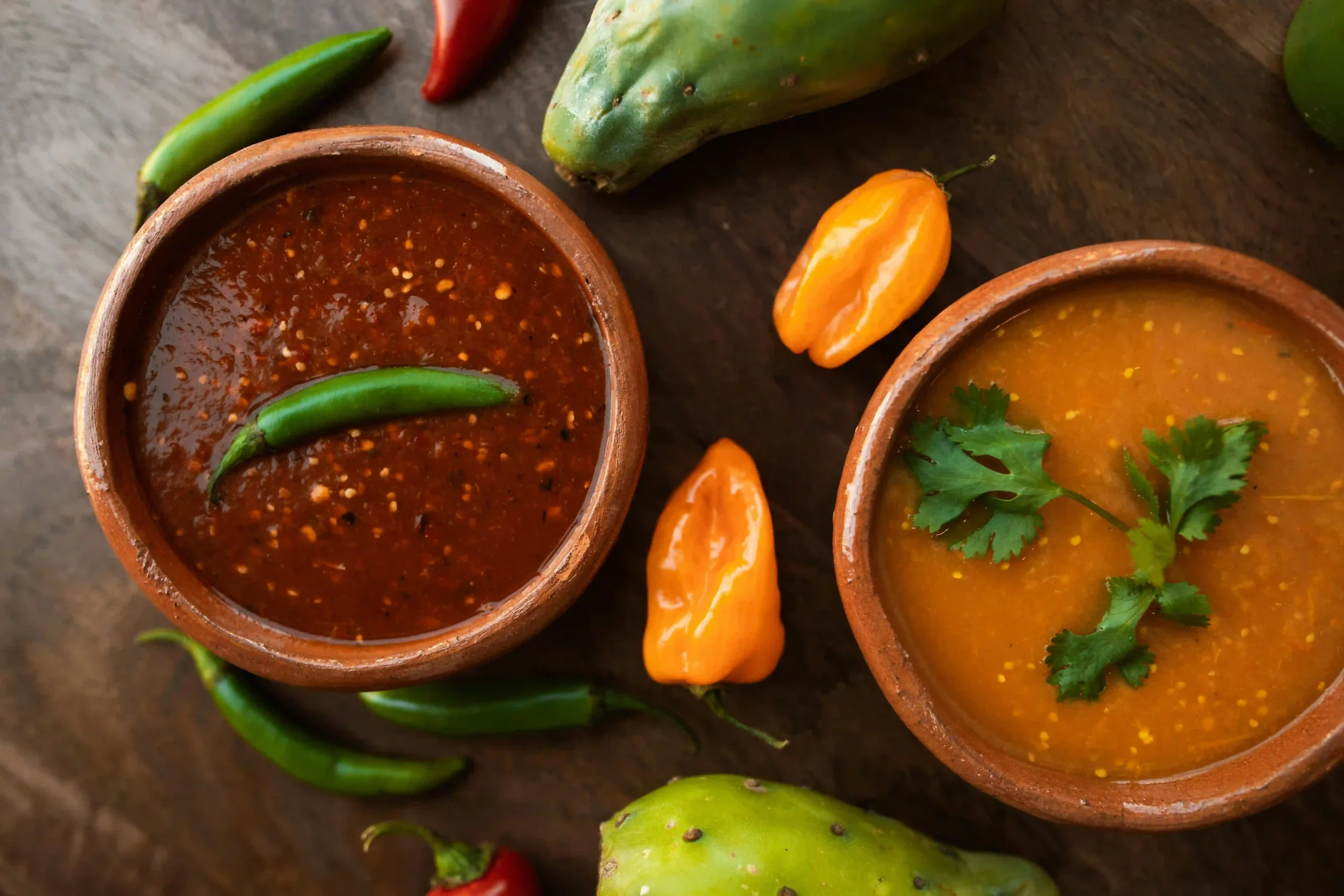
    1. Salsa Roja

    Salsa Roja, or red sauce, is a cornerstone of Mexican cuisine, often serving as the base for many dishes. As an appetizer, it transforms into a bold and flavorful way to kick off your meal.

    Prepared with roasted tomatoes, onions, garlic, and a mix of chili peppers such as arbol or guajillo, Salsa Roja delivers a moderate to hot level of spice. Pair it with crispy tortilla chips or use it as a dip for grilled meats or vegetables to savor the authentic taste of Mexico.

    2. Jalapeño Poppers

    Jalapeño poppers are a beloved spicy appetizer that blends the creamy richness of cheese with the fiery heat of jalapeños. These bite-sized delights involve stuffing jalapeño peppers with a mix of cream cheese, often enhanced with ingredients like garlic, cilantro, or cheddar cheese.

    The peppers are then breaded and fried, creating a crispy shell that perfectly complements the soft, spicy filling. For a healthier alternative, you can bake them instead of frying, preserving the flavor while reducing the oil content.

    3. Ceviche con Chile Habanero

    Ceviche, a dish where raw fish is marinated in citrus juices, reaches new heights of flavor when combined with the fiery punch of chile habanero. Ceviche con Chile Habanero features fresh seafood such as shrimp or fish mixed with lime juice, diced habanero peppers, onions, and cilantro.

    The habanero adds a fiery yet slightly sweet flavor, making this dish both refreshing and spicy. It’s the perfect appetizer for those who enjoy the vibrant, zesty essence of ceviche with an extra layer of heat.

    Mexican cuisine is celebrated for its rich variety of flavorful main courses, many of which feature a spicy twist that enhances the dining experience. Below are some iconic and spicy dishes that represent the essence of Mexican spiciness.

    4. Chiles en Nogada

    Known for its festive presentation and historical importance, Chiles en Nogada offers a subtle yet satisfying flavor profile. This traditional dish from Puebla involves roasting and stuffing poblano peppers with a rich picadillo filling made from ground meat, fruits, and spices.

    The peppers are then topped with a creamy walnut sauce (nogada), garnished with pomegranate seeds and parsley, showcasing the colors of the Mexican flag. While not overly spicy, the combination of flavors and the slight smokiness from the roasted poblanos make it a must-try for anyone who appreciates the complexity of Mexican cuisine.

    5. Birria

    Birria is a hearty and spicy stew that holds a special place in Mexican cuisine, particularly in the regions of Jalisco and Chihuahua. Made with meats such as goat, beef, or pork, this dish features a rich, mildly spicy broth infused with chilies like guajillo, ancho, and chipotle peppers.

    The meat is slow-cooked until tender in the flavorful broth and is typically served with tortillas, onions, cilantro, and a splash of lime juice. For those seeking extra heat, some recipes include additional spicy ingredients like diced jalapeños or serrano peppers.

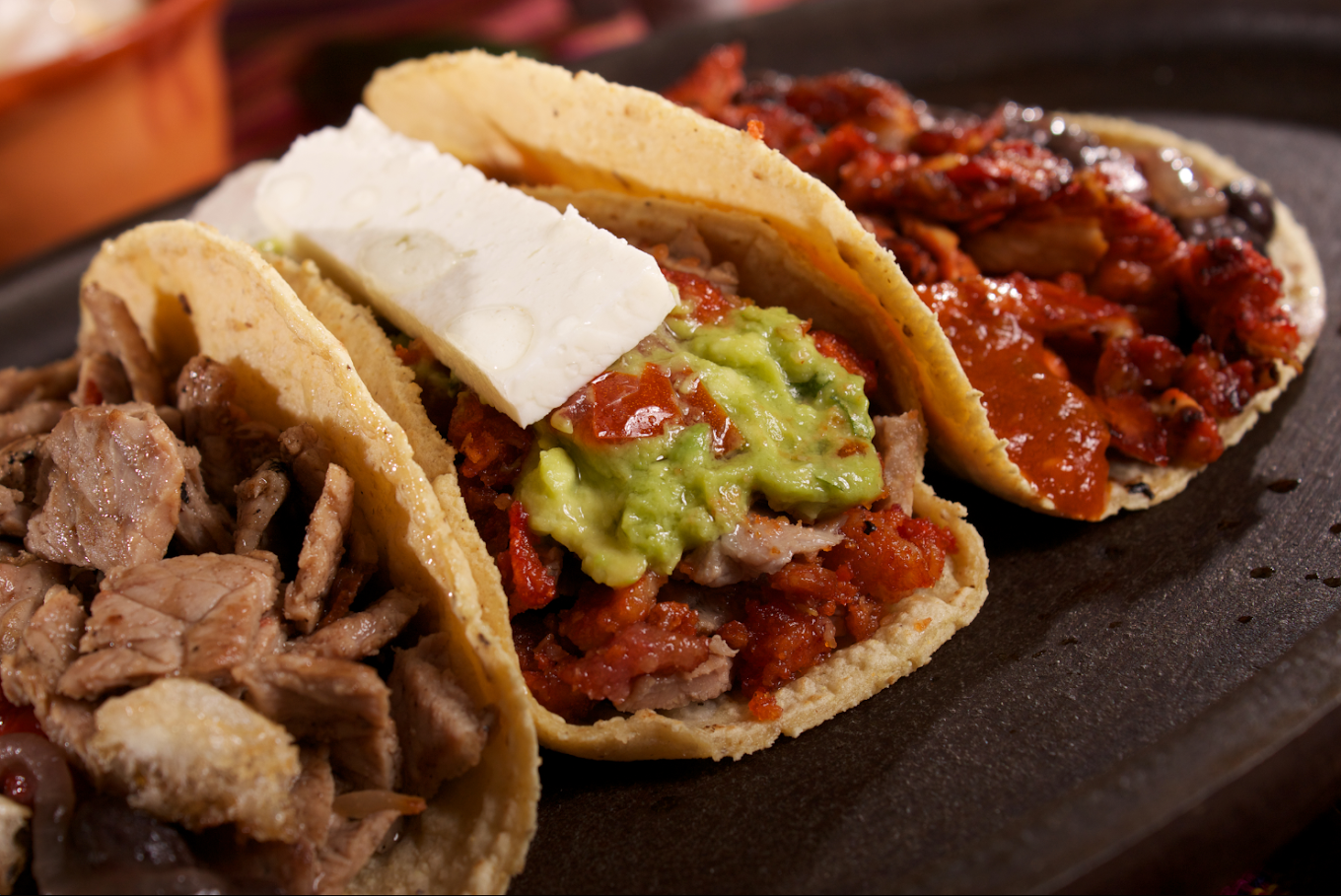
    6. Tacos al Pastor

    Tacos al Pastor, inspired by Lebanese shawarma, are a vibrant and spicy treat. These tacos feature marinated pork cooked on a vertical spit, similar to a gyro, and seasoned with a blend of spices, chilies, and pineapple.

    The marinade often incorporates chili peppers like guajillo or ancho, along with vinegar and spices, giving the pork a rich, slightly sweet and spicy flavor. Served in soft corn tortillas with onions, cilantro, and a slice of pineapple, Tacos al Pastor are a quintessential street food that embodies the spicy spirit of Mexican cuisine.

    Did you know that there are tacos recognized by the Michelin Guide? We tell you more here!

    7. Enchiladas Placeras

    Enchiladas Placeras, or «market-style enchiladas,» are a spicy and satisfying dish that showcases the versatility of Mexican cooking. These enchiladas are filled with shredded chicken or beef, rolled in corn tortillas, and covered in a spicy tomato-based sauce often made with chipotle or arbol peppers for added heat.

    Topped with melted cheese, sour cream, and a sprinkle of cilantro, Enchiladas Placeras deliver a balanced mix of flavors and textures, perfect for those who enjoy a moderate to hot level of spiciness.

    Mexican cuisine brings its signature spice to the world of desserts and drinks, offering a delightful twist for those who enjoy a touch of heat in their sweet treats. Here are some unique and flavorful options that incorporate a spicy kick.

    8. Mexican Hot Chocolate

    Mexican Hot Chocolate, or «Chocolate Mexicano,» is a rich and flavorful beverage that blends the warmth of chocolate with the heat of chili peppers. This traditional drink is crafted using dark chocolate, milk or water, and a mix of spices such as cinnamon, anise, and a hint of cayenne pepper or chili powder.

    The chili adds a subtle yet noticeable heat to the chocolate, making it an ideal winter treat or a distinctive dessert drink.

    9. Churros with Spicy Chocolate Sauce

    Churros, known for their crispy and sweet fried dough, gain a bold twist when paired with a spicy chocolate sauce. Traditionally, churros are dusted with cinnamon sugar and served with chocolate or dulce de leche for dipping. Adding a spicy element to the chocolate sauce—such as chipotle peppers or a dash of cayenne pepper—creates a delightful contrast between the sweet, crunchy churros and the rich, spicy chocolate.

    10. Mango con Chile

    Mango con Chile is a refreshing dessert that combines the natural sweetness of mango with the vibrant heat of chili peppers. This easy yet flavorful dish involves slicing fresh mango and enhancing it with lime juice, salt, and diced chili peppers like jalapeño or habanero.

    The spicy kick from the chilies complements the sweetness of the mango, delivering a balanced and invigorating treat that’s perfect for warm weather or whenever you crave a burst of flavor.

    Spice isn’t just a flavor in Mexican cuisine—it’s a language. It’s the fiery soul that runs through centuries of tradition, telling stories of indigenous roots, colonial influence, and regional diversity. From smoky chipotle to bright habanero, spice in Mexico City is not about overwhelming heat, but about layering flavor, creating depth, and awakening the senses.

    In every bite, spice brings more than just heat—it carries cultural memory and emotional resonance. Whether it’s a comforting bowl of pozole with a gentle chili warmth or a street taco topped with a salsa that demands your full attention, spice invites you to slow down, feel, and savor. It’s a celebration of contrast and complexity, and a fundamental part of why Mexican food continues to captivate taste buds around the world.

    For many Mexicans, eating spicy food isn’t just a habit—it’s part of daily life, learned from an early age and deeply tied to identity. Chili peppers have been used in Mesoamerican cooking for thousands of years, not only for their flavor but also for their medicinal properties and cultural symbolism. Over generations, spice tolerance becomes almost second nature, with each person developing their own preference and ritual—adding just the right amount of salsa to a taco or reaching for their favorite chile-infused snack. More than a taste preference, it’s a shared experience that connects people to their heritage and to one another.

    If flavor had a heartbeat, it would pulse in Mexico City. With Sherpa Food Tours Mexico City Private Experience, you’re not just tasting food—you’re diving headfirst into a culture that celebrates bold spices, vibrant ingredients, and centuries of culinary tradition. And yes, it might just make you sweat (in the best way).

    From the fiery kick of freshly made salsa to the smoky depth of tacos al pastor straight off the trompo, this private, fully customizable tour invites you to explore the city’s soul through its most unforgettable flavors. Whether you can handle the heat or you’re just curious about it, every stop along the way reveals something delicious, daring, and deeply Mexican.

    Forget cookie-cutter tours. This is your personal journey—designed around your tastes, your pace, and your sense of adventure. Want to try street food that locals swear by? Craving sweet, spicy, and everything in between? Your expert guide will lead you to hidden gems and iconic spots alike, sharing the history, culture, and stories that make each bite meaningful.

    This tour is perfect for: spice-lovers, curious foodies, families, and travelers with dietary needs. Whether you’re chasing the perfect taco or sipping on a cold agua fresca to cool the burn, this is your ticket to the real Mexico City—vibrant, flavorful, and unforgettable.

    Why You’ll Love This Tour:
    🌶 Tailored to You – A private tour built around your cravings and comfort level.
    🌮 Bold, Authentic Flavors – From zesty street snacks to rich, slow-cooked classics.
    👨‍👩‍👧‍👦 Everyone’s Welcome – Great for families, groups, and dietary preferences of all kinds.

    Ready to turn up the heat? Step into the heart of Mexico City and let your taste buds lead the way.

    In the vibrant world of Mexican cuisine, the allure of spicy dishes is undeniable. From the intense heat of habanero peppers to the smoky flavor of chipotle peppers, every dish delivers a unique and flavorful experience. The heart of Mexican spiciness lies in its diverse array of chilies, each bringing its own distinct flavor and heat level to the table.

    Whether you’re indulging in fiery appetizers like Salsa Roja, savoring main courses such as Birria or Enchiladas Placeras, or enjoying desserts with a spicy kick like Mexican Hot Chocolate, every bite is a celebration of bold flavors and rich traditions. Embrace the heat, explore the regional variations, and let the bold flavors of Mexican cuisine ignite your palate, leaving you craving more.

    What Are Some Great Places To Try Spicy Mexican Food In Mexico City?

     If you’re looking to dive into spicy Mexican cuisine, Mexico City has plenty of top-rated spots to try. Start with El Vilsito, a taquería famous for their tacos al pastor with bold, spicy salsas. For more variety, visit La Casa de Toño, where their pozole rojo can be made extra spicy and is beloved by locals and tourists alike. For a more upscale experience, try Pujol, where traditional flavors meet modern techniques—ask for the spicier tasting menu options. Don’t miss Los Cocuyos, a small but legendary taco stand in the historic center, known for intense, flavorful meats and fiery salsas.

    Where Can I Find Spicy Food With A Sweet Twist In Mexico City?

    Craving something spicy and sweet? Check out Churrería El Moro, a historic dessert spot where you can dip cinnamon churros in chili-infused chocolate. For a more adventurous combo, La Docena Oyster Bar & Grill in Roma Norte offers spicy seafood dishes with subtle sweet elements like mango habanero sauces. Another must-visit is Rokai, a Japanese-Mexican fusion restaurant where their chili-glazed eel combines umami, spice, and sweetness in one bite.

    Is Tipping Expected In Mexico City Restaurants, And How Much Should I Leave?

    Yes, tipping is expected and appreciated in Mexico City. The standard tip is 10% to 15% of your total bill, depending on service quality. In more upscale places like Rosetta or Quintonil, it’s common to tip closer to 15% or even 20% for exceptional service. Cash is preferred, even if you pay the bill by card. At casual eateries or street food stalls, tipping is not mandatory but rounding up your bill or leaving a few extra pesos is a kind gesture.

    What Types Of Chilies Are Commonly Used In Mexico City’s Spicy Cuisine?

    Chilies are central to the flavor profile of many dishes in Mexico City. You’ll commonly find:

    • Jalapeños (2,500–8,000 Scoville units), used in tacos and salsas, like those at Taquería Orinoco.
    • Serranos (10,000–23,000 units), a staple in pico de gallo and often found at spots like Contramar.
    • Chile de Árbol (15,000–65,000 units), popular for hot sauces served at El Califa.
    • Habaneros (100,000–350,000 units), used in the fiery Yucatecan cuisine you can try at Coox Hanal, a downtown favorite for authentic dishes from the Yucatán.

    You are going to need something perfectly refreshing to wash down all those spicy salsas. Learn exactly what to order beyond the classic margaritas in our guide to traditional Mexican drinks.

    Planning your foodie itinerary? Make sure to book a table at our top picks for the 10 best restaurants in Mexico City.

  • Where to Find the Best Macarons in Paris: A Sweet Guide

    Where to Find the Best Macarons in Paris: A Sweet Guide

    When it comes to the quintessential French dessert—the macaron—Paris stands as the ultimate destination for enthusiasts. With over 1,600 macaron shops scattered across the city, the search for the best macarons in Paris can be both thrilling and overwhelming. For those seeking the perfect blend of flavors, textures, and presentation, Paris offers a diverse array of options that extend beyond the renowned names. Whether you’re a local resident or a visitor, the city’s macaron scene is a treasure trove waiting to be explored. From the classic, elegant creations of famed patisseries to the innovative flavors crafted by emerging artisans, Paris is the ideal place to indulge your sweet tooth and uncover what makes a macaron truly exceptional.

    macarons in paris

    Delicate, colorful, and irresistibly charming, macarons are more than just sweet treats—they’re edible icons of French culinary artistry. These bite-sized confections, made from almond flour, egg whites, and a smooth filling of ganache or buttercream, have become synonymous with Parisian elegance and indulgence. With their crisp shells and melt-in-your-mouth centers, macarons offer a perfect balance of texture and flavor.

    In Paris, the macaron is not merely a dessert; it’s a cultural experience. Revered by locals and adored by visitors, these pastel pastries grace the windows of world-renowned patisseries, each showcasing its unique take on the classic recipe. The city’s passion for pâtisserie perfection has turned it into a global destination for macaron lovers, with storied houses like Ladurée and Pierre Hermé setting the gold standard.

    From timeless favorites to bold innovations, the flavors of Parisian macarons are as diverse as the city itself. Classics like pistachio, raspberry, and salted caramel continue to delight purists with their rich, familiar notes. Meanwhile, adventurous palates will revel in more unexpected creations like black sesame, yuzu, and smoked vanilla—flavors that push the boundaries of tradition while celebrating the creativity of modern French pâtissiers. Whether you crave something comforting or crave the cutting edge, Paris has a macaron for every taste. Below is a list of the best places to try macarons in Paris:

    1- Ladurée: The Classic Choice

    Ladurée, founded by Louis Ernest Ladurée in 1862, is a name synonymous with the quintessential French macaron. This iconic patisserie has been a cornerstone of Parisian culinary culture for over 160 years.

    The story of Ladurée’s macarons began to take shape in the 1930s when Pierre Desfontaines, Ladurée’s grandson, innovated the double-decker macaron by sandwiching two delicate shells with a rich ganache filling. This creation has remained largely unchanged and continues to be a benchmark for macaron perfection.

    Ladurée’s commitment to tradition and quality is evident in every macaron, beautifully packaged in their signature pastel boxes that have become a cultural icon. A visit to Ladurée is not just about tasting a macaron; it’s an experience steeped in history and elegance, making it a must-visit destination for any macaron enthusiast in Paris.

    • Address: 75 Av. des Champs-Élysées, Paris. 

    2- Pierre Hermé: The Innovator

    Pierre Hermé, often referred to as the «Picasso of Pastry,» is another legendary name in the world of French macarons. Known for his innovative and bold flavor combinations, Hermé has elevated the macaron to new heights. After his tenure at Ladurée, where he played a significant role in the brand’s expansion, Hermé opened his own patisserie, bringing with him a fresh wave of creativity.

    His macarons are renowned for their exquisite flavors, such as chocolate passion fruit, salted caramel, and passion fruit, which offer a delightful departure from the traditional. Pierre Hermé’s shops, scattered throughout Paris, including the famous location on Rue Bonaparte, are a haven for those seeking a modern twist on the classic macaron. His attention to detail and passion for innovation make his macarons a favorite among locals and visitors alike, ensuring that every bite is a memorable experience.

    • Address: 86 Av. des Champs-Élysées, Paris

    3- Patisserie Sadaharu Aoki: A Touch of Japan

    Patisserie Sadaharu Aoki introduces a distinctive and refreshing twist to the traditional French macaron scene in Paris. Founded by Sadaharu Aoki, a pastry chef trained in Japan who moved to France in 1991, this patisserie masterfully fuses Japanese flavors and techniques with French patisserie artistry. Aoki’s macarons are celebrated for their innovative flavors such as matcha, wasabi, black sesame, and yuzu, offering a delightful departure from the classic options.

    The pastries are not only visually stunning but also precision-crafted, embodying Aoki’s dedication to simplicity and beauty. With multiple locations in Paris, including boutiques in the 6th and 15th arrondissements, as well as a presence in Galeries Lafayette, Patisserie Sadaharu Aoki is a must-visit destination for anyone eager to experience the fusion of two culinary traditions.

    • Address: 35 Rue de Vaugirard, Paris

    4- Stohrer: The Historic Indulgence


    While Ladurée is widely known for its refined boutiques, Stohrer provides a historic and equally captivating experience rooted in Parisian tradition. Nestled in the bustling Rue Montorgueil, Stohrer is not only the oldest patisserie in Paris—founded in 1730 by Louis XV’s pastry chef—but also a living monument to French pastry artistry. Its richly decorated interior, complete with painted ceilings and gilded details, invites visitors into a regal atmosphere where centuries of culinary excellence are on display.

    The boutique showcases a dazzling array of classics, from their famous baba au rhum and silky éclairs to intricately crafted fruit tarts and delicate viennoiseries. Every visit is an opportunity to explore both the sweet and savory side of French gastronomy, with recipes that have been refined over generations. What makes Stohrer’s experience stand out is not just the quality of its offerings, but the sense of history infused into each bite. Whether you’re selecting pastries to enjoy on the go or building a custom assortment to share, Stohrer delivers a luxurious, immersive experience that captures the elegance and depth of Parisian culinary heritage—making it an unmissable stop for lovers of both tradition and taste.

    • Address: 51 Rue Montorgueil, Paris.

    5- Biscuiterie de Montmartre

    While not as widely known as some of the larger patisseries, Biscuiterie de Montmartre is a hidden gem that offers a unique and authentic experience. Nestled in the charming neighborhood of Montmartre, this small shop is celebrated for its traditional French pastries and biscuits, as well as an impressive selection of macarons.

    The macarons here are crafted with meticulous care, using high-quality ingredients and traditional techniques. While the flavors may not be as exotic as those found in other shops, they are rich and well-balanced, providing a classic macaron experience without the crowds of the more famous patisseries.

    The cozy atmosphere and friendly service further enhance its charm, making Biscuiterie de Montmartre a must-visit for anyone exploring the Montmartre area.

    • Address: 16 Rue Norvins, Paris, Francia

    6- Gem La Pâtisserie: Innovation and Artistry

    Gem La Pâtisserie, located on Rue de Marivaux in the heart of Paris, stands out among the city’s smaller macaron shops. Founded by Gemilyn Guina, a Philippines-born pastry chef trained at Le Cordon Bleu, this patisserie is known for its macarons inspired by the vibrant flavors of Southeast Asia.

    Guina’s creations masterfully combine French pastry tradition with Asian influences, offering unique flavors such as ube (purple yam) with salted caramel, sriracha with salted caramel, pandan, and coconut. Her passion and attention to detail are evident in every macaron, all of which are made on-site. Visitors can even catch a rare behind-the-scenes glimpse of the artisanal process, with macaron shells left to air before baking—a detail that adds to the charm of this hidden gem.

    For those seeking something innovative yet refined, Gem La Pâtisserie is an exceptional choice.

    • Address: 01 Rue de Marivaux, Paris

    Paris isn’t just a city to see—it’s a city to savor. With Sherpa Food Tours’ Paris Private Experience, you’ll discover the heart of the City of Light through its most authentic flavors. This fully personalized private tour is designed to let you explore the city at your own pace, in a way that’s meaningful, immersive, and truly unforgettable.

    Picture yourself strolling down charming cobblestone streets, guided by the smell of freshly baked bread. Taste exquisite cheeses, melt-in-your-mouth pastries, and artisanal charcuterie, all while learning the stories and traditions behind every bite. This isn’t just about eating—it’s about connecting with Paris through its food, its people, and its soul.

    Whether you’re a passionate foodie, a family on an adventure, or a traveler with specific dietary needs, this exclusive experience adapts to you. With a local expert leading the way, every stop becomes a memorable chapter in your Parisian story.

    Why This Tour Stands Out:

    • Crafted Just for You – A fully private, tailor-made experience based on your tastes.
    • Authentic French Flavors – Discover must-try classics and local hidden gems.
    • Welcoming to All – Perfect for food lovers, families, and dietary preferences.

    Get ready to discover Paris in the most delicious way—because sometimes, the best way to know a city is to taste it.

    In the heart of Paris, the search for the perfect macaron is an exploration of flavors, traditions, and creative innovations. From the iconic Ladurée and Pierre Hermé, whose names are synonymous with French patisserie, to rising stars like Patisserie Sadaharu Aoki and Gem La Pâtisserie, every shop offers its own distinctive experience.

    Be sure to discover hidden treasures like Biscuiterie de Montmartre and Carette, which provide authentic and delectable alternatives. Whether you’re a fan of classic flavors or enjoy experimenting with new tastes, Paris’s macaron scene has something for everyone. Embark on this delightful journey, visit these must-try spots, and savor the rich flavors that make Paris the macaron capital of the world.

    How Long Can I Store Macarons After Purchasing Them, and How Should I Preserve Them?

    Macarons can be stored for:

    • 14 days at room temperature
    • Up to 4 weeks (or 7 weeks in some cases) in the refrigerator
    • Up to 6 months when frozen

    To preserve them, use an airtight container, layer the macarons with parchment paper, and keep them away from moisture and strong odors. For freezing, flash freeze them on a baking sheet before transferring them to an airtight container.

    Can I Consume Macarons After Their Indicated Use-By Date?

    Consuming macarons after their indicated use-by date can be risky, especially if they contain raw eggs that are not pasteurized, as there is a slight risk of salmonella. However, many sources suggest that macarons may still be safe and edible for a few days past the use-by date if stored properly. For optimal safety and quality, it is recommended to consume them within a few days of the date and check for signs of spoilage, such as discoloration, mold, or an unusual texture.

    Are There Any Gluten-Free or Lactose-Free Macaron Options Available in Paris?

    Yes, there are several gluten-free macaron options available in Paris. Ladurée, a renowned patisserie, offers macarons that are 100% gluten-free as they are made with almond flour.

    How are Macarons Typically Shipped to Ensure They Remain Fresh During Delivery?

    To ensure macarons remain fresh during delivery, several protective measures are used:

    • Placed in sturdy, specially designed macaron boxes with inserts to keep them separate and secure
    • Wrapped individually in small bags or separated by bubble wrap to prevent breaking
    • Packaged in insulated mailers or thermal boxes with ice packs to maintain a cool temperature
    • Filled with materials like crinkle paper or shredded paper for additional insulation and cushioning
    • Shipped via overnight or priority shipping to minimize transit time.

    Looking for that picture-perfect, deeply traditional French dining experience? Check out our expertly curated list of the top bistros in Paris.

    Did you enjoy this travel guide? Stay updated with our blog!

  • The 5 Best Taquerías in Mexico City

    The 5 Best Taquerías in Mexico City

    Are you a taco lover? Then CDMX, is your ultimate culinary destination. This lively metropolis boasts some of the world’s best taquerías in Mexico City and some even say of the world. Each offering its own distinct flavors. From traditional tacos al pastor, inspired by Lebanese shawarma cooking techniques, to creative modern twists, these taquerías reflect the city’s deep culinary roots.

    As you wander through Mexico City’s historic center, the trendy Roma neighborhood, or the bustling streets of Cuauhtémoc, you’ll discover taquerías serving irresistible tacos that will keep you coming back for more. In this guide, we’ll highlight the top 5 taquerías in Mexico City. From tender, slow-cooked barbacoa to the iconic tacos al pastor, prepare to explore why CDMX is the heart and soul of Mexican street food.

    1 – El Vilsito

    El Vilsito stands out as a pioneer in Mexico City’s taco scene, not just for its delicious tacos al pastor, but also for its unique and captivating atmosphere. Located in the Narvarte neighborhood, this taqueria transforms from a bustling auto repair shop by day into a vibrant taco haven by night.

    The gringa de pastor, a specialty dish that combines the best of tacos and quesadillas, is a must-try, and the avocado salsa adds an extra layer of flavor that sets El Vilsito apart. The efficient and friendly service, despite the fast-paced environment, ensures that every visit is memorable and satisfying.

    Featured in Netflix’s “Taco Chronicles” and recommended by the Michelin Guide, El Vilsito is a testament to innovation and tradition in Mexican cuisine.

    • Address: Petén 248 y, Av. Universidad, Narvarte Poniente, Ciudad de México

    2 – Tacos Charly

    Tacos Charly, located in the southern part of Mexico City in Tlalpan, is another pioneering force in the city’s street food scene. This humble taco stand has earned a Michelin Bib Gourmand award for its exceptional value and quality, particularly for its renowned tacos de suadero.

    The suadero, confited and then simmered in water, results in a juicier and more flavorful taco that has captured the hearts of both locals and visitors. Tacos Charly also excels in its tacos al pastor, prepared at a dedicated station with a trompo, ensuring tender and flavorful meat. The authentic and lively vibe, along with the high-quality ingredients and traditional recipes, make Tacos Charly a hidden gem that is well worth the visit.

    • Address: Av. San Fernando 201, Toriello Guerra, Tlalpan, Ciudad de México

    3 – El Jarocho

    Nestled in the vibrant neighborhood of Roma Norte, Taquería El Jarocho is a hidden gem that has been a staple in Mexico City for over 70 years. This family-run taqueria, which began as a tortillería in 1944, is renowned for its guisado-style tacos. The guisados, slow-cooked meats and vegetables, are a highlight, with options like pollo en mole verde, pollo en mole rojo, and the exceptional lengua a la veracruzana, which features tender beef tongue in a rich tomato sauce.

    The handmade tortillas, made fresh in-house, add an extra layer of authenticity to each taco. El Jarocho’s campechano taco, with its combination of chopped steak and crispy chicharrón prensado, is another must-try. This taqueria’s enduring popularity is a testament to its commitment to traditional recipes and high-quality ingredients.

    Address: Tapachula 94, Roma Norte, Ciudad de México

    el jarocho taquerias in mexico city

    4 – El Venadito

    Located in the scenic barrio of Coyoacán, El Venadito is a daytime-only carnitas specialist that has been delighting locals and visitors alike since 1950. This humble taqueria stands out for its exceptional carnitas, particularly the «chiquita» cut, a twice-cooked bacon-like piece that adds a savory depth to the tacos.

    The surtido option, which includes a mix of white meat, dark meat, skin, and crunchy chicharrón bits, is highly recommended. The simple yet flavorful salsas, such as the fresh salsa verde, complement the carnitas perfectly. The intimate setting, where you can watch the taquero Tomás prepare your meal through a small window, adds to the charm of this hidden gem. El Venadito is a place where tradition meets quality, making it a must-visit for any taco enthusiast.

    • Address: Av. Universidad 1701, Agrícola, Chimalistac, Álvaro Obregón, Ciudad de México

    5 – El Califa de León

    In the heart of Mexico City, Taquería El Califa de León shines as a symbol of innovation while staying firmly rooted in traditional cooking methods. This modest taqueria has earned global recognition as the first and only taco stand in the world to receive a Michelin star. It offers a contemporary take on classic Mexican cuisine, with a focus on simplicity and the exceptional quality of its ingredients.

    Each taco is a testament to minimalist cooking, featuring thinly sliced beef filet, bistec, chuleta, and costilla, all prepared to order and seasoned with just salt and a squeeze of lime. The Gaonera taco, named after the famous bullfighter Rodolfo Gaona who once frequented the establishment, stands out as a signature dish. This taco highlights a tender cut from the rib area, perfectly cooked and served on handmade corn tortillas.

    The taqueria’s house-made salsas elevate the experience further. The salsa verde, crafted with chopped onion, green tomatoes, cilantro, and serrano chili, and the salsa rojo, made from dried guajillo and pasilla chilis, provide layers of flavor that complement the meat beautifully. Despite its Michelin star status, El Califa de León remains true to its street food origins, offering world-class tacos at accessible prices for both locals and tourists.

    This seamless fusion of traditional techniques and a modern emphasis on quality and simplicity makes El Califa de León an essential destination for anyone eager to experience the finest of Mexico City’s contemporary taco scene.

    • Address: Av. Ribera de San Cosme 56, San Rafael, Cuauhtémoc, Ciudad de México

    Exploring Mexico City’s vibrant food scene is an incredible way to immerse yourself in its rich history, traditions, and flavors. The Mexico City Private Experience by Sherpa Food Tours offers a fully customizable journey, ensuring each guest enjoys a unique and tailored gastronomic adventure.

    Unlike standard group tours, this private experience allows you to discover the city’s diverse culinary culture at your own pace. Savor authentic Mexican dishes like tacos al pastor, tamales, and churros, or venture off the beaten path to uncover hidden food gems loved by locals. Throughout the tour, a knowledgeable guide will share fascinating stories and explain the cultural significance of each dish, bringing Mexico City’s food heritage to life.

    Designed for food lovers, families, and travelers with dietary preferences, this exclusive tour promises a memorable and immersive experience. Whether you’re looking for authentic flavors, engaging food stories, or a relaxed private exploration, the Mexico City Private Experience is the perfect way to taste the essence of the city—one delicious bite at a time.

    Why Choose This Tour?

    Personalized & Private – A tailor-made food tour crafted just for you.
    Authentic Mexican Cuisine – Taste Mexico City’s must-try dishes and discover hidden gems.
    Great for Everyone – Perfect for food enthusiasts, families, and those with dietary needs.

    Embark on this extraordinary culinary journey and experience Mexico City like never before!

    Mexico City’s taquerías offer a culinary adventure that celebrates tradition while embracing innovation. From the Michelin-starred Taquería El Califa de León, known for its pure and elemental flavors, to hidden gems like El Jarocho and El Venadito, every taquería delivers a unique and delectable experience.

    Be sure to explore the pioneers of flavor, such as El Vilsito and Tacos Charly, and savor the contemporary twists at places like El Califa de León. Whether you’re wandering through the historic center, Roma, or other neighborhoods, Mexico City’s taquerías are ready to captivate your taste buds with every bite.

    Plan your visit wisely and prepare to immerse yourself in the rich culinary heritage of this vibrant city.

    What are taco tortillas made of?

    Taco tortillas are typically made of corn, whether white, yellow, or purple. Their excellent flavor, flexibility, and size make them the perfect choice for preparing tacos.

    What is the most authentic street food in Mexico City?

    Some of the most authentic street foods in Mexico City include tacos al pastor, tacos de canasta, and chilaquiles. Tacos al pastor, influenced by Lebanese culinary traditions, are a staple. Tacos de canasta (basket tacos) and chilaquiles, such as those found at popular spots like Tacos Joven and La Esquina del Chilaquil, showcase the city’s rich and diverse culinary heritage.

    What is the most popular taco flavour in Mexico City?

    The tacos al pastor are the most popular tacos in Mexico City. These feature marinated pork cooked on a rotating spit, seasoned with a red chili and spice sauce, and typically served with a slice of pineapple for a perfect balance of flavors.

    What city has the best Mexican food in Mexico?

    Mexico City is widely considered the top destination for Mexican food in the country. It offers an incredible variety of culinary experiences, ranging from flavorful street food to world-class fine dining, blending ancient traditions with modern gastronomic innovations.

    Explore more of our travel guides and plan your trip to Mexico city!

  • Top 6 Places to Enjoy the Best Bitterballen in Amsterdam

    Top 6 Places to Enjoy the Best Bitterballen in Amsterdam

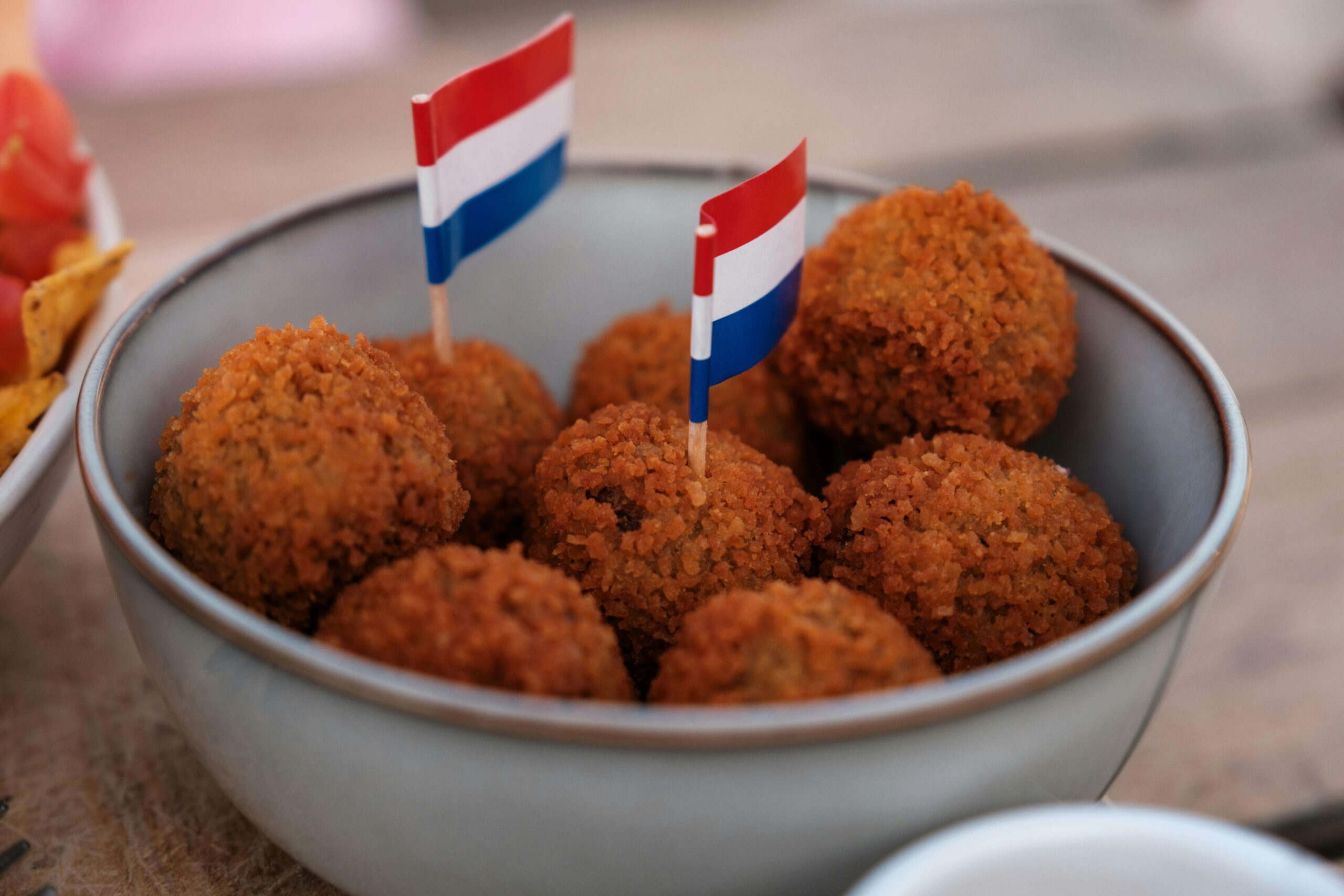
    If you’re planning a trip to the capital of the Netherlands, make sure to try the best bitterballen in Amsterdam, a beloved Dutch delicacy. These deep-fried balls filled with rich, flavorful meat ragu are a staple of Dutch cuisine, adored by both locals and tourists.

    Amsterdam is brimming with cafes, bars, and snack bars that serve these crispy, golden-brown treats to perfection. Bitterballen are more than just a snack; they are a key part of Amsterdam’s food culture. Typically served hot with tangy mustard for dipping, they offer a delightful combination of textures and flavors. Whether you enjoy them in a traditional cafe, trendy bar, or even during a canal cruise, bitterballen are a quintessential Amsterdam experience. This guide will highlight the best spots to savor bitterballen, from local favorites to hidden gems and budget-friendly options. Get ready to indulge in this iconic Dutch treat!

    1- De Ballen Bar

    Located in the trendy Oud-West neighborhood, De Ballen Bar is a standout destination for bitterballen enthusiasts. Nestled within the vibrant Foodhallen market, this food stand offers a diverse array of bitterballen flavors that go beyond the traditional.

    Here, you can indulge in inventive fillings such as shrimp, calf, truffle, and more, alongside the classic beef or veal ragu. The unique flavors and the lively atmosphere of Foodhallen make De Ballen Bar a favorite among locals and tourists alike.

    It’s a great spot to sample food from various international stands while enjoying your bitterballen, creating a perfect dining experience.

    • Address: Hannie Dankbaarpassage 16, Stand 8, Amsterdam

    2- Café ‘t Smalle

    Café ‘t Smalle, situated in the charming Jordaan neighborhood, is a historic and cozy pub that has been serving Amsterdam’s locals for over 150 years. This old-world cafe offers an authentic Dutch atmosphere, complete with a small but impeccable beer menu and delicious bitterballen that are a true testament to their time-honored recipes.

    The cafe’s scenic canalside location and miniature terrace make it an ideal spot to enjoy your bitterballen while soaking in the historic surroundings. It’s a place where you can easily blend in with the locals and experience the genuine essence of Amsterdam’s culinary culture.

    • Address: Egelantiersgracht 12, Amsterdam

    3- Proeflokaal Van Wees

    Proeflokaal Van Wees, located on the Herengracht, is a traditional distillery and tasting room that embodies the rich culinary heritage of Amsterdam. Here, you can enjoy classic bitterballen filled with tender beef, served with traditional pickles and mustard, all perfectly paired with their artisanal spirits and local beers.

    The atmospheric tasting room and the scenic canalside terrace provide a unique setting to delve into local cuisine. Whether you opt for the traditional bitterballen or the more exotic wild boar or vegan options, Proeflokaal Van Wees ensures a memorable dining experience that aligns with Amsterdam’s culinary traditions.

    • Address: Herengracht 319, Amsterdam

    4- Gent aan de Schinkel

    Nestled next to the river, Gent aan de Schinkel is a quaint cafe that offers a serene and picturesque setting to enjoy your bitterballen. Located near Vondelpark, this cafe specializes in European food and traditional Dutch classics.

    The outdoor seating area, especially during the summer months, provides a lovely spot to savor your bitterballen while taking in the scenic views. For €6.50, you can indulge in freshly fried bitterballen, making it a great value for the quality and ambiance.

    • Address: Theophile de Bockstraat 1, Amsterdam

    5- Café Cook

    Café Cook, though not as widely known as some of the other spots, is a hidden gem for those seeking a unique bitterballen experience. This cozy cafe, often overlooked by tourists, offers a warm and inviting atmosphere that feels genuinely local.

    Here, you can enjoy bitterballen made with a special twist, often featuring seasonal ingredients and creative fillings. The cafe’s commitment to using high-quality, locally sourced ingredients ensures that each bite is not only delicious but also authentic.

    • Address: James Cookstraat 2, Amsterdam

    6- Patisserie Holtkamp

    Patisserie Holtkamp, while primarily known for its exquisite pastries and desserts, also surprises with its delightful bitterballen. This elegant patisserie, located in the heart of Amsterdam, offers a refined take on the traditional snack. Here, you can find bitterballen filled with premium meats and served with a side of artisanal mustard, all presented in a sophisticated setting. It’s an excellent choice for those looking to enjoy bitterballen in a more upscale environment, making it a unique and memorable experience.

    • Address: Vijzelgracht 15, Amsterdam

    Pretty much anywhere else

    If you’re looking for budget-friendly options without compromising on quality, you’ll find that bitterballen are a staple in many everyday eateries and bars across Amsterdam. Virtually every snack menu in the city includes bitterballen, making them easily accessible and affordable. You can pop into any of the numerous brown bars or cosy neighbourhood cafes, where a plate of bitterballen is often priced reasonably, typically between €5 to €10 for a serving. This widespread availability ensures that you can enjoy this traditional Dutch snack without breaking the bank.

    Cosy neighbourhood bars in Amsterdam

    Cosy neighbourhood bars are another excellent option for budget-friendly bitterballen. Places like Café de Tuin in the Jordaan neighborhood offer bitterballen at an affordable price of €6, accompanied by olives, cheese, and bread. These bars often have a good selection of local beers, adding to the overall value of your meal. The welcoming atmosphere and reasonable prices make these spots ideal for a casual and economical dining experience.

    Dutch foods to try in Amsterdam

    For those on a budget, integrating bitterballen into a broader exploration of Dutch cuisine can be a cost-effective and satisfying approach. Visiting cafes like Winkel 43, which is known for its authentic Dutch appeltaart but also serves delicious bitterballen, can provide great value. Here, you can order 6 pieces of bitterballen for €5.50 or 14 pieces for €10, making it an excellent choice for those looking to sample multiple local dishes without overspending.

    Experiencing Amsterdam’s food culture is an incredible way to connect with the city’s history, traditions, and unique flavors. The Amsterdam Local Foodie Adventure by Sherpa Food Tours offers a fully customizable journey, allowing each guest to enjoy a personalized and unforgettable gastronomic adventure.

    Unlike typical group tours, this private experience lets you explore the city’s diverse food scene at your own pace. Savor iconic Dutch treats like bitterballen, stroopwafels, and raw herring, or discover hidden culinary gems cherished by locals. Throughout the tour, a knowledgeable guide will share captivating stories and explain the cultural significance of each dish, making Amsterdam’s food heritage come alive.

    Ideal for food lovers, families, and travelers with dietary preferences, this exclusive tour promises a rich and immersive experience. Whether you’re in search of authentic flavors, engaging food stories, or a relaxed private outing, the Amsterdam Private Experience is the ultimate way to enjoy the city—one delicious bite at a time.

    Why Choose This Tour?

    Customized & Private – A tailor-made food tour designed just for you.
    Authentic Dutch Flavors – Taste Amsterdam’s must-try dishes and discover hidden gems.
    Great for Everyone – Perfect for food enthusiasts, families, and those with dietary needs.

    Join this exceptional culinary experience and see Amsterdam from a fresh perspective!

    In conclusion, bitterballen are a cherished part of Amsterdam’s culinary scene, offering a delightful and authentic Dutch experience. Whether you choose to visit popular spots like De Ballen Bar, Café ‘t Smalle, or Proeflokaal Van Wees, or prefer to explore hidden gems like Gent aan de Schinkel and Café Cook, these savory snacks are an absolute must-try.

    These deep-fried delights are best enjoyed with a cold beer and a dollop of mustard. You’ll find them served in nearly every bar and cafe across the city. Immerse yourself in the bitterballen culture by sampling a variety of flavors, ranging from traditional beef to vegan options, all while soaking in the vibrant local atmosphere. So, the next time you’re in Amsterdam, don’t miss out on this iconic Dutch snack—it’s a taste of tradition and community that you’ll treasure.

    What are bitterballen and what makes them a popular Dutch snack?

    Bitterballen are small, fried meat ragout balls, typically 3 to 5 cm in diameter. They feature a thick meat filling, often made with beef or veal, bound with a buttery roux and flavored with ingredients such as nutmeg and parsley. Crispy on the outside and rich and molten on the inside, they are a beloved Dutch delicacy. Their popularity comes from their status as a quintessential pub snack in Dutch culture. Bitterballen are often enjoyed with mustard and beer, making them perfect for social gatherings and communal enjoyment.

    Where can I find the most traditional bitterballen in Amsterdam?

    If you’re looking for the most traditional bitterballen in Amsterdam, Café ‘t Smalle in the Jordaan neighborhood is an excellent choice. This historic café has been serving authentic Dutch snacks, including bitterballen, for over 150 years.

    Are there any modern or unique variations of bitterballen available in Amsterdam?

    Yes, Amsterdam offers a variety of modern and unique bitterballen options. These include versions filled with pulled pork, bouillabaisse, Tom kah kai, and vegetarian options such as goat cheese, aged Dutch cheese, home-grown parsnip, soybean, and oyster mushrooms.

    What is the best way to enjoy bitterballen, and what beverages are typically paired with them?

    The ideal way to enjoy bitterballen is to serve them hot with a dipping sauce. Popular choices include traditional mustard, beef gravy, horseradish sauce, or chipotle aioli. They are commonly paired with beer, as the combination enhances the overall flavor and dining experience.

    Did you enjoy this travel guide? Stay updated with our Amsterdam blog and explore more of our posts!

  • 6 Best Surinamese Restaurants in Amsterdam for Authentic Flavor

    6 Best Surinamese Restaurants in Amsterdam for Authentic Flavor

    For food lovers visiting Amsterdam, skipping Surinamese cuisine would mean missing out on one of the city’s most vibrant and flavorful culinary experiences. Unlike anything you’ll find in traditional Dutch cuisine, Surinamese food offers bold spices, aromatic herbs, and an exciting mix of textures. From flaky roti paired with rich, slow-cooked curries to the hearty, umami-packed Moksi Alesi, the dishes tell a story of cultural fusion that makes Amsterdam’s food scene truly special. Whether you’re grabbing a quick broodje pom (a Surinamese sandwich) or sitting down for a full meal, this is an experience that goes beyond just eating—it’s a delicious way to taste the best Surinamese restaurants in Amsterdam.

    Surinamese cuisine has a special place in Amsterdam’s food scene due to the deep historical ties between the Netherlands and Suriname. As a former Dutch colony, Suriname has a diverse culinary heritage shaped by Indigenous, African, Indian, Javanese, and Chinese influences—brought together by centuries of migration and trade. When Suriname gained independence in 1975, many Surinamese people migrated to the Netherlands, bringing their rich culinary traditions with them. Today, Surinamese restaurants are an integral part of Amsterdam’s multicultural food landscape, offering dishes that reflect this unique blend of global flavors.

    surinamese food

    Popular Picks: Where to Go for Surinamese Delights

    1- Warung Spang Makandra

    If you’re looking for a quintessential Surinamese dining experience in Amsterdam, Warung Spang Makandra is a must-visit. Located in the vibrant De Pijp neighborhood, this restaurant has been a staple since 1978. Known for its warm, comfortable, and lively atmosphere, Spang Makandra offers a cozy setting with seating for about 20 guests.

    The menu is a rich tapestry of traditional Surinamese dishes, including the highly recommended Bara, Chicken Satay Bami Noodles, and Lamb Roti. Each dish is meticulously prepared to showcase the diverse culinary influences of Suriname, from Indian and Indonesian to African and Chinese. The restaurant’s popularity is evident, even on weekdays, making it a great spot for a casual yet flavorful dinner.

    • Address: Gerard Doustraat 33, Amsterdam

    2- Waterkant

    For a tropical and relaxed dining experience, head to Waterkant, a colorful Surinamese café in the heart of Amsterdam. Located under a parking garage, this unique spot still manages to offer a sunny and vibrant atmosphere, thanks to its large terrace overlooking the water. Waterkant’s menu features a variety of Surinamese dishes, along with some Indonesian and Western options, ensuring there’s something for everyone.

    You can enjoy a Parbo beer and savor dishes like Gado Gado or opt for their Surinamese specialties. The casual setting makes it an ideal spot for both locals and travelers looking to unwind and enjoy good food.

    • Address: Marnixstraat 246, Amsterdam

    3- De Hapjeshoek

    De Hapjeshoek, situated at the Waterlooplein metro station, is another gem in Amsterdam’s Surinamese culinary scene. Founded by three brothers in 1995, this restaurant has grown significantly over the years and is known for its lively atmosphere and friendly staff. De Hapjeshoek offers a wide range of freshly served Surinamese sandwiches, snacks, and dishes for both lunch and dinner.

    The menu is designed to provide the best Surinamese flavors at an affordable price, making it a great option for those looking to explore authentic Surinamese cuisine without breaking the bank.

    • Address: Metrostation, Waterlooplein 6, Amsterdam

    Hidden Gems: Surinamese Restaurants Off the Beaten Path

    4- New Fusion

    For a fresh and modern take on Surinamese cuisine, New Fusion is a must-visit spot in Amsterdam. This contemporary restaurant seamlessly blends Surinamese, Chinese, and Indonesian influences, creating a unique dining experience that reflects the multicultural roots of Suriname. Located in the heart of the city, New Fusion is known for its flavorful dishes, generous portions, and creative twists on traditional recipes. Whether you’re indulging in their perfectly spiced roti, savoring a comforting bowl of saoto soup, or trying their innovative takes on Surinamese classics, every dish showcases a perfect balance of bold flavors and rich history. If you’re looking for a place that celebrates both tradition and modern flair, New Fusion is a top contender.

    • Address: Albert Cuypstraat 47, Amsterdam

    5- Tjin’s Toko

    Tjin’s Toko, while not entirely unknown, is often overlooked by tourists in favor of more conventional restaurants. However, this family-run business is a treasure trove for those seeking authentic Surinamese flavors. Located in the heart of Amsterdam, Tjin’s Toko is more than just a restaurant; it is a grocery store, a deli, and a culinary experience all rolled into one.

    Here, you can find a wide array of Surinamese and Javanese dishes, including freshly prepared sandwiches, snacks, and meals cooked in the back of the shop. The store’s unique setup allows you to browse through narrow aisles packed with exotic ingredients and pick up a real Surinamese sandwich from the counter. It’s a place where locals and visitors alike can step into a different culinary world, right in the middle of Amsterdam.

    • Address: Eerste van der Helststraat 64, Amsterdam

    6- Swieti Sranang

    Swieti Sranang is a small, unassuming eatery that packs a big punch when it comes to Surinamese cuisine. This tiny hole-in-the-wall, located on Brouwersgracht, specializes in Surinamese-inspired sandwiches, snacks, roti, rice, and bami/nasi specialties. Despite its modest appearance, Swieti Sranang offers a flavorful and authentic experience.

    One of the standout dishes here is the Bakabana, a battered and fried plantain served with a spicy peanut sauce. This hidden gem is perfect for those looking to grab a quick, delicious meal or snack that showcases the diverse flavors of Surinamese cuisine.

    Must-Try Dishes: What to Order

    Roti

    When exploring Surinamese cuisine in Amsterdam, one dish you absolutely must try is the roti. This Indian-inspired flatbread is a cornerstone of Surinamese food and is typically served alongside a variety of curries. The roti itself is large, flaky, and buttery, making it an ideal complement to the spicy and flavorful curries.

    A popular choice is the roti kippenbout, which combines roti with a chicken-drumstick curry that includes potato, vegetables, and a hard-boiled egg. This dish is widely available at many Surinamese restaurants in Amsterdam, such as Warung Spang Makandra and Lalla Rookh. It’s a fantastic introduction to the bold and rich flavors of Surinamese cuisine.

    Moksi Alesi

    Moksi Alesi, meaning mixed rice, is another iconic Surinamese dish that you should not miss. This hearty one-pot rice dish has a deep historical significance, originating during the era of slavery in Suriname when enslaved people would create meals using leftover ingredients.

    The dish is incredibly versatile, featuring a mix of ingredients such as chicken, meat, fish, shrimp, or beans, along with rice, garlic, onions, and various vegetables. Moksi Alesi is often enhanced with coconut cream, bouillon cubes, and spices, resulting in a unique and satisfying flavor profile. It can be paired with accompaniments like grilled lamb chops or coleslaw, highlighting the multicultural influences of Surinamese cooking.

    Restaurants like Ricardo’s and De Tokoman serve exceptional versions of Moksi Alesi, showcasing its importance in Surinamese culinary traditions.

    Discover Culinary Delights with a Private Food Tour

    Exploring Amsterdam’s food culture is a fantastic way to immerse yourself in the city’s deep history, traditions, and flavors. The Amsterdam Local Foodie Adventure by Sherpa Food Tours offers a fully customizable experience, ensuring each guest enjoys a one-of-a-kind gastronomic journey.

    Unlike conventional group tours, this private tour allows you to explore the city’s vibrant food scene at your own pace. Taste beloved Dutch specialties like bitterballen, stroopwafels, rotis and raw herring, or venture off the typical path to find hidden culinary gems adored by locals. An expert guide will accompany you, sharing intriguing stories and the cultural significance behind each dish, making Amsterdam’s food heritage come alive.

    Tailored for food lovers, families, and travelers with dietary preferences, this exclusive tour promises a memorable and enriching experience. Whether you’re looking for authentic tastes, compelling food stories, or a relaxed, private journey, the Amsterdam Private Experience is the perfect way to savor the essence of the city—one delicious bite at a time.

    Why Choose This Tour?

    Fully Personalized & Private – A custom-made food tour crafted specifically for you.
    Authentic Dutch Cuisine – Taste iconic dishes and uncover hidden culinary spots.
    Ideal for All – Perfect for food enthusiasts, families, and those with dietary needs.

    Embark on this unique culinary adventure and experience Amsterdam like never before!

    Surinamese Food Scene

    In conclusion, diving into the Surinamese food scene in Amsterdam is a delightful culinary journey that showcases a unique fusion of global flavors. From well-known spots like Warung Spang Makandra and Waterkant to hidden treasures such as Tjin’s Toko and Swieti Sranang, there are plenty of opportunities to experience authentic Surinamese cuisine.

    Be sure to try signature dishes like roti with curry, Moksi Alesi, as well as specialties like pom and saoto. Surinamese cuisine is a vibrant blend of Indian, African, European, and Asian influences, reflecting the rich cultural heritage of Suriname.

    When in Amsterdam, make it a point to visit these eateries, savor the local flavors, and embrace the history and culture embedded in every dish. Your taste buds—and your sense of culinary exploration—will thank you.

    FAQ About Surinamese Cuisine in Amsterdam

    What are the must-try dishes when exploring Surinamese cuisine in Amsterdam?

    Must-try dishes in Surinamese cuisine in Amsterdam include:

    • Roti kippenbout: Indian-inflected roti with chicken-drumstick curry.
    • Broodje pom: Chicken and baked malanga in a Dutch bread roll.
    • Moksi meti: Roasted pork and chicken stewed with green beans.
    • Pindasoep: Spicy peanut soup.
    • Her heri: Stew of cassava, sweet potato, plantain, and salted cod.
    • Baka bana: Plantain fritters with or without peanut sauce.
    • Saoto: Surinamese chicken soup with gingery broth and various textures.

    Are there any historic or long-standing Surinamese restaurants in Amsterdam that are highly recommended?

    Yes, there are several historic and highly recommended Surinamese restaurants in Amsterdam:

    • Warung Mini: A Javanese-Surinamese eatery that has been a staple for over 30 years, known for its sumptuous saoto soup.
    • Roopram Roti: Originating from Suriname, popular for its authentic roti dishes, and a favorite in Amsterdam for many years.

    Where can I find the best roti in Amsterdam, and what makes it a staple of Surinamese cuisine?

    For the best roti in Amsterdam, visit Rotishop Gieta in De Baarsjes, known for its handcrafted, flaky roti made from scratch since 2008.

    Roti, for example, it´s a staple of Surinamese cuisine, originating from Indian laborers and adapted to local tastes. It symbolizes cultural heritage and is often served with curries, potatoes, and vegetables. Roti is a central part of Surinamese meals and celebrations.

    Are there any Surinamese restaurants in Amsterdam that offer a mix of traditional and modern or fusion cuisine?

    Yes, there are several Surinamese restaurants in Amsterdam that offer a mix of traditional and modern or fusion cuisine:

    • Ricardo’s: Maintains traditional recipes with some contemporary twists.
    • The Old Soul: Offers a contemporary, all-vegan take on traditional Surinamese dishes.

    Because of the country’s rich history, no trip to the Dutch capital is complete without an epic rijsttafel feast. Discover exactly where to find the best Indonesian restaurants in Amsterdam.

  • Discover the 10 Best Restaurants for Indonesian Rijsttafel in Amsterdam

    Discover the 10 Best Restaurants for Indonesian Rijsttafel in Amsterdam

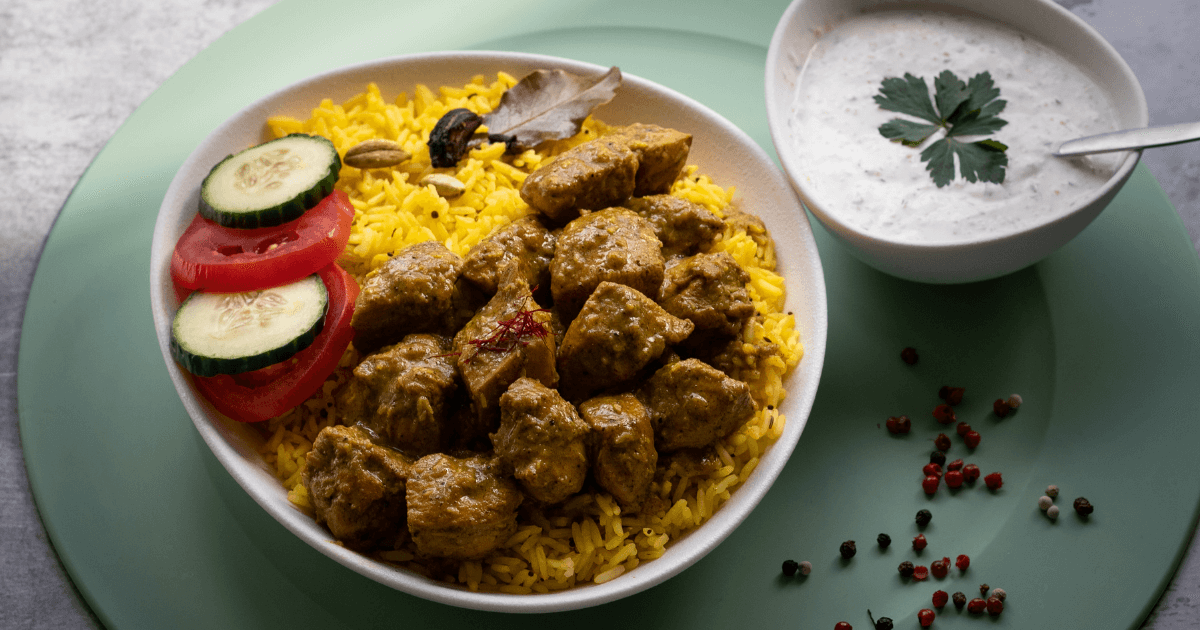
    If you’re visiting the capital of Netherlands and craving a unique, flavorful experience, trying the best indonesian restaurants in Amsterdam it’s a must. This traditional Dutch-Indonesian dining style, meaning «rice table,» offers a feast of diverse dishes served alongside steaming rice. Amsterdam proudly showcases Indonesian cuisine, a legacy of historical ties between the Netherlands and Indonesia. The city’s top Indonesian restaurants not only serve delicious rijsttafel but also immerse diners in the rich flavors and spices of Indonesian food.

    The Indonesian Rijsttafel in Amsterdam features an array of dishes, from creamy curries and spicy sambals to tender chicken satay and rich beef rendang. Each restaurant adds its own twist, whether through modern presentations at places like Blue Pepper or traditional settings at family-run spots like Tujuh Maret. Innovative cocktails and warm atmospheres often accompany this culinary journey. Explore Amsterdam’s neighborhoods and discover Indonesian rijsttafel, a dining experience that promises unforgettable flavors.

    best indonesian restaurants rijsttafel in amsterdam

    1. Restaurant Blauw

    Located on Amstelveenseweg, Restaurant Blauw is a standout for its authentic and diverse Indonesian cuisine. Inspired by the entire Indonesian archipelago, Blauw offers a lavish rice table experience with dozens of small plates, including meat dishes like sate kambing and daging rendang, as well as vegan options. The restaurant’s authentic atmosphere and friendly service make it an ideal spot for a family dinner or a night out with friends.

    • Address: Amstelveenseweg 158-160

    2. Sampurna

    Sampurna, situated on Singel, is highly praised for its variety of rijsttafel options. They offer three types of rice tables, each consisting of 15 small dishes that include meats, shrimp, vegetables, salads, and desserts. The Batara Rice Table, priced at 29 Euros per person, is particularly recommended for its balanced flavors and friendly service. The restaurant’s central location and welcoming atmosphere make it a favorite among locals and visitors alike.

    • Address: Singel 498, Amsterdam

    3. Tujuh Maret

    Tujuh Maret, a homey restaurant, offers an impressive range of Indonesian specialties. Their menu is divided into categories such as meat, fish, saté, and bakmi noodles, ensuring there is something for everyone. Known for its cozy ambiance and catering services, Tujuh Maret is a great choice for both in-house dining and special events.

    • Address: Utrechtsestraat 73, Amsterdam

    4. Ron Gastrobar Indonesia

    Although Ron Gastrobar Indonesia Downtown is currently closed, its legacy lives on, with its Amstelveel counterpart where its concept has been reinvented and gained renown by the Michelin-guide. Might we add, the only indonesian food restaurant to have gained this recognition! Originally, this restaurant was renowned for its high-end street food, lively atmosphere, and unique sambal cart. If you’re looking for a similar experience, the new iteration promises to deliver exceptional food and a quirky, fun environment.

    • Address: Amstelzijde 51, Amsterdam

    5. Blue Pepper

    Blue Pepper is celebrated for its innovative take on traditional Indonesian cuisine. This fine dining restaurant offers a sophisticated rijsttafel experience with dishes that range from mild to spicy. The ambiance is elegant, making it a perfect spot for special occasions or a romantic dinner. Their menu includes a variety of boat-shaped dishes, adding to the unique dining experience.

    • Address: Nassaukade 366, Amsterdam

    6. Kartika

    Kartika is another gem in Amsterdam’s Indonesian culinary scene. Known for its traditional rijsttafel, the restaurant offers a wide array of dishes, including satay, curries, and salads. The warm and inviting atmosphere, combined with excellent service, makes Kartika a popular choice for those seeking an authentic Indonesian meal.

    • Address: Overtoom 68H, Amsterdam

    7. Mama Makan

    Mama Makan stands out with its stunning dining room, more modern style and comfortable seating. The menu features a variety of Indonesian dishes, including a dedicated section for rijsttafel. This restaurant is perfect for those looking for a modern take on traditional Indonesian cuisine in a stylish and welcoming setting.

    • Address: Spinozastraat 61, Amsterdam

    8. Dèsa

    Dèsa offers a unique blend of traditional and modern Indonesian cuisine. Their rijsttafel is highly recommended, with a focus on fresh ingredients and authentic flavors. The restaurant’s cozy atmosphere and attentive service make it a great option for both casual and special dining occasions.

    • Address: Ceintuurbaan 103H, Amsterdam

    9. Jun

    Located near the Anne Frank House and Vondelpark, Jun is a charming eatery that serves classic Indonesian dishes, including some lesser-known options like soto telor puyuh and ayam rica bersantan. The restaurant’s proximity to major landmarks and its authentic menu make it a must-visit for food enthusiasts.

    • Address: Frederik Hendrikstraat 98, Amsterdam

    10. Sama Sebo

    Sama Sebo, located in the Oud West neighborhood, is a family-run restaurant known for its traditional Indonesian cuisine. Their rijsttafel is a highlight, offering a variety of small dishes that cater to different tastes.

    The warm and family-friendly atmosphere makes Sama Sebo a beloved spot among locals and visitors.

    • Address: Pieter Cornelisz Hooftstraat 27, Amsterdam

    Delving into Amsterdam’s culinary landscape is an amazing way to connect with the city’s rich history, traditions, and flavors. The Amsterdam Local Foodie Adventure by Sherpa Food Tours provides a fully customizable journey, allowing each guest to enjoy a unique and tailored gastronomic adventure.

    Unlike typical group tours, this private experience lets you explore the city’s diverse food culture at your own pace. Savor traditional Dutch specialties like bitterballen, stroopwafels, and raw herring, or venture off the beaten path to discover hidden culinary gems cherished by locals. Throughout the tour, an expert guide will share captivating stories and the cultural significance of each dish, bringing Amsterdam’s food heritage to life.

    Perfect for food lovers, families, and travelers with specific dietary needs, this exclusive tour guarantees a memorable and enriching experience. Whether you’re seeking authentic flavors, fascinating food narratives, or a laid-back private exploration, the Amsterdam Private Experience is the ultimate way to taste the essence of the city—one delightful bite at a time.

    Why Choose This Tour?

    Completely Personalized & Private – A food tour designed just for you.
    Authentic Dutch Flavors – Enjoy iconic local dishes and uncover hidden treasures.
    Suitable for Everyone – Great for food enthusiasts, families, and those with dietary preferences.

    Join this exceptional culinary adventure and see Amsterdam from a whole new perspective!

    As you wrap up your exploration of the best Indonesian restaurants in Amsterdam, take a moment to appreciate the city’s vibrant and diverse culinary scene, deeply intertwined with its colonial history. From the refined atmosphere of Ron to the cozy, traditional charm of Sama Sebo, each establishment offers a distinct interpretation of the famous rijsttafel.

    Whether you’re a passionate food lover or simply eager to try something new, Amsterdam’s Indonesian restaurants are an essential destination. Treat yourself to a delightful journey of flavors, featuring spicy sambals, creamy curries, and more. Be sure to book a table at one of these top spots to guarantee an unforgettable dining experience.

    What is the origin and historical significance of rijsttafel in Dutch cuisine?

    Rijsttafel, or «rice table,» originated during the Dutch colonization of Indonesia, particularly in the 19th century. It was created by Dutch colonists to showcase the diverse culinary traditions of the Indonesian archipelago by combining various Indonesian dishes into a single, elaborate meal.

    This dining style reflected the multi-ethnic nature of Indonesia and was used to impress visitors with the exotic abundance of the colony. After Indonesia gained independence in 1945, the Dutch brought rijsttafel back to the Netherlands, where it remains a popular culinary legacy.

    How many dishes can I expect in a typical rijsttafel meal, and what types of dishes are usually included?

    A typical rijsttafel meal can include anywhere from seven to forty dishes. These dishes often feature a variety of flavors, colors, and textures, and may include items like satay, egg rolls, sambals, various meats (such as chicken, pork, and beef), vegetables, pickles, nuts, and different types of rice preparations like nasi kuning and nasi uduk.

    Popular dishes can also include gado-gado (vegetable salad with peanut sauce), rendang (spicy caramelized beef), and other local Indonesian favorites.

    Are there vegetarian and other dietary-specific options available for rijsttafel in Amsterdam’s Indonesian restaurants?

    Yes, many Indonesian restaurants in Amsterdam offer vegetarian and other dietary-specific options for rijsttafel. Restaurants such as Blue Pepper, Jun, and Indrapura provide vegetarian rice table menus, ensuring a variety of dishes suitable for different dietary needs.

    Can I enjoy rijsttafel as part of a food tour or guided dining experience in Amsterdam?

    Yes, you can enjoy rijsttafel as part of Sherpa’s Food Tour In Amsterdam!

  • Best Places to Eat Stroopwafels in Amsterdam

    Best Places to Eat Stroopwafels in Amsterdam

    If you’re planning a trip to Amsterdam, Netherlands, and have a sweet tooth, you’re in for a delightful experience. The city is a haven for stroopwafel lovers—those delectable Dutch caramel waffles that have become a favorite among locals and tourists alike. Searching for the best stroopwafels in Amsterdam is more than just finding a snack; it’s a journey through the city’s rich culinary traditions. From charming bakeries to lively street markets, Amsterdam boasts a wide array of spots where you can savor these crispy, chewy, and irresistibly sweet treats.

    Whether you’re drawn to the classic, authentic Dutch stroopwafel or curious about modern variations with creative toppings, Amsterdam caters to all preferences. This guide will take you through the city’s top stroopwafel destinations, showcasing popular shops, beloved local favorites, and vibrant market experiences that will make your visit truly memorable.

    stroopwafels in amsterdam

    1 – Van Wonderen Stroopwafels

    If you’re looking for a modern twist on the traditional Dutch stroopwafel, Van Wonderen Stroopwafels is a must-visit. Located on one of Amsterdam’s busiest shopping streets, Van Wonderen has garnered a significant following for its artfully decorated stroopwafels. Here, you can find stroopwafels glazed with a variety of toppings such as chocolate, M&M’s, pistachios, or strawberries.

    The queue might be long, but the wait is well worth it for these deliciously customized treats. Van Wonderen’s commitment to quality and freshness ensures that every stroopwafel is a delight, whether you’re enjoying it on the spot or taking it home as a unique souvenir.

    • Address: Kalverstraat 190, Amsterdam, Netherlands

    2 – Rudi’s Original Stroopwafels

    Rudi’s Original Stroopwafels is a name synonymous with authentic Dutch stroopwafels in Amsterdam. With roots dating back 45 years to Gouda, Rudi’s has found a permanent home at the bustling Albert Cuyp Market in De Pijp.

    Here, you can experience the traditional method of stroopwafel making firsthand. The stroopwafels are baked fresh daily using a generations-old family recipe, resulting in perfectly crispy, golden-brown waffles filled with a warm, gooey syrup. The market setting adds to the charm, making Rudi’s a quintessential Amsterdam experience. Be sure to grab your stroopwafel while it’s still warm for the ultimate treat.

    • Address: Albert Cuyp Straat, t/o 182, 1073 BK Amsterdam, Netherlands

    3 – Melly’s Cookie Bar

    Melly’s Cookie Bar, while also known for its cookies, is a hidden gem for stroopwafel enthusiasts. This family-run business, established in 1999, has expanded its offerings to include a variety of stroopwafels that cater to both traditional and adventurous palates. At Melly’s Stroopwafels, you can find freshly baked, warm stroopwafels with unique toppings such as white chocolate, Oreo, and salted caramel.

    The shop also offers vegan and gluten-free options, making it inclusive for all dietary needs. Located in the heart of Amsterdam, Melly’s is a favorite among locals for its delicious treats and extremely friendly service. The shop’s commitment to quality and freshness ensures that every stroopwafel is a delight, whether enjoyed on the spot or taken home.

    • Address: Nieuwezijds Voorburgwal 137, Amsterdam

    4 – Lanskroon Bakery

    Lanskroon Bakery is an institution in Amsterdam, renowned for its crispy, king-size stroopwafels. Situated on the Singel canal, this charming bakery has been a local favorite for decades. Lanskroon is famous for its traditional Dutch stroopwafels, which are baked fresh daily.

    You can choose from various flavors, including honey, coffee, and caramel, each offering a distinct taste experience. The bakery also serves other delicious pastries, such as freshly baked croissants and seasonal treats like oliebollen in the winter and ice cream in the summer. Lanskroon’s cozy setting and high-quality products make it a must-visit for anyone seeking an authentic Dutch stroopwafel experience.

    • Address: Singel 385, Amsterdam

    5 – Albert Cuyp Market

    The Albert Cuyp Market, located in the vibrant De Pijp neighborhood, is a must-visit for anyone seeking an authentic stroopwafel experience. This bustling market, featuring over 250 stalls, offers a wide array of Dutch delicacies, including freshly baked stroopwafels.

    Here, you can watch the traditional process of stroopwafel making firsthand. Vendors press the dough into hot waffle irons and fill the warm waffles with a gooey caramel syrup. Rudi’s Original Stroopwafels, a standout at the market, has been a family-run business since 1978 and is renowned for its traditional Gouda recipe. 

    The market’s lively atmosphere, combined with the irresistible aroma of freshly baked stroopwafels, makes it an unforgettable experience. Also, another stand it’s Happy Wafel which have the original syrup stroopwafels.

    • Address: Albert Cuypstraat, Amsterdam

    6 – Organic Farmers’ Markets

    For a more laid-back and community-driven experience, Amsterdam’s organic farmers’ markets are an excellent choice. The Noordermarkt, held every Saturday in the Jordaan district, is a highlight. This market combines an organic farmers’ market, a flea market, and a street market, offering a diverse range of products.

    While stroopwafels might not be the primary focus here, you can still find artisanal food stalls that occasionally offer homemade or traditional Dutch treats, including stroopwafels. The market’s emphasis on local and organic produce ensures that any food you find is fresh and of high quality. Additionally, the Nieuwmarkt, another Saturday market, features warm snacks and a variety of organic produce, making it a great place to explore local flavors.

    • Address: Noordermarkt 48, Amsterdam

    Exploring Amsterdam’s food scene is a fantastic way to immerse yourself in the city’s rich history, traditions, and flavors. The Amsterdam Local Foodie Adventure by Sherpa Food Tours offers a fully customizable adventure, ensuring each guest enjoys a unique and personalized gastronomic journey.

    Unlike traditional group tours, this private experience allows visitors to uncover Amsterdam’s vibrant food culture at their own pace. Indulge in classic Dutch treats like bitterballen, stroopwafels, and raw herring, or seek out hidden culinary treasures loved by locals. Along the way, an expert guide will reveal the fascinating stories and cultural significance behind each dish, bringing Amsterdam’s food heritage to life.

    Designed for food enthusiasts, families, and travelers with dietary preferences, this exclusive tour promises an unforgettable and insightful experience. Whether you’re searching for authentic flavors, engaging food stories, or a relaxed private exploration, the Amsterdam Private Experience offers the perfect way to savor the city—one delicious bite at a time.

    Why Choose This Tour?

    ✅ Fully Personalized & Private – A tailor-made food tour crafted just for you.

    ✅ Authentic Dutch Cuisine – Taste Amsterdam’s iconic dishes and discover hidden gems.

    ✅ Ideal for Everyone – Perfect for food lovers, families, and those with dietary requirements.

    Embark on this extraordinary culinary journey and experience Amsterdam like never before!

    As you wrap up your journey through the delightful world of stroopwafels in Amsterdam, remember that this cherished Dutch treat is much more than just a snack—it’s a cultural experience. From the charming traditional bakeries like Lanskroon and Melly’s, to the lively Albert Cuyp Market, and the innovative twists at Van Wonderen, every spot offers a distinct taste of Dutch heritage.

    Make sure to relish the experience of enjoying freshly baked, warm stroopwafels, and think about bringing some back as a sweet souvenir. Whether paired with a cup of coffee or tea, or savored on their own, stroopwafels are bound to leave you with lasting, sweet memories of your Amsterdam adventure. So, treat yourself to this delicious Dutch tradition—your taste buds will thank you.

    What are the traditional ingredients used to make stroopwafels in Amsterdam?

    To make traditional stroopwafels in Amsterdam, the ingredients for the dough typically include flour, butter, sugar, eggs, yeast, and milk. For the syrup, you need brown sugar, butter, heavy cream, and cinnamon.

    Where can I find the best fresh, hot stroopwafels in Amsterdam?

    For the best fresh, hot stroopwafels in Amsterdam, visit Rudi’s Original Stroopwafels at the Albert Cuyp Market in De Pijp. Here, stroopwafels are baked right before your eyes, ensuring freshness and a warm, gooey syrup center.

    Are there any unique or modern variations of stroopwafels available in Amsterdam?

    Yes, there are unique and modern variations of stroopwafels available in Amsterdam. For example, Melly’s Stroopwafels offers Oreo, Smarties, Cookie Crunch, and Fudge stroopwafels.

    Lanskroon Bakkerij is known for its coffee and honey syrup varieties, and Van Wonderen Stroopwafels offers imaginative toppings.

    What is the best way to enjoy a stroopwafel, and are there any recommended pairings?

    The best way to enjoy a stroopwafel is by placing it on the rim of a hot beverage like coffee, tea, or hot chocolate, allowing the steam to warm and soften the caramel syrup. Recommended pairings include hot coffee, tea, hot chocolate, iced coffee with whipped cream and caramel sauce, or pairing with ice cream or dipping in chocolate.

  • 7 Hidden Gem Restaurants in Mexico City

    7 Hidden Gem Restaurants in Mexico City

    When you think of Mexico City, the vibrant flavors and aromas of its culinary scene likely come to mind. While many visitors are drawn to the popular eateries in neighborhoods like Roma, Condesa, and Juárez, the city is home to countless hidden gem restaurants waiting to be explored. These secret spots, often nestled in lesser-known areas, provide an authentic taste of local culture and culinary creativity. If you’re eager to step off the beaten tourist path and discover some of Mexico City’s best yet lesser-known dining experiences, you’re in the right place.  In this guide, we’ll introduce you to 7 hidden gem restaurants in Mexico City that promise to make your dining adventures truly unforgettable.

    1 – Los Danzantes (Coyoacán)

    In the charming neighborhood of Coyoacán, a historic and culturally rich area of Mexico City, lies Los Danzantes. This restaurant is a gem that blends traditional Mexican cuisine with a modern twist, making it a standout in the local dining scene. Los Danzantes is known for its elegant ambiance and its commitment to using high-quality, locally sourced ingredients.

    The menu features a variety of dishes that highlight the diversity of Mexican flavors, from their famous mole to innovative takes on classic street food. The restaurant’s courtyard, adorned with lush greenery and a tranquil atmosphere, makes it an ideal spot for both a romantic dinner and a casual gathering with friends. Whether you’re a local or a visitor, Los Danzantes offers a unique dining experience that showcases the best of Mexican cuisine in a picturesque setting.

    • Address: C. Macedonio Alcalá 403-interior 4, Oaxaca de Juárez.
    los danzantes coyoacan restaurants in mexico city

    2 – MUX (Roma Norte)

    Nestled in the trendy Roma Norte neighborhood, MUX is a culinary destination that stands out for its innovative approach to preserving Mexico’s regional culinary traditions. The restaurant operates on a rotating menu concept, where every three months, the team delves into a different region of Mexico, learning from local farmers and community elders to create authentic and flavorful dishes.

    This approach ensures that each meal is not only delicious but also a cultural journey through the diverse regions of Mexico. The décor, marked by quiet elegance with soft hues and traditional pottery, complements the culinary experience perfectly. MUX is a must-visit for anyone interested in exploring the rich culinary heritage of Mexico in a sophisticated and educational manner.

    • Address: Jalapa 189, Roma Nte., Cuauhtémoc, CDMX

    Looking for the Complete Mexico City Experience?
    Go beyond the usual restaurants and food. Join Sherpa and passionate local guides to discover 10+ dishes, from Michelin-recognized taquerías to ancestral recipes, and understand why Mexican food is an actual patrimony.

    3 – Canopia (Condesa)

    In the heart of the Condesa neighborhood, Canopia is a sensory delight that combines stunning architecture with exceptional cuisine. This restaurant, designed by an architect who collected prehistoric artifacts, feels like stepping into a chic, prehistoric cave. The black interiors, adorned with unique artifacts, create a dramatic and intriguing atmosphere.

    The menu at Canopia is seasonal and locally sourced, offering dishes such as tuna or burnt jalapeño aguachile tostada, along with an extensive natural wine list. The restaurant also features a peaceful patio, centered around a 50-year-old cactus, which provides a serene oasis in the midst of the bustling city. Whether you’re there for breakfast, lunch, or dinner, Canopia’s blend of food, design, and ambiance makes it a hidden gem worth discovering.

    • Address: Av México 190, Hipódromo Condesa, Cuauhtémoc, Ciudad de México

    4 – Masala y Maiz (Juárez)

    In the vibrant neighborhood of Juárez, Masala y Maiz stands out as a unique culinary gem that blends the flavors and techniques of India, East Africa, and Mexico. This innovative restaurant, led by chefs Norma Listman and Saqib Keval, showcases the rich cultural exchange and migration of ingredients and cooking techniques. The name itself reflects this fusion: «Masala» refers to a blend of spices in Urdu and Hindi, while «Maiz» honors the native corn of Mexico. The menu is the result of years of research into family recipes and cultural foodways, creating a mestizaje that is both personal and rebellious.

    From dishes that combine Indian spices with Mexican staples to their commitment to sustainable and socially just practices, Masala y Maiz offers an intensely personal and culturally significant dining experience. Despite being located in a bustling area, the restaurant’s atmosphere feels warm and inviting, reflecting the chefs’ passion for food as a tool for social and environmental justice.

    • Address: C. Artículo 123 116, Colonia Centro, Cuauhtémoc, CDMX, México. 

    5 – Filagrana (Condesa)

    Nestled in the Condesa neighborhood, Filagrana is an architectural and culinary marvel that elevates the dining experience to an art form. Under the creative direction of Chef Martha Ortiz, the restaurant is housed in a stunning space with two-story, diamond-shaped glass windows that frame lush, towering trees, creating a breathtaking backdrop.

    The interior, featuring cozy purple velvet chairs and fully grown trees woven throughout, invites diners into a world where comfort meets elegance. The menu at Filagrana is a thoughtful and playful interpretation of familiar Mexican favorites, offering dishes such as the delicate gordita filled with shredded tongue and the visually stunning tamal made with fried portobellos. Another standout is the pozole brujo, which features tender chicken in a soulful, spicy broth. Filagrana’s commitment to quality and value cooking has earned it a Bib Gourmand recognition, making it a must-visit destination for those seeking a unique and delicious meal in a stunning setting.

    • Address: Av. Veracruz 62, Roma Nte., CDMX

    6 – Meroma (Roma Norte)

    Nestled in the heart of Roma Norte, Meroma is a culinary gem offering a unique blend of international and contemporary cuisine with a distinct Mexican flair. Known for its 1970s architectural charm and elegant ambiance, the restaurant features a ground floor cocktail bar that sets the tone for a sophisticated dining experience. The menu, crafted by chefs with experience in renowned restaurants across the US and Europe, showcases dishes that combine local ingredients with innovative techniques.

    Standout dishes include the foie gras with cherries and Creole-style apples, as well as the delicate goat cheese pie. Meroma’s commitment to sustainability is evident in its sourcing from local farmers and small producers, highlighting ancient agricultural practices like chinampas. The restaurant’s glass-domed terrace and beautifully crafted dishware from local artisans add to its allure, making Meroma a favorite among locals and visitors alike for its refined and sustainable culinary approach.

    • Address: Colima 150, Roma Nte., CDMX, México.

    7 – Contramar (Roma Norte)

    Located in the vibrant neighborhood of Roma Norte, Contramar is a seafood paradise that has garnered international acclaim. Under the expert guidance of Chef Gabriela Cámara, Contramar celebrates the freshest catch of the day, blending traditional Mexican seafood dishes with global influences. The menu features an array of delectable options, including the famous tuna tostadas, Galicia-style octopus, and sautéed shrimp tacos.

    The whole grilled fish with vibrant salsas is a particular highlight, embodying the essence of Contramar’s seafood expertise. The restaurant’s lively yet intimate atmosphere, paired with its commitment to responsible seafood sourcing, makes it a must-visit for those seeking a memorable and sustainable dining experience. Whether you’re there for a casual meal or a special occasion, Contramar’s innovative takes on seafood and its chic ambiance ensure a culinary journey that is both flavorful and culturally rich.

    • Address: Durango 200, Roma Nte., Cuauhtémoc, CDMX, México

    Exploring Mexico City through its vibrant cuisine is a fantastic way to connect with its culture, history, and traditions. The Mexico City Private Experience by Sherpa Food Tours offers a fully customizable journey, tailored to your tastes for an unforgettable culinary adventure.

    Unlike standard group tours, this private experience lets you discover the city’s diverse food scene at your own pace. Enjoy authentic Mexican favorites like tacos al pastor, tamales, and churros, or uncover hidden gems cherished by locals. Along the way, an expert guide will share fascinating stories and insights that showcase why Mexico City’s gastronomy is world-renowned.

    Perfect for food lovers, families, and travelers with dietary preferences, this bespoke tour guarantees a personalized and immersive experience. Whether you’re seeking bold flavors, cultural discoveries, or a relaxed private outing, the Mexico City Private Experience is the ultimate way to savor the city’s incredible culinary heritage—one bite at a time.

    Why Choose This Tour?
    Private & Customizable: A flexible food tour tailored to your preferences.
    Authentic Mexican Flavors: Taste Mexico City’s must-try dishes and local specialties.
    Great for All Travelers: Perfect for foodies, families, and those with dietary needs.

    Join this unique culinary adventure and experience the best of Mexico City!

    As you wrap up your culinary exploration of Mexico City, take a moment to appreciate that the city’s true charm lies in its hidden gem restaurants. From the traditional flavors at Los Danzantes in Coyoacán to the creative fusions served at Masala y Maiz in Juárez, each establishment provides a unique insight into Mexico’s rich culinary heritage. Whether you’re strolling through the trendy neighborhoods of Roma Norte and Condesa or venturing off the beaten path, these dining spots promise unforgettable experiences.

    Embrace the opportunity to step away from the usual tourist routes and fully immerse yourself in the local culture. Every dish, every flavor, and every ambiance tells a story of the city’s culinary diversity. So, go ahead and uncover these gems—your taste buds and sense of adventure will thank you.

    What are some essential phrases to know when ordering food at street food stands or casual restaurants in Mexico City?

    When ordering food at street food stands or casual restaurants in Mexico City, some essential phrases include:

    • Greetings: «Buenos días», «Buenas tardes», «Buenas noches».
    • Asking what they sell: «¿Qué hay?», «¿Qué tienes?».
    • Ordering: «Dos elotes, por favor», «Tres tacos al pastor, por favor», «¿Me das…?».
    • Asking for options: «¿Qué tipo de x tienes?», «¿Tienes…?».
    • Price inquiry: «¿En cuánto están?».
    • Special requests: «Con todo», «Sin picante», «Sin cebolla», «Sin cilantro».
    • Recommendations: «¿Qué me recomiendas?».
    • To go or eat in: «Para llevar», «Para comer aquí».

    How can I determine if a restaurant in Mexico City has options suitable for vegetarians or vegans?

    To determine if a restaurant in Mexico City has options suitable for vegetarians or vegans, you can:

    • Look for specific vegan or vegetarian labels on the menu.
    • Ask the server about vegan options.
    • Check online reviews or guides that highlight vegan-friendly restaurants.

    Many restaurants in Mexico City now clearly indicate their vegan options.

    What are some popular neighborhoods in Mexico City to find a diverse range of dining experiences?

    In Mexico City, popular neighborhoods for a diverse range of dining experiences include:

    • Roma Norte: Known for its mix of street food, fine dining, and international cuisines.
    • La Condesa: Offers artsy eateries, Mezcal bars, and casual dining spots.
    • Centro Histórico: Features authentic taco stands and fine-dining restaurants like El Cardenal.
    • Polanco: Upscale dining at places like Pujol, along with Mezcal lounges and international cuisine.
    • Juárez: Combines glamorous restaurants with simple taco stands and cocktail bars.
    • San Miguel Chapultepec: Known for unique fusion restaurants like Masala y Maíz.

    Are there any restaurants in Mexico City that offer a unique fusion of different cuisines, such as Mexican and Indian or Italian-Mexican?

    Yes, there are several restaurants in Mexico City that offer unique fusion cuisines. For example:

    • Masala y Maíz: Combines Indian, East African, and Mexican cuisines, exploring the migration of ingredients and techniques between these regions.
    • Rosetta: Offers an Italian-Mexican fusion, led by chef Elena Reygadas.

    Explore more of our travel guides and find out the best of Mexico City’s culinary life.

  • Top 4 Vegan Restaurants in Mexico City

    Top 4 Vegan Restaurants in Mexico City

    If you’re a vegan traveller or a local eager to explore Mexico City’s thriving plant-based scene, you’re in for an unforgettable experience. Mexico City, also known as Ciudad de México (CDMX), has become a hotspot for vegan cuisine, featuring a wide variety of delicious and creative plant-based dishes. From authentic Mexican tacos to high-end vegan dining, the city offers an abundance of choices to satisfy every taste and preference. Whether you’re strolling through the trendy areas of Roma Norte and Condesa or navigating the lively streets of Cuauhtémoc, you’ll discover numerous vegan restaurants in Mexico City that are reshaping the culinary landscape.

    In this guide, we’ll explore the top 4 vegan restaurants in Mexico City, showcasing their distinctive offerings, must-try dishes, and what makes them stand out in the dynamic vegan food scene of this bustling city.

    Por Siempre Vegana Taquería is a standout destination for vegan cuisine in Mexico City, offering authentic and flavorful Mexican dishes without any animal products. Renowned for serving some of the best vegan tacos in the city, its menu is both diverse and creatively crafted. From the classic tacos al pastor—made with seitan and marinated in a blend of spices and herbs—to innovative options like gringas and tortas, every dish reflects the taquería’s dedication to vegan culinary excellence. The ambiance at Por Siempre Vegana Taquería is as lively as its food. Operating in two locations—a cozy restaurant and a bustling street taco stand—both are situated in the heart of Roma Norte. The restaurant, though small, is always filled with patrons, often requiring a short wait to be seated.

    The wait is undoubtedly worth it, thanks to the friendly staff and the open condiment section that enhances the welcoming atmosphere. Meanwhile, the street taco stand offers a more casual, grab-and-go experience, ideal for those seeking delicious tacos on the move without any delay. The taquería’s popularity is evident from its constant stream of customers and glowing reviews. Additionally, its commitment to eco-friendly practices, such as using reusable plates and condiment containers, appeals to environmentally conscious diners. Whether you opt to dine at the restaurant or enjoy a quick bite from the street stand, the experience at Por Siempre Vegana Taquería is always unforgettable and satisfying.

    • Address: Manzanillo 18, Roma Nte., Cuauhtémoc, CDMX, México

    Plantasia, located in the heart of Roma Norte, Mexico City, stands out as a premier destination in the city’s vegan dining scene. It offers an upscale, innovative plant-based experience that transports diners to the rich flavors and ambiance of Asia. The menu is a carefully curated blend of contemporary pan-Asian cuisine, featuring dishes such as pad thai, sushi rolls, and rice noodle soups. Each dish is crafted with meticulous attention to detail, prioritizing whole food ingredients over substitutes.

    The dining experience is further elevated by Plantasia’s stunning interior design. The space is adorned with lush plants and exudes a serene, Thai-inspired ambiance. Each table feels like a private oasis, making the experience both relaxing and visually captivating. Additionally, the restaurant features a healthy shop on-site, offering a selection of goodies and beverages, including refreshing mocktails and fresh coconut water.

    Plantasia is not just about exceptional cuisine; it also stands out for its sustainability focus. Although the restaurant does not explicitly detail its sustainability strategy, its commitment to eco-friendly practices is evident in its use of whole food ingredients and thoughtful menu design. By emphasizing fresh, high-quality ingredients, Plantasia ensures that its meals are both delicious and supportive of sustainable food practices. The plant-filled environment further reflects a deep appreciation for nature and well-being, aligning with the growing trend of sustainable dining in Mexico City.

    • Address: Puebla 120, Roma Norte, CDMX
    plantasia vegan restaurants in mexico city

    Alakazam, located in the trendy Roma Norte neighborhood of Mexico City, is a culinary gem offering an extensive and innovative selection of vegan dishes. This restaurant is a haven for those craving both traditional Mexican cuisine and international flavors, all prepared with a commitment to plant-based ingredients. The menu features a wide array of options, including vegan pizzas, bean burgers, and creative dishes like tuna sushi toast made with fruit and smoked beets. Traditional Mexican staples such as chilaquiles, enfrijoladas, and tacos al pastor are also available, reimagined with ingredients like marinated mushrooms and tofu scramble.

    Dessert options are equally enticing, with standout items like the panna cotta, which boasts a light, custard-like texture and a delectable graham or coffee cake-style crust. The restaurant’s dedication to fresh, local ingredients ensures that every dish is not only flavorful but also healthy and sustainable. Alakazam’s ambiance is as delightful as its menu. The restaurant exudes a distinctive boho-psychedelic-fancy vibe, making it an ideal setting for a date, a casual brunch, or a relaxed meal.

    The interior is simple yet comfortable, featuring an Art Nouveau entrance and a cozy atmosphere that invites guests to unwind. Seating options are versatile, allowing diners to choose between sitting outside, upstairs in a loft, or downstairs in a cozy nook for a more intimate experience. While the service can occasionally be inattentive, it aligns with the restaurant’s casual and welcoming nature. Alakazam also encourages tipping, a practice becoming increasingly common in Mexico. Overall, the friendly staff, pet-friendly, and child-friendly environment enhance the experience, making it an excellent choice for a variety of gatherings.

    • Address: Guanajuato 54, Roma Norte, CDMX

    Churrería El Moro, a beloved institution in Mexico City since 1935, has successfully adapted its traditional churro recipe to cater to the growing demand for vegan options. The churros at El Moro are a masterclass in simplicity and flavor, made from just water, sugar, and flour, making them inherently vegan. This accidental veganism is a boon for plant-based diners, who can indulge in these crispy, golden treats without any modifications. The churros can be enjoyed plain, dusted with sugar, or coated in cinnamon, and they pair perfectly with the vegan almond chocolate or other plant-based dipping options available.

    The experience of enjoying these churros is enhanced by the efficient and friendly service, even though the staff may not always speak English. The churros are made fresh on the spot, and the aroma of freshly fried dough wafts through the air, creating an inviting atmosphere that is hard to resist. For a minimal cost, you can enjoy a set of four churros along with a hot chocolate, making it an affordable and satisfying treat.

    Visiting Churrería El Moro is not just about enjoying delicious churros; it is also a step into Mexico City’s rich culinary history. Founded by a Spaniard in 1935, El Moro has maintained its traditional roots while adapting to modern tastes. The café’s rustic décor and vintage furnishings evoke a nostalgic charm, transporting visitors to a bygone era.

    This historic setting, combined with the traditional Spanish and Mexican influences in their churros and hot chocolates, makes for a unique and culturally enriching experience. El Moro has become an integral part of the local community, serving as a gathering place for friends and families. It is a venue where traditions are celebrated, and memories are made. Whether you are a local or a tourist, indulging in the churros and chocolates at El Moro is a quintessential Mexico City experience that blends history, culture, and delicious cuisine.

    • Address: Eje Central Lázaro Cárdenas 42, CDMX.

    Exploring Mexico City through its vibrant food scene is an unforgettable way to connect with its deep-rooted culture, history, and traditions. The Mexico City Private Experience by Sherpa Food Tours offers a fully customizable culinary adventure, tailored to your tastes for a truly exclusive and personalized journey.

    Unlike traditional group tours, this private experience allows you to immerse yourself in the city’s diverse gastronomy at your own pace. Indulge in classic Mexican favorites like tacos al pastor, tamales, and churros, or uncover hidden gems cherished by locals. Throughout the tour, an expert guide will bring the city’s food heritage to life with captivating stories and cultural insights.

    Ideal for food lovers, families, and travelers with dietary preferences, this unique experience guarantees an authentic and immersive exploration. Whether you crave bold flavors, fascinating food stories, or a relaxed private outing, the Mexico City Private Experience is the ultimate way to savor the city’s exceptional cuisine—one delicious bite at a time.

    Why Choose This Tour?
    Custom & Private: A flexible food tour designed around your preferences.
    Authentic Mexican Flavors: Taste Mexico City’s most iconic dishes and hidden gems.
    Great for All Travelers: Perfect for foodies, families, and those with dietary needs.

    Set off on an extraordinary culinary journey and discover the best of Mexico City!

    Mexico City has transformed into a dynamic hub for vegan cuisine, offering a wide and exciting variety of plant-based dining experiences. From the traditional Mexican flavors at Por Siempre Vegana Taquería and La Pitahaya Vegana to the innovative and upscale dishes at Plantasia and Alakazam, there’s truly something to satisfy every palate.

    Adding a sweet touch to the city’s culinary scene, Churrería El Moro’s signature vegan churros are a delightful treat. Whether you’re a local or a traveler, these top vegan restaurants in Mexico City are must-visit destinations. Embark on this culinary adventure, discover these hidden gems, and savor the rich flavors and creative plant-based dishes that make Mexico City a vegan paradise.

    What are some tips for ensuring that the food I order at a non-vegan restaurant in Mexico City is prepared without animal products?

    To ensure your food is prepared without animal products at a non-vegan restaurant in Mexico City, ask your server to modify dishes by omitting cheese, meat, and sour cream. Opt for plant-based fillings like beans, vegetables, or tofu. Specify that no lard or butter should be used in the cooking process. Additionally, inquire about potential cross-contamination to ensure your meal is fully vegan.

    How can I identify and choose the best vegan restaurants in Mexico City, especially if I am new to the city?

    To identify and choose the best vegan restaurants in Mexico City, look for recommendations from reliable sources such as travel blogs and reviews. Highly recommended options include Paxil Plant Based Seafood, La Pitahaya Vegana  and Vegamo, known for their innovative and authentic vegan Mexican cuisine. Check menus for variety and the use of local ingredients. Reviews that highlight unique dishes and dining experiences can also help guide your choice.

    Are there any specific Mexican dishes that are commonly adapted to be vegan, and where can I find them in Mexico City?

    In Mexico City, you can enjoy vegan adaptations of traditional Mexican dishes such as vegan tacos or vegan enchiladas. You can also try chilaquiles, pozole, and chiles rellenos.

    What are some popular vegan-friendly neighborhoods or areas in Mexico City where I can find a variety of vegan dining options?

    Popular vegan-friendly neighborhoods in Mexico City include Roma Norte, Roma Sur, and Condesa, which offer a wide variety of vegan dining options. Roma Norte, in particular, is known for its vibrant vegan scene.

    Explore more of our travel guides!