Blog

  • Tamales in Mexico City: A Local’s Guide to the Most Delicious Finds

    Tamales in Mexico City: A Local’s Guide to the Most Delicious Finds

    Planning a trip to Mexico City? Make sure to savor its vibrant tamale culture—a true highlight of Mexican cuisine. Tamales in Mexico City are flavorful bundles of corn masa, filled with diverse ingredients, and wrapped in corn husks or banana leaves. The tamale tradition thrives in Mexico City, with vendors and restaurants offering an array of options to suit every taste. From classic flavors like green sauce with chicken, red mole with chicken, rajas with Poblano peppers, and sweet tamales, to gourmet variations, the city offers endless choices for tamale enthusiasts.

    Whether you discover tamales from a vendor pedaling a cargo bike with steaming pots or at a cozy restaurant where they’re freshly prepared, tamales are an integral part of the local food culture. For any traveler, indulging in this iconic dish is an unforgettable experience.

    tamales in mexico city

    1- Street Food Stands and Markets

    One of the most authentic ways to enjoy tamales in Mexico City is by exploring the street food stands and markets. These vendors, often recognizable by their loudspeakers and cargo bikes, showcase the traditional tamale culture. You’ll typically find them in the mornings, especially in areas like Cuauhtémoc and Juárez, where they set up small stands with large pots of steaming tamales.

    These street stands usually offer classic flavors such as green sauce with chicken, red mole with chicken, rajas with sliced Poblano peppers, and sweet tamales. Purchasing tamales from these vendors is not just about savoring delicious food—it’s also an opportunity to soak in the vibrant atmosphere and connect with local sellers.

    2- Renowned Tamalerias and Local Eateries

    For a more refined experience, Mexico City boasts several renowned tamalerias and local eateries specializing in tamales. One standout is Tamales Chiapanecos Maria Geraldine, tucked away in a back alley off Jardín Centenario in the Roma Norte neighborhood. This family-run eatery offers a wide range of tamales, including unique flavors, and is celebrated for its high-quality ingredients and traditional cooking methods.

    Another noteworthy option is Tamales Los Vaporcitos, a street vendor with multiple locations, serving some of the city’s finest savory and sweet tamales. These eateries not only provide mouthwatering tamales but also offer a glimpse into family traditions and recipes that have been passed down through generations.

    3- Seasonal and Festival Specialties

    Mexico City’s tamale scene also shines during seasonal celebrations and festivals. For instance, during Día de los Muertos (Day of the Dead), you can find special tamales featuring ingredients like frijol and hierba santa, traditional flavors tied to this festive occasion.

    Many tamalerias also create unique tamales for other holidays and celebrations, making every visit a distinct culinary experience. These seasonal offerings highlight Mexico’s rich cultural heritage and the significance of tamales in its traditions and festivities.

    A tamale is one of the most iconic dishes in Mexican cuisine. Made from a dough of ground corn (masa), tamales are typically filled with savory or sweet ingredients—such as meats, cheeses, chilies, or fruits—then wrapped in corn husks or banana leaves and steamed to perfection.

    Ancient Roots

    Tamales trace their roots back thousands of years to the pre-Hispanic civilizations of Mesoamerica, including the Aztecs, Mayans, and Zapotecs. For these cultures, tamales were more than just food—they were sacred offerings to the gods and a vital part of religious and communal ceremonies. Corn, the main ingredient in tamales, was revered as a symbol of life and fertility.

    Colonial Influence and Modern Evolution

    With the arrival of the Spanish in the 16th century, tamales began to incorporate new ingredients such as pork, lard, sugar, and European spices. Despite these additions, the traditional preparation methods and the communal nature of tamale-making have endured. Passed down through generations, tamales remain a beloved dish prepared in large quantities for holidays like Día de los Muertos, Christmas, and Día de la Candelaria.

    Today, tamales continue to represent heritage, family, and togetherness, enjoyed in both humble street stalls and upscale eateries throughout Mexico—and especially in Mexico City.

    Eating tamales is more than just enjoying their taste; it’s an experience rich in tradition and cultural significance. Below are tips and insights to help you fully savor this cherished Mexican dish.

    How to Eat a Tamale

    To enjoy a tamale, begin by unwrapping it from its corn husk or banana leaf. Simply pull back the husk or leaf to expose the warm masa and flavorful filling inside. You can either eat the tamale directly from the husk or transfer it onto a plate.

    Traditionally, tamales are eaten with your hands, which adds to the authentic experience. However, if you prefer, you can use a fork. Both methods allow you to enjoy the tamale, though the traditional way often feels more connected to its roots.

    Pairing Tamales with Other Foods and Drinks

    Tamales can be savored on their own or as part of a larger meal. They complement traditional Mexican sides like rice, beans, or a fresh side salad beautifully.

    For a truly authentic pairing, try enjoying tamales with a drink like Atole—a thick, corn-flour-based beverage flavored with spices such as vanilla, cinnamon, and piloncillo. This combination is especially popular during holidays and special occasions, adding a layer of cultural richness to your meal.

    Respecting Tamale Traditions

    Tamales hold a deep cultural significance in Mexican traditions and are often served during major holidays and celebrations, such as Christmas and Día de los Muertos. When eating tamales, it’s important to honor these customs. For instance, tamales are typically prepared in large batches and shared among family and friends, symbolizing community and togetherness.

    By engaging in these traditions, you not only enjoy the food but also foster a deeper connection to the culture and the people who cherish it.

    Enjoying Tamales in Different Settings

    Tamales can be enjoyed in various environments, ranging from lively street food stands to formal restaurants. Each setting offers its own unique experience.

    At street food stands, you can soak in the vibrant atmosphere and interact with local vendors, making the experience more personal and engaging. In restaurants, you might have the chance to observe the tamale-making process and learn about traditional cooking techniques. Whether you’re savoring tamales at a bustling market or a cozy eatery, the key is to appreciate the rich cultural heritage and enjoy the moment.

    If you’re visiting Mexico City and want to try some of the best tamales, you’re in luck. The city is packed with incredible spots where locals line up for their daily fix. Here are five must-try tamale spots—perfect for both first-timers and seasoned tamale lovers.

    1. Tamales Doña Emi (Roma Sur)

    A local favorite for more than 30 years, Doña Emi serves up classic Mexico City-style tamales with unforgettable flavor. Try the green salsa with chicken, mole with pork, or the sweet tamales with raisins. You’ll often find a line early in the morning—a true sign of quality.

    • Corner of Tonalá and Jalapa

    2. Tamales Emporio (Cuauhtémoc)

    Located in the heart of Roma Norte, Tamales Emporio offers a diverse selection of tamales representing various regions of Mexico. From Oaxacan-style tamales wrapped in banana leaves to Yucatecan specialties, there’s something for every palate. The cozy ambiance and regional variety make it a favorite among both locals and tourists.

    • Address: Manuel María Contreras 18-A, Cuauhtémoc

    3. Tamales de la Guerrero (Colonia Guerrero)

    An authentic street food experience in the heart of the city. Known for traditional flavors and their famous “torta de tamal” (a tamale in a sandwich roll), this is a spot where locals grab breakfast on the go. Tamales de la Guerrero it’s a popular choice.

    • Address: Héroes 197, Col. Guerrero, Cuauhtémoc

    4. El Bajío (Multiple Locations)

    El Bajío is a renowned restaurant chain dedicated to preserving traditional Mexican cooking. Their tamales, particularly the Veracruz-style, are a highlight, offering a taste of regional flavors in a comfortable setting. With multiple locations across the city, it’s a convenient option for tourists seeking authentic cuisine.

    • Address: Various locations including Polanco and Coyoacán
       

    5. Café de Raíz (Roma Norte)

    For a more contemporary twist, Café de Raíz serves gourmet tamales in a cultural café setting. It’s a great place to enjoy a fresh tamale and house-made atole, surrounded by art and music in the bohemian neighborhood of Coyoacán.

    • Address: Merida 132 Bis, Roma Norte
       

    Let your taste buds lead the way through Mexico City’s flavorful maze of markets, taquerías, and street carts. With Sherpa Food Tours’ Mexico City Private Experience, you’ll uncover the capital’s most authentic tastes—personalized just for you.
    Whether you dream of biting into tacos al pastor or discovering smoky moles in a quiet local spot, this journey brings you closer to the people and stories behind every dish.

    Why You’ll Love It:
    🌮 Personalized for You – Eat what you love, skip what you don’t
    🌶️ Authentic Local Flavors – Iconic bites and neighborhood secrets
    👪 Made for Everyone – Dietary preferences? Kids in tow? No problem, we take care of it.

    In conclusion, tamales in Mexico City are more than just a meal; they represent a cultural treasure that has endured for centuries, bringing people together in celebration of tradition and community. Whether you discover them at street food stands, bustling markets, or renowned tamalerias, each tamale tells a story of heritage and dedication.

    As you enjoy tamales, take a moment to respect their cultural significance, savor them in diverse settings, and appreciate the hard work and familial bonds involved in their creation. While exploring Mexico City, be sure to indulge in this delicious and historic dish. Let the rich flavors and traditions of tamales enhance your travel experience. Embrace the tamale culture, and you will truly connect with the vibrant heart of Mexico City.

    What Are The Typical Prices For Tamales From Street Vendors In Mexico City?

    Typical prices for tamales from street vendors in Mexico City range between 18-22 pesos (approximately $1-1.30 USD).

    What Are The Most Common Flavors And Fillings Of Tamales Found In Mexico City?

    In Mexico City, the most common flavors and fillings of tamales include:

    • Green: Green sauce with chicken
    • Red: Mole with chicken or pork and spicy red chile
    • Rajas: Red sauce with sliced Poblano Pepper and cheese
    • Dulce: Sweet, usually filled with dried fruit, pineapple, or strawberry

    How Can I Identify Tamale Vendors In The Streets Of Mexico City?

    To identify tamale vendors in Mexico City, look for ‘push cart’ or bicycle-type vendors, often seen in parks and other public areas. These vendors typically carry steamer baskets or large containers with tamales wrapped in corn husks or banana leaves.

    What Are The Differences Between Tamales Wrapped In Corn Husks And Those Wrapped In Banana Leaves?

    Tamales wrapped in corn husks are more common in Northern Mexico and areas like California, while those in banana leaves are prevalent in Southern Mexico, Central America, and South America due to availability. Banana leaf tamales have a more moist and yellowish masa, imparting a slightly sweet flavor, unlike the paler and drier corn husk tamales.

    Want to learnk more about Mexico? check out our blog!

    Looking for Spicy food? Do you think you can handle the heat? Challenge your taste buds with our ultimate roundup of delicious and spicy Mexican dishes.

  • Traditional Mexican Desserts You Need to Try

    Traditional Mexican Desserts You Need to Try

    If you’re looking to explore the vibrant world of Mexican desserts, you’re in for a delightful experience. Mexican desserts offer a captivating blend of flavors, textures, and traditions that will leave your taste buds enchanted. From the creamy, caramel-topped flan to crispy churros coated in cinnamon sugar, and the indulgently moist tres leches cake, each treat showcases Mexico’s rich culinary heritage.

    These desserts are a fusion of indigenous, European, and African influences, creating unique and irresistible creations. Common ingredients like sweetened condensed milk, evaporated milk, and heavy cream add a luxurious touch, while spices like cinnamon and vanilla extract enhance their flavor profiles. Whether you enjoy comforting classics like arroz con leche (rice pudding) or decadent treats like sopapilla cheesecake bars, there’s a Mexican dessert to suit every palate. In this travel guide, we’ll explore some of Mexico’s most iconic and beloved desserts, inspiring you to bring these sweet traditions into your own kitchen.

    What is Flan?

    Flan, often called «Flan Mexicano,» is a beloved Mexican dessert known for its silky, creamy texture and rich flavor. This traditional custard is crafted from simple ingredients like eggs, milk, and sugar, resulting in a smooth and velvety treat that feels both indulgent and comforting. What sets flan apart is its caramelized sugar topping, which adds a delightful crunch and a burst of caramel flavor, perfectly complementing the creamy custard below.

    Making Traditional Flan

    Creating authentic Mexican flan requires a few essential ingredients and careful preparation. The key components include sweetened condensed milk, evaporated milk, eggs, vanilla extract, and sugar. Below is an overview of the process:

    1. Begin by combining the sweetened condensed milk, evaporated milk, eggs, and vanilla extract in a mixing bowl. It’s important to beat the eggs gently to avoid incorporating excess air, as this can impact the flan’s smooth texture.
    2. Next, strain the mixture to remove any bubbles or lumps, ensuring a perfectly smooth custard. Pour the mixture into a baking dish that has been coated with caramelized sugar. The caramelized sugar is made by melting sugar in a pan until it turns golden brown, then spreading it evenly across the bottom of the dish.
    3. Place the baking dish inside a larger pan filled with hot water to create a water bath. This technique ensures the flan cooks evenly and prevents curdling. Bake the flan at a low temperature for approximately 1 hour and 25 minutes, or until it is set with a slight jiggle in the center.
    4. After baking, let the flan cool to room temperature before refrigerating it. When serving, the caramelized sugar topping provides a sweet and crunchy contrast to the creamy custard, making each bite a delightful experience.

    What are Churros?

    Churros are a cherished Mexican dessert with roots in Spanish and Portuguese culinary traditions. These fried pastries are known for their long, cylindrical shape and signature ridges created by piping the dough through a pastry bag. While often likened to doughnuts, churros boast a unique texture that is crispy on the outside and fluffy and tender on the inside. After frying, churros are typically coated in a mixture of sugar and cinnamon, giving them a sweet and aromatic flavor that enhances their already delightful taste.

    churros mexican desserts

    The Art of Making Churros

    Crafting churros involves several precise yet straightforward steps. Here’s a quick overview of the process:

    1. First, prepare the dough by boiling a mixture of water, butter, sugar, and salt in a saucepan. Once the mixture reaches a boil, sifted flour is added and stirred in quickly to combine.
    2. It’s essential to add the flour while the water is boiling to ensure the dough results in crispy churros. The dough is then mixed vigorously until smooth and lump-free.
    3. After removing the saucepan from the heat, beaten eggs are incorporated into the dough and mixed thoroughly until well combined.
    4. Once the dough has cooled slightly, it is piped through a star-shaped tip into long strips. These strips are fried in hot vegetable oil until golden brown and crispy. Maintaining the correct oil temperature is key to achieving the perfect texture.
    5. After frying, the churros are placed on paper towels to drain excess oil before being coated in a mixture of granulated sugar and ground cinnamon.

    Churros are often served with a side of chocolate ganache or other sweet dips, which pair beautifully with their cinnamon-spiced sweetness. The entire process, from preparing the dough to frying and coating the churros, typically takes about 30 minutes, making it a quick and rewarding dessert to prepare. Want to learn more about churros in Mexico? Read our guide on Where to Find the Best Churros in Mexico City.

    Three Milk Cake

    Tres Leches Cake, or «Pastel de Tres Leches» in Spanish, is a beloved Mexican dessert celebrated for its extraordinary moisture and rich flavor. The name «Tres Leches» translates to «three milks,» highlighting the three types of milk used to soak the cake: evaporated milk, sweetened condensed milk, and heavy cream or whole milk.

    This unique soaking process transforms a simple vanilla sponge cake into a decadently moist and creamy dessert. The cake is made using a light and fluffy vanilla sponge base. Key ingredients include separated eggs, sugar, flour, baking powder, milk, and vanilla extract. The egg yolks are mixed with sugar, milk, and vanilla, while the egg whites are whipped to stiff peaks and then gently folded into the batter.

    This technique ensures the cake remains light and airy before it is soaked in the milk mixture. After baking and cooling, the cake is pierced with a fork to create holes, allowing the milk sauce to seep in evenly. The milk sauce, made from evaporated milk, sweetened condensed milk, and heavy cream or whole milk, is slowly poured over the cake. The cake is then refrigerated for at least an hour or overnight, ensuring it fully absorbs the milk mixture and achieves its signature moist and flavorful texture.

    Variations and Serving

    While the classic Tres Leches Cake recipe is universally adored, there are variations that can elevate the experience. Some recipes suggest adding a layer of whipped cream on top, made from heavy cream, sugar, and vanilla extract. This provides an extra layer of creaminess and sweetness.

    Beyond traditional toppings, the cake can be paired with fresh sliced strawberries or a sprinkle of cinnamon. These additions enhance the visual appeal and complement the sweet, milky flavors of the dessert. For those looking to experiment, tres leches cupcakes or other creative presentations can also be tried, while maintaining the essential three-milk soak.

    Tres Leches Cake is best stored in the refrigerator, covered, for 3-5 days to preserve its moisture and freshness. Whether served at family gatherings, special occasions, or simply as a treat, Tres Leches Cake is guaranteed to impress with its unique texture and irresistible flavor.

    If you’re visiting Mexico City and have a sweet tooth, you’re in luck. From street stalls to elegant cafés, the city offers countless spots to try beloved traditional desserts like flan, tres leches cake, and churros. Here’s where to go:

    El Moro Churrería

    A must-visit for churro lovers, El Moro is an iconic churrería that has been serving crispy, sugar-coated churros with thick hot chocolate since 1935. Their original location in the Centro Histórico is open 24/7 and perfect for a late-night treat.

    Pastelería Ideal

    Pastelería Ideal it’s a classic bakery is a local institution. Wander through its huge selection of cakes and pastries and try their creamy flan or rich tres leches cake. It’s a favorite among locals for a reason.

    Panadería Rosetta

    For a more modern twist on traditional desserts, head to Panadería Rosetta, it’s a beloved bakery in Roma. Known for its creative pastries, Panadería Rosetta also offers refined takes on classics like tres leches with seasonal fruits.

    Café de Tacuba

    This historic restaurant offers a full dining experience with a taste of old Mexico, including house-made flan served in a traditional style. The colonial décor and live music make it an unforgettable setting at Café de Tacuba.

    Street Stalls and Local Markets

    Markets like Mercado de Coyoacán or Mercado Medellín often have vendors selling homemade flan or tres leches by the slice. You might even find churros being fried fresh right on the sidewalk. Don’t hesitate to grab a quick dessert on the go — it’s part of the experience!

    From refined dining to street-side indulgence, Mexico City’s dessert scene is as rich and varied as its culture. Be sure to sample a little of everything!

     Get ready to explore Mexico City’s vibrant streets through its most unforgettable flavors. With Sherpa Food Tours, you’ll go beyond the usual and dive into a world of authentic dishes, hidden culinary gems, and fiery salsas—guided by locals who know the real food scene.
    Whether you’re after deep spice, beloved classics, or secret street stalls, this custom-made tour matches your cravings and curiosity. It’s more than a tasting—it’s an immersive cultural journey through one of the world’s most exciting kitchens.

    Why Choose This Tour:
    🌮 Custom Experience – Built around your flavor preferences
    🔥 Real Mexican Food – From legendary tacos to tucked-away taquerías
    👨‍👩‍👦 Great for All Travelers – Solo foodies, couples, or families welcome.

    In the vibrant world of Mexican desserts, each treat offers a delightful blend of flavors, textures, and cultural heritage. From the silky custard of flan to the deep-fried delight of churros, and the moist marvel of Tres Leches Cake, these desserts beautifully showcase the diversity and richness of Mexican cuisine. The magic of these desserts lies in their traditional ingredients and methods, such as the use of sweetened condensed milk, evaporated milk, and cinnamon.

    Don’t hesitate to experiment and add your own creative twist, but always honor the roots of these cherished treats. Take the time to explore these recipes, and you’ll soon find yourself immersed in the sweet traditions of Mexico.

    Is It Safe To Eat Street Food In Mexico?

    Yes — with some precautions. Stick to stands that are busy and look clean. If locals are lining up, it’s usually a good sign. Avoid food that’s been sitting out or that doesn’t look freshly made. Most sweet street vendors have years of experience and pride themselves on quality. That said, if you have a sensitive stomach, start slow and stick to cooked items first.

    How Much Should I Expect To Pay For Street Food Or A Meal?

    Prices vary by location, but dessert is generally very affordable. A taco might cost between 15 and 30 pesos (less than $2 USD), while a full meal at a casual sit-down restaurant can range from 100 to 250 pesos ($6–15 USD). Tourist-heavy areas may charge more, but overall, Mexico offers excellent value for food. Keep small bills and coins on hand — many places won’t have change for large denominations.

    Are Prices Negotiable In Mexico?

    In formal settings like restaurants, stores, and supermarkets, prices are fixed. However, in markets (especially open-air ones), you can sometimes bargain — especially for souvenirs, handicrafts, or clothing. Negotiating is part of the culture, but always remain polite. If you’re unsure, ask with a smile: “¿Puedes bajar más el precio?” (Is that your best price?).

    Explore more of our guides to get to know Mexico’s culinary scene!

  • The Best Croquettes in Amsterdam You Must Try

    The Best Croquettes in Amsterdam You Must Try

    If you’re visiting this city, you absolutely have to explore the best croquettes in Amsterdam to make your trip a truly delightful experience. More than just a quick bite, croquettes are a beloved staple of Dutch cuisine—crispy on the outside, creamy and savory on the inside, and endlessly comforting. Amsterdam’s rich culinary heritage and vibrant food culture make it the perfect place to discover the many variations of this iconic treat. 

    From traditional snack bars tucked into charming corners of the city to modern eateries offering gourmet twists, this guide will take you on a flavorful journey through the spots that locals swear by and travelers rave about. Whether you’re a seasoned foodie or a curious newcomer, prepare to fall in love with one of the Netherlands’ most delicious creations.

    The History Of Croquettes

    Before we begin our series of recommendations, we’d like to give you a little insight into the history of this magnificent dish. In Amsterdam, the term «croquette»—or «kroket» in Dutch—typically refers to a local specialty: a crispy, deep-fried snack with a soft, savory meat ragout center, encased in a breadcrumb coating. Widely loved across the Netherlands, these treats are a staple of street food culture and are commonly served with a side of mustard for dipping.

    The origins of this beloved snack can be traced back to at least 1705, when a recipe resembling the croquette was recorded in the cookbook of Louis XIV. Though not identical to the croquettes we know today, this early version—called «croquet»—was about the size of an egg, lacked the now-familiar meat ragout filling, and was fried in lard after being coated in breadcrumbs. 

    In the Netherlands, croquettes began to emerge in the 1830s as a clever way to reuse leftover meat, transforming it into a breaded and fried dish that helped extend its shelf life. Initially seen as a refined accompaniment on elegant dining tables, croquettes gained widespread popularity during World War II and have since become a cornerstone of Dutch snack culture. 

    Over time, the range of flavors has expanded significantly, with fillings now including options like goulash, veal, chicken, satay, vegetables, cheese, mashed potato, and even spiced gingerbread. With such variety, there’s a croquette to satisfy every palate. Whether you go for a traditional version or a more inventive take, trying a Dutch kroket is an essential part of any culinary adventure in the Netherlands.

    1- Kwekkeboom

    Kwekkeboom is a legendary name in the world of Dutch croquettes. With a history dating back to 1900, it began as a confectioner and has since expanded to multiple locations throughout Amsterdam. While Kwekkeboom is famous for its pastries and wedding cakes, its croquettes have gained national recognition as a beloved staple.

    You can find Kwekkeboom confectioners at several locations in Amsterdam, including Reguliersbreestraat, Linnaeusstraat, Ferdinand Bolstraat, and Buikslotermeerplein. These shops provide the perfect opportunity to taste traditional Kwekkeboom croquettes in the city where they originated.

    • Address: Ferdinand Bolstraat 119, Amsterdam

    2- Van Dobben

    Van Dobben is a name deeply rooted in Amsterdam’s culinary culture. Established in 1945, this eetsalon, or Dutch sandwich bar, has become famous for its homemade croquettes.

    Located on Korte Reguliersdwarsstraat, Van Dobben’s original shop continues to serve their iconic «broodje kroket» – a croquette sandwich that is a must-try for visitors to Amsterdam. Their dedication to the original recipe has solidified Van Dobben’s reputation as one of the best places to enjoy authentic Dutch croquettes.

    • Address: Korte Reguliersdwarsstraat 5-7-9, Amsterdam

    3- Holtkamp Patisserie

    Patisserie Holtkamp, though not as widely recognized for croquettes as Kwekkeboom or Van Dobben, is a historic establishment in Amsterdam with its own unique approach to Dutch treats. Founded in 1886, Holtkamp is celebrated for its exquisite pastries and cakes, but also offers a selection of savory items, including croquettes.

    Situated on Vijzelgracht, Holtkamp provides a charming atmosphere to savor these Dutch delicacies, making it a delightful stop for those eager to explore beyond the more popular croquette spots.

    Address: Vijzelgracht 15, Amsterdam

    4- FEBO

    FEBO is one of the most iconic fast-food chains in the Netherlands, especially famous for its unique vending machine system. Instead of ordering at a counter, customers simply choose the number that corresponds to their snack of choice, pay with coins or a card, and a small glass door pops open to reveal their freshly prepared item. 

    It’s a quick, no-fuss way to grab a warm bite on the go—perfect for busy locals or curious tourists looking for a truly Dutch experience. While it might not offer the charm of a candlelit dinner, its speed and efficiency make it a favorite for late-night snacks or casual street food adventures. And a fun fact: the name “FEBO” actually comes from the location of its very first store, opened in 1941 on Ferdinand Bolstraat in Amsterdam.

    • Address: Oudezijds Voorburgwal 33, Amsterdam 

    The Ingredients

    Dutch croquettes, or «kroketten,» are renowned for their carefully chosen ingredients and meticulous preparation. At the heart of a traditional Dutch croquette is a rich meat ragout, typically made with beef, though veal and other meats are also used. The beef is slowly cooked in a flavorful broth with vegetables like onions, carrots, and leeks, complemented by herbs such as parsley, thyme, and bay leaves.

    This broth is reduced to create a concentrated stock, adding depth to the croquette filling. The ragout also includes a roux made from butter and flour, which thickens the mixture and gives it a smooth texture. Gelatin plays a vital role in binding the filling, allowing it to be shaped into the iconic long bars or balls.

    For the exterior, breadcrumbs and egg whites are used to create a crispy coating that contrasts perfectly with the warm, savory interior.

    The Preparation

    Making Dutch croquettes is a labor-intensive process that requires attention to detail. It begins with the slow cooking of beef in broth, a process that can take several hours to ensure the meat becomes tender and falls apart easily.

    Once the broth is strained, the meat is combined with the roux, gelatin, and spices to create the filling. This mixture is then cooled and left to set, either in the refrigerator or overnight, to achieve the right firmness for shaping.

    Shaping the croquettes into uniform logs or balls demands precision. Once shaped, they are coated in a sequence of flour, egg wash, and breadcrumbs to form the ideal crust.

    The final step is deep-frying the croquettes until they are golden brown and crispy. This meticulous process ensures each croquette delivers a perfect balance of textures and flavors, making them a cherished snack in Dutch cuisine.

    Amsterdam isn’t just postcard canals and charming bikes—it’s a vibrant city layered with stories, cultures, and incredible food waiting to be uncovered. With Amsterdam Local Foodie Adventure from Sherpa Food Tours, you’re invited to go beyond the tourist path and into the kitchens, streets, and hidden gems that locals love most.

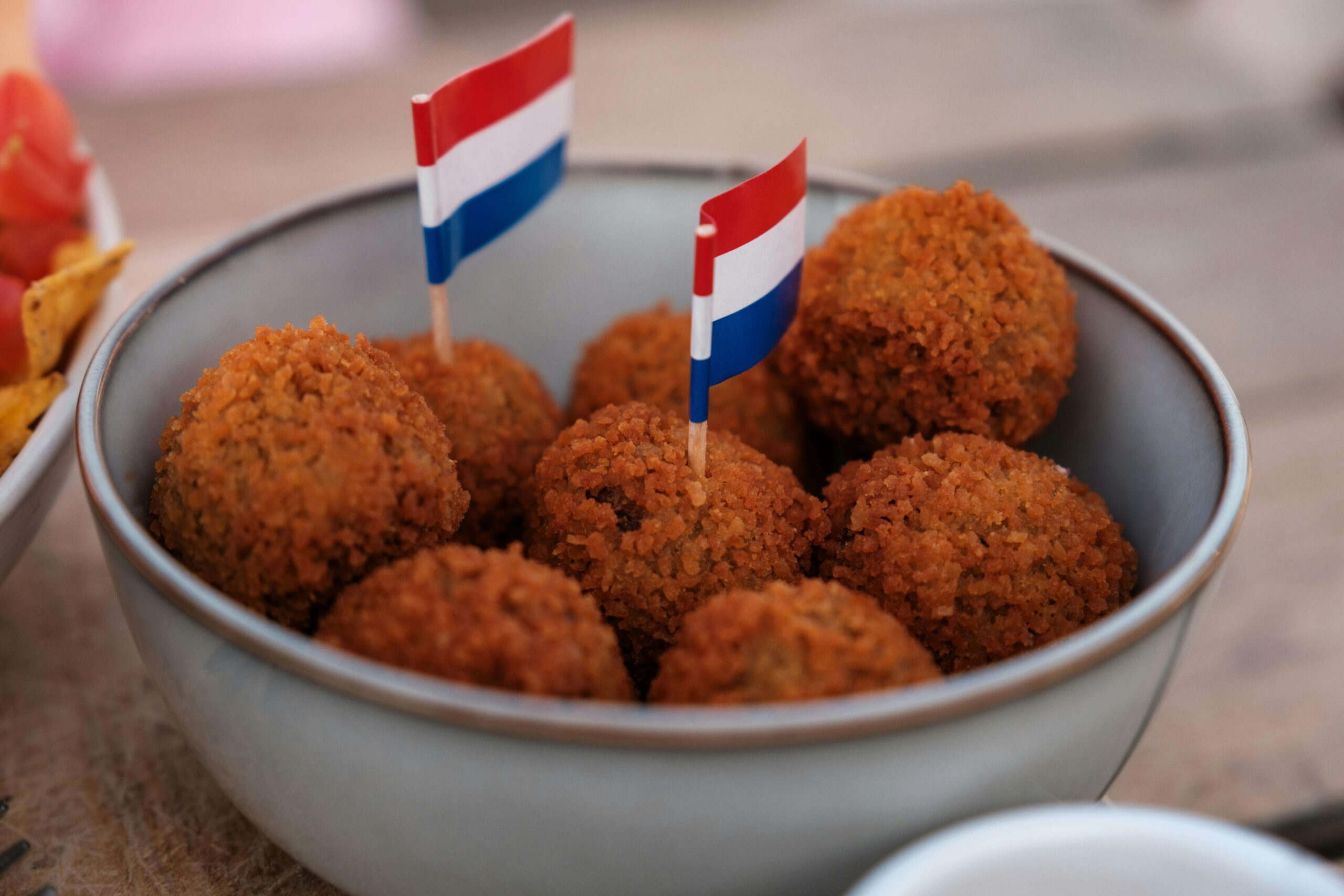
    This tour is all about you. From iconic Dutch snacks like crispy bitterballen and gooey stroopwafels to bold Surinamese and Indonesian flavors that reveal Amsterdam’s global roots, every stop is chosen to fit your taste and curiosity. Your guide doesn’t just show you the food—they tell the story behind it, bringing the city’s history and heart to life.

    Forget crowds and checklists—this is a journey designed to satisfy your hunger for authenticity and connection.

    Why You’ll Love This Tour:
    🍽️ Completely Personalized – Move at your pace, follow your cravings
    🌍 Global Meets Local – Dutch traditions and multicultural bites
    👫 Perfect for Any Group – Families, couples, or solo travelers welcome

    As you embark on your culinary adventure in Amsterdam, you’ll find the city is a treasure trove of delicious Dutch croquettes. From the iconic Van Dobben to the historic Grand Cafe Restaurant 1e Klas located inside Amsterdam Centraal Station, each venue offers a unique tasting experience. Be sure to sample various types of croquettes, including the classic beef and veal, as well as innovative options like cheese and arugula.

    Enhance your croquette experience by pairing them with a refreshing glass of Heineken draft beer or a fine house wine for a true Dutch culinary delight. Whether you’re exploring bustling local markets, uncovering hidden gems, or dining at traditional eateries, Amsterdam’s vibrant food scene is ready to surprise and delight.

    Plan your visit, savor these savory treats, and make your trip to Amsterdam an unforgettable culinary journey.

    How Much Do Dutch Croquettes Typically Cost In Amsterdam?

    The price of a Dutch croquette can vary depending on where you buy it, but you can expect to pay between €2 and €5 for a single croquette at snack bars or fast food places.

    What Are The Most Typical Dutch Dishes I Should Try?

    The Netherlands is known for hearty, comforting dishes. Must-try items include kroketten (deep-fried croquettes with meat ragout), bitterballen (small round meat croquettes), stroopwafels (thin waffles filled with caramel syrup), haring (raw herring with onions and pickles), patat (thick-cut fries usually served with mayonnaise), and poffertjes (fluffy mini pancakes with butter and powdered sugar).

    Are There Vegetarian And Vegan Options Available For Croquettes In Amsterdam?

    Yes, there are vegetarian and vegan options available for croquettes in Amsterdam. Places like Heertje Friet offer vegan croquettes, and other venues such as Vegan Junk Food Bar and Soil Vegan Cafe also provide various vegan bitterballen and croquette options.

    What Is The Significance Of National Croquette Day In The Netherlands, And How Is It Celebrated?

    National Croquette Day, celebrated on October 9th in the Netherlands, honors the beloved Dutch snack, the croquette. It was introduced in 2014 to commemorate culinary journalist Johannes van Dam’s birthday. The day is marked by restaurants, snack bars, and supermarkets offering special croquette menus, discounts, and creative variations.

    Food enthusiasts, chefs, and families celebrate by indulging in traditional and innovative croquettes, highlighting the snack’s cultural significance and versatility in Dutch cuisine.

    Did you enjoy this travel guide? Stay updated with our Amsterdam blog and explore more of our posts!

  • Discover the Best Parisian Cafes for an Authentic Parisian Experience

    Discover the Best Parisian Cafes for an Authentic Parisian Experience

    When you think of Paris, France, the city of love, art, and gastronomy, one of the first images that comes to mind is an iconic Parisian cafes like those seen in movies. These establishments are much more than just places to enjoy a coffee or a meal; they are vibrant centers of culture, history, and social life. From the grand, historic cafes of Saint-Germain-des-Prés to hidden gems nestled in quieter neighborhoods, Paris boasts a diverse array of cafes to suit every taste and preference.

    In this travel guide, we’ll explore some of the best Parisian cafes, showcasing their distinctive features, historical importance, and the authentic experiences they offer. Get yourself a chance to know the classic French meal, or a chance to people-watch from a picturesque sidewalk terrace. 

    1- Café de Flore: The Intellectual Icon

    Café de Flore, located on Boulevard Saint-Germain, is one of the most emblematic cafés in Paris, renowned for its deep roots in the city’s cultural and intellectual life. Opened in the late 19th century, it rose to fame in the 1930s and 40s as a meeting place for writers, philosophers, and artists.

    Frequented by the likes of Jean-Paul Sartre, Simone de Beauvoir, and Pablo Picasso, the café became a cornerstone of existentialist thought and post-war creativity. Its Art Deco interior, with red seating, dark wood, and mirrored walls, has remained unchanged, preserving the charm of another era.

    More than just a café, it’s a symbol of Parisian elegance and literary spirit. A favorite detail for many visitors is the discreet upstairs room where Sartre and Beauvoir often wrote for hours. While there, don’t miss ordering the chocolat chaud à l’ancienne—a rich, velvety hot chocolate that feels as timeless as the café itself.

    • Address: 172 Bd Saint-Germain, Paris

    2- Les Deux Magots: The Literary Cafe

    Les Deux Magots, standing proudly on the Place Saint-Germain-des-Prés, is a storied Parisian café deeply intertwined with the city’s literary and artistic heritage. Established in 1884, it quickly became the rival and companion to its neighbor, Café de Flore, as a haven for the cultural elite.

    The café’s name, taken from two Chinese figurines still perched inside, adds to its distinctive charm. It was here that poets like Paul Verlaine and Arthur Rimbaud once lingered, and later, intellectuals such as André Breton and Simone de Beauvoir made it their creative refuge.

    With its timeless terrace and elegant Belle Époque interior, Les Deux Magots remains a beacon of old-world sophistication. A charming anecdote: the café awards an annual literary prize, le Prix des Deux Magots, honoring innovation in French literature. Be sure to enjoy their classic tartine beurre confiture with a café crème—simple, refined, and quintessentially Parisian.

    • Address: 6 Pl. Saint-Germain des Prés, Paris.
    les deus magots parisian cafes

    3- La Closerie des Lilas: Hemingway’s Favorite

    La Closerie des Lilas, found on the Boulevard du Montparnasse, is another grand café rich in literary heritage. This cozy establishment was a beloved haunt of Ernest Hemingway, who often visited to write and socialize. The café’s inviting ambiance, enhanced by a beautiful garden and classic Parisian interiors, makes it an ideal spot to unwind with coffee or a meal. The most popular recommendation is coffee with fruit and champagne, a typical order for the average Parisian. La Closerie des Lilas remains a cherished destination for both locals and tourists, offering a glimpse into the Parisian literary scene frequented by Hemingway and other celebrated writers.

    • Address: 171 Bd du Montparnasse, Paris

    4 – Jozi Brunch: The Colorful Escape

    Tucked away in the 10th arrondissement, Jozi Brunch brings a vibrant splash of color and creativity to the Paris brunch scene. A relative newcomer, this café quickly won hearts with its playful decor, friendly vibe, and highly photogenic plates—making it a favorite among locals and Instagram enthusiasts alike.

    Jozi’s atmosphere is joyful and relaxed, featuring tropical plants, colorful tiles, and cozy corners perfect for long weekend meals. The menu is globally inspired with a healthy twist, offering fresh juices, pancakes stacked high, and generous avocado toasts.

    What sets Jozi apart is its inviting energy and eye-catching presentation. A fun fact: the name “Jozi” is a nod to Johannesburg, reflecting the owner’s South African roots. Don’t leave without trying their signature banana pancakes—fluffy, golden, and served with just the right touch of indulgence.

    • Address: 3 Rue Valette, Paris

    5 – Zia: The Brunch Fusion Favorite

    Zia, located near the Champ de Mars, is a cozy and modern café offering a delicious blend of French ingredients and American brunch culture. Run by a French-American couple, Zia has become a beloved brunch spot known for its thoughtful dishes and welcoming atmosphere.

    The space is bright and simple, with pale wood, pastel touches, and warm service that makes every visit feel like a Sunday morning treat. From perfectly poached eggs to slow-roasted veggies and homemade granola, the menu caters to both comfort food lovers and health-conscious eaters.

    Zia’s charm lies in its subtle fusion and attention to detail. A little known delight: the café often rotates its seasonal specials based on what’s fresh at the market that week. Their breakfast burrito is a must—flavorful, satisfying, and perfect fuel for a day in Paris.

    • Address: 22 Av. de Tourville, Paris

    6- Azur Café: The Minimalist Gem

    Nestled in the lively Canal Saint-Martin area, Azur Café offers a minimalist haven for coffee lovers and design enthusiasts alike. With its clean lines, natural tones, and quiet ambiance, it’s a peaceful break from the city’s bustle—ideal for reading, working, or slow sipping.

    Specializing in third-wave coffee, Azur focuses on single-origin beans and precise brewing methods. The baristas are knowledgeable and passionate, happy to guide you through the options whether you prefer a V60 pour-over or a velvety flat white.

    More than just coffee, Azur embraces a Nordic-inspired aesthetic and calm that draws a devoted crowd. A charming touch: their playlist of mellow indie music subtly shifts with the mood of the day and they use handmade ceramic cups. Pair a cup of their signature filter coffee with a slice of lemon loaf for a moment of quiet bliss.

    • Address: 63 Rue de Ponthieu, Paris

    7- Strada Café: The Fresh Corner

    With locations near both Odéon and République, Strada Café has made its name as a cozy neighborhood spot where quality and freshness come first. Its warm wood interiors and gentle lighting create a welcoming setting for breakfast meetings, solo afternoons, or a casual catch-up.

    Strada prides itself on sourcing seasonal, local ingredients, crafting everything from scratch—including their buttery croissants and hearty lunch bowls. Their coffee program is equally strong, featuring beans from local roasters and a range of brew styles.

    Its charm lies in its balance: artisanal but unpretentious, stylish but homey. A local tip: Strada’s chai latte is quietly legendary, with a perfect spice blend that keeps regulars coming back for more. Anothe recommendations it’s coffee with milk and bruschetta with cheeses and different fruits.

    • Address: 24 Rue Monge, Paris

    8- Coutume Café: The Brew Innovator

    Located in the stylish 7th arrondissement, Coutume Café has become a cornerstone of Paris’s third-wave coffee scene. Since opening in 2011, this café has redefined the city’s relationship with coffee, combining science, design, and a deep respect for the bean.

    The space is bright and modern, with white tiles, lab-like equipment, and an open bar where baristas meticulously prepare each cup. Coutume is known for its precision: they roast their own beans and constantly experiment with new extraction methods, from siphon to cold brew.

    Beyond the coffee, the café offers a small but refined brunch menu that attracts both regulars and curious newcomers. A fun tidbit: they occasionally host coffee tastings and workshops. Don’t miss their flat white—smooth, rich, and expertly balanced, it’s a cult favorite for a reason.

    • Address: 63 Rue du Faubourg Poissonnière, Paris

    9- Café Francoeur: The Montmartre Classic

    Perched at the edge of Montmartre, Café Francoeur captures the charm of a classic Parisian bistro with a distinctly local feel. Its red awning, vintage mirrors, and street-facing terrace invite regulars and newcomers alike into a space where time seems to slow down.

    Far from the rush of Sacré-Cœur, this café is beloved by neighborhood residents for its friendly service, casual elegance, and straightforward menu of French favorites—from croque-monsieurs to well-poured espressos. It’s a place where waiters greet guests by name and locals linger over long conversations.

    What defines Café Francoeur is its authenticity and sense of place. A favorite touch: the view from the terrace offers a slice of everyday Montmartre life, with passing artists, musicians, and market-goers. Order a café crème and watch the quartier unfold before you.

    • Address: 129 Rue Caulaincourt, Paris

    Each café featured in this selection was carefully chosen to reflect the diverse spirit of Parisian café culture—from its historic literary landmarks to its vibrant modern brunch spots. The recommendations balance tradition and trend, offering something for every kind of traveler.

    What makes these cafés stand out is not only their quality and ambiance, but also their strong connection to the neighborhoods they serve. Whether it’s a grand café with a storied past like Café de Flore, or a third-wave gem like Coutume Café, each place offers a window into the daily rhythms and rich cultural textures of Paris.

    These cafés are particularly recommended for tourists because they combine authenticity with accessibility. They allow visitors to experience Paris like a local, with menus that range from classic French staples to innovative international brunches. Most importantly, they capture the essence of the city’s café life—where coffee is more than a drink; it’s a ritual, a pause, and a piece of Parisian identity.

    Paris is more than just romance and landmarks—it’s a city where every corner, market, and bistro tells a story through food. From buttery croissants to bubbling coq au vin, each flavor reveals something deeper about French culture and the people who live it. With Sherpa Food Tours Paris Private Experience, you’ll explore this rich, edible history on your own terms.

    This one-of-a-kind tour is built entirely around you. Craving the perfect macaron? Curious about the best neighborhood fromageries? Whether you want to sip espresso at a tucked-away café or uncover dishes shaped by centuries of migration and influence, your local guide will bring it all to life with warmth, knowledge, and zero tourist fluff.

    More than a tasting tour, this is your gateway to the soul of Paris—through food, conversation, and unforgettable moments.

    Why You’ll Love This Tour:
    🥐 Fully Personalized Experience – Explore Paris your way, from start to finish
    🍷 A Taste of True France – Iconic bites, local secrets, and modern takes
    👨‍👩‍👧‍👦 Made for Everyone – Ideal for couples, families, or anyone with special tastes or needs

    As we conclude our journey through the best Parisian cafes, it’s clear that these establishments are more than just places to grab a coffee or a meal; they are the heart and soul of Parisian life. From the historic grand cafes like Café Procope, Les Deux Magots, and Café de Flore, to the hidden gems and people-watching paradises, each cafe offers a unique and authentic experience.

    Remember, Parisian cafes are not just about the coffee; they are about the culture, the community, and the connection they provide. In a city where cafes are disappearing at an alarming rate, it’s important to support and preserve these iconic institutions. They serve as inclusive public houses where everyone can belong, regardless of background or social status.

    So, the next time you visit Paris, make sure to step into one of these cafes, order a coffee, and soak in the atmosphere. By doing so, you are not only enjoying a piece of Parisian history but also contributing to the survival of these vital community hubs.

    How Do I Know If I Can Sit At A Table Outside A Parisian Cafe, Or If I Need To Ask For Seating?

    At a Parisian cafe, you can usually seat yourself at an outdoor table unless the table is set with silverware, napkins, or plates, which indicates it is reserved for dining. If the table is empty and not set, you can sit down.

    If you’re unsure, you can catch the waiter’s attention or ask, «Excuse moi, c’est possible boisson seulement?» to confirm.

    What Types Of Meals And Snacks Can I Expect To Find On The Menu At A Typical Parisian Cafe?

    At a typical Parisian cafe, you can find a variety of meals and snacks, including traditional French dishes such as croissants, quiche Lorraine, omelets, French toast made from brioche bread, and pastries like chocolate and apple-filled croissants. Other items may include soups, salads like Salade Niçoise, and light meals such as Moules Marinières (mussels in white wine), crêpes (both savory and sweet), and sandwiches.

    Additionally, classic French desserts like crème brûlée and soufflés are often available, along with a selection of coffee and espresso.

    How Do I Order Wine In A Casual Parisian Cafe If I Don’t Speak French?

    To order wine in a casual Parisian cafe without speaking French, follow these steps:

    • Ask for the wine list: «Est-ce que vous avez la carte des vins, s’il vous plaît?»
    • Choose between a glass or a bottle: «Je voudrais un verre de vin» (a glass of wine) or «Je voudrais une bouteille de vin» (a bottle of wine).
    • Opt for the house wine, which is usually local and affordable: «Un carafe de votre vin maison, s’il vous plaît.»
    • If you need help, ask the waiter for a recommendation: «Quel vin est-ce que vous me recommandez?»

    What Is The Etiquette For Paying And Tipping At A Parisian Cafe?

    In Parisian cafes, a 15% service charge is already included in the bill, indicated by «service compris.» While tipping is not required, it is polite to leave a small gratuity (pourboire) for good service, typically rounding up to the nearest euro or leaving 1-2 euros per person. Tipping more than 5-10% is not necessary and may be seen as excessive.

    What is the difference between a café and a bakery in Paris?

    A café is your go-to spot for sitting down with an espresso and people-watching, whereas a bakery (boulangerie) is strictly for grabbing incredible fresh bread and pastries to go. Discover exactly where the locals buy their sweet daily treats in our guide to the best bakeries in Paris.

    Did you enjoy this travel guide? Stay updated with our blog and explore more of our posts!

    Looking for a tailored, intimate tasting through the city’s hidden gems? Join our Paris Private Food Tour.

  • The Best Bakeries in Paris for Delicious Baguettes and Pastries

    The Best Bakeries in Paris for Delicious Baguettes and Pastries

    When you think of France, one of the first images that comes to mind is the classic French bakery, or boulangerie. Renowned worldwide, the city is celebrated for its exceptional bread, particularly the iconic baguette, and an assortment of pastries that delight the senses. Whether you are visiting or living in the city, exploring its finest bakeries in Paris is an experience not to be missed.

    These bakeries are more than just shops; they are custodians of French culinary tradition. Every loaf and pastry reflects the nation’s rich baking heritage. In the heart of Paris, you’ll find bakeries that have honed their craft for generations, offering everything from the crispy, golden crust of a traditional baguette de tradition to the delicate, flaky layers of a croissant—all made with meticulous care and passion.

    The French are serious about their bread, as evidenced by strict regulations governing the baguette de tradition, which must be crafted on-site using only four ingredients: wheat flour, yeast, salt, and water.

    Whether you’re a food enthusiast, pastry lover, or simply someone who admires the art of French baking, Paris has something to offer. This article will guide you to the best bakeries in Paris, showcasing those famous for their exceptional baguettes and pastries.

    Let’s embark on this culinary journey and discover the crème de la crème of Parisian bakeries.

    1. Du Pain et des Idées

    Du Pain et des Idées, located at 34 Rue Yves Toudic in the 10th arrondissement of Paris, is a historic bakery that has been a cornerstone of French baking since 1875. Under the guidance of Christophe Vasseur, who took over in 2002, this bakery is renowned for its traditional and artisanal approach.

    The bakery’s specialties include the famous «Pain des Amis» (bread of friends), a crusty, organic loaf with complex flavors, and the chocolate-pistachio escargot, a unique twist on traditional French pastries. The bakery’s historic decor, complete with painted glass ceilings and beveled mirrors, adds to its charm and authenticity.

    • Address: 34 Rue Yves Toudic, Paris
    Du Pain et des Idées best bakeries in paris

    2. Poilâne

    Poilâne is another iconic bakery in Paris, celebrated for its high-quality bread and pastries. Founded in 1932 by Pierre Poilâne, the bakery has maintained its family tradition and is now run by his daughter, Apollonia Poilâne. Known for its signature round, dense bread made from sourdough, Poilâne offers a variety of products including the famous «Pain de Campagne» and an array of delicious pastries. With multiple locations in Paris, Poilâne is a must-visit for anyone seeking authentic French baking.

    • Address: 8 Rue du Cherche-Midi, Paris

    3. Stohrer

    Stohrer, established in 1730, is the oldest bakery in Paris and holds a special place in the city’s culinary history. Located on Rue Montorgueil in the 2nd arrondissement, Stohrer has been a favorite among locals and visitors alike for centuries.

    This historic patisserie is famous for its traditional French pastries, including the «Éclair» and «Tarte Tatin,» as well as its exquisite bread. The bakery’s elegant interior and rich history make it a compelling destination for anyone interested in experiencing the best of French patisserie.

    • Address: 51 Rue Montorgueil, Paris

    4. La Pâtisserie Cyril Lignac

    La Pâtisserie Cyril Lignac, founded by the renowned pastry chef Cyril Lignac, is celebrated not only for its exquisite pastries but also for its innovative take on traditional French bread. With several locations across Paris, this patisserie offers a variety of baguettes that stand out for their exceptional quality and originality. Cyril Lignac’s dedication to using premium ingredients and creative flavor combinations makes his baguettes truly unique.

    For example, you can find baguettes infused with ingredients like nuts, seeds, or even chocolate, offering a delightful twist on the classic French loaf.

    • Address: 24 Rue Paul Bert, Paris

    5. Le Boulanger de la Tour

    Le Boulanger de la Tour, situated in the heart of the Latin Quarter at 2 Rue du Cardinal Lemoine, masterfully blends tradition with innovation. Guided by Head Baker Kevin Derpierre, this bakery crafts some of the most unique and flavorful baguettes in Paris. One standout creation is the «sarment baguette» with toasted cereals, which undergoes a 24-hour fermentation process. This recipe combines ancient flours with liquid sourdough, resulting in a bread with subtle milky notes and a crisp, refined crust.

    Furthermore, their use of organic ancient flours sourced from local mills and natural sourdough ensures that every baguette is not just a staple but a memorable culinary experience.

    • Address: 2 Rue du Cardinal Lemoine, Paris

    6. Pierre Hermé

    Pierre Hermé, often referred to as the «King of Modern Patisserie,» is a must-visit destination for anyone seeking exquisite French pastries in Paris. With multiple locations across the city, including shops in the 7th, 8th, 10th, and 15th arrondissements, Pierre Hermé offers a wide range of innovative and refined creations. His pastries are renowned for their unique flavor combinations and impeccable presentation.

    The iconic Ispahan macaron, which combines rose, lychee, and raspberry, is a standout, along with other creations like the 2000 Feuilles pistachio mille-feuilles and the seasonal entremets that showcase his mastery of textures and flavors.

    • Address: 86 Av. des Champs-Élysées, Paris

    7. Aux Merveilleux de Fred

    Aux Merveilleux de Fred is another gem in the Parisian pastry scene, known for its whimsical and delicious creations. Located on Rue des Martyrs in the 9th arrondissement, this patisserie is famous for its meringue-based pastries, particularly the «merveilleux,» a light and airy meringue shell filled with whipped cream and topped with chocolate shavings or other toppings.

    The shop also offers a variety of other pastries, including the «cramique» (a brioche filled with sugar and pearl sugar) and the «galette des rois.» The charming atmosphere and the use of high-quality ingredients make Aux Merveilleux de Fred a delightful place to indulge in French patisserie.

    • Address: 24 Rue du Pont Louis-Philippe, Paris

    8. Yann Couvreur Patisserie

    Yann Couvreur Patisserie is a contemporary patisserie that stands out for its creative and visually stunning pastries. Yann Couvreur, a celebrated pastry chef, offers a range of innovative desserts that blend traditional French techniques with modern flavors and presentation. His shop, located in the 10th arrondissement, is known for its seasonal pastries, ice cream, and the famous «pain au chocolat» with dark chocolate, making it a must-visit for those looking to experience the cutting edge of French patisserie.

    Address: 137 Ave Parmentier, Paris

    There’s a certain magic in Paris—one you can’t capture from a guidebook or a postcard. It’s found in the flake of a warm baguette, the swirl of a rich sauce, the hum of a bustling market at dawn. With Sherpa Food Tours’ Paris Private Experience, you’re invited to discover the city’s soul through its most intimate language: food.

    This private culinary journey is fully tailored to your tastes, timing, and curiosity. Whether you crave iconic French dishes or wish to explore the tucked-away cafés only locals know, your experience will unfold like a story—one delicious chapter at a time.

    Accompanied by a passionate local guide, you’ll walk the charming streets of Paris, stopping to taste, learn, and connect. You’ll hear the history behind each dish, the culture behind every flavor, and the passion of a city that lives through its cuisine.

    Designed for travelers seeking authenticity, elegance, and personalization, this exclusive tour brings you closer to Paris than ever before.

    Why Choose This Experience:
    🍷 Tailored Just for You – A private culinary journey shaped by your tastes.
    🥖 Genuine Parisian Flavors – Explore timeless classics and hidden gems.
    🎯 Ideal for All Travelers – Whether you’re a couple, solo explorer, or family with specific needs.

    In the heart of Paris, the art of French baking comes alive through its iconic and innovative bakeries. Whether you are seeking traditional baguettes, unique pastries, or modern vegan alternatives, Paris offers something to delight every palate.

    Make sure to visit iconic bakeries such as Du Pain et des Idées, Poilâne, and Stohrer to experience a taste of history and tradition. For unique baguettes, check out La Pâtisserie Cyril Lignac and Le Boulanger de la Tour. If exquisite pastries are what you crave, Pierre Hermé, Aux Merveilleux de Fred, and Yann Couvreur Patisserie are essential stops.

    Don’t overlook the growing trend of vegan baking, which is steadily achieving the high standards of traditional French patisserie. As you stroll through the streets of Paris, let the enticing aroma of freshly baked bread and pastries guide you to these culinary treasures, and immerse yourself in the rich baking heritage that makes Paris a true culinary paradise.

    What Is The Difference Between A Boulangerie And A Pâtisserie In Paris?

    A boulangerie in Paris is a bakery specializing in bread and simple baked items like baguettes, croissants, and pain au chocolat, using traditional bread-making techniques. In contrast, a pâtisserie is a pastry shop that focuses on elaborate, sweet desserts such as cakes, tarts, and pastries, requiring specialized skills and often involving complex techniques.

    How Do I Properly Order And Pay At A French Bakery?

    To order at a French bakery, start with a greeting: «Bonjour» or «Bonjour madame/monsieur.» Decide on your items before approaching the counter. Say, «Je voudrais une baguette tradition, s’il vous plaît» or «Je veux prendre un pain au chocolat, s’il vous plaît.» When ready to pay, the clerk will ring up your order.

    You can pay with cash or card, saying «par carte, s’il vous plaît» for card payments. Respond «C’est tout» if you’re finished, and thank them with «Merci» or «Merci beaucoup.»

    Are There Bakeries In Paris That Cater To Food Allergies And Dietary Restrictions?

    Yes, there are several bakeries in Paris that cater to food allergies and dietary restrictions. Bakeries like Land&Monkeys, Chambelland, and VG Pâtisserie offer gluten-free, vegan, and nut-free options.

    Others, such as Copains and Creperie Parisienne, are also highly aware of and accommodate various food allergies.

    What Are Some Essential French Bakery Items I Should Try When Visiting Paris?

    When visiting Paris, some essential French bakery items to try include:

    • Croissant: A flaky, buttery pastry, often enjoyed plain or filled with almond cream or chocolate.
    • Pain au Chocolat: A chocolate-filled pastry similar to a croissant.
    • Macarons: Delicate, colorful confections available in various flavors like pistachio, chocolate, and hazelnut.
    • Éclairs: Long, creamy pastries, with popular flavors like salted caramel.
    • Paris-Brest: A circular choux pastry filled with praline-flavored cream, resembling a bicycle wheel.
    • Mille-feuille: Layers of puff pastry and pastry cream, topped with chocolate-drizzled sugar icing.
    • Tarte Bourdaloue: A French pear tart with a pastry base, frangipane filling, and poached fruit.
    • Brioche à Tête: A rich, buttery brioche from Stohrer Pâtisserie.
    • Chouquettes: Small, cream-filled choux pastries.
    • Pain aux Raisins: A flaky, buttery dough rolled up with raisins and vanilla pastry cream.

    Did you enjoy this travel guide? Stay updated with our blog!

    It is no secret that securing a table with a breathtaking backdrop is the most sought-after experience on any trip to the city. Make your dream dinner a reality with our ultimate guide to Paris restaurants with a view.

  • The Top Bistros in Paris to Experience Classic French Dining

    The Top Bistros in Paris to Experience Classic French Dining

    When you think of Paris, the City of Light, one of the first things that comes to mind is the quintessential Parisian bistro. These charming eateries are the heart and soul of French dining, offering an authentic and unforgettable culinary experience. Whether you’re a food enthusiast, a romantic at heart, or simply a traveler looking to immerse yourself in the local culture, visiting the top bistros in Paris is an absolute must.

    From their cozy atmospheres and traditional decor to the exquisite French cuisine and extensive wine lists, these bistros capture the essence of classic French dining. In this guide, we’ll take you on a journey through the best bistros in Paris, showcasing the most iconic and delectable spots to savor a truly French meal.

    bistros in paris

    Parisian bistros are more than just eateries; they are vibrant reflections of the city’s rich history and cultural heritage. The term «bistro» itself is steeped in legend, with one popular story suggesting it originated from the Russian word «бистро» (bystro), meaning «quick,» which Russian soldiers allegedly used to demand faster service during their occupation of Paris in 1814.

    However, the true essence of bistros lies in their evolution over the centuries. In the 19th century, these establishments emerged as humble, family-run cafes and taverns, catering primarily to the working class. They offered simple, hearty meals and a relaxed atmosphere, making them social hubs where locals could gather to enjoy traditional French dishes like boeuf bourguignon, coq au vin, and cassoulet.

    The golden age of bistros saw these venues become integral to Parisian life, especially after the French Revolution, which democratized access to food and wine. Bistros became convivial meeting places where people from all walks of life could savor local cuisine and wine in a warm and welcoming environment. This period marked the beginning of bistros as we know them today, with their characteristic zinc bars, chalkboard menus, and cozy decor.

    Throughout the 20th century, bistros continued to evolve while maintaining their traditional roots. They played a significant role in promoting French gastronomy globally, attracting literary and artistic figures such as Hemingway and Fitzgerald. Iconic bistros like Le Procope, La Coupole, and Bistrot Paul Bert became synonymous with Parisian culture, offering a blend of classic cuisine and modern flair.

    The authentic charm of Parisian bistros is also reflected in their regional influences. Many original bistro owners were migrants from provinces like Auvergne, who brought their culinary traditions to Paris. This diversity enriched the bistro scene, making each establishment a unique reflection of French regional cuisine.

    Today, Parisian bistros continue to reinvent themselves, balancing tradition with modernity. While some have adapted to cater to a more tourist-oriented clientele, others remain true to their roots, offering an authentic experience that honors the history and soul of Paris. Whether you’re looking for a classic meal in a historic setting or a modern twist on traditional dishes, Parisian bistros are a must-visit destination for any food enthusiast.

    1- La Fontaine de Mars

    Located in the heart of Paris, on the rue Saint-Dominique, La Fontaine de Mars is a quintessential French bistro that embodies the spirit of traditional French cuisine. This charming establishment, dating back to 1908, has garnered significant attention, including a visit from President Barack Obama and his wife Michelle. Renowned for its Southwestern French dishes, such as cassoulet and duck breast with Corsican honey, La Fontaine de Mars serves generous portions paired with an excellent selection of wines, including their house wines offered in ‘pots’ at a reasonable price.

    The bistro’s ambiance is equally impressive, with classic red-and-white checked tablecloths, lovely glassware, and a charming outdoor terrace overlooking a fountain. The service is consistently praised for its warmth and professionalism, ensuring every dining experience is special. From the amuse-bouche of delicious sausage to the meticulously presented dishes, La Fontaine de Mars creates a truly authentic French dining experience.

    • Address: 129 Rue Saint-Dominique, Paris.

    2- Chez Georges

    Nestled in the historic Saint-Germain-des-Prés neighborhood, Chez Georges is another iconic bistro offering a genuine taste of classic French cuisine. With its elegant yet cozy atmosphere, this bistro has been a favorite among locals and visitors alike for decades.

    The menu features a range of traditional dishes, including escargots, foie gras, and steak tartare, all prepared with fresh, high-quality ingredients. Chez Georges is also celebrated for its extensive wine list, which includes a variety of French wines that perfectly complement the bistro’s culinary offerings.

    The service is known for its warmth and attentiveness, adding to the overall charm of the dining experience. Whether you’re looking for a romantic evening or a casual meal with friends, Chez Georges provides an authentic and memorable experience of French bistro culture.

    • Address: 11 Rue des Canettes, París.

    3- Le Bon Georges

    Located on the rue des Deux Gares in the 10th arrondissement, Le Bon Georges offers a modern take on the traditional Parisian bistro. While it maintains the classic charm of its predecessors, it introduces a contemporary twist to its menu and atmosphere. The bistro is known for its natural wine list and creative dishes that blend traditional French flavors with modern flair.

    The interior of Le Bon Georges is stylish and inviting, featuring a mix of vintage and modern decor that creates a unique and welcoming atmosphere. The service is friendly and knowledgeable, helping diners navigate the menu and wine list.

    For those looking to experience the evolution of French bistro cuisine, Le Bon Georges is an excellent choice.

    • Address: 45 Rue Saint-Georges, Paris

    4- Bistrot Paul Bert

    Situated on the rue Paul Bert in the 11th arrondissement, Bistrot Paul Bert is a highly acclaimed bistro that has garnered a loyal following among food enthusiasts. This bistro is known for its classic French menu, which includes dishes such as steak tartare, confit de canard, and a variety of seasonal specials.

    The atmosphere at Bistrot Paul Bert is warm and convivial, featuring a traditional zinc bar and cozy decor that evokes the classic bistros of Paris. The service is attentive and knowledgeable, and the wine list is extensive, offering a range of French wines that pair perfectly with the bistro’s culinary offerings.

    Bistrot Paul Bert is a must-visit for anyone seeking an authentic and delicious French dining experience in a quintessential Parisian setting.

    • Address: 18 Rue Paul Bert, Paris.

    To fully enjoy your bistro experience in Paris, it’s essential to understand and respect the local dining etiquette. Here are some key tips to help you blend in and make the most of your meal.

    Arriving and Seating

    When entering a bistro, start by greeting the host or server with a friendly «Bonjour» or «Bonsoir,» depending on the time of day. This sets a positive tone for your dining experience. You may be asked if you prefer to be seated inside (en salle), at the bar (au bar), or outside (en terrasse).

    If there is a hostess stand or a sign that says «ATTENDEZ,» wait to be seated by someone.

    In Parisian bistros, seating can be quite intimate, with tables close together. Don’t be surprised if you’re seated near other diners; this is a common practice and part of the bistro’s convivial atmosphere.

    Interacting with Your Server

    French servers are trained professionals who focus on guiding you through the menu rather than engaging in small talk. When your server arrives, they might say «J’arrive!» to indicate they see you and will attend to you shortly.

    Order your food and drinks together unless you’re having an apéritif. The server will take your order and may repeat it back to ensure accuracy.

    If you need attention during your meal, make eye contact with your server or subtly wave to get their attention. Avoid yelling out for them, as this is considered impolite.

    Ordering and Menu Etiquette

    Menus in Parisian bistros are often simple and short, featuring local and seasonal ingredients. The dishes of the day are usually written on a chalkboard and may include options like entrecôte, coq au vin, or confit de canard.

    It’s advisable to stick with the menu as presented, as substitutions are generally not welcomed. The chef has carefully crafted each dish, and making changes can be seen as disrespectful.

    If you’re unsure, opting for the plat du jour (dish of the day) is a safe and delicious choice. Also, be mindful of dishes containing intestines if you’re not comfortable with them.

    Dining Etiquette

    When dining, remember that bread is served as an accompaniment and should be eaten in small portions. Butter is not typically provided with the bread.

    Enjoy your meal without rushing, as the French value the dining experience and savoring each bite.

    Keep your phone use to a minimum and avoid working on your computer at the table. This helps you fully engage with your meal and the company you’re with.

    Tipping and Paying the Bill

    In Paris, gratuity is included in the bill, but leaving a small tip—such as rounding up or leaving a few extra euros—is appreciated for good service. When you’re ready for the bill, politely ask, «L’addition, s’il vous plaît.» The server will bring the bill on a small tray, and you can pay either by card or cash.

    If you’re paying by card, simply place your card on the tray, and the server will process the payment in front of you.

    Leaving the Bistro

    After finishing your meal, thank your server with a polite «Merci, au revoir monsieur/madame» if they are nearby. Leaving a small tip on the bar or table is also a thoughtful gesture. As you leave, be mindful to keep your conversation level low and respect the other diners.

    By following these simple guidelines, you’ll immerse yourself in the authentic Parisian bistro experience, enjoying not only the food but also the culture and atmosphere that make these establishments truly special.

    Paris is more than a postcard-perfect city—it’s a feast for the senses. With Sherpa Food ToursParis Private Experience, you’ll step beyond the typical tourist path and into the heart of local life, where every corner bakery, market stall, and café table tells a story through flavor.

    This exclusive, fully customizable food tour is designed just for you. Whether you’re dreaming of buttery croissants fresh from the oven, delicate cheeses paired with the perfect wine, or discovering where Parisians really go for their favorite treats, this experience offers an intimate and delicious look at Parisian culture.

    Led by a passionate local guide, you’ll explore hidden culinary treasures and must-try classics while learning the traditions and tales behind them. It’s not just a food tour—it’s your personal journey through one of the world’s most iconic culinary capitals.

    Perfect for curious food lovers, couples, families, and travelers with specific dietary needs, this private adventure is paced to your rhythm and tailored to your tastes.

    Why This Tour Is a Must:
    🥐 Private & Personalized – A one-of-a-kind food tour crafted around you.
    🧀 Authentically French – Taste the flavors that define Paris—from local secrets to timeless staples.
    👣 Made for Everyone – Welcomes all guests, including families and those with dietary preferences.

    Would you like a version that’s more romantic, chic, or playful? I can adjust the tone to fit different audiences!

    In conclusion, experiencing the authentic charm of Parisian bistros is an essential part of any trip to Paris. These establishments hold a rich history and cultural significance, having transformed from modest working-class eateries into iconic social hubs over time. When visiting, remember to respect local dining etiquette—wait to be seated, take your time to order, and engage with the staff and fellow patrons.

    Savor classic French cuisine, explore the extensive wine selections, and enjoy the warm, convivial atmosphere. Whether you choose to dine at Bistrot Paul Bert, Chez Georges, or any other bistro, take the time to linger over your meal and immerse yourself in the unique ambiance that defines Parisian bistro culture. Plan your next trip to Paris and indulge in the quintessential French dining experience that awaits you in these cherished bistros.

    What Is The Proper Etiquette For Ordering Food In A Parisian Bistro?

    When ordering food in a Parisian bistro, proper etiquette includes:

    • Speaking French, or at least making an effort, as it is appreciated by the staff.
    • Waiting to be seated by the staff instead of choosing your own table.
    • Greeting the staff politely with «bonjour» or «bonsoir.»
    • Using key phrases like «Je voudrais» or «Je prends» to order, and asking for the «plat du jour» if unsure.
    • Avoiding restaurants near major landmarks and opting for those with seasonal menus and good reviews.
    • Being respectful and patient, as French waiters prioritize efficiency and respect your dining space.

    How Do I Know If A Bistro Is Authentic And Serves Traditional French Cuisine?

    An authentic French bistro usually features:

    • A relaxed, unpretentious atmosphere with rustic decor, such as wooden tables, vintage chairs, and black-and-white tiled floors.
    • A menu that includes classic dishes like steak-frites, coq au vin, and escargots, made with high-quality, often seasonal ingredients.
    • Reasonable prices and friendly, efficient service.

    What Are Some Common Dishes To Avoid If I Am Not Comfortable With Certain Types Of Food, Such As Intestines?

    If you are not comfortable with intestines, avoid dishes like:

    • Chitterlings: boiled or fried small intestines, common in Southern US and European cuisine.
    • Pajata: Italian dish with calf intestines.
    • Kokoretsi: grilled lamb intestines in Balkan and Turkish cuisine.
    • Sai mu thot: deep-fried pork intestines in Thai cuisine. 
    • Various Vietnamese dishes featuring boiled, grilled, or fried pork intestines.

    Do I Need To Make A Reservation To Dine At A Popular Parisian Bistro, Or Can I Just Walk In?

    While walk-ins may be possible, making a reservation is highly recommended for popular Parisian bistros to ensure a table, especially during busy times or at well-known establishments.

    Where can i find Vegan and vegetarian options in Paris?

    Traveling with dietary restrictions does not mean you have to skip the classic French culinary experience. We’ve curated some recommendations to taste the city’s absolute best plant-based bites in this article.

    No trip to the French capital is complete without its most iconic sweet treat. Find the perfect, melt-in-your-mouth bite in our guide to the best macarons in Paris.

    Did you enjoy this travel guide? Stay updated with our blog and explore more of our posts!

  • 10 Must-Try Spicy Mexican Dishes for Heat Lovers

    10 Must-Try Spicy Mexican Dishes for Heat Lovers

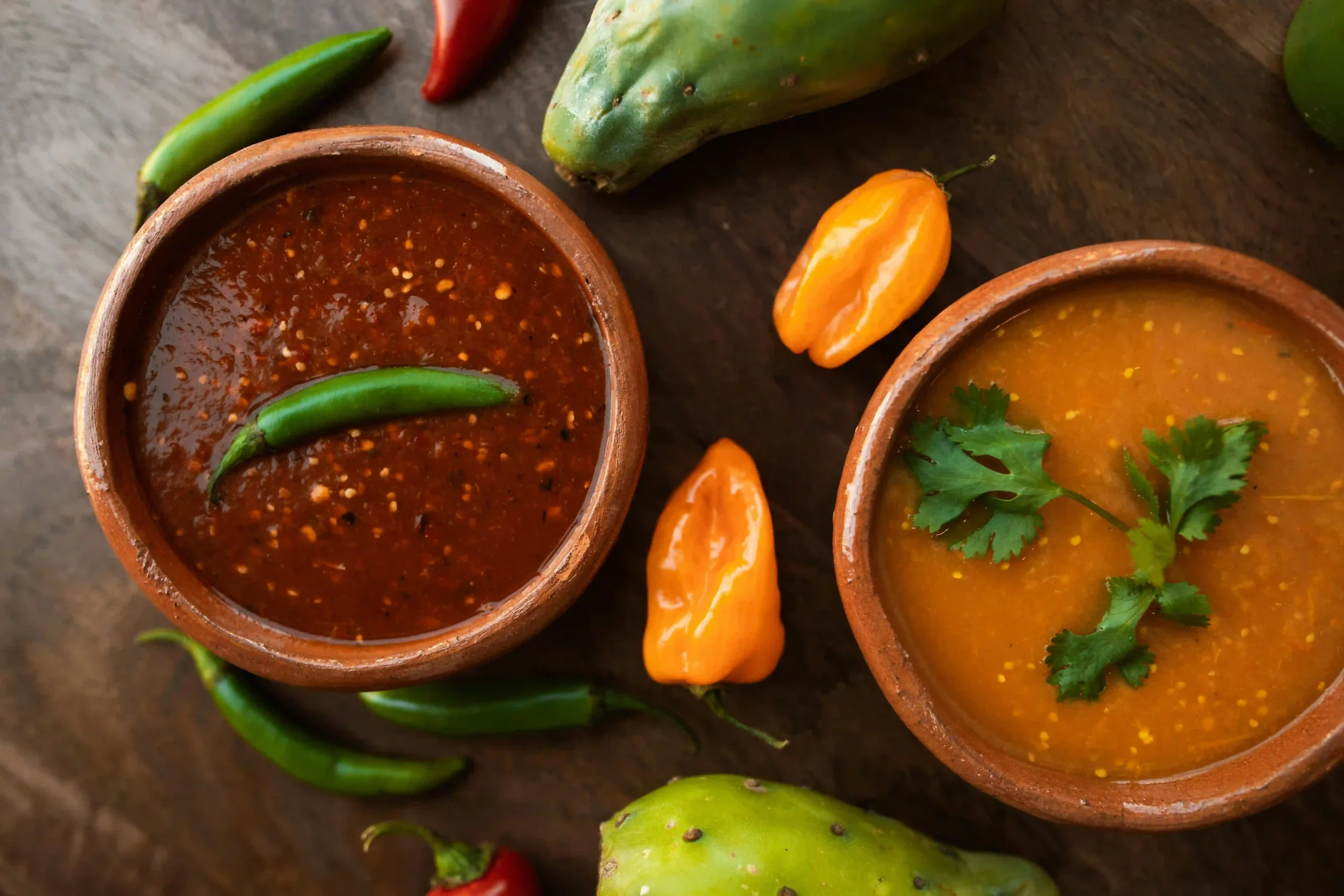
    For those who crave heat, spicy Mexican food is a true paradise. Known for its bold flavors, Mexican cuisine features an exciting mix of chili peppers, salsas, and spices that transform every dish into a fiery culinary delight.

    Whether it’s the mild warmth of guajillo chilies or the intense kick of arbol and puya chilies, Mexican cuisine offers a variety of spicy options to suit every preference. From street food staples like tacos stuffed with spicy chorizo to hearty bowls of chili con carne, the spicy essence of Mexican dishes is unmistakable.

    Smoky chipotle peppers, tangy fresh salsa, and creamy sour cream combine to create meals that are both thrilling and satisfying. For spice enthusiasts, these dishes are more than food—they’re an adventure that excites the taste buds and leaves you longing for more.

    This article will explore must-try spicy Mexican dishes, from fiery appetizers to bold main courses, and even desserts with a surprising spicy twist. Prepare for a flavorful journey that celebrates the best of Mexican cuisine for heat lovers.

    spicy mexican dishes

    When it comes to spicy Mexican food, appetizers set the stage for a flavorful and fiery meal. Below are some must-try fiery appetizers that will ignite your taste buds and leave you craving more.

    1. Salsa Roja

    Salsa Roja, or red sauce, is a cornerstone of Mexican cuisine, often serving as the base for many dishes. As an appetizer, it transforms into a bold and flavorful way to kick off your meal.

    Prepared with roasted tomatoes, onions, garlic, and a mix of chili peppers such as arbol or guajillo, Salsa Roja delivers a moderate to hot level of spice. Pair it with crispy tortilla chips or use it as a dip for grilled meats or vegetables to savor the authentic taste of Mexico.

    2. Jalapeño Poppers

    Jalapeño poppers are a beloved spicy appetizer that blends the creamy richness of cheese with the fiery heat of jalapeños. These bite-sized delights involve stuffing jalapeño peppers with a mix of cream cheese, often enhanced with ingredients like garlic, cilantro, or cheddar cheese.

    The peppers are then breaded and fried, creating a crispy shell that perfectly complements the soft, spicy filling. For a healthier alternative, you can bake them instead of frying, preserving the flavor while reducing the oil content.

    3. Ceviche con Chile Habanero

    Ceviche, a dish where raw fish is marinated in citrus juices, reaches new heights of flavor when combined with the fiery punch of chile habanero. Ceviche con Chile Habanero features fresh seafood such as shrimp or fish mixed with lime juice, diced habanero peppers, onions, and cilantro.

    The habanero adds a fiery yet slightly sweet flavor, making this dish both refreshing and spicy. It’s the perfect appetizer for those who enjoy the vibrant, zesty essence of ceviche with an extra layer of heat.

    Mexican cuisine is celebrated for its rich variety of flavorful main courses, many of which feature a spicy twist that enhances the dining experience. Below are some iconic and spicy dishes that represent the essence of Mexican spiciness.

    4. Chiles en Nogada

    Known for its festive presentation and historical importance, Chiles en Nogada offers a subtle yet satisfying flavor profile. This traditional dish from Puebla involves roasting and stuffing poblano peppers with a rich picadillo filling made from ground meat, fruits, and spices.

    The peppers are then topped with a creamy walnut sauce (nogada), garnished with pomegranate seeds and parsley, showcasing the colors of the Mexican flag. While not overly spicy, the combination of flavors and the slight smokiness from the roasted poblanos make it a must-try for anyone who appreciates the complexity of Mexican cuisine.

    5. Birria

    Birria is a hearty and spicy stew that holds a special place in Mexican cuisine, particularly in the regions of Jalisco and Chihuahua. Made with meats such as goat, beef, or pork, this dish features a rich, mildly spicy broth infused with chilies like guajillo, ancho, and chipotle peppers.

    The meat is slow-cooked until tender in the flavorful broth and is typically served with tortillas, onions, cilantro, and a splash of lime juice. For those seeking extra heat, some recipes include additional spicy ingredients like diced jalapeños or serrano peppers.

    6. Tacos al Pastor

    Tacos al Pastor, inspired by Lebanese shawarma, are a vibrant and spicy treat. These tacos feature marinated pork cooked on a vertical spit, similar to a gyro, and seasoned with a blend of spices, chilies, and pineapple.

    The marinade often incorporates chili peppers like guajillo or ancho, along with vinegar and spices, giving the pork a rich, slightly sweet and spicy flavor. Served in soft corn tortillas with onions, cilantro, and a slice of pineapple, Tacos al Pastor are a quintessential street food that embodies the spicy spirit of Mexican cuisine.

    Did you know that there are tacos recognized by the Michelin Guide? We tell you more here!

    7. Enchiladas Placeras

    Enchiladas Placeras, or «market-style enchiladas,» are a spicy and satisfying dish that showcases the versatility of Mexican cooking. These enchiladas are filled with shredded chicken or beef, rolled in corn tortillas, and covered in a spicy tomato-based sauce often made with chipotle or arbol peppers for added heat.

    Topped with melted cheese, sour cream, and a sprinkle of cilantro, Enchiladas Placeras deliver a balanced mix of flavors and textures, perfect for those who enjoy a moderate to hot level of spiciness.

    Mexican cuisine brings its signature spice to the world of desserts and drinks, offering a delightful twist for those who enjoy a touch of heat in their sweet treats. Here are some unique and flavorful options that incorporate a spicy kick.

    8. Mexican Hot Chocolate

    Mexican Hot Chocolate, or «Chocolate Mexicano,» is a rich and flavorful beverage that blends the warmth of chocolate with the heat of chili peppers. This traditional drink is crafted using dark chocolate, milk or water, and a mix of spices such as cinnamon, anise, and a hint of cayenne pepper or chili powder.

    The chili adds a subtle yet noticeable heat to the chocolate, making it an ideal winter treat or a distinctive dessert drink.

    9. Churros with Spicy Chocolate Sauce

    Churros, known for their crispy and sweet fried dough, gain a bold twist when paired with a spicy chocolate sauce. Traditionally, churros are dusted with cinnamon sugar and served with chocolate or dulce de leche for dipping. Adding a spicy element to the chocolate sauce—such as chipotle peppers or a dash of cayenne pepper—creates a delightful contrast between the sweet, crunchy churros and the rich, spicy chocolate.

    10. Mango con Chile

    Mango con Chile is a refreshing dessert that combines the natural sweetness of mango with the vibrant heat of chili peppers. This easy yet flavorful dish involves slicing fresh mango and enhancing it with lime juice, salt, and diced chili peppers like jalapeño or habanero.

    The spicy kick from the chilies complements the sweetness of the mango, delivering a balanced and invigorating treat that’s perfect for warm weather or whenever you crave a burst of flavor.

    Spice isn’t just a flavor in Mexican cuisine—it’s a language. It’s the fiery soul that runs through centuries of tradition, telling stories of indigenous roots, colonial influence, and regional diversity. From smoky chipotle to bright habanero, spice in Mexico City is not about overwhelming heat, but about layering flavor, creating depth, and awakening the senses.

    In every bite, spice brings more than just heat—it carries cultural memory and emotional resonance. Whether it’s a comforting bowl of pozole with a gentle chili warmth or a street taco topped with a salsa that demands your full attention, spice invites you to slow down, feel, and savor. It’s a celebration of contrast and complexity, and a fundamental part of why Mexican food continues to captivate taste buds around the world.

    For many Mexicans, eating spicy food isn’t just a habit—it’s part of daily life, learned from an early age and deeply tied to identity. Chili peppers have been used in Mesoamerican cooking for thousands of years, not only for their flavor but also for their medicinal properties and cultural symbolism. Over generations, spice tolerance becomes almost second nature, with each person developing their own preference and ritual—adding just the right amount of salsa to a taco or reaching for their favorite chile-infused snack. More than a taste preference, it’s a shared experience that connects people to their heritage and to one another.

    If flavor had a heartbeat, it would pulse in Mexico City. With Sherpa Food Tours Mexico City Private Experience, you’re not just tasting food—you’re diving headfirst into a culture that celebrates bold spices, vibrant ingredients, and centuries of culinary tradition. And yes, it might just make you sweat (in the best way).

    From the fiery kick of freshly made salsa to the smoky depth of tacos al pastor straight off the trompo, this private, fully customizable tour invites you to explore the city’s soul through its most unforgettable flavors. Whether you can handle the heat or you’re just curious about it, every stop along the way reveals something delicious, daring, and deeply Mexican.

    Forget cookie-cutter tours. This is your personal journey—designed around your tastes, your pace, and your sense of adventure. Want to try street food that locals swear by? Craving sweet, spicy, and everything in between? Your expert guide will lead you to hidden gems and iconic spots alike, sharing the history, culture, and stories that make each bite meaningful.

    This tour is perfect for: spice-lovers, curious foodies, families, and travelers with dietary needs. Whether you’re chasing the perfect taco or sipping on a cold agua fresca to cool the burn, this is your ticket to the real Mexico City—vibrant, flavorful, and unforgettable.

    Why You’ll Love This Tour:
    🌶 Tailored to You – A private tour built around your cravings and comfort level.
    🌮 Bold, Authentic Flavors – From zesty street snacks to rich, slow-cooked classics.
    👨‍👩‍👧‍👦 Everyone’s Welcome – Great for families, groups, and dietary preferences of all kinds.

    Ready to turn up the heat? Step into the heart of Mexico City and let your taste buds lead the way.

    In the vibrant world of Mexican cuisine, the allure of spicy dishes is undeniable. From the intense heat of habanero peppers to the smoky flavor of chipotle peppers, every dish delivers a unique and flavorful experience. The heart of Mexican spiciness lies in its diverse array of chilies, each bringing its own distinct flavor and heat level to the table.

    Whether you’re indulging in fiery appetizers like Salsa Roja, savoring main courses such as Birria or Enchiladas Placeras, or enjoying desserts with a spicy kick like Mexican Hot Chocolate, every bite is a celebration of bold flavors and rich traditions. Embrace the heat, explore the regional variations, and let the bold flavors of Mexican cuisine ignite your palate, leaving you craving more.

    What Are Some Great Places To Try Spicy Mexican Food In Mexico City?

     If you’re looking to dive into spicy Mexican cuisine, Mexico City has plenty of top-rated spots to try. Start with El Vilsito, a taquería famous for their tacos al pastor with bold, spicy salsas. For more variety, visit La Casa de Toño, where their pozole rojo can be made extra spicy and is beloved by locals and tourists alike. For a more upscale experience, try Pujol, where traditional flavors meet modern techniques—ask for the spicier tasting menu options. Don’t miss Los Cocuyos, a small but legendary taco stand in the historic center, known for intense, flavorful meats and fiery salsas.

    Where Can I Find Spicy Food With A Sweet Twist In Mexico City?

    Craving something spicy and sweet? Check out Churrería El Moro, a historic dessert spot where you can dip cinnamon churros in chili-infused chocolate. For a more adventurous combo, La Docena Oyster Bar & Grill in Roma Norte offers spicy seafood dishes with subtle sweet elements like mango habanero sauces. Another must-visit is Rokai, a Japanese-Mexican fusion restaurant where their chili-glazed eel combines umami, spice, and sweetness in one bite.

    Is Tipping Expected In Mexico City Restaurants, And How Much Should I Leave?

    Yes, tipping is expected and appreciated in Mexico City. The standard tip is 10% to 15% of your total bill, depending on service quality. In more upscale places like Rosetta or Quintonil, it’s common to tip closer to 15% or even 20% for exceptional service. Cash is preferred, even if you pay the bill by card. At casual eateries or street food stalls, tipping is not mandatory but rounding up your bill or leaving a few extra pesos is a kind gesture.

    What Types Of Chilies Are Commonly Used In Mexico City’s Spicy Cuisine?

    Chilies are central to the flavor profile of many dishes in Mexico City. You’ll commonly find:

    • Jalapeños (2,500–8,000 Scoville units), used in tacos and salsas, like those at Taquería Orinoco.
    • Serranos (10,000–23,000 units), a staple in pico de gallo and often found at spots like Contramar.
    • Chile de Árbol (15,000–65,000 units), popular for hot sauces served at El Califa.
    • Habaneros (100,000–350,000 units), used in the fiery Yucatecan cuisine you can try at Coox Hanal, a downtown favorite for authentic dishes from the Yucatán.

    You are going to need something perfectly refreshing to wash down all those spicy salsas. Learn exactly what to order beyond the classic margaritas in our guide to traditional Mexican drinks.

    Planning your foodie itinerary? Make sure to book a table at our top picks for the 10 best restaurants in Mexico City.

  • Where to Find the Best Macarons in Paris: A Sweet Guide

    Where to Find the Best Macarons in Paris: A Sweet Guide

    When it comes to the quintessential French dessert—the macaron—Paris stands as the ultimate destination for enthusiasts. With over 1,600 macaron shops scattered across the city, the search for the best macarons in Paris can be both thrilling and overwhelming. For those seeking the perfect blend of flavors, textures, and presentation, Paris offers a diverse array of options that extend beyond the renowned names. Whether you’re a local resident or a visitor, the city’s macaron scene is a treasure trove waiting to be explored. From the classic, elegant creations of famed patisseries to the innovative flavors crafted by emerging artisans, Paris is the ideal place to indulge your sweet tooth and uncover what makes a macaron truly exceptional.

    macarons in paris

    Delicate, colorful, and irresistibly charming, macarons are more than just sweet treats—they’re edible icons of French culinary artistry. These bite-sized confections, made from almond flour, egg whites, and a smooth filling of ganache or buttercream, have become synonymous with Parisian elegance and indulgence. With their crisp shells and melt-in-your-mouth centers, macarons offer a perfect balance of texture and flavor.

    In Paris, the macaron is not merely a dessert; it’s a cultural experience. Revered by locals and adored by visitors, these pastel pastries grace the windows of world-renowned patisseries, each showcasing its unique take on the classic recipe. The city’s passion for pâtisserie perfection has turned it into a global destination for macaron lovers, with storied houses like Ladurée and Pierre Hermé setting the gold standard.

    From timeless favorites to bold innovations, the flavors of Parisian macarons are as diverse as the city itself. Classics like pistachio, raspberry, and salted caramel continue to delight purists with their rich, familiar notes. Meanwhile, adventurous palates will revel in more unexpected creations like black sesame, yuzu, and smoked vanilla—flavors that push the boundaries of tradition while celebrating the creativity of modern French pâtissiers. Whether you crave something comforting or crave the cutting edge, Paris has a macaron for every taste. Below is a list of the best places to try macarons in Paris:

    1- Ladurée: The Classic Choice

    Ladurée, founded by Louis Ernest Ladurée in 1862, is a name synonymous with the quintessential French macaron. This iconic patisserie has been a cornerstone of Parisian culinary culture for over 160 years.

    The story of Ladurée’s macarons began to take shape in the 1930s when Pierre Desfontaines, Ladurée’s grandson, innovated the double-decker macaron by sandwiching two delicate shells with a rich ganache filling. This creation has remained largely unchanged and continues to be a benchmark for macaron perfection.

    Ladurée’s commitment to tradition and quality is evident in every macaron, beautifully packaged in their signature pastel boxes that have become a cultural icon. A visit to Ladurée is not just about tasting a macaron; it’s an experience steeped in history and elegance, making it a must-visit destination for any macaron enthusiast in Paris.

    • Address: 75 Av. des Champs-Élysées, Paris. 

    2- Pierre Hermé: The Innovator

    Pierre Hermé, often referred to as the «Picasso of Pastry,» is another legendary name in the world of French macarons. Known for his innovative and bold flavor combinations, Hermé has elevated the macaron to new heights. After his tenure at Ladurée, where he played a significant role in the brand’s expansion, Hermé opened his own patisserie, bringing with him a fresh wave of creativity.

    His macarons are renowned for their exquisite flavors, such as chocolate passion fruit, salted caramel, and passion fruit, which offer a delightful departure from the traditional. Pierre Hermé’s shops, scattered throughout Paris, including the famous location on Rue Bonaparte, are a haven for those seeking a modern twist on the classic macaron. His attention to detail and passion for innovation make his macarons a favorite among locals and visitors alike, ensuring that every bite is a memorable experience.

    • Address: 86 Av. des Champs-Élysées, Paris

    3- Patisserie Sadaharu Aoki: A Touch of Japan

    Patisserie Sadaharu Aoki introduces a distinctive and refreshing twist to the traditional French macaron scene in Paris. Founded by Sadaharu Aoki, a pastry chef trained in Japan who moved to France in 1991, this patisserie masterfully fuses Japanese flavors and techniques with French patisserie artistry. Aoki’s macarons are celebrated for their innovative flavors such as matcha, wasabi, black sesame, and yuzu, offering a delightful departure from the classic options.

    The pastries are not only visually stunning but also precision-crafted, embodying Aoki’s dedication to simplicity and beauty. With multiple locations in Paris, including boutiques in the 6th and 15th arrondissements, as well as a presence in Galeries Lafayette, Patisserie Sadaharu Aoki is a must-visit destination for anyone eager to experience the fusion of two culinary traditions.

    • Address: 35 Rue de Vaugirard, Paris

    4- Stohrer: The Historic Indulgence


    While Ladurée is widely known for its refined boutiques, Stohrer provides a historic and equally captivating experience rooted in Parisian tradition. Nestled in the bustling Rue Montorgueil, Stohrer is not only the oldest patisserie in Paris—founded in 1730 by Louis XV’s pastry chef—but also a living monument to French pastry artistry. Its richly decorated interior, complete with painted ceilings and gilded details, invites visitors into a regal atmosphere where centuries of culinary excellence are on display.

    The boutique showcases a dazzling array of classics, from their famous baba au rhum and silky éclairs to intricately crafted fruit tarts and delicate viennoiseries. Every visit is an opportunity to explore both the sweet and savory side of French gastronomy, with recipes that have been refined over generations. What makes Stohrer’s experience stand out is not just the quality of its offerings, but the sense of history infused into each bite. Whether you’re selecting pastries to enjoy on the go or building a custom assortment to share, Stohrer delivers a luxurious, immersive experience that captures the elegance and depth of Parisian culinary heritage—making it an unmissable stop for lovers of both tradition and taste.

    • Address: 51 Rue Montorgueil, Paris.

    5- Biscuiterie de Montmartre

    While not as widely known as some of the larger patisseries, Biscuiterie de Montmartre is a hidden gem that offers a unique and authentic experience. Nestled in the charming neighborhood of Montmartre, this small shop is celebrated for its traditional French pastries and biscuits, as well as an impressive selection of macarons.

    The macarons here are crafted with meticulous care, using high-quality ingredients and traditional techniques. While the flavors may not be as exotic as those found in other shops, they are rich and well-balanced, providing a classic macaron experience without the crowds of the more famous patisseries.

    The cozy atmosphere and friendly service further enhance its charm, making Biscuiterie de Montmartre a must-visit for anyone exploring the Montmartre area.

    • Address: 16 Rue Norvins, Paris, Francia

    6- Gem La Pâtisserie: Innovation and Artistry

    Gem La Pâtisserie, located on Rue de Marivaux in the heart of Paris, stands out among the city’s smaller macaron shops. Founded by Gemilyn Guina, a Philippines-born pastry chef trained at Le Cordon Bleu, this patisserie is known for its macarons inspired by the vibrant flavors of Southeast Asia.

    Guina’s creations masterfully combine French pastry tradition with Asian influences, offering unique flavors such as ube (purple yam) with salted caramel, sriracha with salted caramel, pandan, and coconut. Her passion and attention to detail are evident in every macaron, all of which are made on-site. Visitors can even catch a rare behind-the-scenes glimpse of the artisanal process, with macaron shells left to air before baking—a detail that adds to the charm of this hidden gem.

    For those seeking something innovative yet refined, Gem La Pâtisserie is an exceptional choice.

    • Address: 01 Rue de Marivaux, Paris

    Paris isn’t just a city to see—it’s a city to savor. With Sherpa Food Tours’ Paris Private Experience, you’ll discover the heart of the City of Light through its most authentic flavors. This fully personalized private tour is designed to let you explore the city at your own pace, in a way that’s meaningful, immersive, and truly unforgettable.

    Picture yourself strolling down charming cobblestone streets, guided by the smell of freshly baked bread. Taste exquisite cheeses, melt-in-your-mouth pastries, and artisanal charcuterie, all while learning the stories and traditions behind every bite. This isn’t just about eating—it’s about connecting with Paris through its food, its people, and its soul.

    Whether you’re a passionate foodie, a family on an adventure, or a traveler with specific dietary needs, this exclusive experience adapts to you. With a local expert leading the way, every stop becomes a memorable chapter in your Parisian story.

    Why This Tour Stands Out:

    • Crafted Just for You – A fully private, tailor-made experience based on your tastes.
    • Authentic French Flavors – Discover must-try classics and local hidden gems.
    • Welcoming to All – Perfect for food lovers, families, and dietary preferences.

    Get ready to discover Paris in the most delicious way—because sometimes, the best way to know a city is to taste it.

    In the heart of Paris, the search for the perfect macaron is an exploration of flavors, traditions, and creative innovations. From the iconic Ladurée and Pierre Hermé, whose names are synonymous with French patisserie, to rising stars like Patisserie Sadaharu Aoki and Gem La Pâtisserie, every shop offers its own distinctive experience.

    Be sure to discover hidden treasures like Biscuiterie de Montmartre and Carette, which provide authentic and delectable alternatives. Whether you’re a fan of classic flavors or enjoy experimenting with new tastes, Paris’s macaron scene has something for everyone. Embark on this delightful journey, visit these must-try spots, and savor the rich flavors that make Paris the macaron capital of the world.

    How Long Can I Store Macarons After Purchasing Them, and How Should I Preserve Them?

    Macarons can be stored for:

    • 14 days at room temperature
    • Up to 4 weeks (or 7 weeks in some cases) in the refrigerator
    • Up to 6 months when frozen

    To preserve them, use an airtight container, layer the macarons with parchment paper, and keep them away from moisture and strong odors. For freezing, flash freeze them on a baking sheet before transferring them to an airtight container.

    Can I Consume Macarons After Their Indicated Use-By Date?

    Consuming macarons after their indicated use-by date can be risky, especially if they contain raw eggs that are not pasteurized, as there is a slight risk of salmonella. However, many sources suggest that macarons may still be safe and edible for a few days past the use-by date if stored properly. For optimal safety and quality, it is recommended to consume them within a few days of the date and check for signs of spoilage, such as discoloration, mold, or an unusual texture.

    Are There Any Gluten-Free or Lactose-Free Macaron Options Available in Paris?

    Yes, there are several gluten-free macaron options available in Paris. Ladurée, a renowned patisserie, offers macarons that are 100% gluten-free as they are made with almond flour.

    How are Macarons Typically Shipped to Ensure They Remain Fresh During Delivery?

    To ensure macarons remain fresh during delivery, several protective measures are used:

    • Placed in sturdy, specially designed macaron boxes with inserts to keep them separate and secure
    • Wrapped individually in small bags or separated by bubble wrap to prevent breaking
    • Packaged in insulated mailers or thermal boxes with ice packs to maintain a cool temperature
    • Filled with materials like crinkle paper or shredded paper for additional insulation and cushioning
    • Shipped via overnight or priority shipping to minimize transit time.

    Looking for that picture-perfect, deeply traditional French dining experience? Check out our expertly curated list of the top bistros in Paris.

    Did you enjoy this travel guide? Stay updated with our blog!

  • The Best Traditional Mexican Drinks to Experience Authentic Flavors

    The Best Traditional Mexican Drinks to Experience Authentic Flavors

    When you think of Mexico, vibrant colors, rich culture, and delicious cuisine often come to mind. One of the most authentic ways to immerse yourself in the essence of Mexico is through its beverages. From the iconic margarita, blending bold tequila, fresh lime juice, and agave nectar, to the refreshing agua frescas that cool you on a hot day, traditional Mexican drinks  showcase the country’s diverse and flavorful heritage.

    Whether you’re exploring the lively streets of Mexico City or enjoying a quiet evening at home, these drinks offer a taste of Mexico’s warm hospitality and cherished traditions.

    Mexico’s drink culture is as varied as its regions, with each beverage carrying a unique story. From the smoky richness of mezcal to the sweet, creamy horchata, every sip invites you to discover the flavors and history of this captivating nation.

    In this guide, we’ll explore the best traditional Mexican drinks, featuring both alcoholic and non-alcoholic options. Whether you’re cooling down with agua fresca, savoring spicy hot chocolate, or indulging in a classic cocktail, Mexico has a drink to delight your palate and leave you craving more.

    1- Tequila: Mexico’s Global Ambassador

    Tequila is perhaps the most iconic and widely recognized Mexican spirit, and for good reason. Made from the blue agave plant, primarily in the state of Jalisco, tequila has become a global ambassador for Mexican culture.

    It comes in several varieties, including blanco, reposado, añejo, and extra añejo, each with its own unique characteristics and flavors. Tequila is traditionally sipped neat, often accompanied by sangrita, a spicy tomato-based drink, to balance its bold flavors.

    However, it is also a versatile ingredient in many cocktails, most famously the Margarita, but also in drinks like the Tequila Sunrise and Tequila Sour.

    Whether you prefer the crisp, raw taste of tequila blanco or the smoother, aged flavors of tequila añejo, there is a type of tequila to suit every palate. Its popularity extends beyond Mexico, with tequila being enjoyed in bars and homes around the world. This spirit is not just a drink; it’s a symbol of Mexican hospitality and a way to connect with the country’s rich heritage.

    Where to try Tequila in Mexico City?

    tequila mexican drinks

    2- Mezcal: Smoky and Sublime

    Mezcal, often referred to as tequila’s smoky cousin, is another agave-based spirit that has gained significant global attention. Unlike tequila, which is made exclusively from blue agave, mezcal can be produced from various types of agave.

    The distinctive smoky flavor of mezcal comes from the traditional method of roasting the agave hearts underground, which imparts a rich, complex taste. Mezcal is typically consumed straight, often with orange slices and salt, and is growing in popularity as a craft spirit.

    Mezcal’s smoky profile makes it a favorite among those who appreciate a deeper, more nuanced flavor. It is often enjoyed in small sips, allowing the drinker to fully appreciate its intricate flavors. With its unique taste and cultural significance, mezcal is a must-try for anyone looking to explore the diverse world of Mexican spirits.

    You can try Mezcal in these spots in Mexico City: 

    3- Pulque: The Ancient Drink of the Gods

    Pulque, known as «the drink of the gods» in Aztec culture, is a traditional Mexican beverage that dates back centuries. Made from the fermented sap of the maguey (agave) plant, pulque has a milky, slightly sour taste and a thick consistency.

    It is traditionally served fresh in pulquerías and is experiencing a revival among younger Mexicans and tourists.

    Pulque is more than just a drink; it is a part of Mexico’s historical and cultural fabric. Its production and consumption are steeped in tradition, and it is often enjoyed in social settings where it fosters a sense of community and celebration.

    For those looking to experience a truly authentic and ancient Mexican drink, pulque is an unforgettable choice.

    Where to taste Pulque in Mexico City?

    4- Horchata: A Creamy Delicacy

    Horchata is a cherished non-alcoholic Mexican drink, renowned worldwide for its creamy texture and sweet flavor. While its origins trace back to Valencia, Spain, it has become deeply rooted in Mexican culture. Horchata is typically prepared by soaking rice grains, often combined with almonds or other seeds, followed by blending and straining the mixture.

    The resulting beverage is infused with cinnamon and vanilla, creating a comforting and inviting taste. Perfect for hot days, horchata serves as a refreshing and hydrating alternative to commercial soft drinks.

    It is commonly enjoyed alongside traditional Mexican dishes like tacos, tamales, and street corn, enhancing the overall dining experience with its smooth and slightly sweet profile.

    Where can you try Horchata in Mexico City?

    5- Agua Fresca: Hydrating and Flavorful

    Agua fresca, which means «fresh water,» is a staple in Mexican drink culture, offering a delightful and flavorful way to stay hydrated. These beverages are crafted by infusing water with fresh ingredients such as fruits, vegetables, and flower petals, often with a hint of sugar to balance any bitterness or tartness. Popular varieties include agua de jamaica (hibiscus), agua de sandía (watermelon), agua de pepino (cucumber), and agua de piña (pineapple).

    The versatility of agua fresca lies in its adaptability, allowing almost any ingredient to be infused into water. This makes it a fun and creative option for enjoying a cool drink. You can learn more about Aguas Frescas and where to try them in this article. 

    6- Tepache: Pineapple’s Sweet Ferment

    Tepache is a traditional Mexican drink celebrated for its unique fermentation process and sweet, slightly tangy flavor. Made from the peel and core of pineapples, tepache is fermented in water, resulting in a refreshing and slightly effervescent beverage.

    The fermentation process imparts tepache with a rich texture and a diverse flavor profile that is both sweet and slightly sour. Often served over ice or enhanced with ingredients like cinnamon or ginger, tepache is a popular choice for those seeking a drink that is refreshing and full of natural flavors. Its traditional preparation and distinct taste make it a beloved beverage in many regions of Mexico.

    Where to buy Tepache in Mexico City?

    7- Champurrado: A Chocolatey Comfort

    Champurrado is a rich and comforting Mexican drink that is perfect for festive occasions, especially during the winter and holiday seasons. This thick, chocolatey beverage is a variation of the traditional atole, made with Mexican chocolate, milk, piloncillo (raw cane sugar), cinnamon, and masa harina (corn flour).

    The combination of these ingredients creates a velvety, smooth texture and a deep, chocolatey flavor that is both warming and indulgent. To prepare champurrado, the piloncillo and cinnamon are first dissolved in water, then Mexican chocolate tablets are added and melted, followed by the mixture of masa harina and water, which thickens the drink. The result is a deliciously thick and creamy drink that can be enjoyed on its own or paired with traditional Mexican treats like tamales, buñuelos, or sweet bread.

    The preparation of champurrado can be customized to suit different tastes. For example, you can add a pinch of salt to enhance the flavors, use dairy-free milk for a vegan version, or add spices like cloves or star anise for extra depth.

    This drink is a staple during Mexican holidays and gatherings, providing a cozy and comforting beverage that brings people together.

    Where To Try Champurrado? 

    8- Margarita: The Party Starter

    The Margarita is one of Mexico’s most iconic and beloved cocktails, making it a perfect choice for any celebration. This classic drink is a simple yet elegant blend of tequila, fresh lime juice, and a touch of agave nectar or simple syrup, served in a salt-rimmed glass. The Margarita’s popularity stems from its balanced flavors, with the tequila providing a bold base, the lime juice adding a tangy freshness, and the agave nectar or simple syrup contributing a hint of sweetness.

    Whether you’re hosting a party or just want to add a festive touch to your evening, the Margarita is an excellent choice. Its versatility also allows for various twists, such as using different types of tequila or adding flavors like jalapeño or blood orange to create unique variations.

    The Margarita is more than just a drink; it’s an experience. The ritual of preparing it, from rimming the glass with salt to carefully mixing the ingredients, adds to its appeal. It’s a drink that brings people together, whether it’s at a casual gathering or a more formal event.

    Where To Try a Margarita Cocktail?

    9- Ponche: The Holiday Favorite

    Ponche is a traditional Mexican punch that is a staple during holidays and special celebrations. This festive drink is made with a variety of fruits, spices, and sometimes even liquor, creating a warm and inviting beverage.

    The ingredients can vary widely, but common components include guavas, oranges, apples, and tejocotes (a type of Mexican hawthorn fruit), along with spices like cinnamon and cloves. The fruits are simmered in water to extract their flavors and juices, then mixed with sugar and sometimes a splash of rum or brandy to give it an adult twist.

    Ponche is often served hot, making it a perfect drink for cold winter nights and holiday gatherings.

    Ponche is a symbol of Mexican hospitality and community. It is often served at family gatherings, posadas, and other festive events, bringing people together with its warm and comforting flavors. The preparation of ponche is also a communal activity, with everyone contributing to the selection and preparation of the fruits and spices, making it a truly special and festive beverage.

    Looking to experience Mexico through its most iconic beverages? The Mexico City Private Experience by Sherpa Food Tours offers a one-of-a-kind opportunity to explore the country’s rich drink culture—beyond the usual tourist spots. From time-honored spirits to refreshing non-alcoholic favorites, this private tour invites you to discover the full spectrum of Mexico’s traditional beverages at your own rhythm.

    Unlike standard group tours, this personalized experience gives you the freedom to explore local markets, street vendors, and hidden gems that serve everything from smoky mezcal and bold tequila to creamy horchata and tangy tamarindo. Each stop is a new chance to sip, learn, and connect with Mexico’s deep-rooted traditions.

    With the guidance of an expert host, you’ll uncover the cultural stories behind each drink, gaining insight into how these beverages have shaped—and continue to shape—Mexico’s identity. Whether you’re a spirit enthusiast, a curious foodie, or a traveler with a thirst for authentic experiences, this tour promises a flavorful deep dive into the soul of Mexican refreshment.

    Why Opt for This Tour?
    ✅ Fully Customizable & Private – A beverage-focused experience shaped around your interests.
    ✅ Traditional Mexican Drinks – Taste a variety of beloved beverages, both spirited and alcohol-free.
    ✅ Suitable for All – Perfect for culture seekers, families, and anyone eager to discover Mexico’s drink traditions.

    In the vibrant world of traditional Mexican drinks, there is truly something for everyone. From the bold and smoky flavors of mezcal and tequila to the refreshing and fruity aguas frescas, each beverage offers a unique glimpse into Mexico’s rich cultural heritage. Whether you’re warming up with a comforting champurrado, celebrating with a festive margarita, or simply quenching your thirst with a cool agua fresca, these drinks transcend mere refreshment – they are immersive experiences that connect you to the heart and soul of Mexico.

    So, the next time you’re seeking something new to savor, explore the world of traditional Mexican drinks. Discover the flavors, traditions, and stories that make each one truly special. ¡Salud!

    Is Tipping Customary in Mexico City?

    Yes, tipping is a common and appreciated practice in Mexico City. In restaurants, it’s customary to leave between 10% to 15% of the total bill as a tip for good service. Some higher-end establishments may include a service charge, but it’s always good to double-check. For smaller services—like taxis, hotel staff, or street musicians—a few extra pesos are also a thoughtful gesture. While tipping isn’t mandatory, it’s a way to show gratitude and is often expected in hospitality settings.

    How Spicy Is the Food in Mexico City?

    Mexican cuisine is known for its bold flavors, and yes—spice is a big part of that. However, not all dishes are extremely spicy. Many traditional foods are seasoned with chiles, but the heat level can vary depending on the type of chile and how it’s prepared. In most places, salsas are served on the side, allowing you to control the spice level to your taste. If you’re sensitive to spicy food, simply ask your server for recommendations or let them know you prefer mild options—locals are usually happy to help.

    What Are People in Mexico City Like?

    Locals in Mexico City, often referred to as chilangos, are generally warm, welcoming, and proud of their culture. Visitors often comment on the friendliness and hospitality they experience—from helpful directions to spontaneous conversations. Many people are eager to share their favorite food spots or cultural tips. While Spanish is the main language, you’ll find that many people in the tourism industry speak some English, and even basic efforts to speak Spanish are often met with smiles and appreciation.

    Click here to explore more of our travel guides!

  • Explore the Best Coffee Shops in Amsterdam for a Perfect Brew

    Explore the Best Coffee Shops in Amsterdam for a Perfect Brew

    When you think of Amsterdam, the term «coffee shop» takes on a unique meaning, quite different from traditional coffeehouses in other cities. Coffee shops in Amsterdam are vibrant spaces where you can legally purchase and consume cannabis in various forms.

    These coffee shops are a cornerstone of Amsterdam’s cannabis culture, offering a relaxed and memorable atmosphere that attracts travelers from around the world. They have been integral to Dutch life for over 50 years, serving as social venues where visitors can not only buy cannabis but also enjoy it on-site.

    Unlike North American dispensaries, Amsterdam’s coffeeshops are designed for socializing. You can spend hours lounging, savoring your purchase, and mingling with locals and fellow travelers. Whether you’re a cannabis enthusiast or simply curious, these coffeeshops are a fascinating part of the city’s charm.

    Most coffeeshops welcome tourists and locals alike, operating from 9 am to 1 am. Their menus feature a diverse selection of high-quality cannabis strains, joints, and edibles. From iconic spots like Barney’s Coffeeshop to the stylish Boerejongens, each venue offers a unique blend of local culture and a welcoming atmosphere.

    1. Boerejongens

    Boerejongens stands out as a luxurious and modern coffeeshop in Amsterdam, offering an upscale experience for cannabis enthusiasts. With its sleek interior design featuring marble counters and wood accents, it resembles a high-end boutique rather than a typical coffeeshop. The staff, dressed in formal attire, provide professional service, guiding customers through an extensive menu of top-quality cannabis and hashish. Boerejongens is renowned for its «spacetry»—a delightful selection of cannabis-infused pastries that cater to both taste and potency preferences. This establishment combines sophistication with a welcoming atmosphere, making it a must-visit for those seeking a refined cannabis experience. 

    • Address: Utrechtsestraat 21, Amsterdam
    Boerejongens coffee shop in Amsterdam

    2. Coffeeshop Sloterdijk

    Coffeeshop Sloterdijk redefines the traditional coffeeshop experience with its contemporary and stylish ambiance. The interior boasts natural light, modern furnishings, and a clean aesthetic that appeals to both locals and tourists. Customers are greeted by knowledgeable staff who offer personalized recommendations from a curated selection of cannabis strains and products. The shop also features a variety of edibles, including cakes and brownies, providing options for different preferences. Coffeeshop Sloterdijk’s commitment to quality and customer service makes it a standout destination for those seeking a modern and comfortable environment to enjoy cannabis. ​

    • Address: Humberweg 2, Amsterdam

    3. Coffeeshop Oost

    Nestled in the vibrant East of Amsterdam, Coffeeshop Oost offers a modern and welcoming atmosphere. Collaborating with Amsterdam Genetics, they provide a curated selection of high-quality cannabis products. Their knowledgeable staff ensures a personalized experience, guiding you to the perfect choice. Whether you’re a local or a visitor, Coffeeshop Oost is dedicated to promoting conscious cannabis use and delivering exceptional service.

    • Address: Derde Oosterparkstraat 73H, Amsterdam

    4. Tweede Kamer

    Located in the heart of Amsterdam, Tweede Kamer is a cozy and inviting coffeeshop known for its warm ambiance and friendly staff. With a focus on quality, they offer a range of cannabis products to suit various preferences. The establishment’s commitment to customer satisfaction makes it a popular choice among both locals and tourists seeking a relaxed environment to enjoy their experience.​

    • Address: Heisteeg 6, Amsterdam

    5. Grey Area

    Grey Area is a legendary coffeeshop in Amsterdam, renowned for its exceptional cannabis selection and intimate setting. Despite its small size, it has attracted a loyal following, including celebrities and cannabis enthusiasts from around the world. Grey Area is particularly famous for its potent strains and knowledgeable staff, who are always eager to share their expertise. The shop’s unpretentious vibe and commitment to quality have solidified its reputation as a must-visit destination for those seeking an authentic Amsterdam cannabis experience. 

    • Address: Oude Leliestraat 2, Amsterdam

    6. Dampkring

    Dampkring stands out with its unique and artistic interior, featuring vibrant colors and eclectic decor. Renowned for its appearance in the film «Ocean’s 12,» it attracts visitors eager to experience its distinctive atmosphere. The extensive menu offers a variety of cannabis options, each with detailed descriptions to assist in selection. Dampkring provides a memorable setting for those looking to enjoy quality cannabis in a visually stimulating environment.​

    • Address: Haarlemmerstraat 44, Amsterdam

    7- The Bulldog Palace

    The Bulldog Palace is one of Amsterdam’s most iconic coffeeshops, located in the lively Leidseplein area. Housed in a historic former police station, this spacious and stylish venue offers a unique twist on the classic coffeeshop experience. With a large interior, relaxed atmosphere, and vibrant energy, The Bulldog Palace attracts both first-time visitors and seasoned cannabis enthusiasts. It’s well-known for its wide variety of quality cannabis products, friendly staff, and a menu that caters to all tastes. The coffeeshop also features a full bar and food service, making it a great spot to unwind and soak in the spirit of Amsterdam.

    • Address: Leidseplein 15, Amsterdam

    The Amsterdam Local Foodie Adventure by Sherpa Food Tours invites you to explore the gastronomic delights of De Pijp, one of Amsterdam’s most dynamic neighborhoods.​ This experience guides you through the bustling streets of De Pijp, renowned for its eclectic mix of eateries and lively atmosphere. You’ll have the opportunity to sample a variety of dishes from emerging culinary spots, each offering a modern twist on traditional flavors. Along the way, your knowledgeable guide will share insights into the evolution of Amsterdam’s food scene and the cultural influences that have shaped it.​

    Ideal for both seasoned food enthusiasts and curious travelers, this tour promises an authentic taste of local life. Whether you’re keen to discover innovative dishes, learn about the stories behind them, or simply enjoy a leisurely exploration of Amsterdam’s culinary hotspots, the Amsterdam Local Foodie Adventure offers a flavorful and enriching experience.​

    Highlights of the Tour:

    ☕ Exploration of De Pijp: Dive into the heart of Amsterdam’s trendiest district.​

    ☕ Diverse Tastings: Enjoy a selection of dishes from up-and-coming eateries.​

    ☕ Cultural Insights: Gain a deeper understanding of the city’s culinary evolution.​

    In conclusion, Amsterdam’s coffee and coffeeshop scene is a rich and diverse tapestry that offers something for everyone. Whether you are a coffee aficionado eager to explore specialty coffee shops like Espresso Fabriek and Lot Sixty One, or seeking a cozy spot for reading and relaxation at places like Café Brecht, Amsterdam has it all. The city’s traditional coffee houses, such as De Koffieschenkerij, and its unique coffeeshops, where you can enjoy cannabis in a relaxed atmosphere, are integral to the city’s culture.

    Remember to distinguish between traditional coffee shops (koffiehuizen) and coffeeshops, as each offers a distinct experience. As you plan your visit, take into account the city’s historic coffee culture, the variety of coffee drinks available, and the welcoming atmosphere of its cafes. Don’t miss the chance to immerse yourself in Amsterdam’s vibrant coffee scene and make the most of your time in this captivating city.

    What Is The Difference Between An Amsterdam Coffee Shop And A Traditional Café Or Coffee House?

    An Amsterdam coffeeshop is a licensed establishment that sells and allows the consumption of cannabis products. In contrast, a traditional café or coffee house (known as a koffiehuis or café) offers coffee, tea, and snacks without cannabis. Coffeeshops typically have a unique atmosphere and are subject to specific regulations, such as age restrictions and limits on cannabis purchases.

    Are Tourists Allowed To Visit And Purchase Cannabis In Amsterdam Coffee Shops?

    Yes, tourists are permitted to visit and purchase cannabis in Amsterdam coffee shops. Amsterdam does not enforce the non-resident ban, meaning tourists can enter these establishments and buy cannabis.

    What Are The Rules And Regulations That Visitors Must Follow When Entering An Amsterdam Coffee Shop?

    When visiting an Amsterdam coffee shop, visitors should adhere to the following rules:

    • Do not confuse a coffeeshop with a regular coffeehouse or café; look for the green and white sticker.
    • Do not purchase more than 5 grams of cannabis per day.
    • Smoking tobacco inside is prohibited by law.
    • Do not mix cannabis with alcohol; coffeeshops do not sell alcohol.
    • Ask staff about smoking areas and products; they are knowledgeable and ready to assist.
    • Be considerate of others, especially in residential areas, and clean up after yourself before leaving.
    • Only visit when sober and avoid stockpiling cannabis.
    • Most coffeeshops accept cash only.

    Can You Purchase Alcohol Or Cigarettes Inside An Amsterdam Coffee Shop?

    No, alcohol cannot be purchased inside an Amsterdam coffee shop, as it is legally prohibited. Additionally, smoking cigarettes inside coffee shops is also against the law.